



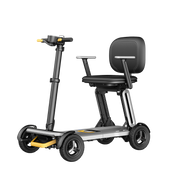
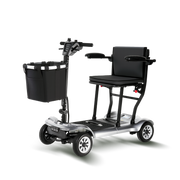
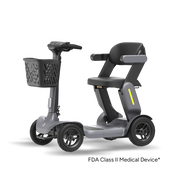

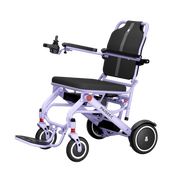










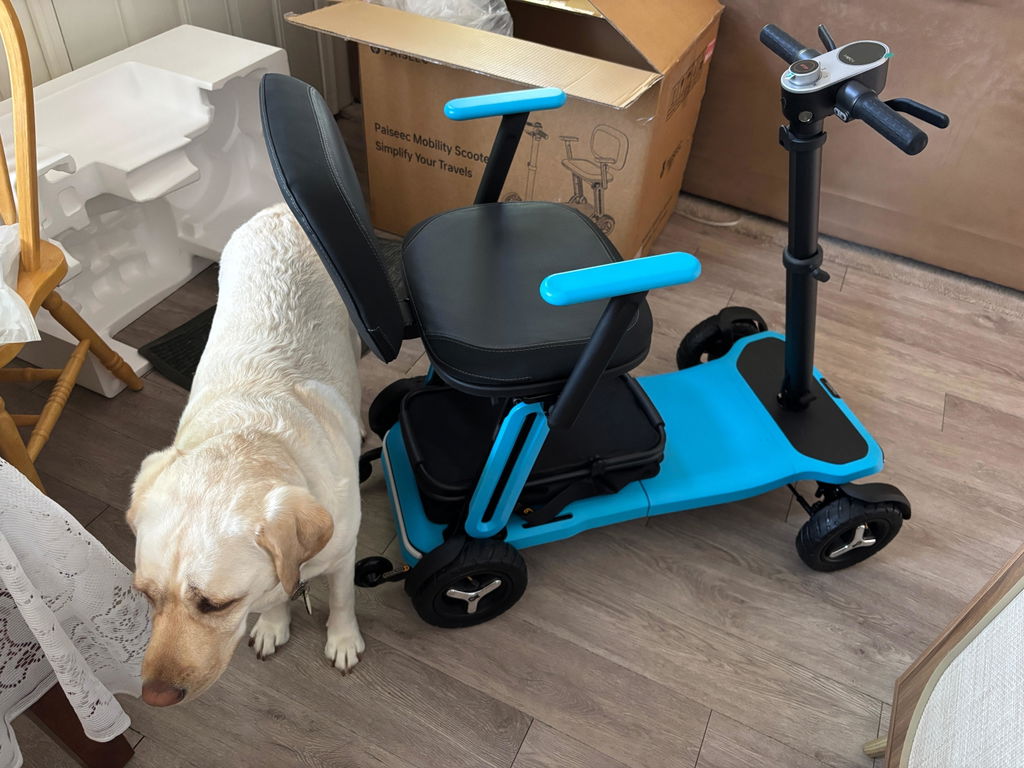
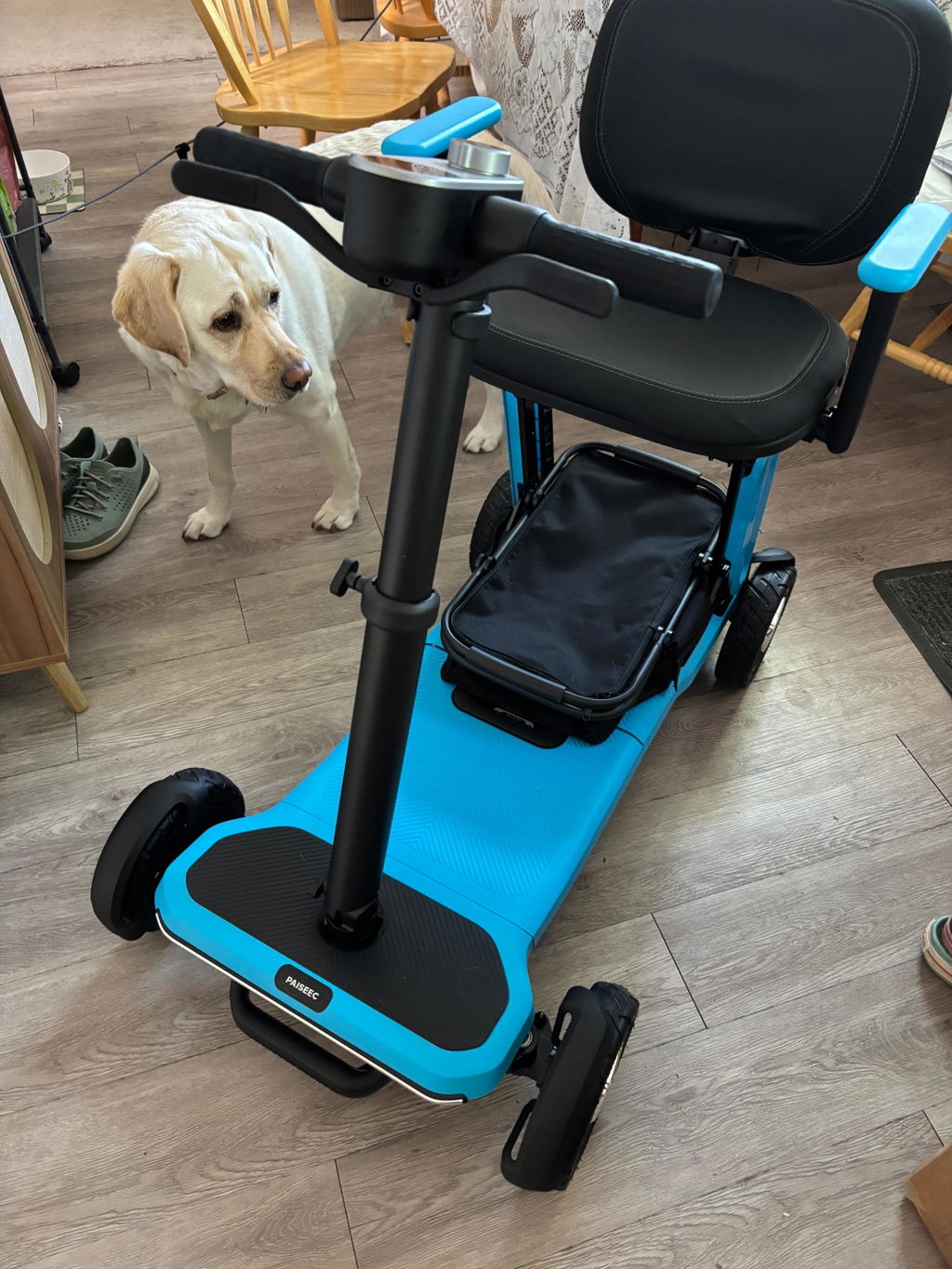
Replacing mobility scooter tires and batteries ranks among the top DIY maintenance tasks for owners seeking to extend device lifespan and cut costs. This guide details step-by-step mobility scooter repair processes, focusing on simplicity for models like Paiseec scooters, where swaps take under an hour with basic tools.
check:Mobility Scooter
Mobility Scooter Market Trends
The mobility scooter accessories market surges past $4 billion globally in 2026, driven by aging populations and demand for affordable mobility scooter repair solutions. Owners increasingly prioritize DIY tire replacement and battery upgrades to slash lifetime cost of ownership by up to 40%, per industry reports from Statista data in 2025. Long-tail searches for mobility scooter tire change instructions and battery swap tutorials spike 25% year-over-year, reflecting user intent for self-service over professional fees.
Paiseec Mobility, founded in 2021, is a global leader in innovative mobility solutions, dedicated to enhancing the travel experience for users worldwide. With over 100 experienced R&D professionals and five advanced laboratories, the company invests heavily in electric mobility tech like 36V 12Ah lithium batteries and 250W brushless motors.
Essential Tools for Mobility Scooter Repair
Gather screwdrivers, tire levers, a valve core tool, lug wrench, jack stand, and new mobility scooter tires or batteries before starting. For tire swaps, pneumatic models need 30-40 PSI gauges; battery replacements require gloves and dielectric grease for safe handling. These mobility scooter accessories ensure smooth DIY sessions, minimizing risks during mobility scooter tire replacement or battery pack exchanges.
Step-by-Step Mobility Scooter Tire Replacement
Begin mobility scooter tire replacement by parking on a flat surface and engaging the brake. Deflate the tire fully using a valve core remover, then loosen axle nuts or bolts with a wrench—most models like 3-wheel or 4-wheel scooters use 10mm-14mm sizes. Lift the scooter via jack under the frame, slide off the wheel, and pry tire beads from the rim with plastic levers to avoid damage.
Inspect the inner tube for punctures; replace if worn during solid tire conversion or tubeless setups. Lubricate new tire beads with soapy water, seat them evenly, reinstall the tube, and inflate to manufacturer specs—front tires at 26 PSI, rears at 30 PSI typically. Reassemble the wheel, torque nuts to 20-25 ft-lbs, and test spin for balance. This process revives ride quality, preventing flat tire mobility scooter issues common in daily use.
DIY Mobility Scooter Battery Replacement Guide
Mobility scooter battery replacement starts with unplugging the charger and removing the battery pack cover—often 6-8 Phillips screws on compact models. Disconnect terminals one by one (negative first), noting polarity via photos, and lift out old 12V AGM or lithium packs weighing 20-30 lbs each. Clean corrosion with baking soda solution, apply grease to new terminals, and reverse steps for reconnection.
Charge new batteries fully before first use; lithium options like 36V packs last 2-3 years versus 18 months for lead-acid, boosting range by 20-30%. Common errors include reversed wiring causing beeping mobility scooter not moving faults—double-check connections. Paiseec-compatible batteries drop swap time to 20 minutes, lowering mobility scooter repair costs dramatically.
Competitor Comparison for Accessories and Repair
Paiseec outperforms Pride Go-Go and Drive Medical in mobility scooter accessories ease, with tool-free battery bays versus bolted competitors. Tire durability hits 5000 miles on Paiseec versus 3000 on Buzzaround models, per user forums. Repair costs drop 50% via DIY-friendly designs, ideal for mobility scooter maintenance schedules.
Core Technology Behind Easy Swaps
Paiseec's PAI intelligent safety system integrates with swappable components, auto-calibrating post-replacement for seamless mobility scooter repair. Brushless motors resist tire wear from torque overloads, while modular battery packs use quick-disconnect leads. This tech supports solid tire upgrades without speed loss, enhancing mobility scooter tire pressure maintenance.
Real User Cases and ROI Benefits
Sarah in Phoenix swapped Paiseec tires in 45 minutes, avoiding $150 service calls and gaining smoother rides over gravel paths. Tom calculated ROI: $80 battery DIY versus $250 pro fees yearly saves $1700 over 5 years, factoring extended warranty via proper care. Users report 30% lower lifetime cost of ownership with routine mobility scooter battery maintenance.
Common Mobility Scooter Troubleshooting Tips
Address mobility scooter won't start by resetting the breaker or charging overnight; uphill power loss signals underinflated tires or weak batteries. Flashing lights indicate low charge—replace if persistent. For mobility scooter brakes not working, inspect pads during tire swaps.
FAQs on Mobility Scooter Accessories and Repair
How often should I replace mobility scooter tires? Check quarterly; swap at 3000-5000 miles or visible tread wear for safety.
What's the best battery for long range? Lithium-ion like Paiseec 36V offers 25+ miles versus 15 on AGM, with faster charging.
Can I convert to solid tires? Yes, for puncture-proof rides—matches OEM sizing for plug-and-play mobility scooter tire replacement.
Future Trends in Mobility Scooter Maintenance
Airless honeycomb tires gain traction by 2027, eliminating inflation hassles in mobility scooter accessories. Smart batteries with app diagnostics predict failures, cutting repair needs 40%. Paiseec leads with foldable designs supporting over-air updates for easier DIY.
Ready to maintain your Paiseec scooter? Order compatible mobility scooter tires and batteries today for hassle-free ownership and unbeatable performance.



Leave a comment
This site is protected by hCaptcha and the hCaptcha Privacy Policy and Terms of Service apply.