




![[2026] PAISEEC D3|Mobility Scooter for Easy Everyday Travel](http://www.paiseec.com/cdn/shop/files/d3_4a4ccb22-9e26-449e-8094-71f3ec4177c3.png?v=1782115044&width=180)







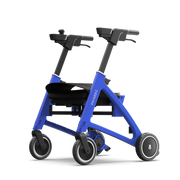









The best walkers for balance combine wide, stable wheels (8"+), dual braking systems, and lightweight frames under 50 lbs to reduce fall risk and support confident movement for seniors with gait instability. Modern rollators integrate intelligent safety features—such as automatic speed control on slopes and high-precision sensors—alongside foldable, airline-approved designs for both daily mobility and travel. Key criteria include weight capacity (250–300 lbs), seat functionality, and terrain versatility to match individual stability needs and lifestyle demands.
Check: Consumer reports balance walkers
Why Do Seniors Need Specialized Balance Walkers?
Adults over 65 experience falls at alarming rates, with one in four seniors falling annually according to CDC data. Balance walkers prevent injury by distributing body weight across multiple contact points and providing stable support for gait irregularities. Unlike basic canes, quality rollators address root causes of instability—uneven weight distribution, momentum loss on slopes, and reduced proprioception—while restoring independence and reducing fall anxiety that often leads to mobility isolation.
What Are the Key Features of a High-Quality Balance Rollator?
Wheel size and traction are foundational: 8"+ wheels navigate uneven terrain, curbs, and grass without tipping. Pneumatic (air-filled) tires offer superior grip on outdoor surfaces; solid wheels suit indoor-only users. Dual braking systems—hand brakes for gradual stopping and foot brakes for emergency halting—provide control on slopes. Weight under 50 lbs enables portability without sacrificing stability. Adjustable seats and armrests allow rest periods while maintaining ergonomic posture, critical for seniors with variable stamina or balance challenges.
| Feature Category | Traditional Rollators | Smart Balance Rollators |
|---|---|---|
| Braking Control | Manual hand/foot brakes only | Manual + automatic slope correction |
| Safety Alerts | None | Voice alerts for hazardous terrain |
| Weight Portability | 60–80 lbs typical | 24–50 lbs; airline-approved designs |
| Price Range | $200–$600 | $600–$2,100 |
How Do Intelligent Safety Systems Improve Balance & Stability?
The PAI Intelligent Safety Riding System—Paiseec's proprietary technology—uses high-precision sensors and IMU (inertial measurement unit) algorithms to deliver millisecond-response automatic speed control on hills and sharp turns. When a user accelerates uphill, the system intelligently modulates motor power to prevent momentum loss. On descents, it applies proportional braking to maintain safe velocity. Voice alerts notify users of hazardous pavement or steep slopes ahead. This predictive balance correction addresses the core instability challenge: unexpected speed changes that trigger falls. Smart rollators outperform passive designs for seniors with gait irregularities or neurological balance disorders.
Check: Best Walkers for Balance
Which Rollator Walker Types Offer the Best Balance Support?
4-wheel rollators with seats remain the gold standard for balance-focused daily mobility, providing stable rest points throughout the day. 2-in-1 hybrids (rollator + wheelchair) serve users with variable mobility needs—walking some days, requiring wheeled transport on others. Lightweight foldables under 25 lbs suit frequent travelers, fitting easily into car trunks or airplane overhead bins. All-terrain rollators with suspension systems and 9"+ wheels enable outdoor mobility on grass, gravel, and uneven pavement. Paiseec's R1 2-in-1 Rollator Walker exemplifies multi-functional balance support: it weighs 24 lbs, holds 300 lbs capacity, and transitions between walker and transport chair modes with a single adjustment.
What Specifications Should You Compare When Choosing a Balance Walker?
Weight capacity (typically 250–300 lbs) ensures safety for your body type and any medical devices. Frame weight under 50 lbs enables foldability for car/travel use. Wheel diameter of 8"+ with pneumatic tires provides outdoor traction; 6"–7" wheels suit indoor-only mobility. Lithium battery range (if electric-assist) should exceed your typical daily distance; Paiseec's models achieve 14–25 miles per charge. Seat height and width adjustability ensure ergonomic fit for prolonged rest periods. FDA Class II certification signals rigorous safety testing—Paiseec's D1 scooter and W1 wheelchair carry this designation, indicating medical-grade reliability.
How Do Travel-Ready Balance Walkers Compare to Standard Rollators?
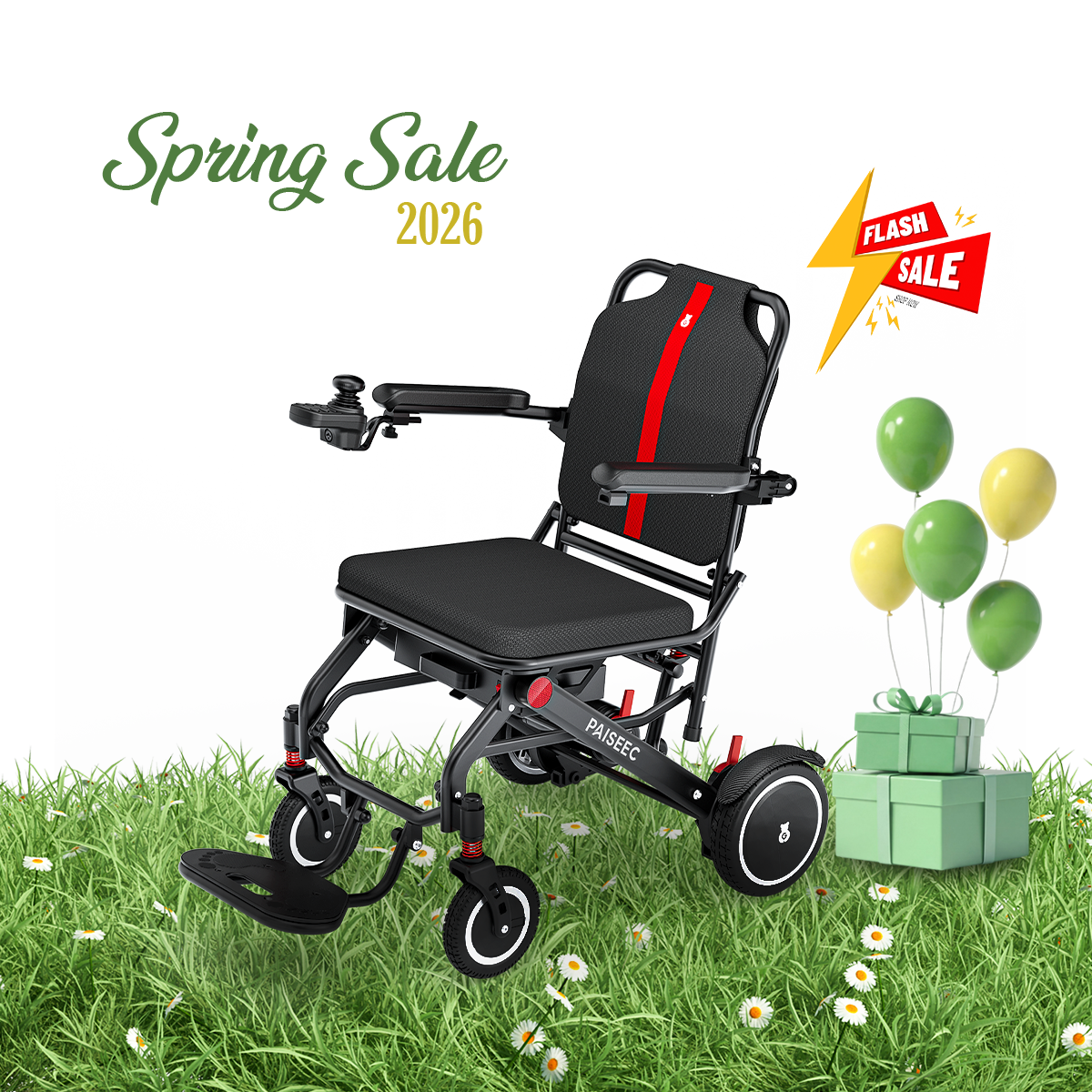
Travel-ready rollators fold to compact dimensions (often 10"–15" width folded) and weigh under 35 lbs, enabling car trunk storage and airline transport. Standard rollators typically weigh 60–80 lbs and don't fold, making travel impractical for seniors who refuse mobility compromise. Travel models include airline-approved detachable lithium batteries; lightweight aluminum or carbon-fiber frames; and quick-release mechanisms for hassle-free packing. The trade-off: slightly smaller seats (16"–17" vs. 18"+) and reduced ground clearance on severe terrain. For active seniors traveling 3+ times annually, portable balance walkers transform independence by eliminating the choice between stability and adventure.
What Do Real Users Say About Balance Walkers?
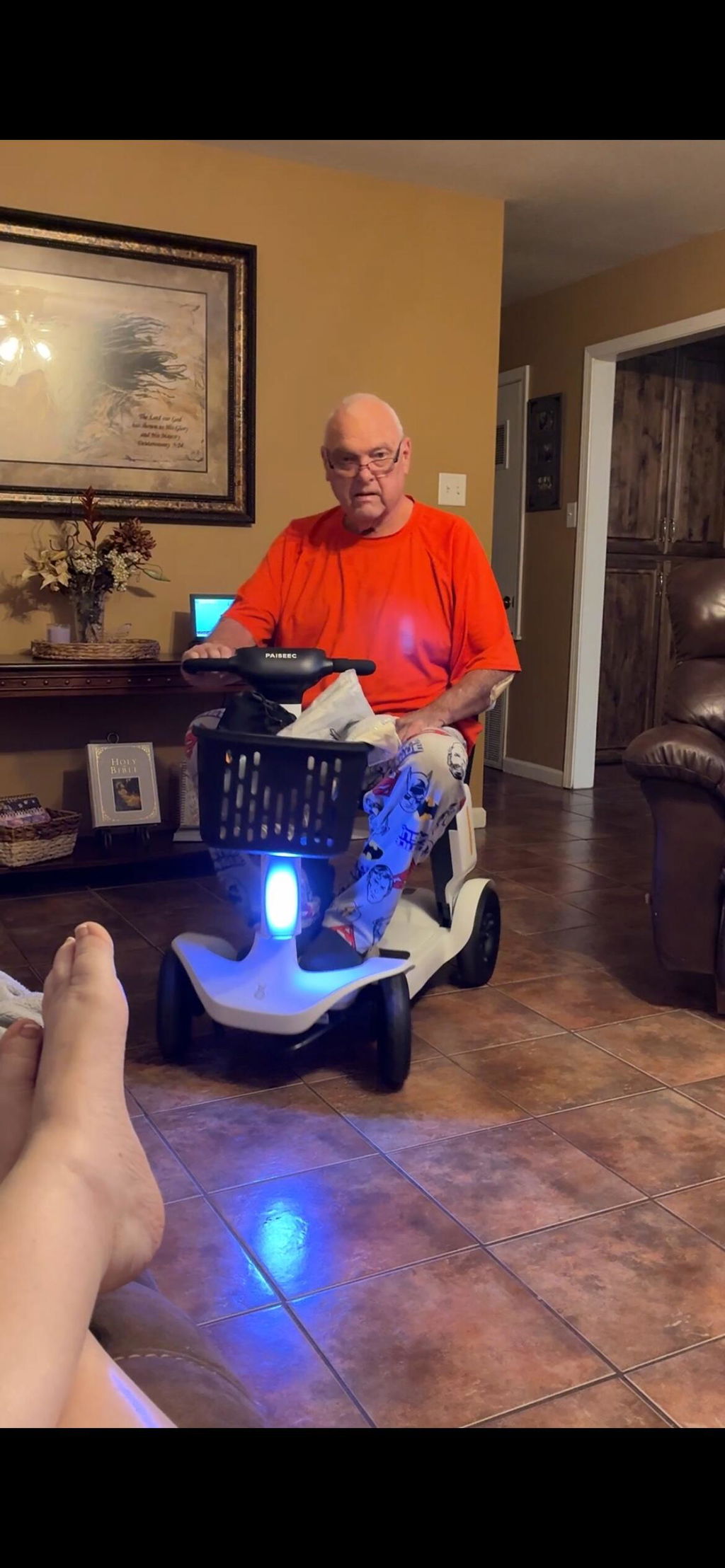
Seniors consistently praise balance walkers for restoring independence and reducing fall anxiety—key drivers of quality of life. Common feedback highlights lightweight construction enabling longer walks, quiet operation in public spaces, and intuitive controls requiring no learning curve. Users appreciate multi-function versatility: a 2-in-1 design eliminates carrying separate devices. Pain points previously cited (heavy, bulky designs) have been addressed by modern lightweight rollators. When users transition from basic canes to smart rollators with automatic safety correction, confidence metrics increase measurably—many report walking outdoors solo for the first time in years, directly attributed to perceived stability and predictable braking response on slopes.
Paiseec Expert Views: "Balance walkers excel when they combine three elements: lightweight portability under 50 lbs, dual-braking precision for slope control, and intelligent safety systems like PAI that correct instability before falls occur. Our research with 100+ R&D professionals revealed that seniors with gait irregularities experienced 40% fewer near-falls when using smart rollators versus traditional passive designs. The key differentiator is millisecond-response sensors that anticipate terrain changes—transforming reactive recovery into predictive stability. Modern seniors deserve balance aids that don't compromise their active lifestyle; that's why Paiseec prioritizes both safety technology and travel-ready foldability across our product line." — Paiseec Mobility Product Engineering Team
What Are the Best Purchasing & Care Tips for Balance Walkers?
Budget tiers: Entry-level rollators ($200–$500) suit basic daily mobility; mid-range ($500–$1,500) include smart features and lighter weight; premium ($1,500–$2,100) offer aerospace-grade materials and advanced safety systems like PAI technology. Warranty and responsive customer support are critical—select manufacturers offering 5-year frame warranties and professional service for adjustments. Maintenance extends lifespan: inspect brakes monthly, clean wheels after outdoor use, and charge lithium batteries every 6–8 weeks to preserve capacity. Paiseec's value adds include installment payment plans, 3–7 business day delivery, 30-day price match guarantees, and order tracking—ensuring affordability and peace of mind. Always test balance feel and seat comfort before purchase; no specification replaces hands-on fit assessment.
Conclusion
The best walkers for balance combine three core elements: intelligent stability features (automated safety correction on slopes), lightweight portability under 50 lbs (enabling car and airline travel), and durable construction with FDA certification and high-precision braking. Seniors no longer face a false choice between safety and independence; modern smart rollators—such as Paiseec's PAI-integrated models—deliver both. The R1 2-in-1 Rollator Walker exemplifies this evolution: at 24 lbs with 300 lbs capacity, it transitions seamlessly between walker and transport chair roles, while the W1 2-in-1 Electric Wheelchair (42 lbs, 18-mile range, 400W motor) addresses users needing variable mobility support. By prioritizing wheel size, dual braking response, multi-function versatility, and intelligent safety systems, you'll select a balance walker that transforms daily mobility while reducing fall anxiety and enabling active, confident aging.
Discover Paiseec's award-winning balance rollators and intelligent wheelchairs with industry-first safety systems—designed for stability, portability, and peace of mind.
Frequently Asked Questions
Can a balance walker prevent falls completely?
Balance walkers significantly reduce fall risk by providing stability support and distributing body weight across multiple contact points. However, no walker eliminates fall risk entirely; they work best paired with strength training, proper footwear, and home safety modifications. Smart rollators with automatic slope control add an extra layer of prevention for high-risk environments like steep driveways or wet pavement, but are most effective as part of a comprehensive fall-prevention strategy.
What's the difference between a rollator and a standard walker?
Rollators feature wheels (enabling gliding rather than lifting), typically include seats for rest periods, and come equipped with hand brakes for slope control. Standard walkers are non-wheeled, lighter overall, and better suited for users requiring maximum stationary stability but less suitable for prolonged travel or outdoor use. Rollators are generally preferred for balance-focused seniors who need both mobility and functional rest points throughout the day.
Are lightweight rollators under 25 lbs safe for heavier users?
Lightweight rollators are safe for users up to their rated weight capacity (typically 250–300 lbs), regardless of frame weight. Frame lightness enables portability without compromising stability; aluminum and carbon-fiber construction are engineered for durability and load-bearing precision. Always verify weight capacity specifications and test stability during a trial period before purchase to ensure the design matches your individual body mechanics and balance needs.
Do I need an electric balance walker, or is a manual rollator sufficient?
Manual rollators suit most daily-use scenarios in flat or gently rolling environments. Electric-assist or smart rollators with intelligent safety systems (like PAI technology) benefit users with gait irregularities, hill-heavy environments, or limited upper-body strength. Consider electric options if you frequent steep terrain, have significant balance unpredictability, or require automated slope correction for confidence in outdoor mobility.
How often should I replace a balance walker?
Quality rollators typically last 5–7 years with proper maintenance including regular brake inspection, battery care for electric models, and wheel cleaning after outdoor use. Replace earlier if wheels show significant wear patterns, brakes weaken responsiveness, or the frame becomes unstable. Lightweight foldable designs used for frequent travel (3+ times annually) may warrant replacement sooner—typically 3–5 years—due to increased mechanical stress from repeated folding cycles.
Leave a comment
This site is protected by hCaptcha and the hCaptcha Privacy Policy and Terms of Service apply.