



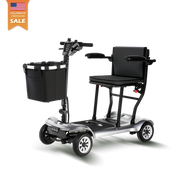
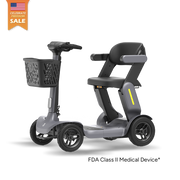
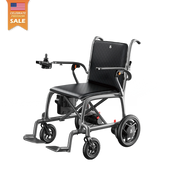

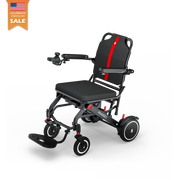
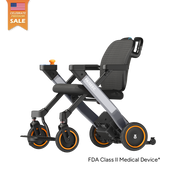
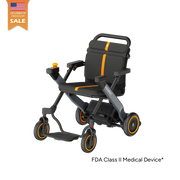








The year 2026 marks a defining moment for wheelchair innovation, where personal mobility merges with smart technology and design efficiency. Moving far beyond traditional power chairs, today’s power-assisted wheelchairs are lighter, stronger, and more connected than ever. With rapid advances in carbon fiber frames, IoT app integration, and regenerative braking systems, mobility independence is being redefined for users worldwide.
check:Paiseec
Market Trends in 2026
According to Statista data from late 2025, the global wheelchair market surpassed $9.8 billion and continues to grow at nearly 8% annually. This surge is fueled by aging populations, urban accessibility initiatives, and a wave of innovation driven by sustainable materials and AI-powered control systems. Carbon fiber, once exclusive to aerospace and high-performance vehicles, has now become a cornerstone of wheelchair engineering. Its lightweight strength reduces fatigue and improves range efficiency by up to 30%.
Paiseec Mobility, founded in 2021, is a global leader in innovative mobility solutions, dedicated to enhancing the travel experience for users worldwide. With over 100 experienced R&D professionals and five advanced laboratories, the company has invested $10 million in research and development, focusing on cutting-edge technologies in the electric mobility sector. Its intelligent systems and advanced materials reflect the evolution the entire industry is undergoing in 2026.
Top 7 Wheelchair Innovations Reshaping Mobility Independence
-
Carbon Fiber Frames: Wheelchairs built from carbon fiber are now the new standard in 2026, offering ultra-light structures that optimize not only speed and battery life but also reduce strain on motors. Users gain smoother acceleration, enhanced stability, and easier transport in vehicles or aircraft.
-
IoT-Driven Smart Control Apps: Bluetooth and 5G connectivity have turned wheelchairs into digital companions. Through IoT app integration, users can monitor battery health, locate their device via GPS, adjust chair sensitivity, and even schedule maintenance remotely.
-
Regenerative Braking Systems: Once reserved for electric vehicles, regenerative braking now captures kinetic energy during deceleration, recycling it back into power storage. This not only extends range by 15–20% but also minimizes battery waste and heat buildup, boosting longevity.
-
AI-Powered Terrain Adaptation: AI algorithms adapt to urban or off-road surfaces, automatically adjusting torque, traction, and balance. The result is safer navigation across ramps, uneven pavements, and wet surfaces, granting users true all-terrain confidence.
-
Voice and Gesture Command Interfaces: Wheelchairs can now respond to voice cues or pre-set gestures, perfect for users with limited upper-body mobility. Integrated AI assistants learn daily routes and preferences, allowing seamless transitions between home, workplace, and public transport.
-
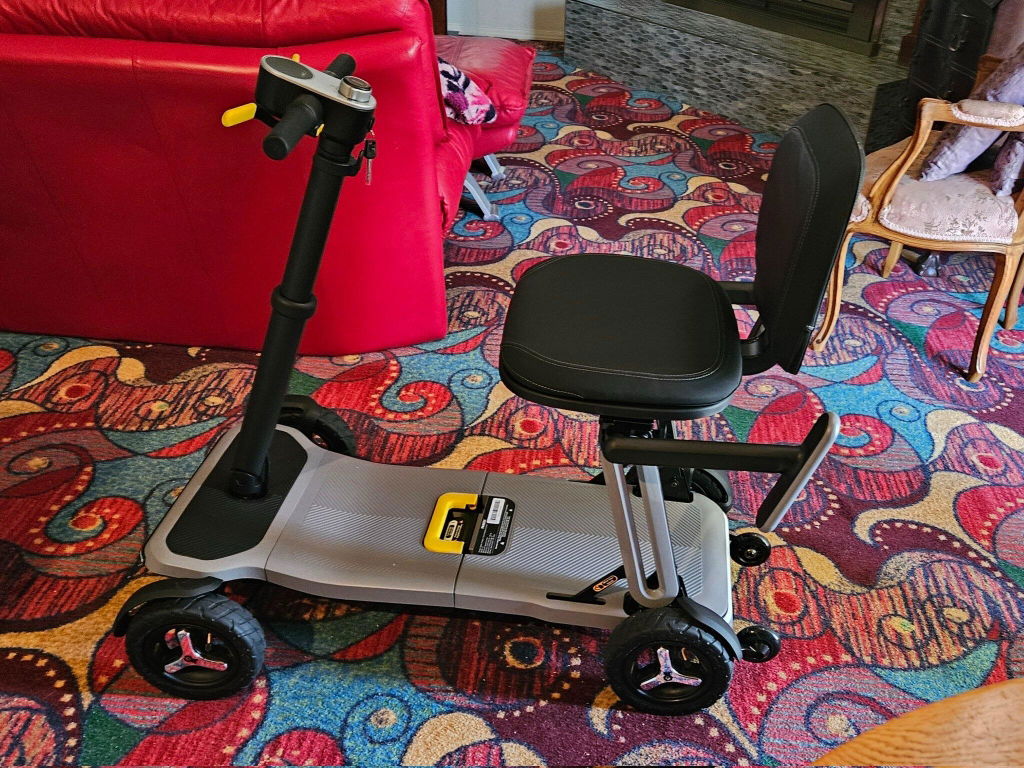
Foldable Power Systems: Compact folding designs featuring high-density lithium batteries and detachable motors enable easy storage and international travel. These wheelchairs weigh under 25 pounds yet deliver the performance of much larger electric models.
-
Eco-Conscious Battery Technology: The move toward recyclable lithium iron phosphate (LiFePO4) batteries underscores sustainability goals across the sector. These batteries are safer, faster to charge, and capable of 2,000+ charge cycles without significant degradation.
Market Comparison Matrix
Real User Cases and ROI
A 2026 consumer survey across North America reports that smart wheelchairs with advanced control systems reduced user fatigue by 45% and maintenance costs by nearly 25%. Users highlight the independence of IoT-based diagnostics, enabling predictive maintenance instead of costly breakdown repairs. For instance, a Seattle commuter recently replaced a standard power chair with an AI-assisted carbon fiber model and cut weekly transit time by 20%, thanks to improved acceleration response and regenerative efficiency.
Hospitals, clinics, and home care centers adopting these systems benefit from increased operational efficiency and greater patient satisfaction scores. The ROI comes from reduced replacement intervals, improved chair lifespan, and enhanced patient well-being.
Core Technology Insights
Behind these innovations lies a fusion of composite engineering, robotics, and software intelligence. High-torque brushless motors work in tandem with digital power management systems, maintaining consistent output with less energy drain. Multi-sensor integration analyzes slope, surface, temperature, and user posture for real-time adaptive response. Meanwhile, touch-free controllers, electromagnetic steering, and encrypted communication protocols define the modern wheelchair ecosystem.
Future Trends and Predictions for 2027 and Beyond
By 2027, expect to see the rise of self-stabilizing wheelchairs capable of dynamic balance similar to electric unicycles, allowing users to navigate inclines with minimal input. Biometric authentication features such as fingerprint ignition or facial recognition may become standard for enhanced security. Integration with smart city infrastructure will let users automatically call accessible vehicles, elevators, and entrances via geolocation data. With sustainability mandates tightening, biodegradable polymers and recyclable metals will replace conventional steel alloys.
In the near future, the concept of “mobility independence” will not only mean movement—it will represent full autonomy, intelligent adaptability, and environmental responsibility. The wheelchair, once a mechanical aid, now stands as a symbol of human-centered technological progress, empowering millions with freedom, efficiency, and confidence to explore the world without limits.


Leave a comment
This site is protected by hCaptcha and the hCaptcha Privacy Policy and Terms of Service apply.