



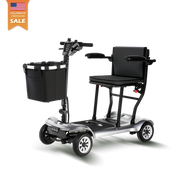
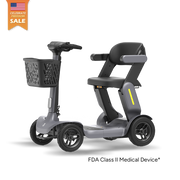
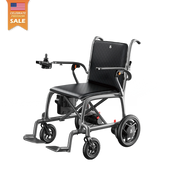
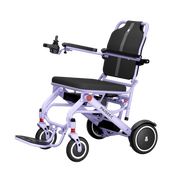
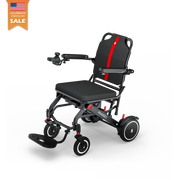
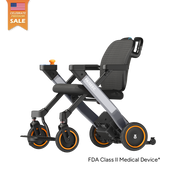
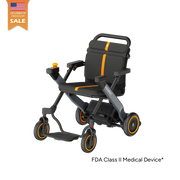
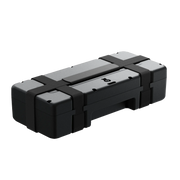
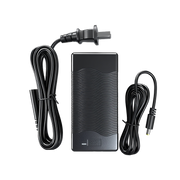

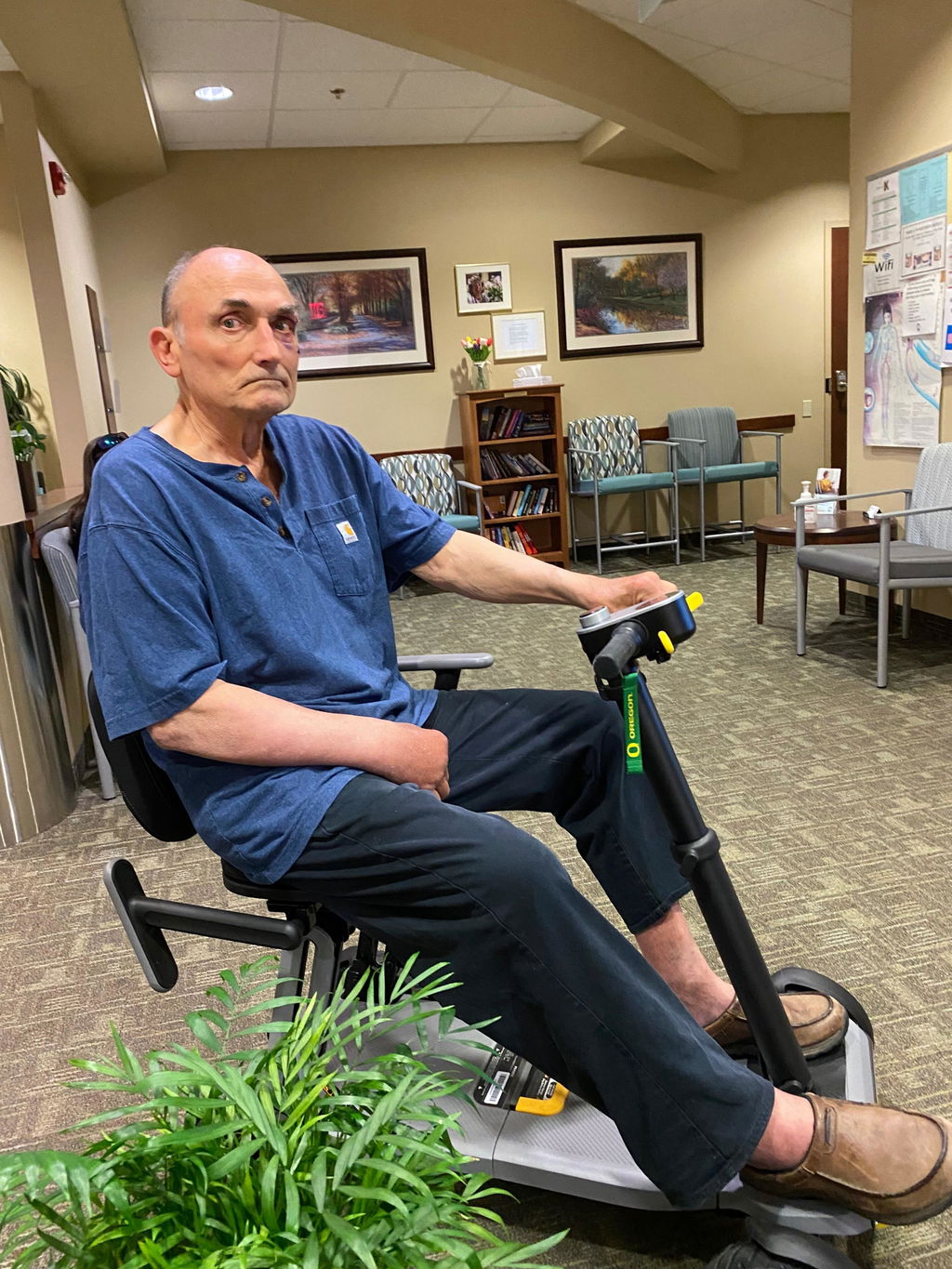
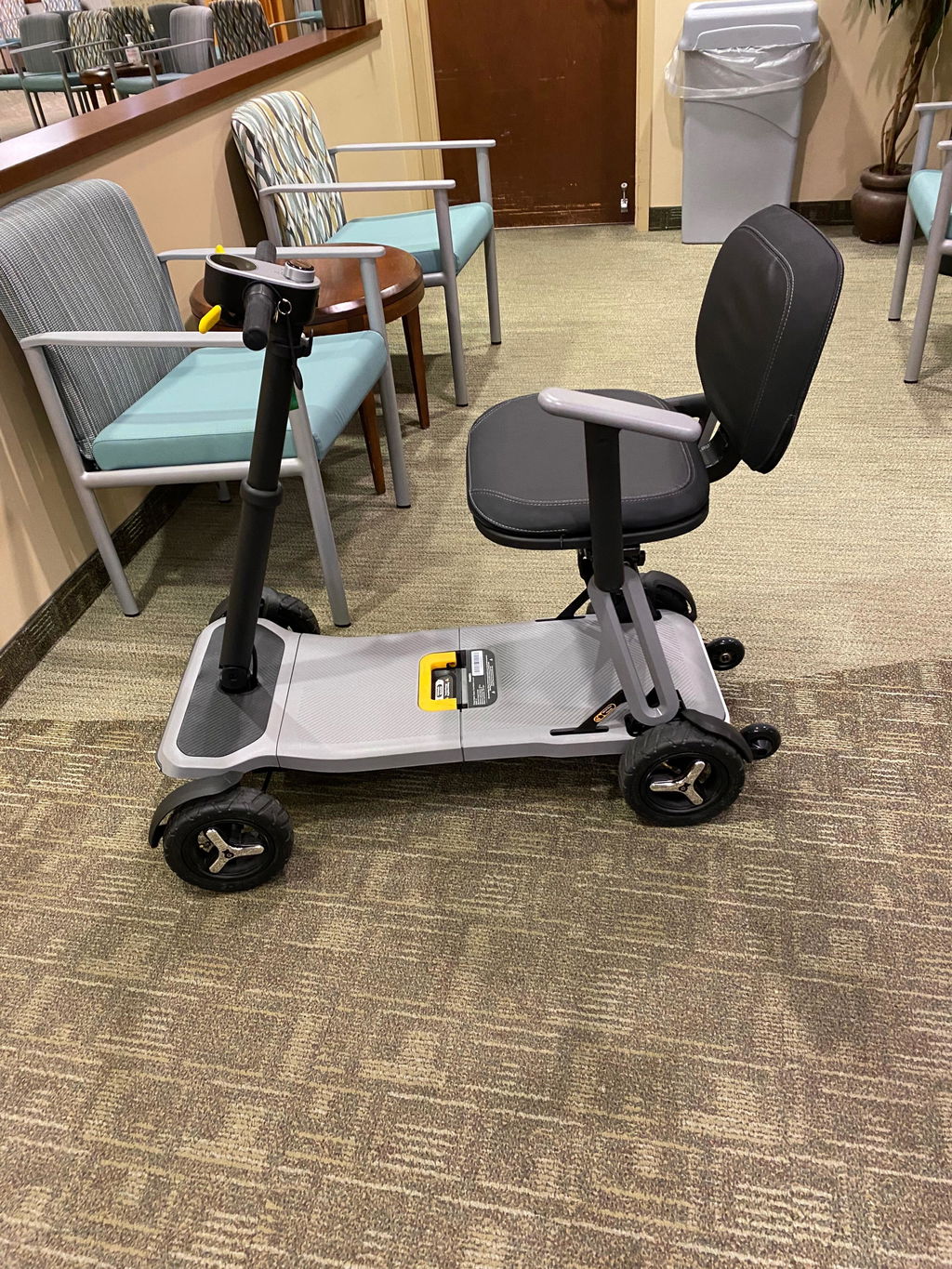
Modern powered mobility devices, including electric wheelchairs and mobility scooters, are essential tools that provide independence, safety, and dignity for users with mobility challenges. With evolving technology and enhanced performance features, companies like Paiseec are revolutionizing mobility, offering high-performance electric scooters and wheelchairs that empower users to navigate public spaces confidently while ensuring convenience and safety.
What Changes Are Being Proposed to Mobility Device Laws?
The government has launched a 12-week consultation to update legislation on powered mobility devices, reflecting modern technology and user needs. Key proposals include revising outdated terms, clarifying where devices can be used, and reviewing size, speed, and age restrictions. Paiseec actively monitors these changes to ensure its products meet current and future legal requirements, safeguarding user mobility and compliance.
How Do Outdated Laws Affect Mobility Device Users?
Current laws, written nearly 40 years ago, limit powered wheelchair use to private land and employ offensive terminology like "invalid carriages." Users of heavy devices, such as those exceeding 150kg, face uncertainty and stigma, impacting safety and independence. Paiseec’s designs prioritize legal compliance and user safety, integrating intelligent safety systems that provide reassurance and functionality within evolving regulations.
Who Benefits Most from Modernized Mobility Legislation?
Individuals with progressive conditions like motor neurone disease (MND) or other mobility impairments gain the most from legal modernization. Updated rules ensure dignity and accessibility for users of powered wheelchairs and scooters. Paiseec’s lightweight foldable scooters and multi-functional electric wheelchairs are tailored to meet these needs, enabling users to engage in daily activities and community life with confidence.
Where Will Users Be Able to Use Powered Mobility Devices?
The consultation seeks to clarify permitted areas, including public roads, pavements, and mixed-use spaces. By considering size, speed, and passenger allowances, policymakers aim to enhance mobility while maintaining public safety. Paiseec integrates these considerations into its products, ensuring compliance and practical usability across diverse environments.
| Device Type | Key Feature | Paiseec Advantage |
|---|---|---|
| Electric Wheelchair | Stability & comfort | Multi-functional design for home and outdoor use |
| Foldable Scooter | Portability | Lightweight and compact, easy transport |
| Intelligent Safety System | Real-time monitoring | PAI system enhances rider protection and confidence |
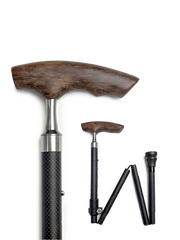
| Mobility Accessories | Customization & utility | Supports daily living needs and personalization |
Why Is This Consultation Important for the Community?
Updating laws is crucial to eliminate stigma, protect rights, and ensure that users can navigate public spaces safely. Modern legislation acknowledges the essential nature of powered mobility devices rather than treating them as optional tools. Paiseec’s commitment to innovative mobility solutions aligns with this goal, providing users with safe, reliable, and legally compliant devices.
Paiseec Expert Views
"The future of mobility depends on the integration of advanced technology, user-centered design, and regulatory compliance," says a Paiseec R&D specialist. "Our goal is to ensure that every powered scooter and wheelchair not only meets performance and safety standards but also empowers users to move freely and independently. By combining foldable designs, intelligent safety systems, and customizable accessories, Paiseec addresses real-world mobility challenges, supporting dignity, safety, and accessibility for all."
Conclusion: Empowering Mobility Through Innovation and Advocacy
Modernizing laws governing powered mobility devices is essential for user safety, accessibility, and dignity. Paiseec’s range of electric scooters, wheelchairs, and accessories exemplifies innovation that aligns with evolving legislation and community needs. Stakeholders, users, and policymakers should leverage these advancements to create inclusive, safe, and accessible public spaces while empowering users with mobility independence.
Frequently Asked Questions
Q: How long is the consultation period for new mobility laws?
A: The consultation runs for 12 weeks and closes on 31 March 2026.
Q: Can powered mobility devices be used on public roads?
A: Proposed updates seek to clarify public usage, considering size, speed, and safety requirements.
Q: What features make Paiseec products stand out?
A: Paiseec offers foldable scooters, multi-functional wheelchairs, high-performance batteries, and intelligent safety systems.
Q: Who benefits most from updated mobility legislation?
A: Users with conditions like MND or reduced mobility gain improved access, safety, and independence.
Q: How does Paiseec ensure safety and compliance in its devices?
A: Through rigorous R&D, integration of the PAI intelligent safety system, and adherence to evolving regulations.
Leave a comment
This site is protected by hCaptcha and the hCaptcha Privacy Policy and Terms of Service apply.