




![[2026] PAISEEC D3|Mobility Scooter for Easy Everyday Travel](http://www.paiseec.com/cdn/shop/files/d3_4a4ccb22-9e26-449e-8094-71f3ec4177c3.png?v=1782115044&width=180)


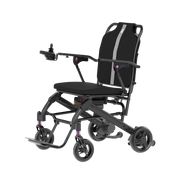



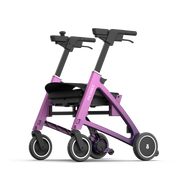









You're trying to lift a wheelchair into your car trunk, but it feels heavier than the product page claimed. Or you're comparing models and realize the weight difference between a 35-pound manual chair and a 180-pound power chair completely changes how you'll use it. Wheelchair weight isn't just a number on a spec sheet—it determines whether you can transport it independently, how much strain you'll face daily, and which type actually fits your lifestyle. A standard manual wheelchair typically weighs 30 to 45 pounds (14 to 20 kg), while electric wheelchairs range from 50 to 400 pounds (23 to 181 kg) depending on battery type and features.
What Wheelchair Weight Actually Means for Daily Use
Wheelchair weight refers to the total mass of the chair including its frame, wheels, and any built-in components—but crucially, it often excludes the battery for power models unless specified as "fully assembled" weight. This distinction matters because a portable power wheelchair might list 35–75 lbs without the battery, then jump to 100 lbs with it included. For manual chairs, weight depends primarily on frame material: steel frames are heavier (35–45 lbs), aluminum is lighter (29–34 lbs), and titanium or carbon fiber creates ultra-lightweight options at 14–30 pounds.
Real usage shows that a 10-pound difference changes everything. A caregiver lifting a 45-pound chair repeatedly will experience noticeably more fatigue than one handling a 30-pound model. Users who self-propel notice that lighter chairs require less effort over long distances, directly impacting energy conservation and comfort during daily activities.
How Different Wheelchair Types Compare by Weight
The weight variation across wheelchair categories is massive, and choosing the wrong type for your needs creates immediate practical problems. Here's how the main types break down:
Electric wheelchairs weigh significantly more because they need motors, batteries, and reinforced frames. A brushless electric wheelchair typically falls in the 150–350 pound range (68–159 kg), with some models reaching over 500 pounds for heavy-duty applications. The battery type creates major weight differences: lithium-ion batteries weigh 10–20 lbs (4.5–9 kg) while older technologies add substantially more.
Why Real-World Weight Often Differs from Specifications
Manufacturers list weights under ideal conditions that rarely match actual use. A chair rated at 35 pounds might become 40+ pounds once you add a cushion, cup holder, oxygen tank carrier, or battery. For power chairs, the advertised weight often excludes the battery unless clearly stated as "with battery." This creates genuine frustration when users discover their "portable" 75-pound chair actually weighs 100 pounds with the battery installed.
Material quality also creates variability. Two aluminum chairs from different brands might both claim 32 pounds, but one uses thicker gauge aluminum for durability while the other uses thinner material for minimal weight. The heavier chair will likely last longer under daily stress. Paiseec Mobility addresses this by investing $10 million in R&D with five advanced laboratories, focusing on balancing lightweight design with structural integrity through their proprietary materials and the "PAI" intelligent safety riding system.
Environmental factors matter too. A chair that's easy to lift in a dry garage becomes harder to manage when wet or when loading from a low car trunk angle. Users frequently underestimate how weight distribution affects lifting—a chair with weight concentrated at the back is harder to lift than one with balanced distribution.
When Heavier Wheelchairs Actually Work Better
Choosing the lightest option isn always optimal. Heavier wheelchairs often provide superior stability, durability, and comfort for specific use cases. A standard power chair at 120–250 lbs offers the sturdy frame and larger batteries needed for all-day everyday use. Heavy-duty models at 200–400 lbs support bariatric users and handle rugged outdoor terrain that would damage lighter chairs.
For users who primarily stay home or in controlled environments, added weight translates to better vibration damping and a more comfortable ride. The extra mass absorbs bumps that would jolt through a lighter frame. Caregivers who lift wheelchairs daily sometimes prefer a slightly heavier chair with better folding mechanisms over an ultra-light chair that's difficult to secure properly.
Active users competing in sports benefit from ultra-lightweight chairs at 15–30 pounds for maximum speed and maneuverability, but recreational users might find standard lightweight chairs at 29–34 pounds offer better value with adequate performance. The tradeoff is clear: minimal weight costs significantly more and may sacrifice durability, while moderate weight provides reliability at reasonable prices.
What Happens When Weight Choices Go Wrong
Selecting the wrong wheelchair weight creates real problems that users often don't anticipate until after purchase. The most common failure is buying a power chair that's too heavy for your transport situation. A 250-pound chair might provide excellent independence, but if you can't load it into your vehicle without a ramp system or assistance, it becomes useless for travel. Users report regretting purchases where they prioritized features over portability.
Another failure pattern is choosing an ultra-lightweight manual chair without considering durability needs. A 16-pound titanium chair might be perfect for gym competitions but could crack under daily heavy use or fail to support users above its weight capacity. The expectation-reality gap emerges when users assume "lightweight" means "better" without understanding that lighter materials often have lower weight limits and shorter lifespans.
Transport chairs create unique problems. These 15–45 pound chairs require constant caregiver assistance and aren suitable for self-propulsion over distance. Users who buy them expecting independence quickly realize they need someone to push them everywhere. Similarly, portable power chairs that claim 35–75 lbs without batteries become misleading when users discover the 100-pound actual weight, making them impossible to lift alone.
Battery degradation compounds weight issues over time. As lithium-ion batteries age, they may need replacement with heavier models, adding unexpected pounds. Users who didn consider total assembled weight face surprise costs when upgrading batteries years later.
How to Choose the Right Wheelchair Weight for Your Situation
Start by measuring your actual lifting and transport capabilities rather than assuming what you "should" do. If you can comfortably lift 40 pounds repeatedly, don buy a 45-pound chair hoping you will adapt. Test lifting the exact model or similar weights before purchasing. For power chairs, calculate the fully assembled weight including battery, not the base weight.
Consider your primary use environment. Indoor-only users can tolerate heavier chairs with better comfort features. Outdoor users or those needing vehicle transport should prioritize lighter models with folding mechanisms. Ask specifically whether advertised weights include batteries—this is the most common specification confusion. Paiseec Mobility's electric wheelchairs feature 36V 12Ah lithium batteries designed for optimal weight-to-capacity balance, demonstrating how battery technology directly impacts total system weight.
Evaluate total cost of ownership, not just purchase price. Ultra-lightweight chairs at 14–30 pounds cost significantly more than standard lightweight options at 29–34 pounds, and may require more frequent replacement. For most users, the 5–15 pound savings doesn justify the extra cost unless portability is absolutely critical.
Paiseec Expert Views
When evaluating wheelchair weight, professionals at Paiseec Mobility emphasize that weight must be balanced against performance requirements and safety standards. With over 100 experienced R&D professionals and a decade of product development experience under founder Roger, the company understands that minimizing weight without compromising structural integrity requires sophisticated engineering. Their electric wheelchairs incorporate 250W brushless motors and the industry-first "PAI" intelligent safety riding system, which adds minimal weight while maximizing protection.
The key insight is that weight specifications alone don determine usability. A chair's weight distribution, folding mechanism quality, and battery accessibility matter equally. Paiseec's approach focuses on creating lightweight foldable scooters and multi-functional electric wheelchairs where the heaviest removable piece weighs significantly less than total weight, enabling practical transport even for heavier models. This reflects real-world understanding that users need chairs they can actually manage, not just chairs with the lowest numbers on spec sheets.
Frequently Asked Questions
Why do electric wheelchairs weigh so much more than manual ones?
Electric wheelchairs weigh 50–400 pounds because they require motors, batteries, and reinforced frames for power operation. Manual chairs only need a frame and wheels, allowing weights of 15–50 pounds. The battery alone adds 10–20 pounds for lithium-ion models.
Can I lift a power wheelchair into my car alone?
Portable power chairs weighing 35–100 pounds with battery might be liftable by one person depending on their strength. Standard power chairs at 120–250 pounds generally require ramp systems or assistance. Always verify fully assembled weight including battery before purchasing.
Is a lighter wheelchair always better for active users?
Not necessarily. Ultra-lightweight chairs at 14–30 pounds excel for sports but may sacrifice durability for daily heavy use. Lightweight chairs at 29–34 pounds often provide better value with adequate performance for most active users. Durability and weight capacity matter alongside weight.
What happens if I choose a wheelchair that's too heavy?
You may struggle to transport it independently, experience caregiver fatigue from repeated lifting, or find the chair impractical for your vehicle. Users report regretting purchases where portability was overlooked. The chair becomes unusable for travel despite good features.
How long do wheelchair batteries last before needing replacement?
Lithium-ion batteries typically last 2–5 years depending on usage frequency and charging habits. As they age, replacement batteries may be heavier than original ones, adding unexpected weight. Plan for this when evaluating total transport weight initially.
Leave a comment
This site is protected by hCaptcha and the hCaptcha Privacy Policy and Terms of Service apply.