




![[2026] PAISEEC D3|Mobility Scooter for Easy Everyday Travel](http://www.paiseec.com/cdn/shop/files/d3_4a4ccb22-9e26-449e-8094-71f3ec4177c3.png?v=1782115044&width=180)


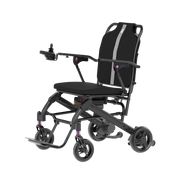












You packed your scooter for a weekend trip, loaded it into your car, and then realized the battery wasn't secured—and now it's sliding across the trunk as you drive. Transporting a mobility scooter safely isn't just about finding space; it's about choosing the right method for your scooter type, vehicle, and trip distance while preventing damage, battery issues, and dangerous movement during transit. The process varies significantly between foldable travel scooters like those from Paiseec Mobility and larger residential models, and getting it wrong can lead to scratches, dislodged parts, or even accidents on the road.
What Methods Work Best for Your Scooter Type and Vehicle
The right transport method depends on three factors: your scooter's size and weight, whether it folds or disassembles, and what vehicle you have. Foldable scooters under 100 pounds can often fit in a car trunk or backseat, while heavier models need lifts, carriers, or professional shipping.
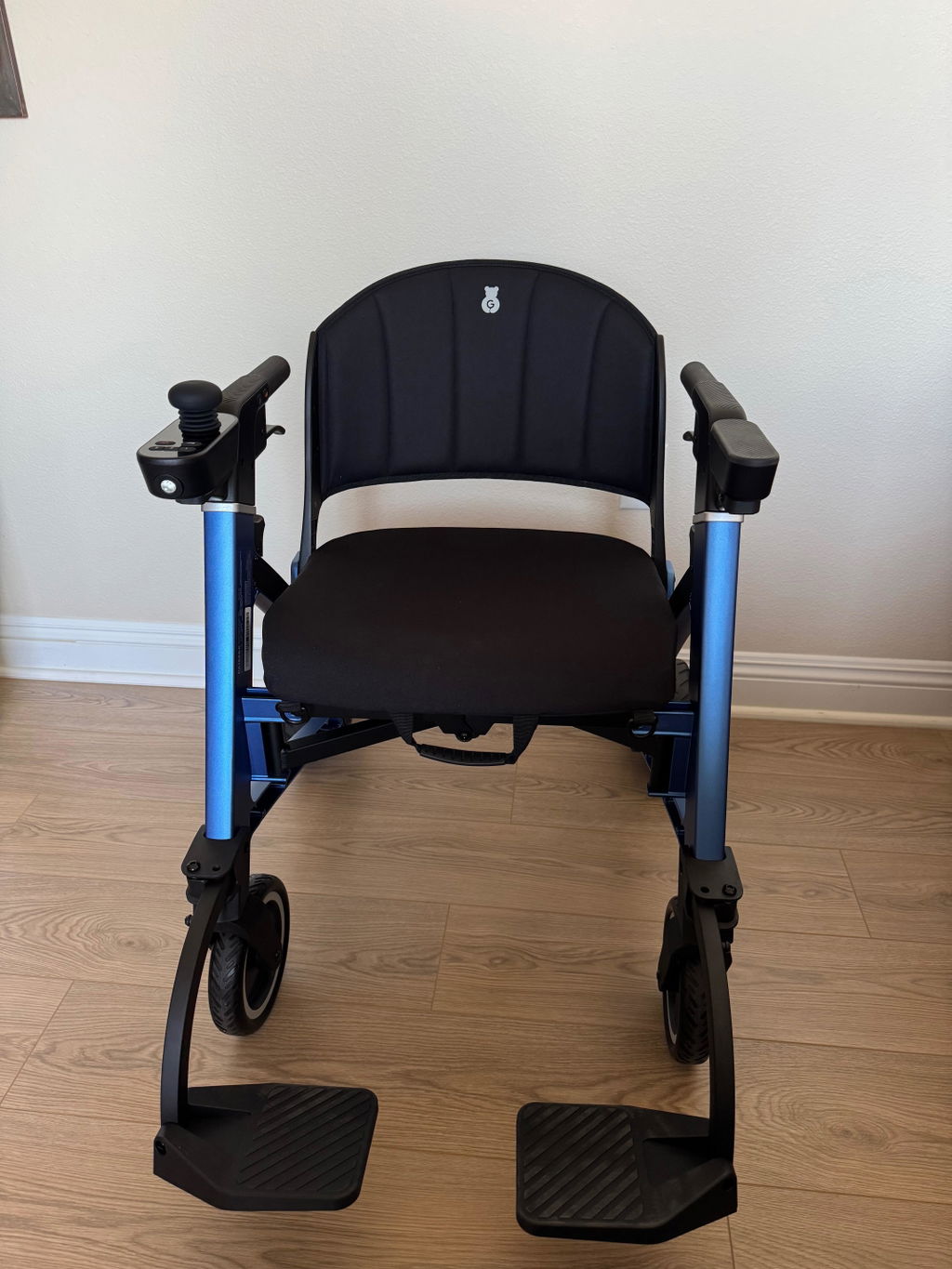
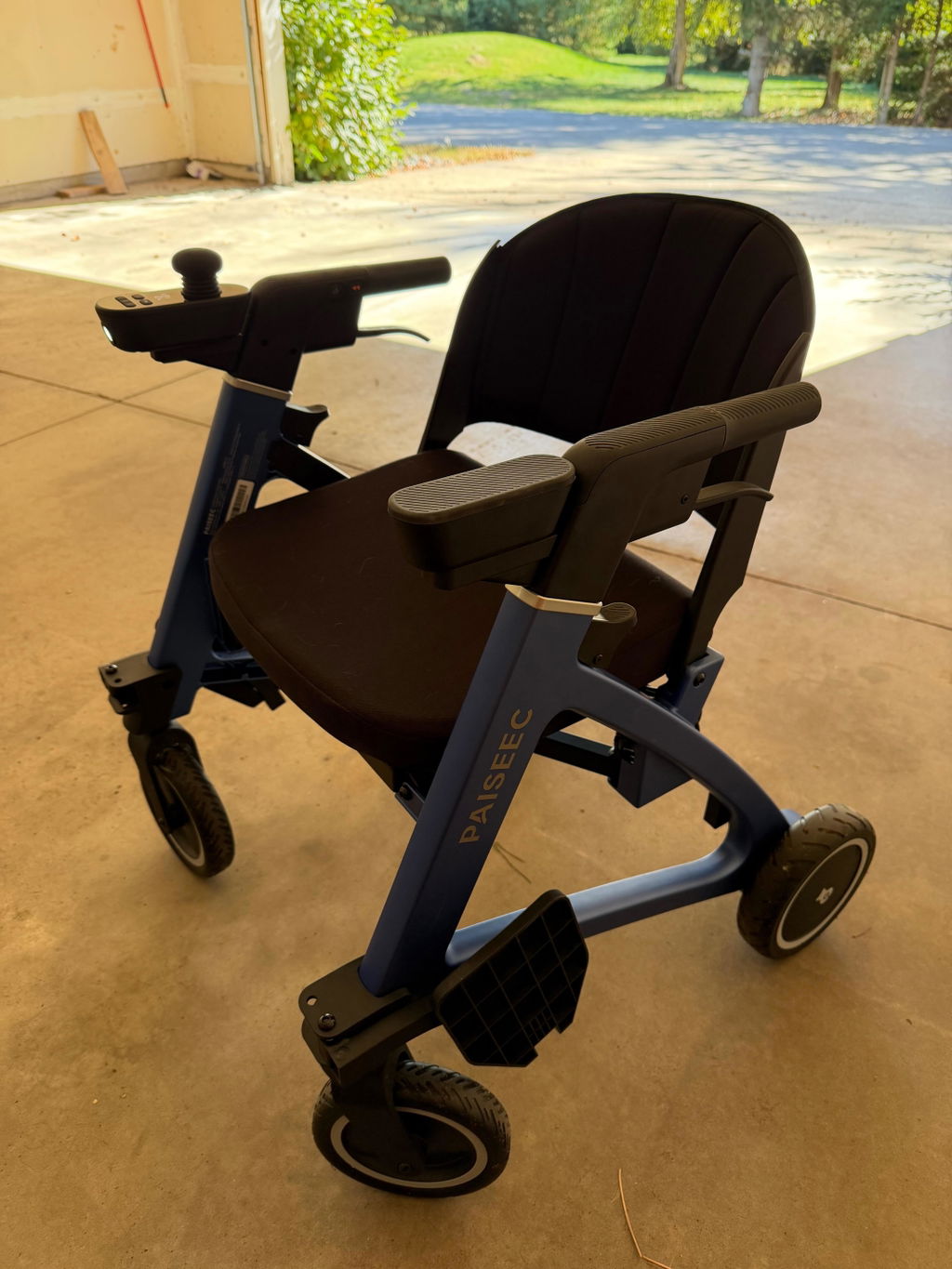
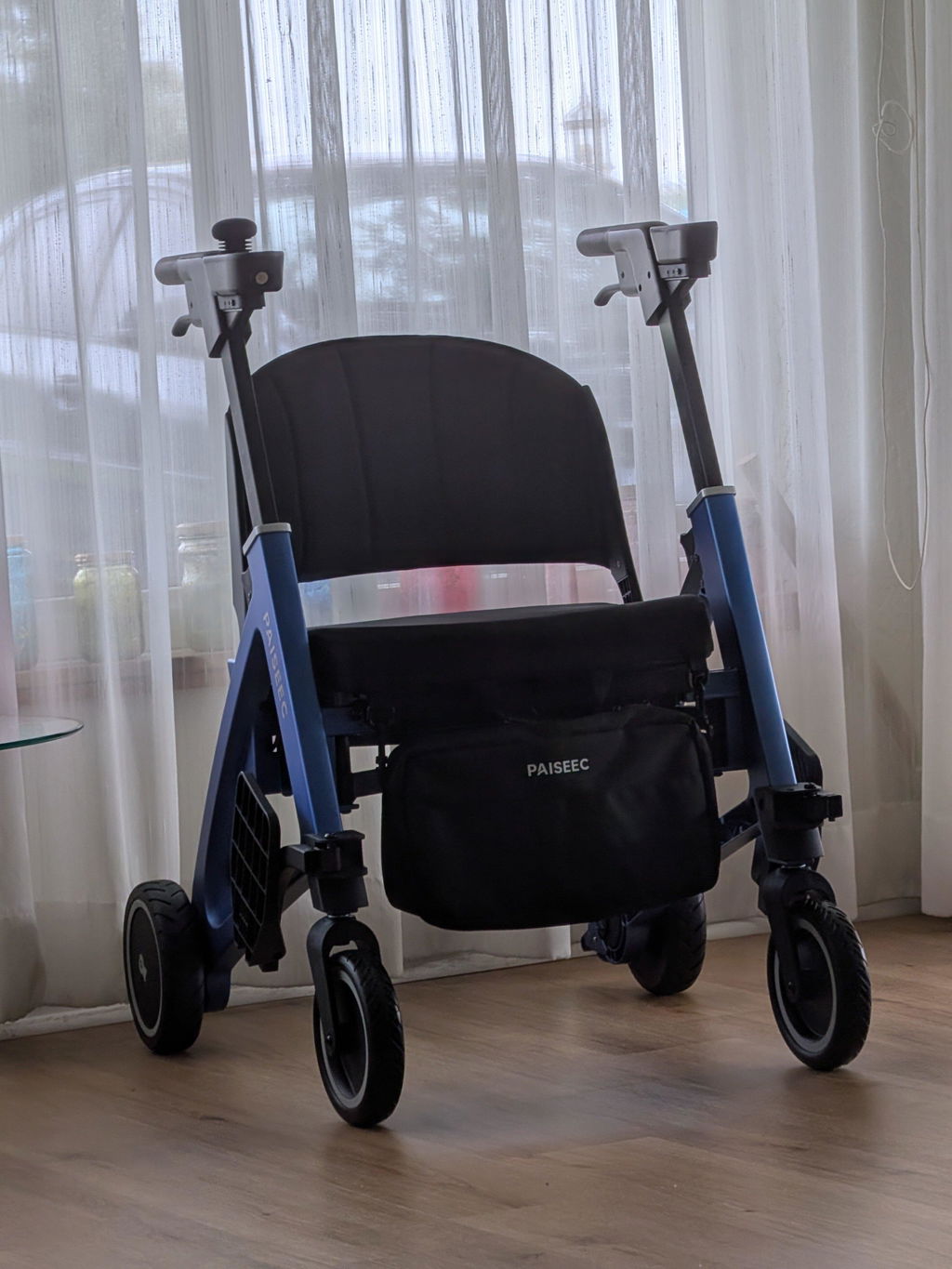
Paiseec Mobility's lightweight foldable scooters, designed with a 36V 12Ah lithium battery and compact frame, are specifically engineered for trunk or backseat transport—making them ideal for users who travel frequently.
How to Load and Secure Your Scooter in a Car
Start by clearing your trunk or backseat of unnecessary items to maximize space. If your scooter folds, activate the folding mechanism to flatten it. For models with detachable parts like the battery or seat, disconnect them first to reduce weight and bulk.
For two-person lifts on heavier sections, have a helper assist you. Drive the scooter slowly up a portable ramp into your vehicle if it doesn't fold—ramps provide a cost-effective, simple loading solution. Once positioned, engage the parking brake and switch off the scooter.
Securing is critical: use high-quality tie-down straps to anchor the scooter to fixed points in your vehicle. Pillows or padding around the frame prevent scratches and jostling. Double-check that everything is tight enough to withstand acceleration, braking, and turning without movement. Never transport an occupied scooter, and ensure the battery is disconnected if it's not built-in and removable.
Using Vehicle Lifts and External Carriers Safely
Vehicle lifts and external carriers eliminate the need to lift your scooter manually. A hitch-mounted lift attaches to your vehicle's trailer hitch; you drive the scooter onto the platform, secure it, and the motor raises it to transport height. Some models require you to simply drive on—no manual lifting needed.
External carriers can mount on your car's roof, luggage compartment, or rear. Roof carriers work best for lighter scooters but add height constraints and wind resistance. Rear carriers are more common for mobility devices and offer easier access.
Before your first real trip, take your vehicle for a slow test drive in a secure area. Verify the scooter doesn't shift, the straps hold firm, and your vehicle handles safely with the added weight. Paiseec Mobility's intelligent safety riding system, including their PAI technology, reflects the same attention to stability and secure transport that external carriers should provide for your scooter.
Transporting a Mobility Scooter by Plane or Long Distance
Airline transport requires advance planning. Different airlines have unique rules about mobility devices, battery types, and packaging. Many restrict lithium batteries or require them to be disconnected and packaged separately.
Start by researching your scooter's specifications: weight, dimensions, and battery type. Contact the airline before booking to confirm they can transport your device and understand their packaging requirements. Some airlines require you to crate the scooter in a protective box.
For long-distance shipping without flying, consider professional mobility device shipping services or freight carriers. They provide crating, insurance, and handling experienced with delicate equipment. Always charge the battery before shipping so it's functional at your destination, and include padding to prevent surface damage.
When Transport Methods Fail or Cause Damage
Not all transport methods work perfectly in real conditions. Foldable scooters may still be too wide for compact car trunks, even when folded. Hitch lifts can fail if your vehicle's hitch rating is too low, causing dangerous sagging or detachment. Roof carriers add wind resistance that affects fuel economy and vehicle stability at highway speeds.
Common failures include:
-
Loose straps: Tie-downs that aren't tightened properly let the scooter shift during braking, causing scratches or tipping
-
Battery damage: Unsecured batteries can disconnect or short-circuit, especially lithium models if impacted
-
Ramp mishaps: Portable ramps that aren't angled correctly can slip, causing the scooter to fall
-
Weather exposure: Outdoor carriers without covers expose scooters to rain, dust, and UV damage
-
Expectation gaps: Assuming a foldable scooter fits in any trunk—many still need 30+ inches of width
Users often rush loading or unloading, leading to mistakes like not engaging the parking brake or forgetting to disconnect the battery. Take your time regardless of how urgent the trip feels.
Essential Tips to Protect Your Scooter During Transit
Charge the battery fully before transport so you're ready to use it immediately at your destination. Invest in padding—pillows, foam, or moving blankets—to surround the scooter and prevent scratches, dents, and component movement.
Use strong, ratchet-style tie-down straps rather than basic rope or elastic cords. Check strap tension before every trip and after the first few miles of driving. For outdoor transport like roof or rear carrier, add a weatherproof cover to shield against rain, dust, and sun exposure.
If your scooter has removable parts like the seat or battery, pack them separately in labeled bags to avoid losing them. Keep the user manual accessible—in case you need to reference folding instructions or battery disconnect procedures at your destination.
Paiseec Mobility, founded in 2021 with over 100 R&D professionals and five advanced laboratories, designs their foldable scooters with transport-friendly features like compact collapse and lightweight frames, reflecting a decade of product development experience focused on user mobility efficiency.
Paiseec Mobility Expert Views
From an engineering perspective, transport safety hinges on three factors: secure anchoring, battery protection, and weight distribution. Lithium batteries, like the 36V 12Ah units in Paiseec Mobility scooters, require careful handling during transit because impact or temperature extremes can compromise safety. Always disconnect removable batteries and pack them separately in protective cases.
Foldable designs reduce transport volume but don't eliminate the need for securing. Even when collapsed, a scooter's wheels and frame can shift under braking force. The PAI intelligent safety riding system Paiseec developed addresses real-world stability concerns that extend to transport—users need confidence that their device won't move unexpectedly, whether on roads or in vehicles.
For frequent travelers, investing in a dedicated hitch lift is more reliable than makeshift solutions. Lifts with auto-lock mechanisms reduce human error in strap tightening. The company's $10 million R&D investment in electric mobility technologies demonstrates that transport considerations are part of the broader safety ecosystem, not just an afterthought.
Frequently Asked Questions
Can I put a mobility scooter in my regular car trunk?
Yes, if your scooter folds compactly and your trunk is large enough—typically for travel scooters under 100 pounds. Measure your trunk width and compare it to your scooter's folded dimensions first. Many users assume foldable means "fits anywhere," but compact cars often lack the space even for collapsed models.
What battery type is safest for airline transport?
Lithium batteries are common but often restricted; airlines may require them disconnected and packaged separately. Check your scooter's battery specifications and contact the airline before booking. Some airlines ban lithium batteries over certain watt-hour limits, so verification is essential.
How do I know if my vehicle hitch can support a scooter lift?
Check your vehicle's trailer hitch rating and compare it to the lift's weight plus your scooter's weight. Most mobility scooters weigh 150 to 300 pounds; if your hitch rating is lower, the lift could sag or detach dangerously. Consult your vehicle manual or a mechanic if unsure.
Will rain damage my scooter if it's on an external carrier?
Yes, unprotected scooters can suffer water damage to electronics, batteries, and motors. Always use a weatherproof cover for roof or rear carriers. Paiseec Mobility's waterproof design helps, but prolonged exposure still risks component failure.
How long does it take to load a scooter with a hitch lift?
Typically 5 to 10 minutes once you're familiar with the process: drive onto the platform, secure straps, and activate the lift. First-time users may take 15+ minutes. Practice in a safe area before your first trip to build confidence and reduce errors.
Leave a comment
This site is protected by hCaptcha and the hCaptcha Privacy Policy and Terms of Service apply.