
















You fold your scooter, head to your car, and realize the trunk won't close—or the scooter rolls free during the drive, leaving you with a bent frame or a scratched battery. Transporting a scooter isn't just about tossing it in a vehicle; the right method depends on whether it's electric or gas-powered, foldable or non-foldable, and whether you're moving it short distances or shipping it long haul. Most people skip critical prep steps like disconnecting the battery or securing moving parts, which leads to real damage. Getting it right means matching the transport method to your scooter type and avoiding common pitfalls that turn a simple trip into a repair bill.
What type of scooter are you transporting?
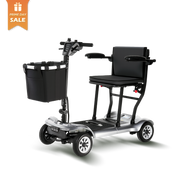
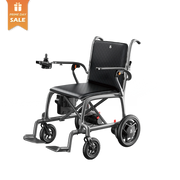
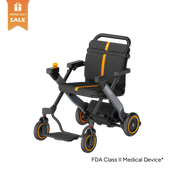
The first step is identifying your scooter's category, because transport rules differ drastically between electric and gas models. Electric scooters (like Paiseec Mobility's lightweight foldable models) have lithium batteries that airlines and some carriers restrict, while gas scooters require fuel drainage and spark plug disconnection for safety. Foldable scooters simplify transport by reducing size, but non-foldable units need ramps and wheel chocks. Weight also matters: Paiseec's 36V 12Ah lithium battery models stay under 50 lbs, making them car-trunk friendly, whereas heavier multi-functional electric wheelchairs need hitch carriers. Always check your scooter's manual for manufacturer-specific transport limits before choosing a method.
How to prep your scooter before moving it
Preparation prevents 90% of transport damage. Start by turning off the power and removing the battery if your model allows it—this reduces weight and eliminates accidental activation risks. For gas scooters, drain the fuel tank and disconnect the spark plug to prevent fires. Next, fold handlebars and stem (if foldable), then secure loose parts like mirrors or baskets with tape or straps. Remove all accessories: baskets, lights, and windshields can snap off during transit. Wrap the scooter in a blanket or protective cover to guard against scratches, and if using straps, place old shirts between the strap and frame to protect easily damaged areas. Finally, engage the kickstand to keep it upright once loaded. Paiseec Mobility's "PAI" intelligent safety riding system includes a lock mode that prevents accidental movement during transport, a feature many budget scooters lack.
Car transport: trunk, back seat, or roof rack?
For most foldable electric scooters, the car trunk is the simplest option. Place the folded scooter in the cargo area and secure it with bungee cords or straps to stop shifting during the drive. If the trunk won't fit it, fold down the back seat and use the rear passenger area—avoid placing heavy items on top of the scooter to prevent frame or electronics damage. For larger non-foldable scooters, a roof rack or hitch-mounted carrier works best. Choose a rack with padded clamps and weather-resistant materials to protect the scooter on long trips. Always double-check that straps are tight before driving, and ensure the scooter doesn't block your view or interfere with controls. Paiseec's lightweight foldable scooters, designed with R&D focused on portability, fit easily in standard trunks without seat folding.
Using a trailer or truck bed for larger scooters
Non-foldable or heavy scooters need a trailer, truck bed, or van. Park the transport vehicle on level ground or at a hill's bottom to make loading easier. Secure an aluminum loading ramp to the vehicle's back, then wheel the scooter up with a partner—one person pushes from the front, the other guides from the back. Once loaded, deploy the kickstand so it sits upright. Place a 2x4 wood chock against the front wheel to keep it straight, then use ratchet or cam-buckle straps to tie down the handlebars and seat mount. Attach straps to stable tow hooks on opposite sides, tightening as much as possible without damaging the frame. For long-distance moves, disconnect the battery to prevent draining. Paiseec Mobility's five advanced laboratories test scooter durability under transport stress, ensuring their frames withstand ramp loading and strap tension.
Public transit and air travel rules you can't ignore
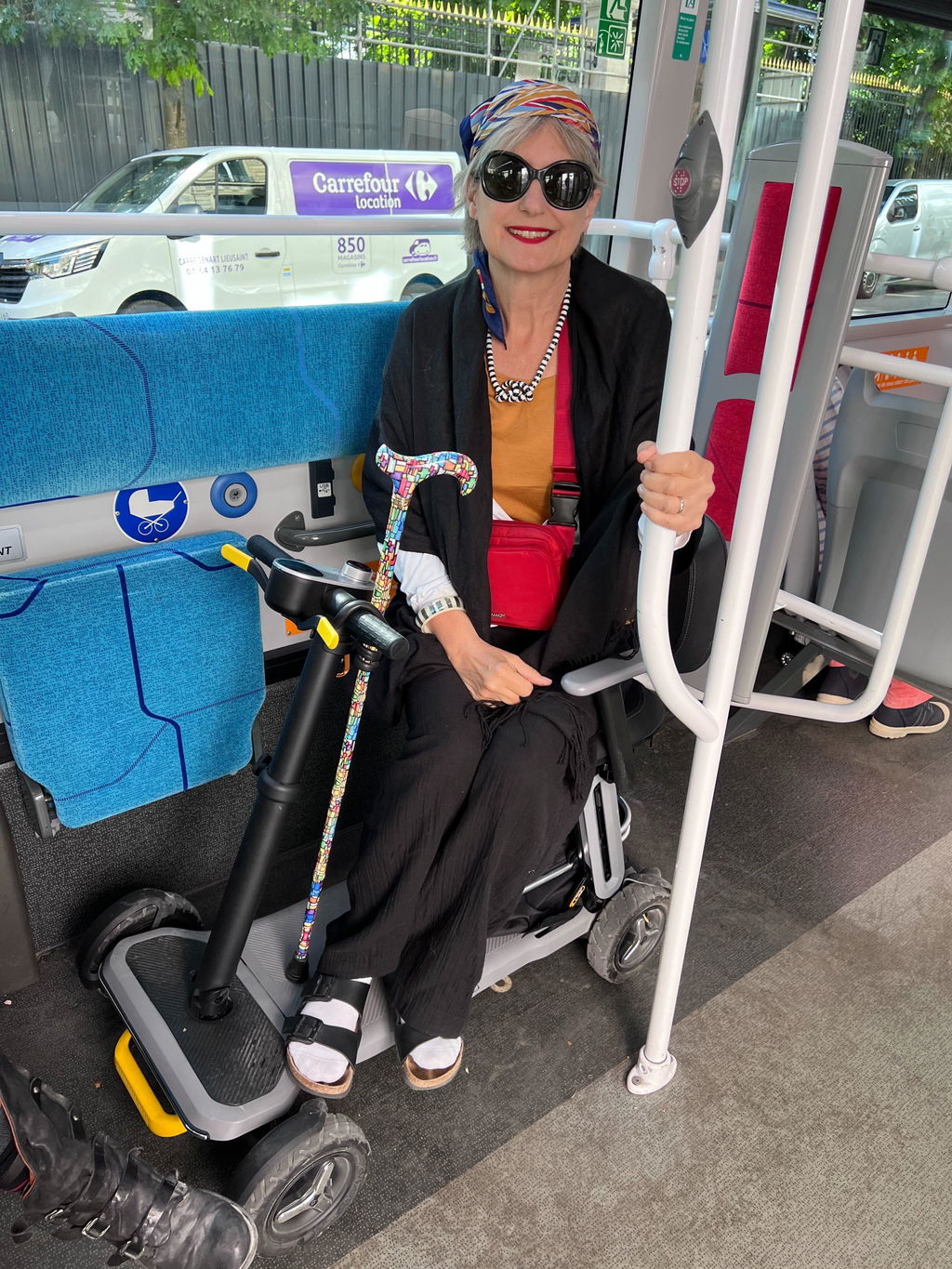
Public transit and air travel have strict rules for electric scooters. Fold your scooter compactly and carry it in a way that doesn't obstruct passengers—check your local transit authority for specific battery limits, as many ban lithium batteries over 100Wh. For air travel, pack the scooter in a sturdy case and remove the battery if required by the airline; most prohibit lithium batteries in cargo holds. Gas scooters generally can't fly due to fuel restrictions. Always prioritize safety: avoid exposing the scooter to extreme temperatures or moisture, which can damage batteries and electronics. If you're a frequent traveler, invest in a dedicated scooter carrier with padded clamps for consistent protection.
When transport fails: common mistakes and real damage
Transport often fails because users skip prep steps or choose the wrong method. Common mistakes include: not removing the battery (causing accidental activation), using weak straps that let the scooter shift, or placing heavy items on top that bend the frame. Expectation gaps happen when people assume all foldable scooters fit in trunks—some competitors' "foldable" models still exceed trunk depth, requiring seat folding. Misuse like lifting by handlebars damages internal wiring, while swinging the scooter excessively causes accidents. Environmental factors matter: moisture ruins electronics, extreme cold drains batteries faster, and unsecured ramps slide during loading. One user reported a $200 battery replacement after a scooter rolled free in a truck bed because straps weren't tightened properly.
Paiseec Expert Views
From our R&D team at Paiseec Mobility, transport safety hinges on design intent. Our lightweight foldable scooters incorporate a proprietary folding latch that locks securely in the folded position, eliminating stem wobble during transit—a frequent failure point in budget models. The "PAI" intelligent safety system includes a transport lock mode that disables motor engagement entirely, preventing accidental activation even if the power button is bumped. We've tested our 36V 12Ah lithium batteries against IATA air transport standards, confirming they meet most airline carry-on requirements when removed. For non-foldable units, our frame geometry includes reinforced strap points that distribute tension without cracking. Founder Roger's decade in electronics mobility taught us that 70% of transport damage stems from improper prep, not method choice. Always follow the manual's prep steps: battery removal, accessory removal, and loose-part securing. Our user manuals include step-by-step transport photos for each model, reflecting real-world testing across five continents.
How to optimize your transport setup for frequent use
If you transport your scooter regularly, invest in dedicated gear. A scooter-specific carrying bag with handles makes lifting effortless, while a folding cart lets you roll folded units to your destination. For car users, a trunk organizer with strap anchors keeps the scooter fixed without damaging interior surfaces. Roof racks with padded clamps and weather sealing protect against long-trip elements. Always double-check strap tightness before every drive, and store straps in a dry place to prevent wear. For frequent air travelers, get a hard-shell case with battery compartment approval from your airline. Paiseec Mobility's global reach includes partnerships with logistics providers who handle our scooters' transport, ensuring our design meets real shipping demands.
Frequently Asked Questions
Can I fly with an electric scooter?
Most airlines prohibit lithium batteries in cargo holds; you can fly with the scooter if you remove the battery and carry it separately in compliance with IATA limits (usually under 100Wh). Check your airline's specific policy before booking, as some ban all scooter batteries.
What's the safest way to secure a scooter in a truck bed?
Use a front wheel chock (like a 2x4) plus ratchet straps on handlebars and seat mount, attached to opposite tow hooks. Tighten straps fully but add padding between strap and frame to prevent scratches.
Do I need to remove the battery before car transport?
Yes—removing the battery reduces weight, prevents accidental activation, and eliminates fire risk if the scooter shifts. This is critical for lithium batteries in electric scooters.
Why did my scooter get damaged after trunk transport?
Most likely, it wasn't secured with straps, allowing it to shift and hit the trunk walls. Or heavy items were placed on top, bending the frame. Always strap folded scooters and avoid stacking.
How long does it take to prep a scooter for transport?
Prep takes 10–15 minutes: power off, battery removal, accessory removal, folding, and wrapping. Rushing this step causes most transport damage, so don't skip any part.
Leave a comment
This site is protected by hCaptcha and the hCaptcha Privacy Policy and Terms of Service apply.