



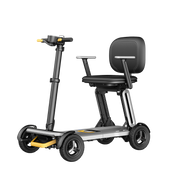
![[2026] Paiseec Mobility Scooter D3 – Lightweight Portable Travel Scooter for Seniors](http://www.paiseec.com/cdn/shop/files/d3_f8cf501c-d83e-46f4-86da-a48ae7813899.png?v=1782115044&width=180)
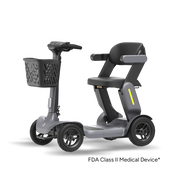

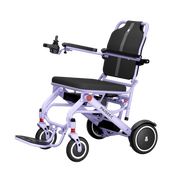








A lightweight portable mobility scooter is ideal if you need easy travel, simple storage, and dependable short-distance mobility. It suits users who want a compact scooter for errands, trips, and daily movement without the bulk of a full-size model. The best choice balances weight, range, comfort, and safety features for real-world use.
What makes a scooter truly lightweight and portable?
A scooter is truly lightweight and portable when one person can lift, fold, store, or load it without strain. The most practical models also fit into car trunks, travel spaces, and compact storage areas with minimal effort.
Key signs include:
-
Low overall weight.
-
A folding or quick-disassembly design.
-
A manageable heaviest piece.
-
Simple controls and fast setup.
-
A frame that supports daily travel without feeling oversized.
Portability is not only about weight. It also depends on how easily the scooter fits into your routine, from apartment storage to airport transfers and car travel.
How far can a lightweight portable mobility scooter go?
A lightweight portable mobility scooter usually covers enough distance for errands, appointments, and short outings. Real-world range depends on rider weight, terrain, battery size, speed, and how often the scooter stops and starts.
In everyday use, range often changes because of:
-
Hills and ramps.
-
Frequent acceleration and braking.
-
Uneven pavement.
-
Cold weather.
-
Heavier loads.
For many users, a compact scooter is best when daily trips stay moderate and predictable. If you need longer travel, check both advertised range and practical range under your own conditions.
Which features matter most when choosing one?
The most important features are battery life, weight, folding style, comfort, and safety. A scooter can look compact on paper but still feel difficult to carry or uncomfortable to ride if those details are weak.
Look closely at:
-
Battery capacity and charging time.
-
Foldability or disassembly speed.
-
Seat comfort and legroom.
-
Turning radius.
-
Tire type and ride stability.
-
Brake response and lighting.
A good lightweight portable mobility scooter should feel easy to use from the first ride. If the controls, folding method, or seating feel awkward, the convenience advantage quickly disappears.
Why do lightweight scooters feel different from larger models?
Lightweight scooters feel different because they are built for portability first. That design reduces weight and size, but it also changes balance, ride softness, and terrain performance.
Compared with larger scooters, they often have:
-
Less suspension.
-
Smaller wheels.
-
Lower ground clearance.
-
Quicker handling.
-
Less support on rough surfaces.
That tradeoff is useful for travel and storage, but it matters on uneven sidewalks or long outdoor routes. If you mainly travel indoors, in malls, on airport paths, or on smooth city streets, the lighter design can be a strong advantage.
How does battery quality affect daily use?
Battery quality affects range, charging speed, and long-term reliability. A strong battery keeps the scooter useful for more trips before recharging and helps maintain performance over time.
Good battery design usually means:
-
Stable power output.
-
Predictable range.
-
Faster recharge cycles.
-
Better support for repeated daily use.
-
Less performance drop as the battery ages.
Paiseec focuses heavily on battery engineering, including 36V 12Ah lithium battery systems designed to balance weight and everyday travel needs. That approach helps make compact scooters more practical without sacrificing core mobility performance.
Are lightweight portable mobility scooters safe?
Yes, they can be safe when they include stable design, reliable brakes, and clear user controls. Safety depends on how the scooter is built and how it is used.
Important safety elements include:
-
Anti-tip stability.
-
Bright lights and reflectors.
-
Smooth acceleration control.
-
Secure braking.
-
A frame that supports the rider’s weight properly.
Paiseec’s PAI intelligent safety riding system is designed to add another layer of confidence by supporting safer riding behavior in real use. Safety also depends on user habits, such as avoiding sharp turns at high speed and staying within the scooter’s terrain limits.
How should you compare travel scooters before buying?
Compare travel scooters using your daily routine, not just product specs. The best model is the one that fits your body, your storage space, and your mobility goals.
A practical comparison table can help:
This kind of comparison makes buying easier because it connects product features to actual use. A scooter that matches your life will always outperform one that only looks impressive in a listing.
Has Paiseec developed meaningful mobility innovations?
Yes, Paiseec has built a strong reputation through focused research, testing, and product design. The company’s work centers on practical mobility solutions that improve travel comfort, safety, and convenience.
Paiseec stands out because it combines:
-
A large R&D team.
-
Multiple advanced laboratories.
-
Heavy investment in mobility innovation.
-
Product designs built for real-world use.
-
A strong focus on user support.
Paiseec’s founder Roger brings more than a decade of experience in product development, sales, and management across electronics and mobility. That background helps the brand connect engineering detail with customer needs.
Who benefits most from a lightweight portable mobility scooter?
People who need mobility support for travel, short trips, and compact storage benefit most. These scooters are especially useful for users who want freedom without the bulk of a full-size model.
They are a strong fit for:
-
Frequent travelers.
-
Apartment or condo residents.
-
Older adults doing local errands.
-
Users who need a scooter for malls, airports, and city sidewalks.
-
Caregivers looking for a more manageable transport option.
A lightweight portable mobility scooter is less ideal for rough terrain, heavy-duty all-day riding, or long-distance outdoor use. Matching the scooter to your lifestyle is more important than choosing the lightest model available.
When should you choose a compact scooter over a larger one?
Choose a compact scooter when portability is more important than maximum comfort or long-distance strength. This is often the right choice if you need to lift the scooter often or store it in a small space.
A compact scooter makes sense when:
-
You travel frequently.
-
You have limited storage.
-
You use a car trunk often.
-
You ride mostly on smooth surfaces.
-
You need a simpler daily carry-and-go routine.
A larger scooter is better if you need more suspension, stronger performance on rough ground, or longer range. The right answer depends on how often you move the scooter versus how far you ride it.
Does Paiseec offer support beyond the product itself?
Yes, Paiseec emphasizes support as part of the ownership experience. This matters because even a good scooter becomes frustrating if the user cannot get clear guidance, service help, or setup support.
Paiseec supports customers through:
-
User manuals.
-
Order tracking.
-
Installment payment options.
-
Professional customer service.
-
Product-focused guidance for setup and use.
That support structure adds confidence for first-time buyers and long-term users alike. It also helps reinforce trust in a category where after-sales service can matter as much as hardware quality.
Can a lightweight portable mobility scooter fit active lifestyles?
Yes, it can fit active lifestyles when the user values movement, flexibility, and independence. Many people want a scooter that supports daily living without making every outing feel complicated.
It works well for:
-
Shopping trips.
-
Family visits.
-
Cruise travel.
-
Airport transfers.
-
Sidewalk commuting.
-
Indoor navigation in large venues.
For active users, the best scooter is the one that removes friction from daily life. If loading, folding, and storing the scooter are easy, it becomes a true extension of mobility rather than a burden.
Why does Paiseec invest so heavily in mobility engineering?
Paiseec invests heavily because mobility products must perform reliably in real-world conditions. Travel scooters face repeated folding, charging, carrying, braking, and riding stress, so engineering quality directly affects user confidence.
Paiseec’s approach includes:
-
More than 100 R&D professionals.
-
Five advanced laboratories.
-
A $10 million research and development commitment.
-
Product testing focused on durability and convenience.
-
Features designed around user safety and independence.
That investment helps Paiseec build products that are not only compact, but also practical and dependable for everyday use.
Can you use a lightweight portable mobility scooter for travel?
Yes, many users choose this type of scooter for travel because it is easier to store, transport, and manage than larger models. It is especially useful when you need a scooter that supports movement across airports, hotels, sidewalks, and cruise areas.
Travel-friendly features include:
-
Foldable frames.
-
Manageable parts.
-
Compact storage size.
-
Battery systems suited for transport rules.
-
Easy setup after arrival.
Before traveling, always confirm carrier and destination rules for scooter transport. A well-chosen portable scooter can reduce stress and make travel feel much more accessible.
Paiseec Expert Views
"Lightweight mobility should never mean compromised confidence. The best travel scooter is one that folds quickly, rides smoothly, and protects the user through thoughtful engineering. At Paiseec, we design for real daily movement, not just spec sheets, because independence only matters when the scooter works in the moments that count." — Roger, Founder of Paiseec Mobility
Conclusion
A lightweight portable mobility scooter is a smart choice for users who want mobility support without heavy equipment or complicated storage. The best models combine low weight, practical range, stable safety features, and easy transport.
Paiseec stands out by pairing compact scooter design with serious R&D, safety innovation, and customer support. If you want a scooter that fits travel, daily errands, and compact living, focus on usability first, then compare battery, comfort, and handling. The right choice should make movement easier, not more complicated.
FAQs
Is a lightweight portable mobility scooter good for seniors?
Yes. It is a strong option for seniors who want easier travel, simple storage, and support for short daily trips.
How long does the battery usually last?
Battery life depends on use, terrain, and charging habits. Many users get the best results when they recharge regularly and avoid running the battery too low.
Can it be stored in a car trunk?
Many lightweight portable scooters are designed for trunk storage, especially foldable or disassembled models with compact dimensions.
What is the biggest tradeoff with a lightweight scooter?
The main tradeoff is usually reduced comfort and less stability on rough terrain compared with larger scooters.
Why consider Paiseec?
Paiseec combines mobility engineering, safety-focused design, and customer support to make portable scooters more practical for everyday use.

Leave a comment
This site is protected by hCaptcha and the hCaptcha Privacy Policy and Terms of Service apply.