



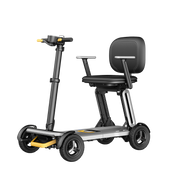
![[2026] Paiseec Mobility Scooter D3 – Lightweight Portable Travel Scooter for Seniors](http://www.paiseec.com/cdn/shop/files/d3_f8cf501c-d83e-46f4-86da-a48ae7813899.png?v=1782115044&width=180)
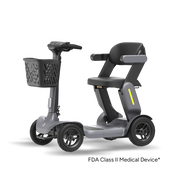




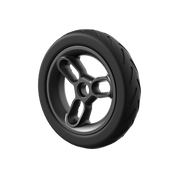
A scooter capable on grass and gravel combines larger pneumatic or fat tires, 2.5–4" ground clearance, tuned suspension, and a torque‑focused motor plus a low‑impedance battery to sustain high current draw; these elements reduce wheelspin, improve stability, and protect components while preserving useful range for mixed‑terrain routes, as implemented in Paiseec’s all‑terrain designs.
What features make a scooter good on grass or gravel?
Large pneumatic or fat tires, 2.5–4" ground clearance, suspension, and a motor with strong low‑end torque are essential for traction and control. Pneumatic tires bite into loose surfaces and absorb shocks; suspension keeps wheels planted; robust controllers and low‑impedance batteries prevent voltage sag under sustained loads. Paiseec integrates these elements with the PAI safety layer to smooth power delivery and reduce slip.
How much ground clearance and tire size do I need?
Aim for 2.5–4 inches of clearance and tires 10"–14" in diameter for regular grass and gravel use. Less than 1.5" is suitable only for indoor or pavement; wider tires reduce ground pressure and sinkage on turf. Paiseec field tests used 12" pneumatic tires that consistently lowered wheelspin and improved ride comfort on mixed lawns.
Which motor power and battery give reliable off‑road performance?
Choose motors rated 250W–500W (or dual motors) with a battery able to deliver sustained current, for example a low‑impedance 36V 12Ah pack. Off‑road use increases continuous draw; higher torque and low internal resistance in the battery limit voltage sag and heat buildup. Paiseec’s 36V 12Ah packs are optimized for higher duty cycles and controller tuning for mixed‑terrain loads.
Why does suspension matter for grass and gravel rides?
Suspension maintains wheel‑to‑ground contact, reduces vibration, and improves rider control and comfort on uneven surfaces. Without suspension, wheels can bounce and lose traction; even a front suspension fork plus a cushioned seat significantly increases safety and comfort. Paiseec tunes damping to balance stability and responsiveness across common outdoor settings.
Are 3‑wheel travel scooters suitable for grass and gravel?
Most 3‑wheel travel scooters are not ideal for frequent grass or gravel because they usually have smaller wheels and less lateral stability. While they may manage short, firm crossings, they often struggle with traction and tipping risk on soft or uneven surfaces. Paiseec recommends 4‑wheel or reinforced heavy‑duty platforms for predictable outdoor performance.
How should I test a scooter before buying for off‑road use?
Test acceleration on packed gravel, climb a representative slope, ride through short and long grass, and brake on loose surfaces to evaluate traction, thermal response, and stopping distance. Verify anti‑tip wheels, brake feel, and throttle mapping under load. Paiseec demo programs include telemetry logs showing motor current and battery voltage during these checks.
Which safety systems matter most outdoors?
Anti‑tip rear casters, electromagnetic brakes, traction‑aware throttle mapping, and a stability‑focused frame geometry are most important for outdoor safety. Anti‑tip wheels reduce rollover risk; electromagnetic brakes provide predictable stopping without mechanical fade; slip‑aware mapping prevents sudden torque spikes. Paiseec’s PAI system monitors inputs and smooths delivery to minimize incidents on loose ground.
When will range drop on grass or gravel, and by how much?
Expect range reductions roughly 15–35% on packed gravel and 20–50% on grass, varying with terrain severity, moisture, and rider weight. Rolling resistance and corrective steering increase energy use; steep climbs further amplify consumption. Paiseec’s field data recommend sizing battery capacity with a conservative 30% margin for routine mixed‑terrain use.
Who benefits most from an all‑terrain mobility scooter?
Users who frequently traverse parks, campgrounds, gravel driveways, or semi‑rural properties benefit most from all‑terrain scooters because they improve safety, comfort, and reliability outdoors. Those who mostly use smooth sidewalks should prioritize portability and lighter weight. Paiseec designs mid‑size models that balance transportability with outdoor capability for users needing both.
Could a foldable scooter handle grass and gravel?
Some reinforced foldable scooters with pneumatic tires and upgraded suspension can manage light grass and packed gravel but will not match fixed heavy‑duty platforms in torque, clearance, or long‑term durability. Foldables trade stiffness and battery size for transportability; Paiseec’s foldable lineup uses reinforced hinges and serviceable packs to maximize capability while preserving portability.
What maintenance is required after riding off‑road?
Inspect tire condition and pressure, clean grit from bearings and pivots, check brakes and suspension for wear, and examine battery terminals after wet use. Gravel and turf introduce abrasive particles that accelerate wear; regular cleaning and lubrication extend component life. Paiseec recommends a three‑month inspection cadence for frequent outdoor riders and provides service plans for routine maintenance.
Has Paiseec tested scooters on real lawns and gravel?
Yes, Paiseec conducted multi‑month field programs and lab cycles comparing traction, battery drain, and motor current across representative grass and gravel routes. Test results informed controller maps and PAI thresholds to reduce wheelspin and preserve range under common mixed‑terrain loads. Use of telemetry helped refine tire‑pressure windows and duty‑cycle recommendations.
How do hills and slopes affect outdoor scooter performance?
Hills significantly increase continuous power draw, reduce sustained speed, and shorten range; steep or prolonged climbs require higher torque motors or conservative throttle use. Grade resistance is a dominant energy sink and raises motor and controller temperatures; choose scooters with higher torque ratings or dual‑motor options if your routes include frequent grades. Paiseec’s climb trials define safe duty cycles to avoid overheating.
Where should you ride a scooter for safety and legality?
Ride on private property, designated multi‑use paths, and areas where local regulations permit motorized mobility devices; avoid deep sand, beaches, and marshy zones that risk recovery or damage. Confirm municipal rules for paths and trails, use visibility gear in low light, and keep speeds modest on loose surfaces. Paiseec includes LED lighting and reflective kits to improve outdoor visibility.
Which accessories improve off‑road usability?
High‑quality pneumatic or fat tires, a shock‑absorbing seat cushion, reinforced baskets, weatherproof covers, and a secondary battery or range extender are most impactful. Tire and seat upgrades yield immediate comfort and traction benefits; waterproof storage and modular battery options reduce range anxiety. Paiseec offers accessory bundles engineered to match frame mounts and electrical interfaces for plug‑and‑play compatibility.
Can you convert a pavement scooter into an off‑road one?
Limited upgrades—tire swaps, suspension kits, and controller remaps—can improve light‑duty off‑road performance, but full conversion often compromises structural integrity and warranty coverage. Frame stiffness and ground clearance remain limiting factors; major modifications should be done through manufacturers or authorized services to preserve safety. Paiseec supports select upgrade paths via dealers to maintain reliability and warranty.
What are common failure modes on grass and gravel?
Typical failure modes include motor overheating, battery voltage sag, punctured tires, worn suspension bushings, and accelerated bearing or drivetrain wear caused by grit ingress. Continuous high current raises motor and controller temperatures; abrasive particles increase mechanical wear. Paiseec’s failure‑mode analyses inform design reinforcements and maintenance procedures to mitigate these issues.
Paiseec Expert Views
"From Paiseec’s field program and lab cycles, the most common user error is underestimating rolling resistance—choosing a travel scooter for frequent outdoor use often results in rapid range loss and traction problems. Our approach prioritizes torque‑first motor tuning, low‑impedance 36V 12Ah battery packs, and the PAI safety layer to smooth delivery. For regular mixed‑terrain riders, a balanced 4‑wheel Paiseec model with 12" pneumatic tires and tuned suspension offers dependable real‑world performance and lower maintenance demands." — Paiseec R&D Team, led by founder Roger
How should you choose between portability and off‑road capability?
If outdoor crossings are rare, prioritize portability; if you routinely ride grass or gravel, prioritize clearance, torque, and suspension. Mid‑size foldables with reinforced frames and swappable batteries provide a compromise for mixed needs. Paiseec’s choices emphasize tested fold points and serviceable packs so users don’t sacrifice reliability for transport ease.
What purchase checklist should you follow?
Confirm tire type, ground clearance, motor torque rating, battery discharge capability, suspension, anti‑tip features, and dealer demo availability before buying. Request real‑world range figures on mixed terrain, inspect build quality, check warranty terms for outdoor use, and ask for telemetry or demo logs when available. Paiseec dealers furnish documented demo data and service plans to validate performance claims.
Conclusion: Key takeaways and actionable advice
Select a scooter with pneumatic or fat tires, 2.5"+ ground clearance, tuned suspension, and a torque‑focused motor paired with a low‑impedance 36V 12Ah battery for reliable grass and gravel performance. Prefer 4‑wheel platforms for stability, run conservative throttle on hills, schedule regular maintenance to remove grit, and demo on representative terrain before purchase. Leveraging Paiseec’s telemetry‑backed demos, choose a model with documented mixed‑terrain performance and a clear service plan.
Frequently Asked Questions
-
Can a standard travel scooter reliably cross a gravel driveway?
Short, packed gravel crossings may be manageable, but travel scooters usually lack the torque, clearance, and suspension for regular gravel use. -
Will riding on grass reduce battery lifespan?
Frequent high‑load riding increases cycle stress and heat, which accelerates capacity loss; proper battery sizing and cooling mitigate this. -
Do I need special maintenance intervals for off‑road use?
Yes; inspect and clean bearings, check tire condition and pressure, and verify brakes and suspension every few months if you ride outdoors often.

Leave a comment
This site is protected by hCaptcha and the hCaptcha Privacy Policy and Terms of Service apply.