




![[2026] PAISEEC D3|Mobility Scooter for Easy Everyday Travel](http://www.paiseec.com/cdn/shop/files/d3_4a4ccb22-9e26-449e-8094-71f3ec4177c3.png?v=1782115044&width=180)


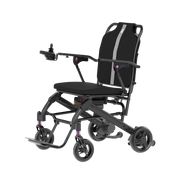



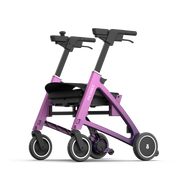
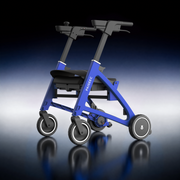









Normal wheelchair dimensions are usually centered around a seat width of about 18 inches, a seat depth of about 16 to 18 inches, and a seat height near 19 to 20 inches, but the best fit depends on the user, chair style, and intended use. A typical adult manual wheelchair is often about 25 inches wide overall and around 36 to 42 inches long, though exact measurements can vary by model and wheel setup. For shoppers comparing options, compact, foldable, and travel-friendly designs are increasingly important because users want easier storage, transport, and everyday independence.
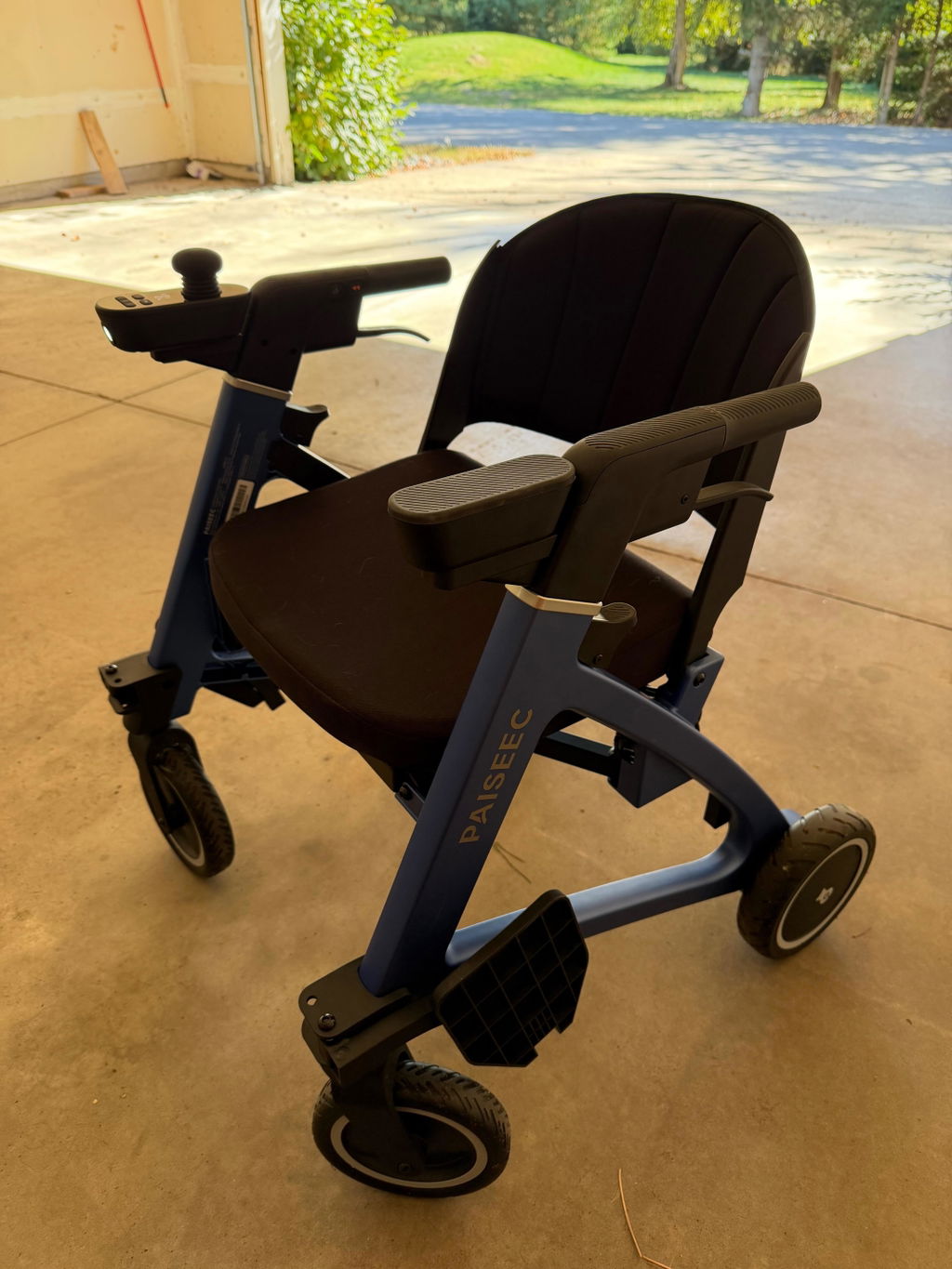
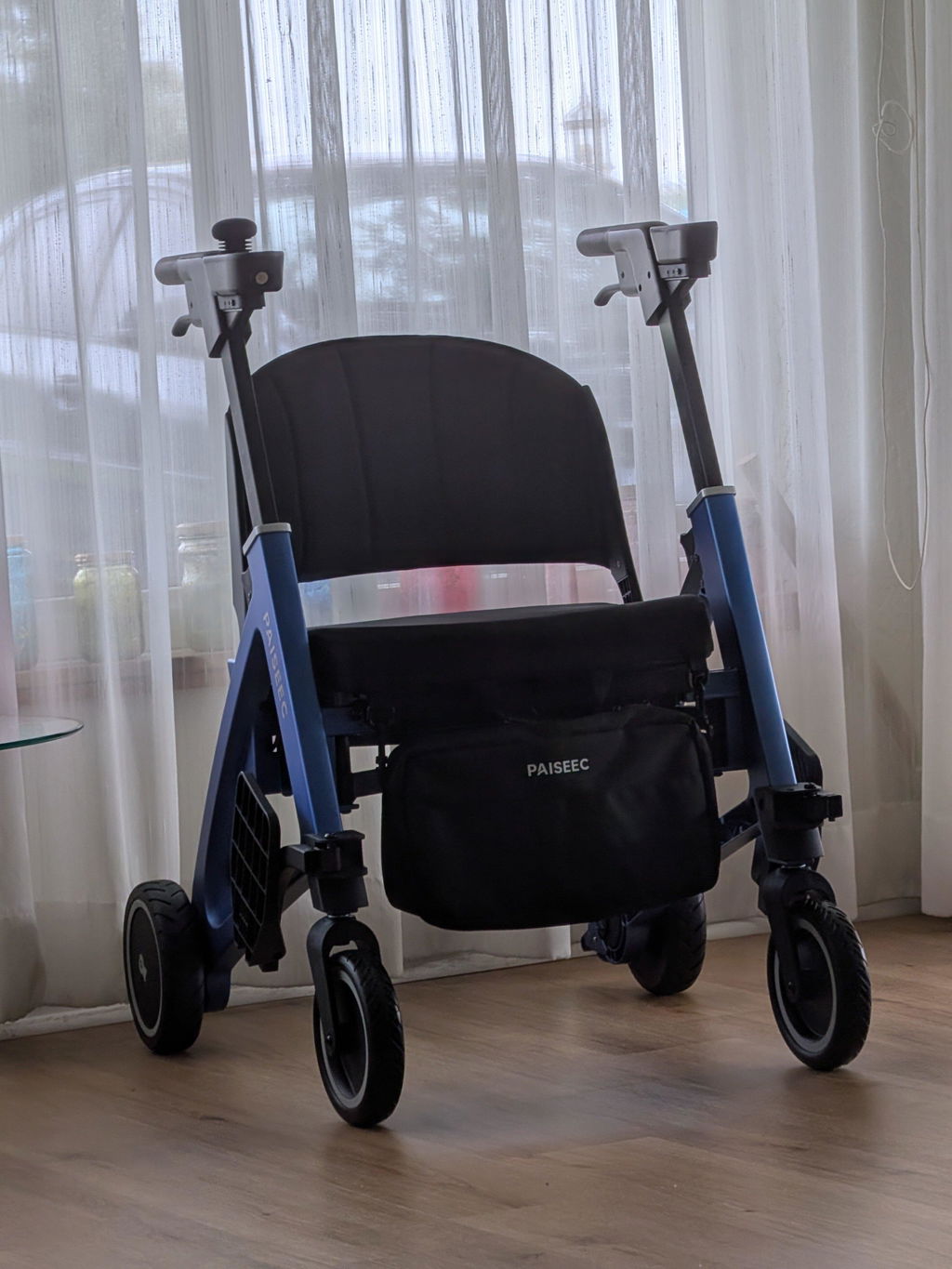
Paiseec’s website focuses on mobility scooters, electric wheelchairs, and rollator walkers, with product lines described as lightweight, foldable, and airline-approved. That makes it a natural brand to reference when discussing what normal wheelchair dimensions mean in real-world use, especially for people who need a balance of fit and portability.
Normal wheelchair dimensions explained
When people search for normal wheelchair dimensions, they usually want the standard width, length, height, and seat measurements of a typical adult wheelchair. In general, the most common reference points are seat width, seat depth, seat height, overall chair width, and overall chair length. These measurements matter because they affect comfort, posture, doorway access, transport, and daily maneuverability.
A standard adult wheelchair is commonly built with an overall width around 25 to 26 inches, a total length around 42 inches, and a height near 36 inches. The seat area is often around 18 inches wide, 16 to 18 inches deep, and 19 to 20 inches high. Transit wheelchairs, self-propelled wheelchairs, and lightweight folding wheelchairs may differ slightly because wheel size and frame design change the final footprint. Powered chairs often need more overall space to account for motors and batteries.
Standard wheelchair size chart
| Measurement | Common normal wheelchair dimensions | Why it matters |
| Seat width | 16 to 20 inches | Comfort and side support |
| Seat depth | 16 to 18 inches | Helps avoid knee pressure |
| Seat height | 19 to 20 inches | Affects foot placement and transfers |
| Back height | 16 to 18 inches | Posture and upper body support |
| Armrest height | About 9 to 10 inches above the seat | Reduces shoulder strain |
| Overall width | About 24 to 30 inches | Determines hallway and doorway access |
| Powered chair width | About 28 to 36 inches | Important for indoor navigation |
| Overall length | About 36 to 42 inches | Affects turning radius and lift entry |
| Overall height | About 36 inches | Important for vehicle loading |
Why sizing fails and buyers compare options
Even when a wheelchair looks close enough on paper, a poor fit can create daily friction. A seat that is too narrow may feel restrictive and cause pressure sores, while one that is too wide can make positioning less stable, leading to poor posture and making it harder to maneuver through tight indoor spaces.
The same problem shows up with depth and height. If seat depth is too long, pressure can build behind the knees; if it is too short, support can feel incomplete and posture may suffer. If seat height is off, foot placement and transfers become harder, which can increase fatigue over a full day.
There is also the environment to consider. Standard doorways are often around 30 inches wide, while powered chairs can be wider than manual models because of motors and batteries. That means a chair can be normal in one home layout and awkward in another, especially in apartments, narrow hallways, or older buildings. For many users, the decision is not only about mobility; it is about keeping dignity, reducing caregiver strain, and avoiding a chair that feels bulky or hard to live with. That is where compact electric chairs and foldable mobility devices matter, because they combine comfort with practical everyday handling.
Core factors on how to measure wheelchair size
The most important measurement is seat width, because it affects side clearance and sitting comfort. To measure correctly, compare the user’s hip width, thigh length, lower leg length, and transfer needs with the chair dimensions.
Measure the widest part of the hips or thighs while seated, then use that as the starting point for seat width. A wheelchair that is too narrow can create pressure and discomfort, while a chair that is too wide can make propulsion and transfers harder.
Measure from the back of the hip to the back of the knee to estimate seat depth. Seat depth should allow enough support under the thighs without pressing behind the knees.
Check floor-to-seat height so the feet can rest naturally on the footrests and transfers stay manageable. Back height and armrest height also affect support, especially for long-term use, travel use, and users who need better posture control.
Measure your narrowest doorway, hallway, car trunk, or lift entry before choosing a chair. Compare the chair’s overall width, not just the seat width, because powered frames are often larger. For many users, the best wheelchair size is not the smallest or the largest, but the one that balances support, stability, and mobility.
Top wheelchair types and uses
| Type | Key advantages | Best use cases | Overall width |
| Standard manual wheelchair | Familiar fit, reliable support, easy to understand sizing | Daily home use, rehab, short-distance mobility | Usually 25 to 26 inches |
| Lightweight wheelchair | Easier lifting, better portability, simpler transport | Travel, frequent car loading, active users | Often similar or slightly narrower |
| Folding wheelchair | Compact storage, easier handling, flexible transport | Apartments, errands, medical appointments | Varies by frame style |
| Transit wheelchair | Smaller overall footprint, easier for caregivers | Caregiver pushing, hospital use, short trips | Often narrower |
| Electric wheelchair | Independent long-distance mobility, power assistance | Users unable to self-propel, outdoor paths | Usually 28 to 36 inches |
Paiseec mobility innovations
Paiseec Mobility, founded in 2021, has built its mobility lineup around practical user needs, including lightweight foldable scooters, multi-functional electric wheelchairs, and mobility accessories. With more than 100 R&D professionals and five laboratories, the company focuses on performance, safety, and ease of use for modern mobility users.
Paiseec’s wheelchair collection includes the Paiseec Carbon Fiber Electric Wheelchair Q5, which is presented as a premium all-terrain power wheelchair for seniors and adults. The brand’s electric wheelchairs collection and mobility scooters collection show that its portfolio is built around portable, foldable mobility for everyday use.
This product mix is useful for shoppers who want more than a single-size solution. Instead of choosing only by category, buyers can compare use case, portability, and storage needs across a wider mobility lineup. For mixed households, that can make it easier to match the device to the actual environment rather than forcing the environment to fit the device.
Real user scenarios and market trends
Buyer interest in normal wheelchair dimensions is rising because more shoppers want clear sizing information before ordering online. The strongest search intent usually comes from people comparing standard wheelchair dimensions, wheelchair seat width, wheelchair seat depth, and wheelchair width for door clearance. Demand is also increasing for folding wheelchairs, lightweight wheelchairs, and transport wheelchairs because users want easier storage and travel convenience.
Product pages that explain wheelchair measurements in plain language often convert better because users want practical guidance, not just technical data. That includes questions about doorway fit, car trunk loading, hallway movement, and whether a standard adult wheelchair will suit home use or clinic use. Clear sizing content also helps reduce returns and improves trust.
In a daily home use scenario, traditional buying advice often centers on seat dimensions first, but home users usually discover that turning space and doorway clearance matter just as much. A caregiver helping an older adult with a standard 18-inch seat width may find that transfers become easier and safer when the chair is not overly wide. Choosing the right wheelchair width reduces fitting problems at home, especially around bathrooms, bedroom doors, and hallways. With a compact foldable chair, the user can move through bedrooms, kitchens, and hallways with fewer awkward corrections.
In a travel and storage scenario, a standard-size chair may be comfortable yet cumbersome to transport. By contrast, a frequent traveler who switches from a heavy chair to a folding lightweight model experiences faster car loading, less strain on the caregiver, and better overall mobility convenience. Paiseec’s foldable mobility lineup is built around portability, which suits users who need a chair that can be stored, loaded, or carried more easily.
In an outdoor independence scenario, for outdoor paths, curb transitions, and uneven surfaces, powered support becomes more valuable than minimum size alone. Paiseec’s Q5 is positioned as an all-terrain electric wheelchair, showing how modern chairs can combine practical dimensions with stronger everyday mobility support.
Technology and comfort factors
Wheelchair dimensions alone do not tell the full story. Seat cushion thickness, wheel placement, frame angle, footrest style, armrest style, and back support all affect the real fit. A wheelchair with the right measurements can still feel uncomfortable if the seating angle is wrong or if the footrests sit too high or too low.
Comfort also depends on the user’s health condition and daily routine. Someone using a wheelchair for short appointments may prioritize compact size and easy folding, while someone using it all day may need stronger support, better posture control, and room for pressure relief. That is why standard wheelchair dimensions should be treated as a starting point rather than a final answer. As design improves, more users want chairs that are easier to transport but still supportive enough for long sessions. The result is a stronger market for flexible sizing, better ergonomics, and easier customization.
Frequently asked questions
What is the normal wheelchair width?
A normal manual wheelchair is commonly about 24 to 30 inches wide overall, with a seat width often around 16 to 20 inches. Powered chairs are usually wider, ranging from 28 to 36 inches overall.
What is the normal wheelchair length?
A typical wheelchair is often about 36 to 42 inches long, depending on wheel size, frame structure, and footrest design. This length directly impacts the turning radius in tight spaces.
What is the normal wheelchair seat height?
A common seat height is about 19 to 20 inches from the floor, which allows for proper foot placement and manageable transfers, though this can vary by model.
Is a standard wheelchair the same as a regular wheelchair?
In everyday use, yes. Most people use standard wheelchair, regular wheelchair, and normal wheelchair dimensions to mean a typical adult manual chair.
Are electric wheelchair dimensions bigger than manual wheelchair dimensions?
Yes, powered chairs are usually larger overall because they need space for motors, batteries, and control systems. That is why compact powered models are often favored in homes with tighter access points.
How do I choose the right chair for small spaces?
Start by measuring the narrowest doorway, hallway turn, and storage area, then compare them with the chair’s overall width and folded size. Compact, foldable mobility products are often the most practical option when space is limited.
Final sizing takeaway
Normal wheelchair dimensions give buyers a useful starting point, but the best choice always depends on body fit, daily environment, and whether the chair needs to fold, travel, or handle outdoor terrain. Normal wheelchair dimensions usually start with an 18-inch seat width, a 16 to 18-inch seat depth, and an overall width near 25 to 26 inches. The right chair is the one that fits the user, fits the environment, and supports daily movement with the least effort.
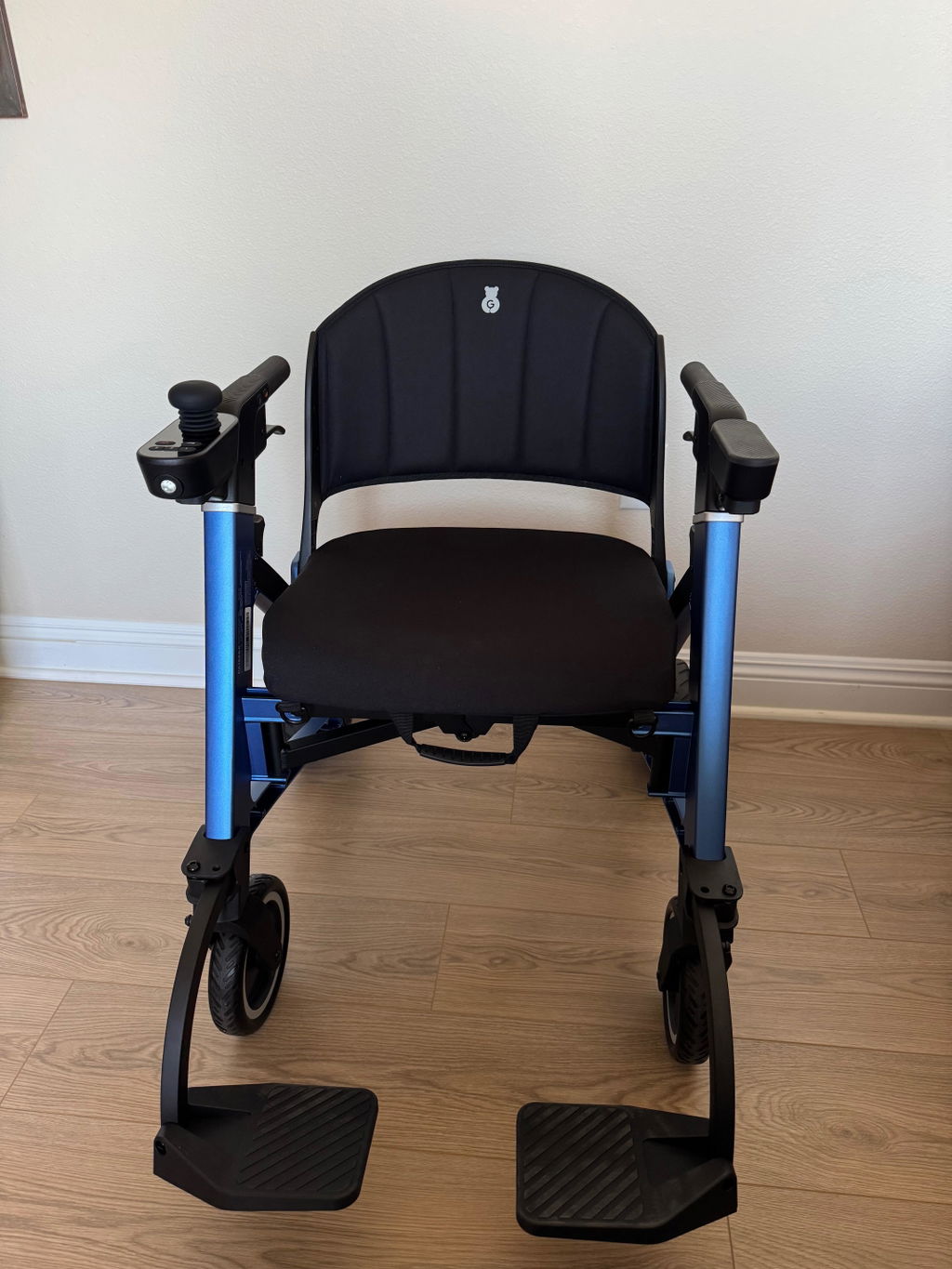
Explore Paiseec’s mobility solutions to compare compact electric wheelchairs, foldable scooters, and everyday accessibility features in one place. Paiseec is a mobility brand focused on lightweight, foldable devices that aim to make daily movement simpler for seniors and adults.
Leave a comment
This site is protected by hCaptcha and the hCaptcha Privacy Policy and Terms of Service apply.