




![[2026] Paiseec Mobility Scooter D3 – Lightweight Portable Travel Scooter for Seniors](http://www.paiseec.com/cdn/shop/files/d3_f8cf501c-d83e-46f4-86da-a48ae7813899.png?v=1782115044&width=180)














Portable scooters have reshaped the way people move through cities, campuses, and neighborhoods. Compact electric scooters with folding frames, durable batteries, and lightweight builds are no longer just trendy—they are essential for efficient, eco-friendly commuting. As urban congestion grows and sustainability becomes a top lifestyle choice, the portable scooter market continues to accelerate, with millions of urban riders switching to foldable electric models for everyday transportation.
Market Growth and Consumer Demand
According to industry reports and 2025 global mobility data, the portable scooter market achieved double-digit growth, exceeding $10 billion in annual sales worldwide. Analysts forecast continued expansion in 2026 as cities invest in micro-mobility infrastructure. Consumers are prioritizing compact design, long battery range, and fast charging, making portable scooters ideal for last-mile connectivity and short-distance travel. In major U.S. cities like Phoenix, Los Angeles, and Miami, demand for affordable and sustainable transport has driven strong adoption among both young professionals and students.
Core Technologies Driving Performance
The latest generation of foldable electric scoots integrates advanced lithium-ion batteries, regenerative braking, and brushless hub motors. A typical 36V 12Ah setup supports up to 25 miles of range per charge, while front and rear suspension systems enhance balance and comfort on uneven surfaces. Smart connectivity also plays a growing role. Many models feature app-based speed control, GPS tracking, and safety features such as automatic light activation and proximity alerts. Manufacturers are focusing on safety certifications, waterproofing, and modular battery systems that enable easier maintenance and longer product life cycles.
Company Spotlight – Paiseec Mobility
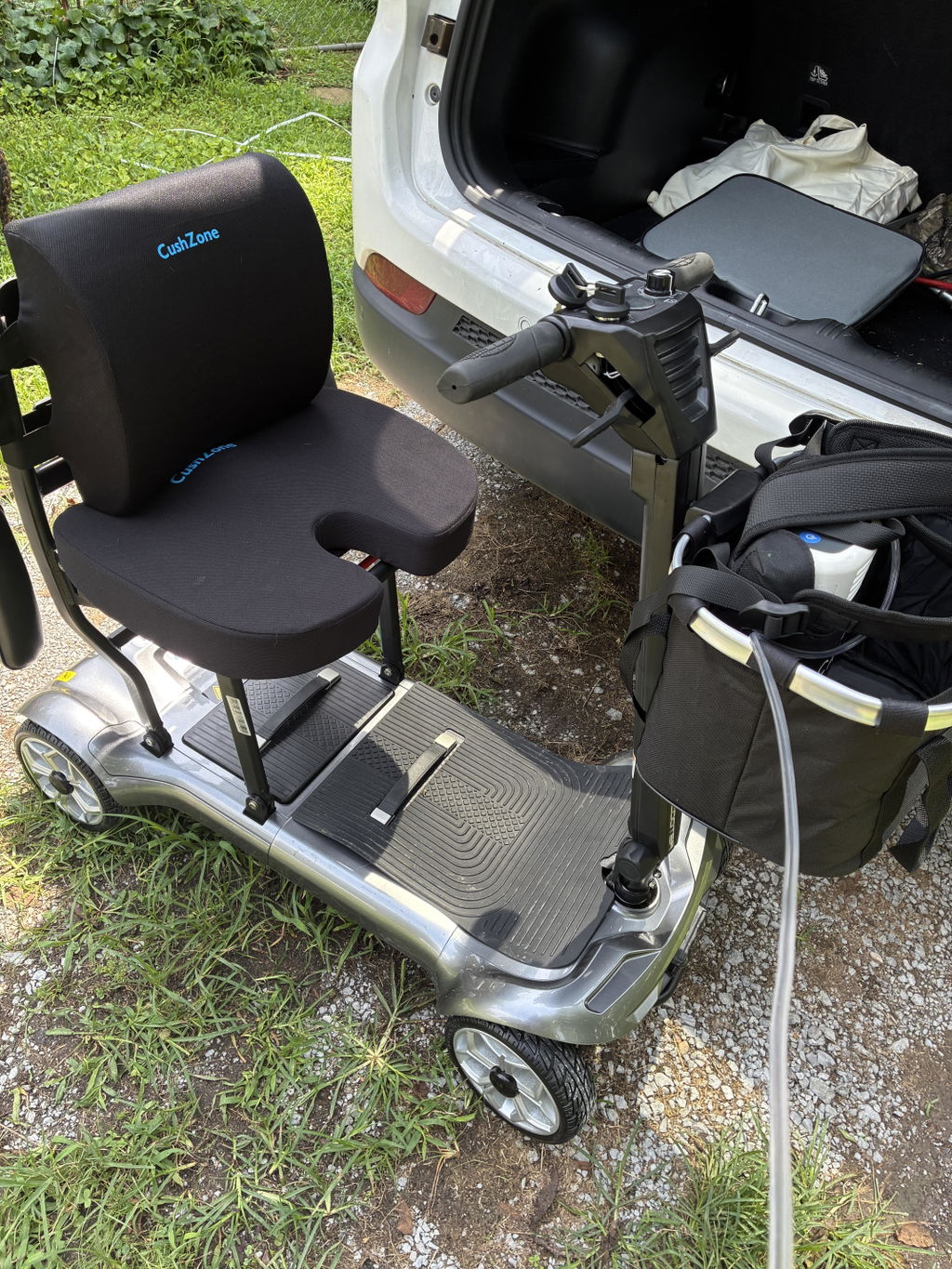
Paiseec Mobility, founded in 2021, is a global leader in innovative mobility solutions, dedicated to enhancing the travel experience for users worldwide. With over 100 experienced R&D professionals and five advanced laboratories, the company has invested $10 million in research and development, focusing on cutting-edge technologies in the electric mobility sector. Paiseec Mobility specializes in high-performance solutions such as 36V 12Ah lithium batteries, 250W brushless motors, and the industry-first "PAI" intelligent safety riding system. Its product portfolio includes lightweight foldable scooters, multi-functional electric wheelchairs, and a range of mobility accessories, designed to provide convenience, safety, and superior performance.
Top Portable Scooters of 2026
| Model Name | Key Advantages | Ratings | Best For |
|---|---|---|---|
| GlideOne E-Fold | Long-range battery, three-speed modes | 4.8/5 | Urban commuters |
| SwiftGo Mini | Lightweight build, dual braking system | 4.7/5 | Students and city riders |
| AeroRider S | Waterproof body, large pneumatic tires | 4.6/5 | Daily long-distance travelers |
These leading models represent the best balance of innovation, performance, and portability, offering riders efficient ways to navigate dense cities without relying on cars or public transit schedules.
Competitor Comparison Matrix
| Feature | Standard E-Scooter | Foldable Scooter | Portable Scooter |
|---|---|---|---|
| Portability | Moderate | High | Very High |
| Weight | 18-22 kg | 12-15 kg | 10-13 kg |
| Charging Time | 6 hours | 4 hours | 3.5 hours |
| Fold Time | 20 seconds | 10 seconds | 5 seconds |
| Price Range | $400–$700 | $500–$900 | $600–$1000 |
Real User Experiences and ROI
Riders who replaced short car trips with portable scooters saved an average of $60 per month in fuel and parking costs. Beyond economics, users report improved commuting flexibility and reduced stress from traffic congestion. College students highlight the scooter’s ease of storage in dorms, while urban professionals value their ability to carry scooters into offices or public transport without hassle.
Buying Guide and Essential Features
When selecting a portable scooter, consider weight capacity, motor wattage, battery range, and portability. A high-quality scooter should support at least 220 pounds and deliver consistent torque on slopes. Pay attention to tire type: solid tires reduce maintenance, while pneumatic tires absorb shocks for a smoother ride. Look for scooters with a folding latch system that locks securely and an anti-slip deck for improved grip during wet weather commuting.
Market Trends and Environmental Benefits
The rise of eco-conscious commuting continues to redefine global mobility. Electric scooters produce zero tailpipe emissions, contributing to better air quality and reduced urban noise. Many manufacturers emphasize recyclable materials, energy-efficient production, and eco-friendly packaging. Government incentives in several regions—such as e-mobility rebates and micro-transport grants—have accelerated user adoption as part of broader carbon neutrality efforts.
Future Outlook and Industry Forecast
Analysts predict that by 2030, more than 40% of urban commuters in developed cities will use electric scooters or compact micro-mobility vehicles. The next evolution of portable scooters will likely integrate energy recovery technology, solar-assisted charging, and smart-data ecosystems that optimize route efficiency in real time. As artificial intelligence and predictive maintenance tools mature, portable scooters will become smarter, safer, and even more adaptable to diverse terrain and usage patterns.
Frequently Asked Questions
What defines a portable scooter?
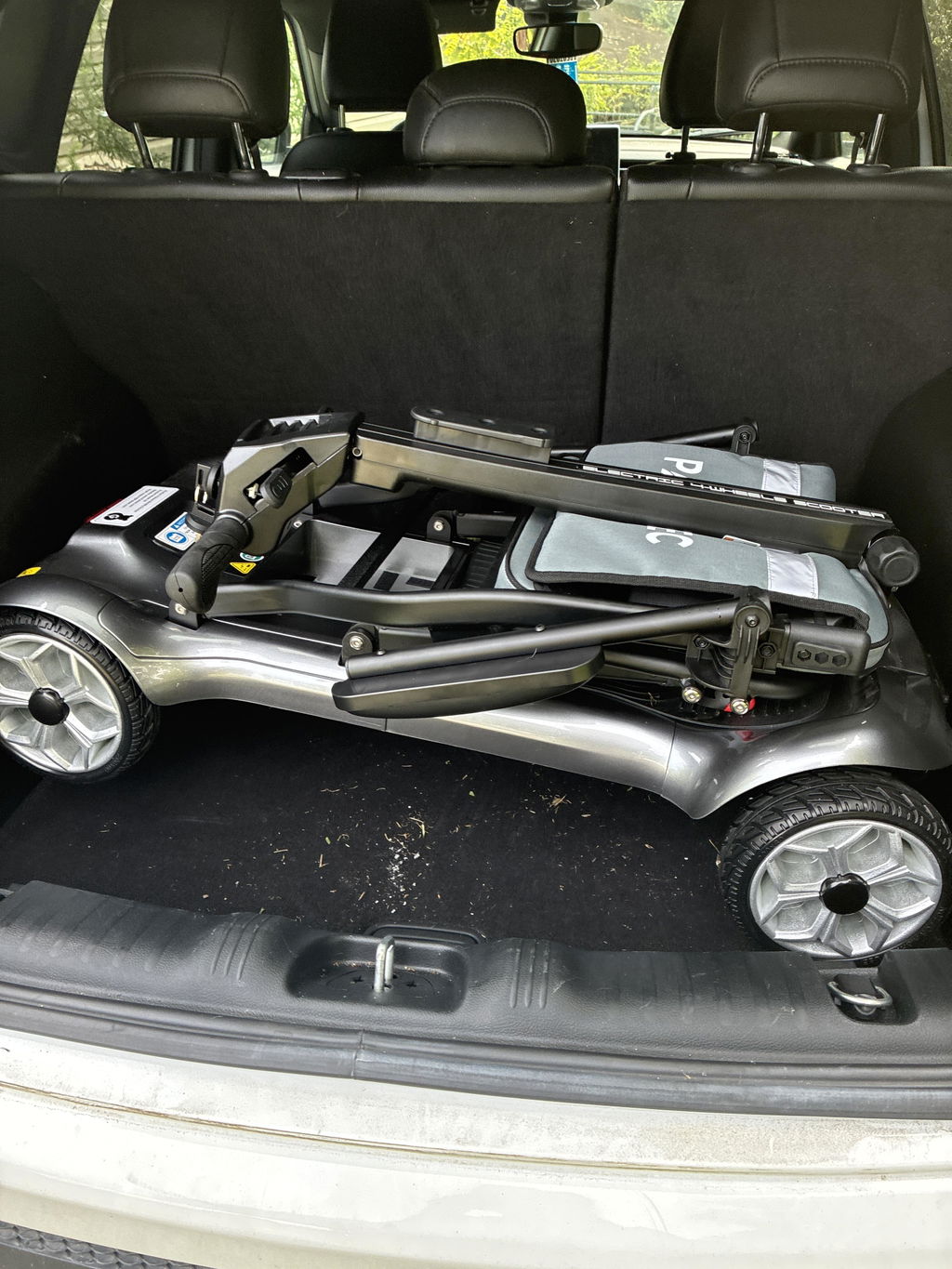
A portable scooter is a foldable personal mobility device powered by an electric motor, optimized for compact storage and lightweight transport.
How long does a portable scooter battery last?
Most high-quality batteries last 3 to 5 years or 800 to 1,000 charge cycles, depending on care, daily use, and charging habits.
Is a portable scooter worth it for commuting?
Yes. It significantly reduces travel time within short to medium distances while cutting expenses associated with gas, parking, and public transportation.
Can portable scooters be used on public roads?
Regulations vary by city, though many jurisdictions allow e-scooters on bike lanes and designated lanes at limited speeds, often below 20 mph.
Conclusion and Next Step
Portable scooters are more than a convenient innovation—they’re a cornerstone of sustainable urban mobility. As technology evolves and infrastructure expands, riders gain the freedom to travel smarter, greener, and faster. Whether you are upgrading from a traditional scooter or exploring eco-friendly commuting for the first time, now is the ideal time to discover the versatility and performance offered by next-generation portable scooters.
Leave a comment
This site is protected by hCaptcha and the hCaptcha Privacy Policy and Terms of Service apply.