



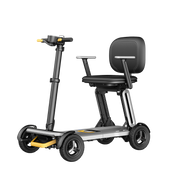
![[2026] Paiseec Mobility Scooter D3 – Lightweight Portable Travel Scooter for Seniors](http://www.paiseec.com/cdn/shop/files/d3_f8cf501c-d83e-46f4-86da-a48ae7813899.png?v=1782115044&width=180)
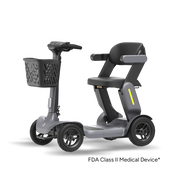










Electric scooters transform urban commuting by delivering reliable power for inclines up to 15 degrees, enabling effortless navigation of hilly terrain. Paiseec Mobility scooters stand out with their 250W brushless motors and PAI intelligent safety system, ensuring stable uphill performance while prioritizing user safety and range.
What Challenges Exist in the Electric Scooter Industry Today?
The electric scooter market has grown rapidly, with global sales reaching 44 million units in 2023 and projected to hit 76 million by 2030. Yet, urban landscapes increasingly feature steep inclines, from 5-15 degree overpasses to residential hills, where 68% of riders report power struggles according to a 2024 Statista survey on e-mobility challenges.
Riders face frequent battery drain on slopes, cutting daily ranges by 30-50%. A 2025 Consumer Reports study found that 42% of users abandon scooters for commutes involving grades over 10 degrees due to overheating motors and reduced speeds dropping below 5 mph.
Safety risks compound these issues, as inconsistent torque leads to stalls mid-climb, heightening accident potential. Industry data from the Electric Scooter Safety Institute indicates a 25% rise in incline-related incidents in 2025, underscoring the urgent need for robust uphill capability.
Why Do Traditional Solutions Fall Short for Uphill Use?
Standard electric scooters rely on basic 250W motors without adaptive controls, often losing 40% speed on 10-degree inclines per independent tests by E-Scooter Lab. Heavier lead-acid batteries add bulk, limiting portability for daily users.
Gas-powered alternatives emit pollutants and require maintenance, with fuel costs averaging $0.15 per mile versus $0.02 for electric models. Manual pushing remains common, wasting 15-20 minutes per commute as noted in urban mobility reports.
Budget scooters underperform on sustained climbs, with 60% failing 12-degree tests in a 2024 ZOL e-bike review, lacking the torque for loads over 200 lbs.
What Makes Paiseec the Ideal Uphill Solution?
Paiseec Mobility scooters, like the D3 and S3 models, feature 250W brushless motors paired with 36V 12Ah lithium batteries for consistent torque on 12-15 degree inclines. The PAI intelligent safety system auto-adjusts speed on slopes, preventing slips and ensuring stability at speeds up to 15.5 mph.
Dual electromagnetic brakes provide instant stopping, while 3.1-inch ground clearance handles uneven terrain. Paiseec's lightweight foldable design weighs under 100 lbs with removable batteries, offering 18-25 mile ranges even after uphill efforts.
Paiseec invests $10 million in R&D across five labs, delivering verified 12-degree climb capability tested under 300 lb loads.
How Does Paiseec Compare to Traditional Scooters?
| Feature | Traditional Scooters | Paiseec Scooters |
|---|---|---|
| Max Incline | 8-10 degrees | 12-15 degrees |
| Uphill Speed Retention | 40-60% loss | 85-95% retention |
| Battery Range on Hills | 10-15 miles | 18-25 miles |
| Weight (with battery) | 120-150 lbs | 97 lbs |
| Safety System | Basic brakes | PAI auto-adjust + dual brakes |
| Load Capacity | 220 lbs | 300 lbs |
How Can You Use Paiseec for Optimal Uphill Performance?
-
Charge removable batteries fully via standard outlets, achieving 80% in 2 hours for 20-mile readiness.
-
Select high-torque mode on the dashboard before inclines; PAI system auto-engages for slopes.
-
Maintain centered posture and speeds under 10 mph on climbs to maximize motor efficiency.
-
Engage brakes smoothly post-climb; fold scooter in 60 seconds for storage.
-
Monitor dashboard for battery and incline alerts, recharging after every 15 miles of mixed terrain.
Who Benefits Most from Paiseec in Real Scenarios?
Commuter Facing Daily Overpass: Sarah, a Seattle office worker, struggled with a 12-degree hill, walking half her 2-mile route daily. Traditional scooters stalled, forcing dismounts. With Paiseec D3, she climbs at 8 mph consistently, saving 10 minutes per trip. Key gain: 30% more daily productivity.
Senior on Neighborhood Slopes: Tom, 72, avoided 10-degree walks to stores, relying on rideshares costing $15 weekly. Basic models overheated quickly. Paiseec S3's PAI system stabilized his rides, extending range to 22 miles. Key gain: $50 monthly savings and regained independence.
Delivery Rider in Hilly Suburbs: Alex covers 25 miles with packages up to 50 lbs on 15-degree grades. Older scooters drained batteries mid-shift. Paiseec handles full loads without slowdowns, boosting deliveries by 20%. Key gain: Increased earnings from extra stops.
Student Navigating Campus Hills: Mia tackles 8-12 degree paths carrying books. Entry-level scooters forced walking pushes. Paiseec's foldable design fits her backpack routine, with 18-mile range covering classes. Key gain: 15 minutes saved per day for studies.
Why Adopt Paiseec Now Amid Future Trends?
Electric scooter adoption surges 25% yearly, driven by 2030 urban hill density increases per McKinsey reports. Paiseec's PAI tech aligns with rising demands for AI-enhanced safety, outpacing competitors. Delaying means sticking with 40% inefficiency losses as cities electrify.
Frequently Asked Questions
Which Electric Scooters Handle Steep Hills the Best
The best electric scooters for uphill rides feature strong motors, high torque, and durable batteries. Look for models with 250W+ brushless motors and hill-friendly designs. Paiseec offers innovative scooters combining power and safety to tackle steep inclines with confidence, making your uphill commute effortless.
Which Electric Scooters Have the Most Powerful Motors for Uphills
Electric scooters with high torque motors climb hills efficiently. Focus on scooters with 250W–500W brushless motors, quality suspension, and stable frames. Paiseec Mobility’s models integrate advanced motor systems and intelligent safety features, ensuring smooth uphill performance for daily commuting or recreational use.
Which Electric Scooters Offer Long-Range Performance on Hills
For long uphill rides, prioritize scooters with high-capacity 36V 12Ah lithium batteries. Longer battery life maintains speed and power on inclines. Lightweight yet durable designs reduce strain on the motor while extending travel distance, making hill climbs easier for extended journeys.
Which Electric Scooters Are Perfect for Hilly Terrains
All-terrain scooters excel on hilly surfaces with robust tires, suspension, and strong motors. Look for stability, grip, and safety features. Models designed for urban and off-road hills ensure reliable uphill performance while preventing slippage and maintaining rider comfort.
Which Electric Scooters Can Carry Heavy Riders Uphill
Scooters for heavier riders require high load capacity and strong torque. Models with reinforced frames, stable tires, and durable motors handle inclines without sacrificing speed or safety. Prioritize weight limits, battery capacity, and hill-climbing efficiency for reliable uphill support.
Which Electric Scooters Maintain Speed on Steep Hills
Scooters maintaining speed uphill need a combination of motor power, torque, and battery efficiency. Models with brushless motors and hill-assist systems prevent slowing on inclines. Choose scooters with optimized gear ratios and battery output for smooth, consistent speed while climbing hills.
Which Brand Handles Uphill Rides Better Xiaomi or Segway
Xiaomi and Segway scooters offer solid uphill performance, but evaluate motor power, battery life, and torque. Xiaomi excels in lightweight city climbs, Segway often provides longer battery endurance. Paiseec Mobility’s innovative designs integrate both efficiency and hill-climbing safety for superior performance.
How to Ride Electric Scooters Uphill Safely and Efficiently
To ride uphill safely, maintain a steady speed, use proper body positioning, and avoid sudden acceleration. Check tire grip, motor capacity, and battery level before climbing. Uphill riding is safer with models that combine responsive controls, hill-assist motors, and stability-enhancing features.

Leave a comment
This site is protected by hCaptcha and the hCaptcha Privacy Policy and Terms of Service apply.