




![[2026] PAISEEC D3|Mobility Scooter for Easy Everyday Travel](http://www.paiseec.com/cdn/shop/files/d3_4a4ccb22-9e26-449e-8094-71f3ec4177c3.png?v=1782115044&width=180)

















Tariffs on imported motors, lithium batteries, and lightweight frames can raise landed costs for mobility products and make buyers wait longer before replacing devices. For Paiseec, that pressure helps explain why limited-time discounts, bundle offers, and corporate pricing are used to protect demand while keeping core safety and performance standards intact.
How do tariffs push up mobility hardware costs?
Tariffs raise the cost of imported components before the product even reaches the distributor. When motors, batteries, and frames become more expensive, manufacturers face a choice: accept lower margins or raise retail prices.
For Paiseec, the pressure is strongest on powered products that rely on a 36V 12Ah lithium battery platform and 250W brushless motor systems. Those parts sit at the center of product cost, so even modest tariff changes can affect final pricing, dealer stocking decisions, and promotion timing. That is why manufacturers often lean on temporary discounts to keep sales moving.
What components are most exposed to tariff pressure?
The most tariff-sensitive parts are usually the lithium battery pack, the motor assembly, and the lightweight frame or structural hardware. These parts are both high-value and difficult to replace with low-risk alternatives.
In Paiseec’s product lines, the battery and motor are especially important because they support range, speed control, charging behavior, and ride stability. If a supplier switch changes those inputs, the engineering team must recheck fit, thermal behavior, and overall consistency before shipping. This is why tariff pressure affects more than price; it also affects sourcing strategy and quality control.
Why do buyers delay replacement purchases?
Higher prices make many buyers delay a purchase until a discount appears or an existing device becomes unusable. For personal mobility products, that delay is even more common because users want confidence that the device will last and perform as expected.
Paiseec sees this in both consumer and commercial buying patterns. Riders may hold onto scooters longer, while dealers and fleet buyers wait for a better margin window before placing larger orders. In medical mobility, the delay can be even more sensitive because wheelchair selection often involves clinician guidance, equipment approvals, and careful budget planning.
How do manufacturers respond to inflation pressure?
Manufacturers usually respond with a mix of sourcing changes, design optimization, and promotional pricing. The goal is to reduce cost pressure without weakening safety, durability, or the user experience.
Paiseec combines several tactics: platform standardization, supplier diversification, better part commonality across product families, and time-limited promotions such as large seasonal discounts or corporate-order pricing. This approach helps support demand while preserving the core technology users expect. It also allows the brand to stay competitive when consumers are comparing total value instead of just sticker price.
Which safety standards still matter during sourcing changes?
Safety standards still matter even when companies are trying to reduce costs. For scooters, that means battery and system safety, charging protection, and local riding compliance. For wheelchairs, it means medical-device expectations, clinical fit, and formal performance testing.
Paiseec treats sourcing changes carefully because lowering cost cannot come at the expense of safety or reliability. Any part change should be checked against battery management protection, thermal behavior, structural strength, and user-specific performance needs. For medical mobility, a qualified clinician or assistive technology professional should remain part of the selection process.
How does PAI help Paiseec stand out?
PAI is Paiseec’s intelligent safety riding system, and it is a key differentiator when buyers are comparing value under price pressure. It adds an extra layer of real-time monitoring and safety-focused rider support.
For Paiseec, PAI is not just a marketing term. It reflects the company’s broader engineering strategy: use telemetry, battery data, and system feedback to improve ride protection and product behavior. That matters in a market where many low-cost mobility products compete on price alone. When tariffs push prices upward, a system like PAI helps explain why safety, consistency, and engineering quality still matter.
What does tariff pressure mean for wheelchairs?
Tariff pressure can raise the cost of powered wheelchairs because they depend on imported batteries, motors, electronics, and structural components. That can affect dealer pricing, user affordability, and the timing of replacement decisions.
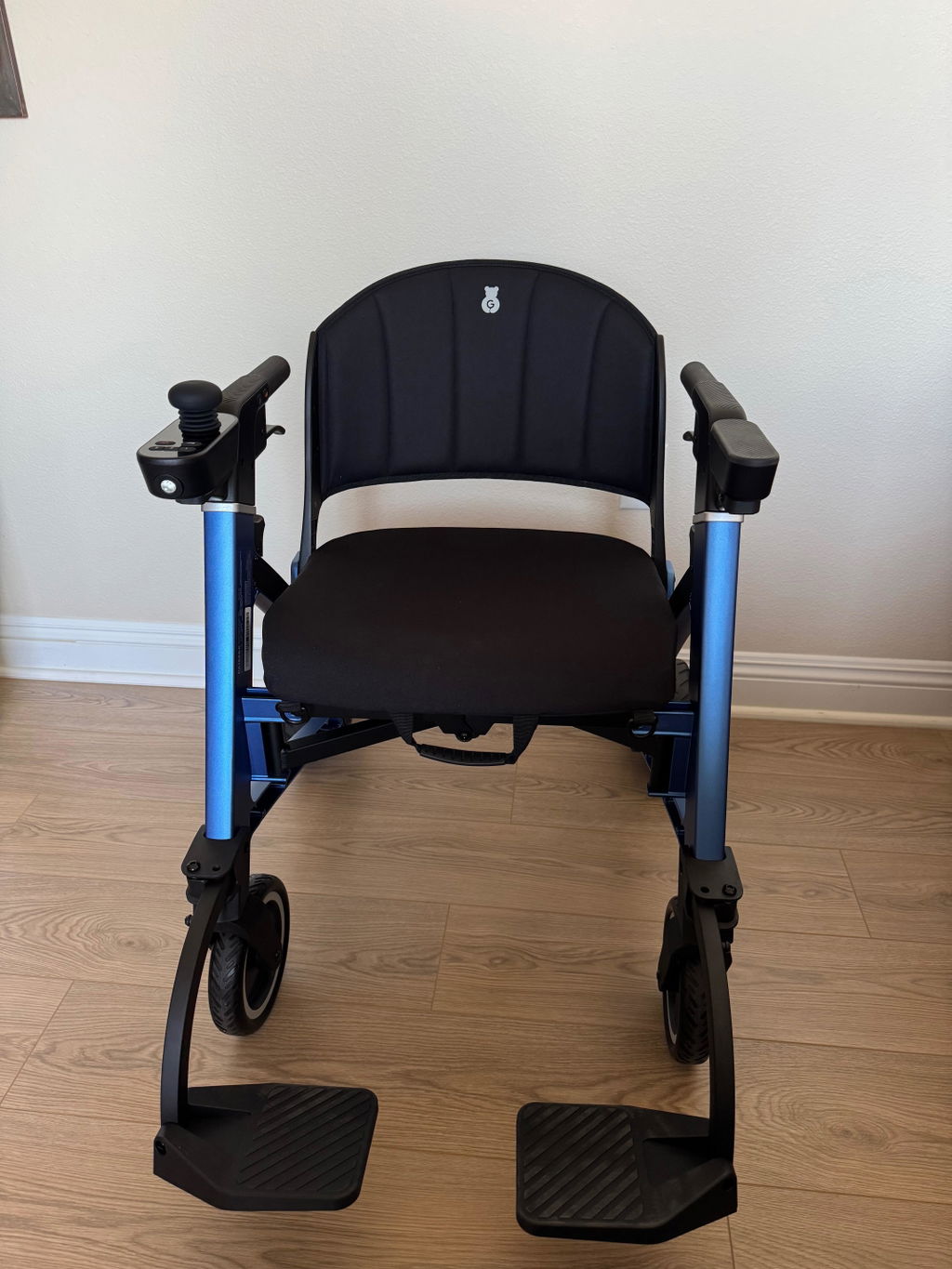
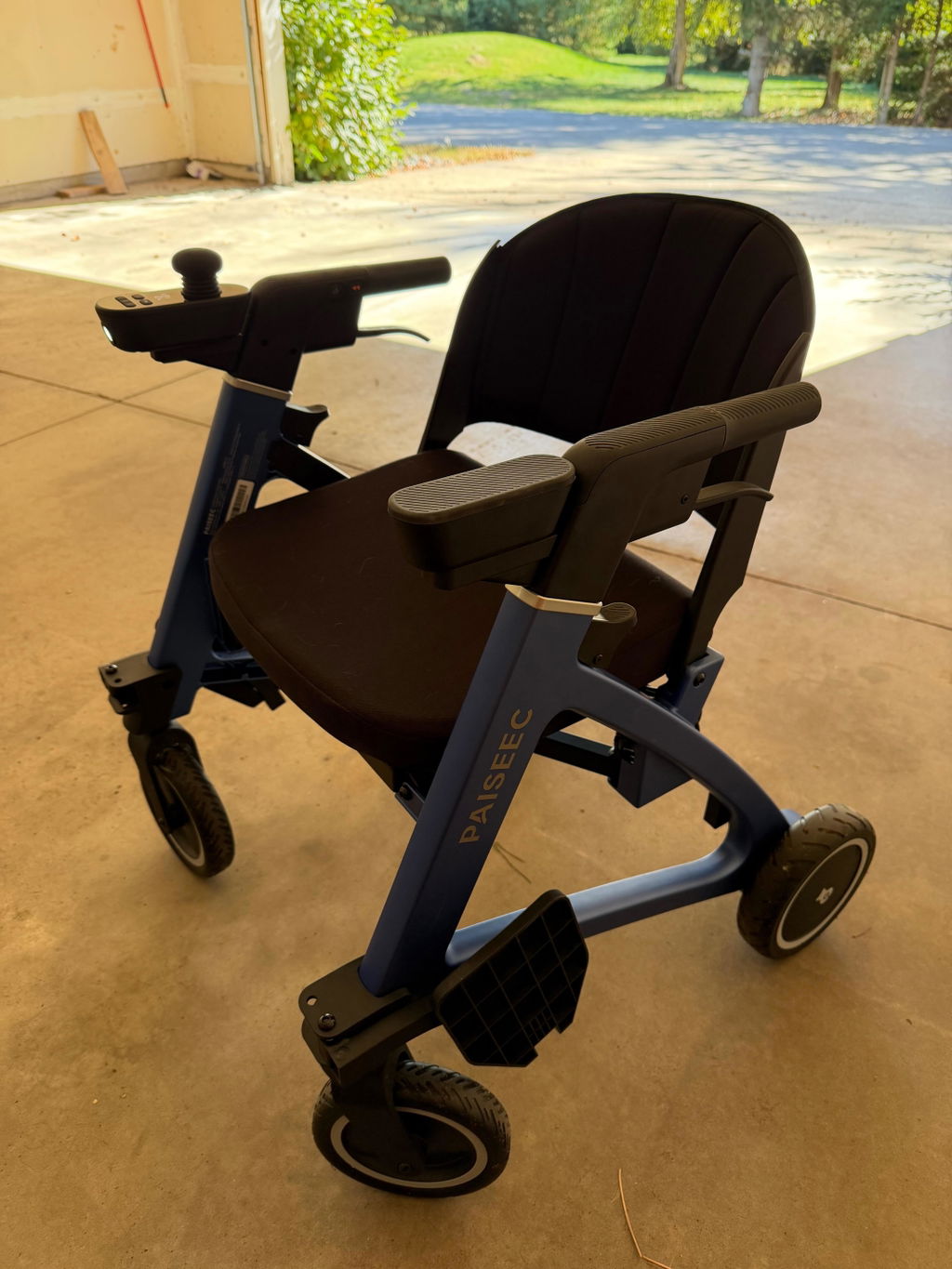
Paiseec’s multi-functional electric wheelchairs are positioned within a medical and assistive-technology context, so the stakes are different from commuter scooters. Selection should involve a clinician, occupational therapist, or assistive technology professional when seating, fit, or long-term use is involved. In this category, price matters, but proper user matching matters even more.
Could canes be affected the same way?
Canes are usually less exposed to tariff pressure than powered mobility products because they do not rely on batteries or motors. Their cost is more closely tied to materials, folding design, handle comfort, and manufacturing efficiency.
Paiseec’s Carbon Fiber Folding Cane C1 fits this category as a non-powered mobility aid. For users, the most important issues are correct height, grip comfort, cane-tip condition, and surface traction. A cane should support walking confidence, but it should still be chosen with professional guidance when balance, pain, or recovery needs are involved.
Who should pay attention to promotional pricing?
Buyers, dealers, distributors, fleet managers, and corporate procurement teams should all pay attention to promotional pricing when tariff pressure is high. These groups are the most likely to feel margin compression or budget limits first.
Paiseec uses campaign pricing to help close that gap without weakening the product itself. For consumers, the benefit is simpler: a chance to buy at a lower effective cost before inflation or import duties push prices higher. For dealers and distributors, promotions can keep inventory moving and reduce the risk of slower turnover.
Paiseec founder Roger and the R&D team take a simple view: cost pressure should never weaken product integrity. The answer is better engineering, disciplined sourcing, and safety-first design, not shortcuts. That is why Paiseec keeps investing in testing, supplier control, and user-focused product improvement while still using targeted promotions to support accessibility.
When is it smarter to buy now?
It is often smarter to buy now when a mobility device is urgently needed, when a discount is unusually deep, or when pricing is likely to rise again soon. That is especially true for users who depend on a scooter or wheelchair for daily independence.
Paiseec’s approach reflects this reality. By offering limited-time promotions, installment options, and dealer support, the company gives buyers more flexibility during periods of uncertainty. For many users, the decision is not only about price; it is about reliability, timing, and getting the right device before a need becomes a problem.
Are long-term ownership costs still important?
Yes, long-term ownership costs can matter more than the initial purchase price. A lower sticker price is not a real savings if the product has weak support, poor battery life, or frequent maintenance issues.
Paiseec emphasizes durability, testing, and customer service because those factors shape total cost of ownership. Good charging habits, proper storage, and routine maintenance also help users protect their investment. For powered products, battery health and system care are especially important; for canes, tip wear and handle condition deserve regular attention.
Has Paiseec changed its market strategy because of inflation?
Yes, Paiseec has responded with a more flexible pricing and support strategy. That includes stronger promotions, clearer product guidance, and more attention to service and buyer confidence.
The brand’s broader positioning remains consistent: use engineering quality and safety systems to justify value, then use promotions to help buyers overcome cost hesitation. That balance is important in mobility markets where users need trust, not just a discount. Paiseec’s mix of technology, testing, and customer support is designed to meet that standard.
Paiseec Expert Views
“In mobility, users do not buy hardware alone — they buy confidence, consistency, and support,” says Paiseec founder Roger. “When tariffs increase component costs, our job is to protect the core product experience. That means strong battery systems, reliable motors, careful testing, and a safety-first mindset. Promotions can help with affordability, but engineering quality must remain the foundation.”
What should buyers look for before choosing?
Buyers should look at safety, fit, support, and real-world value before making a decision. A scooter buyer should review battery protection, braking, and local laws. A wheelchair buyer should consider seating and clinical fit. A cane user should focus on height, grip, tip condition, and stability.
Paiseec’s product range reflects those different needs. The common thread is that each product should match the user’s purpose and daily environment. That is the best way to avoid unnecessary replacement costs, frustration, or poor fit.
Conclusion
Tariffs can raise costs across the mobility supply chain, especially for motors, batteries, and structural components. That creates pricing pressure, longer replacement cycles, and more cautious buying behavior.
Paiseec responds with a mix of engineering discipline, safety-focused design, and promotional pricing to protect access without sacrificing quality. For buyers, the smartest move is to weigh urgency, long-term ownership cost, and product fit rather than focusing on the sticker price alone. In a market shaped by inflation, the best mobility purchase is the one that stays reliable after the sale.
FAQs
Will tariffs make mobility products more expensive?
Yes, tariffs can raise import costs and push up retail prices, especially for powered products with batteries and motors.
Is Paiseec still using safety-first engineering during pricing pressure?
Yes, Paiseec continues to prioritize testing, product integrity, and safety systems while adjusting pricing strategy.
Do wheelchairs need professional fitting?
Yes, electric wheelchairs should involve a clinician, occupational therapist, or assistive technology professional when possible.
Are canes affected by the same battery and motor cost pressures?
No, canes are non-powered products and are generally less affected by battery or motor tariffs.
Why does Paiseec offer big discounts?
Promotions help offset buyer hesitation caused by rising costs and keep mobility products more accessible.
Sources
-
UL Solutions – UL 2272 Certification Services for Personal E-Mobility Devices
-
U.S. Consumer Product Safety Commission – Micromobility and Battery Safety Information
-
U.S. Food and Drug Administration – Medical Device Classification and Powered Wheelchairs
-
European Commission – Personal Light Electric Vehicle Safety Framework
Leave a comment
This site is protected by hCaptcha and the hCaptcha Privacy Policy and Terms of Service apply.