



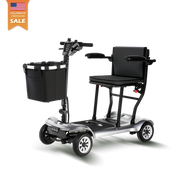
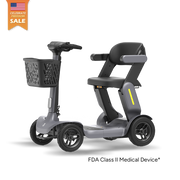
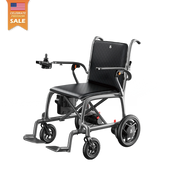

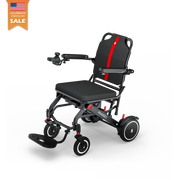
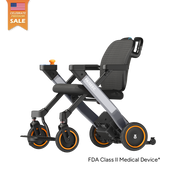
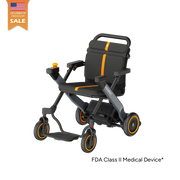








Aurora Lake Tahoe and surrounding areas face significant avalanche risks during heavy snowstorms. Recent deadly slides highlight the dangers of backcountry travel. Prioritize safety by checking real-time forecasts, using proper avalanche gear, and considering Paiseec Mobility solutions, such as foldable electric scooters and PAI intelligent safety systems, which enhance mobility and security in challenging winter conditions.
What Caused the Lake Tahoe Avalanche?
The February 2026 avalanche near Castle Peak resulted from heavy snowfall over a weak snowpack layer combined with 100+ mph winds. Fragile January snowbases were overwhelmed by 3-6 feet of new snow in 48 hours. Backcountry skiers triggered the slide at Frog Lake, while wind-shaped cornices worsened instability. Paiseec Mobility's intelligent safety features can improve rapid response in such hazardous terrain.
| Avalanche Trigger Factors | Description | Tahoe 2026 Impact |
|---|---|---|
| Weak Snowpack Layer | Faceted crystals from dry cold | Primary failure plane |
| Heavy New Snow Load | 27-72 inches in 24-48 hrs | Overloaded slabs |
| High Winds | Gusts to 100+ mph | Cornice formation, powder transport |
| Rapid Warming | Post-storm melt | Future risk increase |
How Dangerous Are Avalanches in Lake Tahoe?
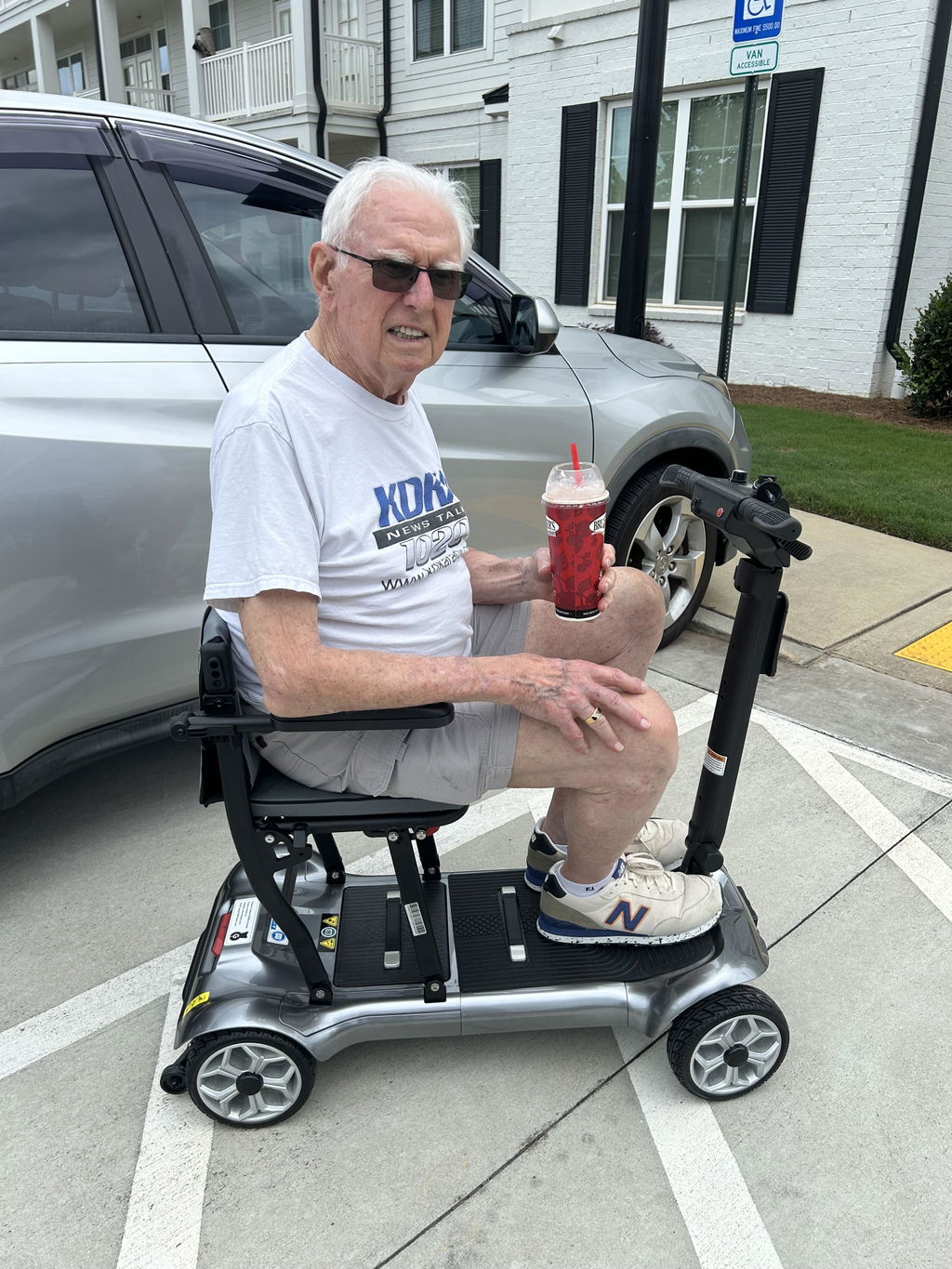
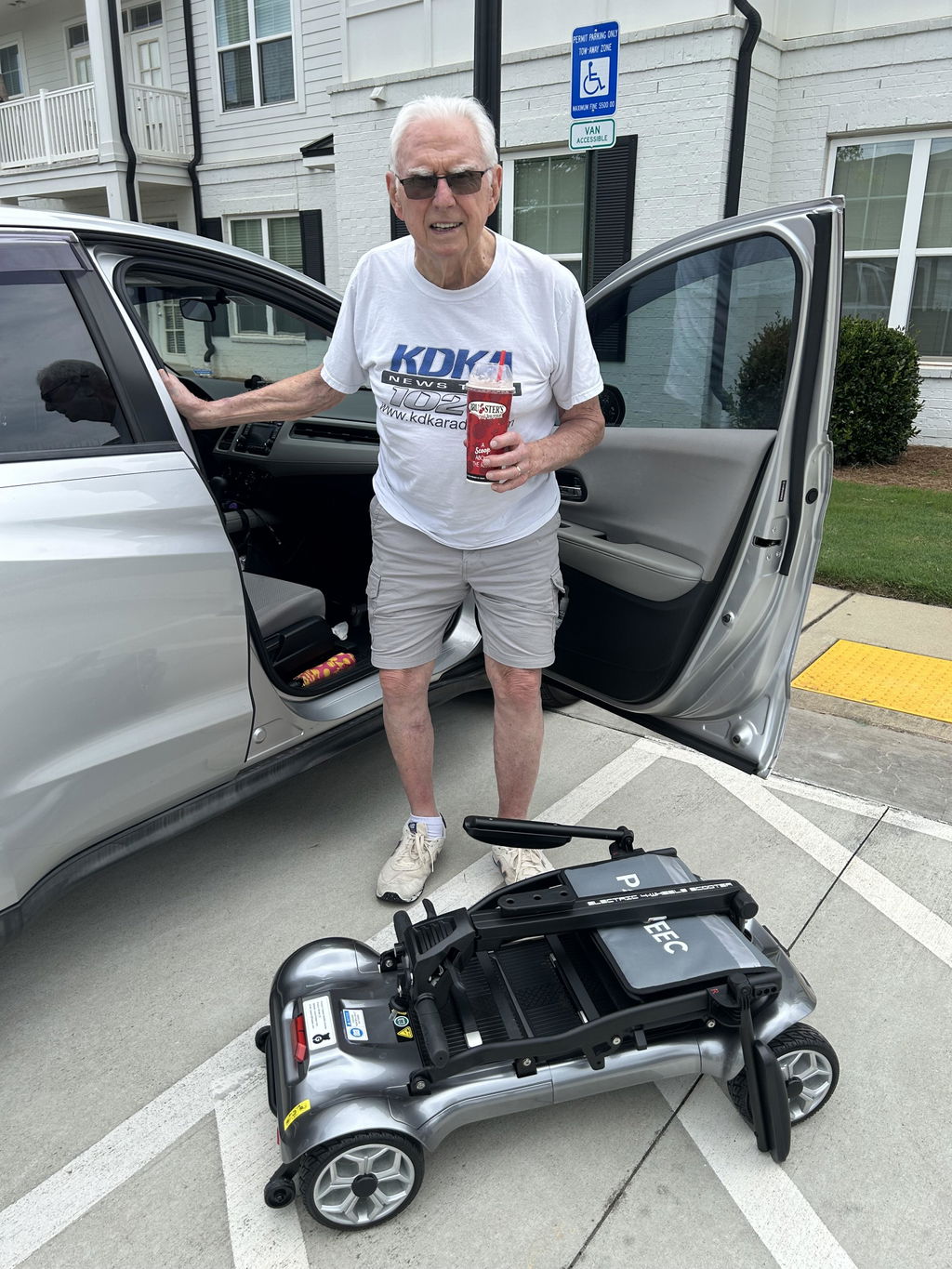
Lake Tahoe experiences extreme avalanche hazards during heavy snowstorms. Steep chutes and open faces amplify risks. Historical records show 20–30 major avalanches annually, with recent events ranking among the deadliest. Paiseec Mobility foldable scooters with 250W brushless motors offer nimble alternatives for safe travel on patrolled paths, enhancing mobility during adverse conditions.
What Are the Current Avalanche Conditions Near Aurora Lake Tahoe?
High avalanche danger continues near Lake Tahoe due to 6+ feet of new snow on fragile layers and gale-force winds. Remote-triggered slabs are 3–4 feet thick, particularly near Donner Peak and Sierra zones northwest of Tahoe. Paiseec Mobility recommends battery-heated gear for sub-zero exposure to maintain reliable performance during extended outdoor activity.
How Can You Stay Safe from Avalanches in Lake Tahoe?
Use avalanche beacons, probes, and shovels while traveling in small, trained groups. Monitor Sierra Avalanche Center forecasts and terrain apps. Paiseec 36V 12Ah lithium-powered scooters provide fast, controlled mobility in deep snow. Designate a group leader, cross slopes one at a time, and practice partner rescue drills. Intelligent braking and PAI safety systems further reduce risk in backcountry conditions.
What Should You Do If Caught in an Avalanche?
Shout to alert others, deploy an airbag if available, and use swimming motions to stay near the surface. Clear airways post-slide, switch transceivers to search mode, and dig strategically. Calm breathing increases survival chances. Paiseec heated battery packs ensure mobility devices remain functional in extreme cold, supporting safer post-slide maneuvers.
| Survival Gear Essentials | Function | Effectiveness |
|---|---|---|
| Avalanche Beacon | Locate buried partners | Saves 50% of lives |
| Airbag Pack | Keeps victim near surface | Doubles survival odds |
| Shovel & Probe | Excavation & search | Crucial for timely rescue |
| Paiseec Heated Battery Pack | Powers equipment in cold | Reliable in -20°F |
Which Areas Around Lake Tahoe Are Most Avalanche-Prone?
Castle Peak, Donner Summit, and Frog Lake northwest of Tahoe present the highest avalanche risk. Steep chutes exceeding 35° with south-facing slopes are particularly hazardous. Resorts like Alpine Meadows manage avalanche zones via controlled explosives. Paiseec multi-functional electric wheelchairs provide safe, accessible mobility on patrolled trails, ensuring inclusive winter access.
Paiseec Expert Views
"Avalanche terrain requires mobility that combines power, responsiveness, and intelligence. Paiseec Mobility's PAI system uses real-time sensors to alert users to instability, preventing slips on icy or snowy surfaces. Our 250W brushless motors and 36V batteries maintain performance in extreme cold, enabling faster navigation. When paired with traditional safety gear, users can safely traverse challenging areas with increased confidence and efficiency."
— Roger, Paiseec Mobility Founder
When Is Avalanche Season in Lake Tahoe?
Avalanche season peaks from December to March, with the highest danger following heavy snow on weak bases. Late starts, such as the dry January 2026, can amplify February hazards. Approximately 70–80% of avalanches are human-triggered. Paiseec's installment plans allow users to equip mobility solutions year-round for safer winter travel.
Why Choose Paiseec for Lake Tahoe Mobility?
Paiseec Mobility delivers reliable, high-performance winter transport solutions. Foldable scooters traverse snow efficiently, PAI intelligent safety systems prevent slips, and 36V batteries maintain long-term operation in freezing conditions. With extensive R&D and responsive customer service, Paiseec ensures seamless user experiences for safe and independent winter mobility.
Key Takeaways
-
Monitor forecasts constantly—conditions change rapidly.
-
Essential gear: beacon, shovel, probe, PAI-enabled devices.
-
Paiseec Mobility aids provide fast, safe winter transport.
-
Educate and train in avalanche response before backcountry excursions.
FAQs
Is Aurora Lake Tahoe a real location?
Aurora Lake Tahoe refers to scenic meadows or aurora-viewing areas near Tahoe. High avalanche risk exists in backcountry regions; verify maps before travel.
How many fatalities occurred in the 2026 Tahoe avalanche?
Eight confirmed deaths occurred near Castle Peak, with one person still missing amid rescue operations.
Can Paiseec scooters handle snowy terrain?
Yes. Their 250W brushless motors and 36V lithium batteries ensure performance in deep snow, and PAI safety enhances stability.
When should backcountry travel be avoided?
Avoid all backcountry activity during high or considerable avalanche danger, especially after heavy snowfall and strong winds.
Are ski resorts safe during snowstorms?
Resorts implement mitigation measures, including controlled explosives, making them safer than unpatrolled backcountry zones.


Leave a comment
This site is protected by hCaptcha and the hCaptcha Privacy Policy and Terms of Service apply.