




![[2026] PAISEEC D3|Mobility Scooter for Easy Everyday Travel](http://www.paiseec.com/cdn/shop/files/d3_4a4ccb22-9e26-449e-8094-71f3ec4177c3.png?v=1782115044&width=180)

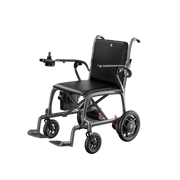













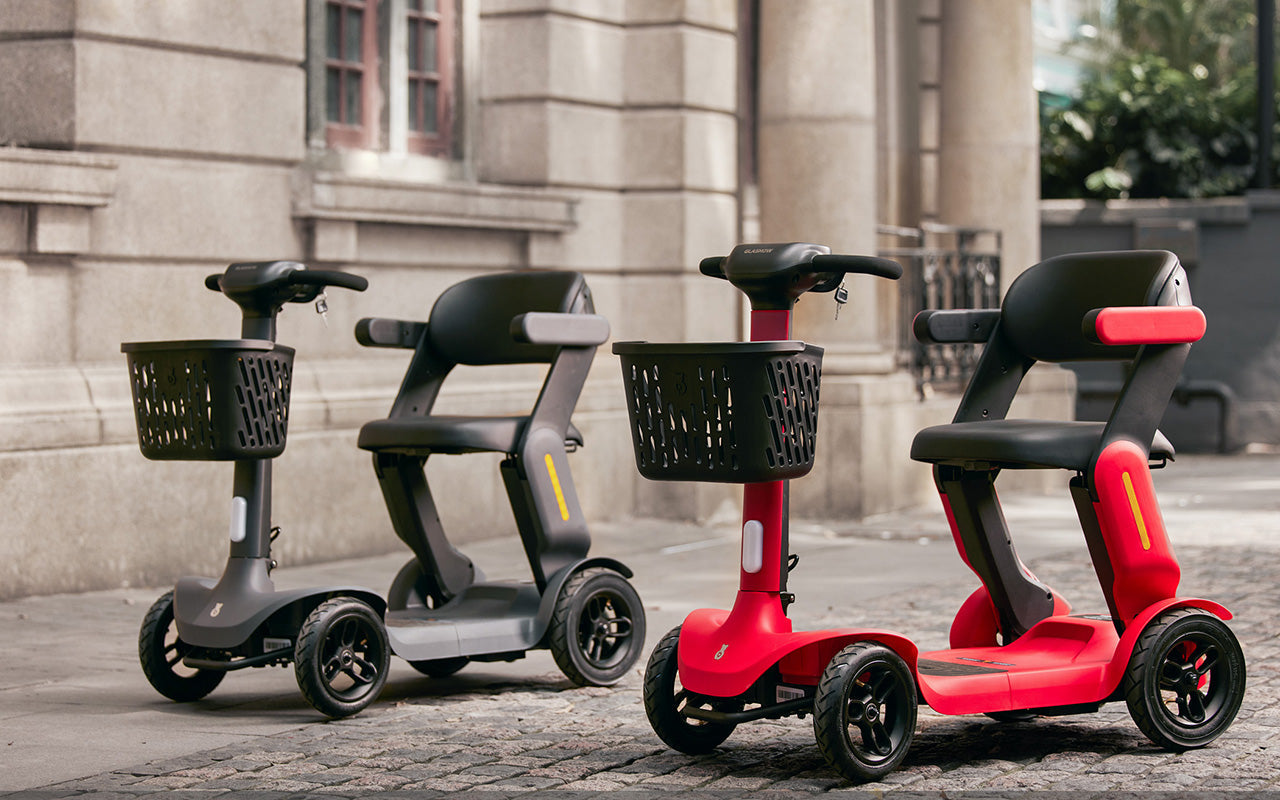
For many wheelchair users - and the families who support them - fatigue from pushing a manual chair is one of the most common turning points in considering powered mobility. While manual wheelchairs are reliable, lightweight, and easy to use in short bursts, the physical effort required over time can quietly take a toll, especially when daily routines include long distances, slopes, frequent turns, or carrying personal items at the same time.
What manual wheelchair fatigue really looks like
Manual wheelchair fatigue often shows up in the shoulders, wrists, and upper back. Overuse can lead to soreness, inflammation, or even injury if the user is regularly propelling themselves without enough support. This is especially common for:
- seniors with reduced strength or stamina people recovering from surgery or injury
- individuals managing chronic conditions that limit long-distance mobility
- caregivers who assist loved ones and feel the physical strain of pushing
Fatigue doesn’t always mean the wheelchair is the wrong choice - it can simply mean the environment or daily demands have changed.
When powered mobility makes more sense
A powered mobility device becomes a better choice when it helps reduce effort and expand what someone can realistically do in a day. Key signals include:
1.Long errands feel exhausting
Grocery aisles, medical appointments, community events, or outdoor outings can involve more distance than expected. A powered chair handles movement through tight corners, crowded spaces, and long checkouts without requiring continuous self-propulsion.

2.Slopes and curbs add strain
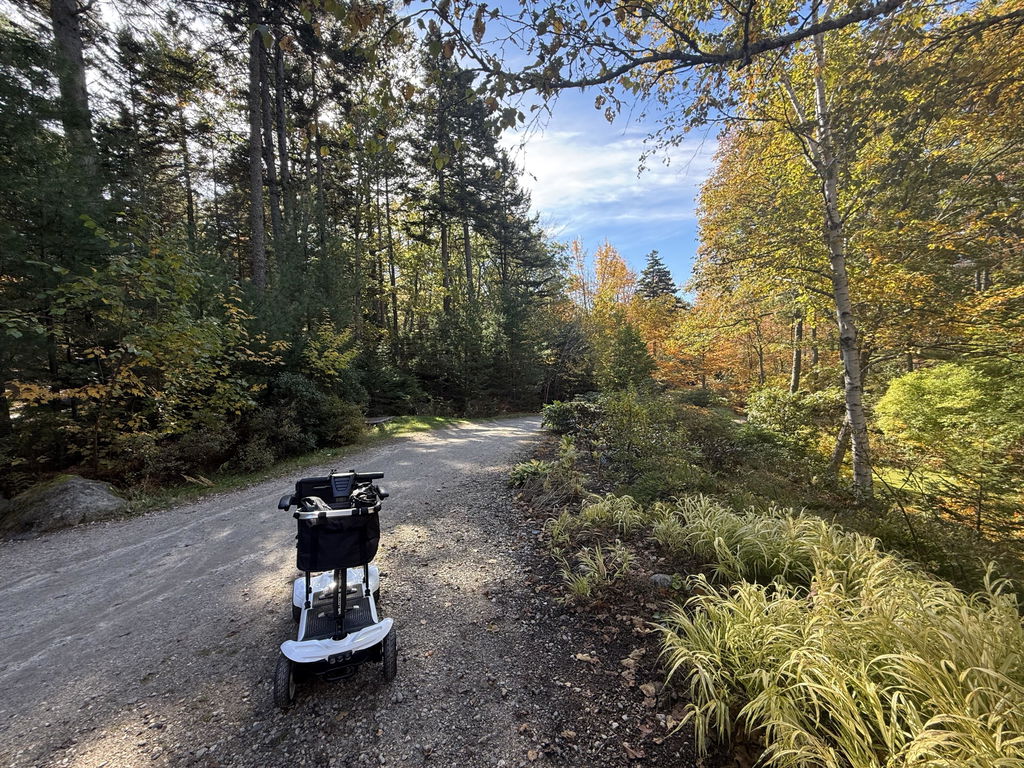
Even small ramps, sidewalk edges, or mild inclines can increase physical effort dramatically. A motorized mobility option removes much of that load, making outdoor navigation less intimidating.
3.Energy levels fluctuate
Many users appreciate a chair that meets them where they’re at. On good days, movement feels easier. On low-energy days, powered mobility prevents the need to skip outings, meals, or plans because propulsion simply feels too heavy.
4.Hands-free independence matters more than before
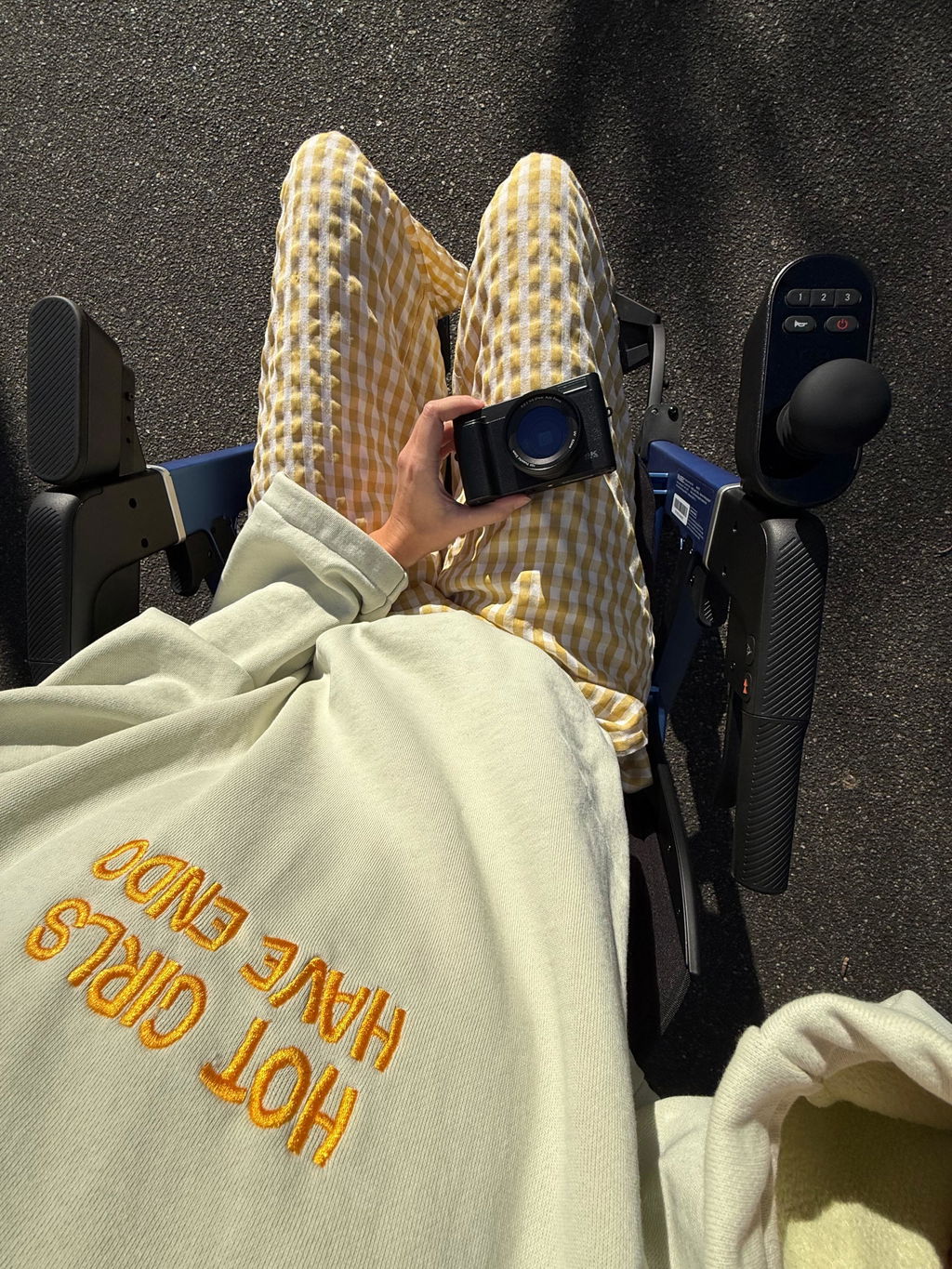
Being able to carry a bag, hold a drink, open a door, or grab a snack while moving can feel impossible with a manual chair alone. Powered mobility restores one hand back for life’s little moments.

Lightweight powered chairs change the conversation
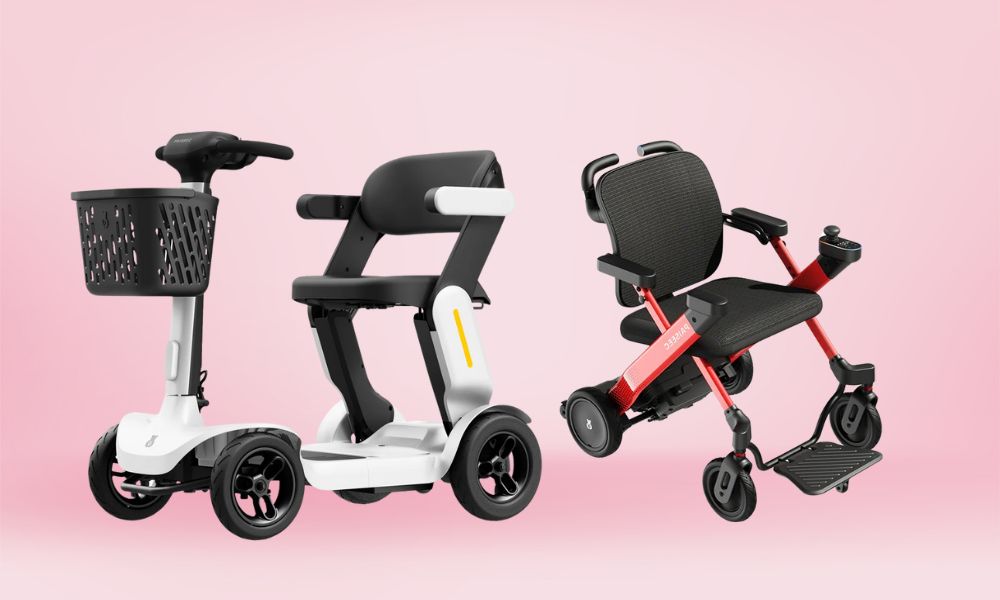
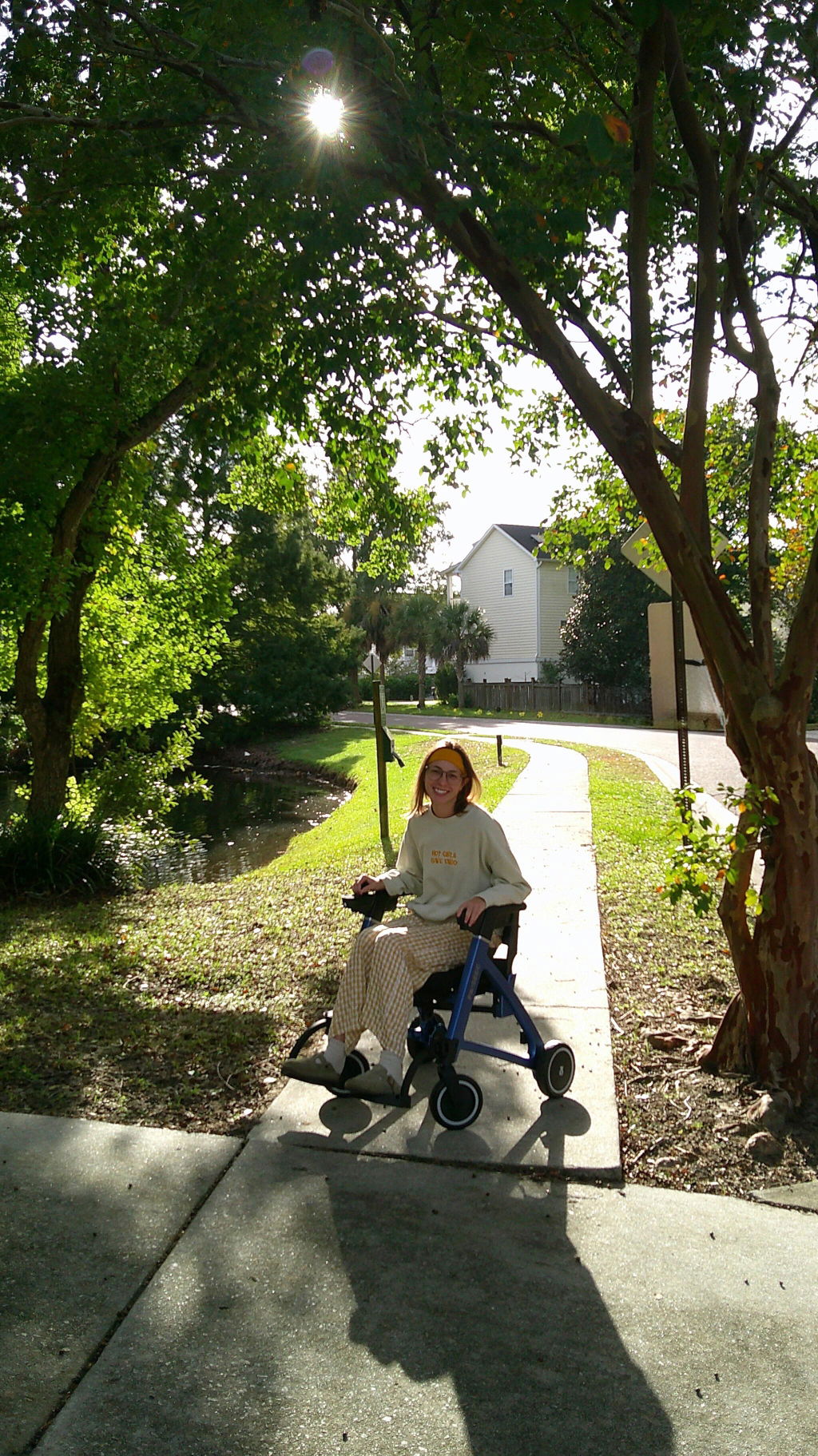
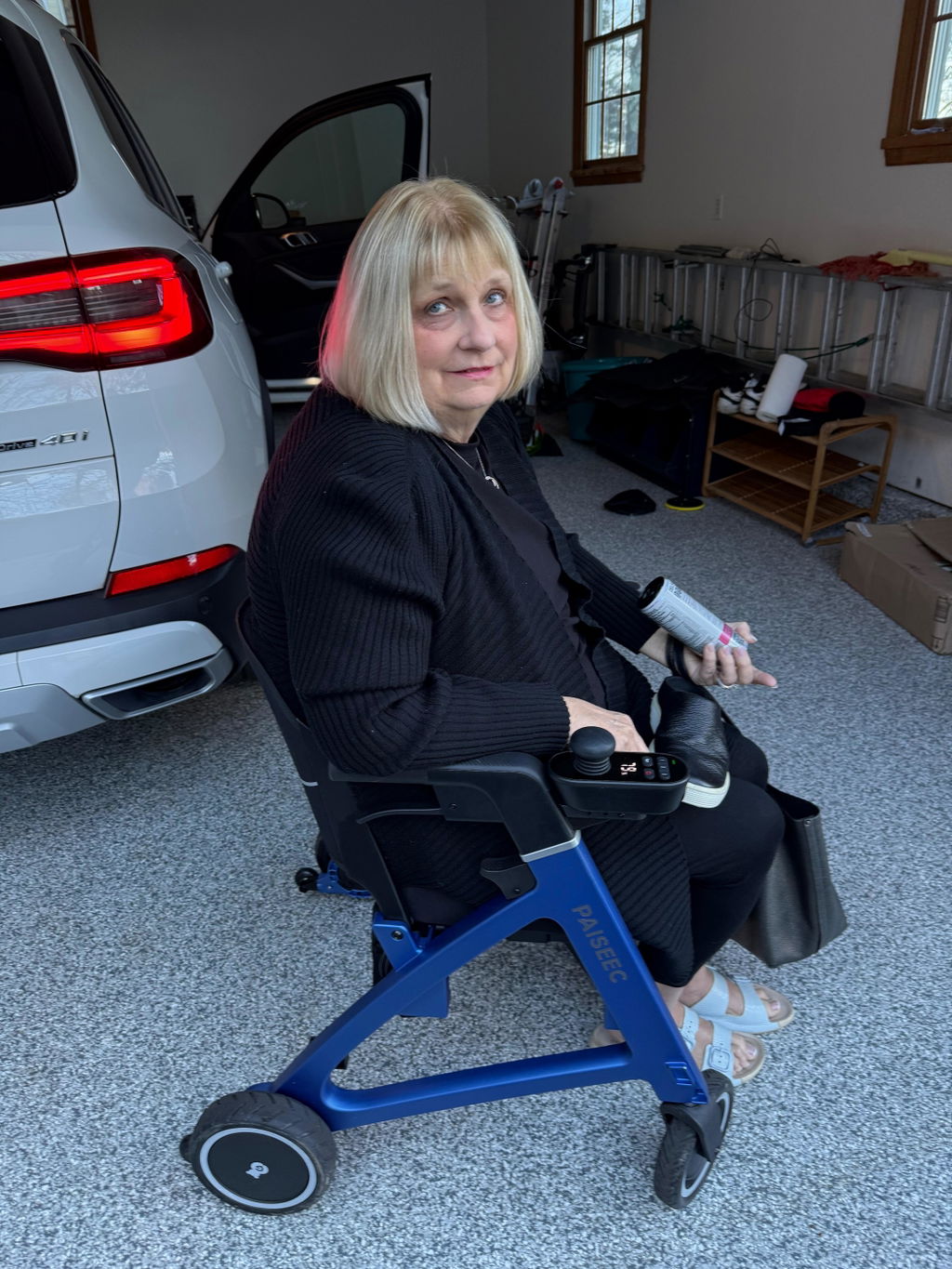
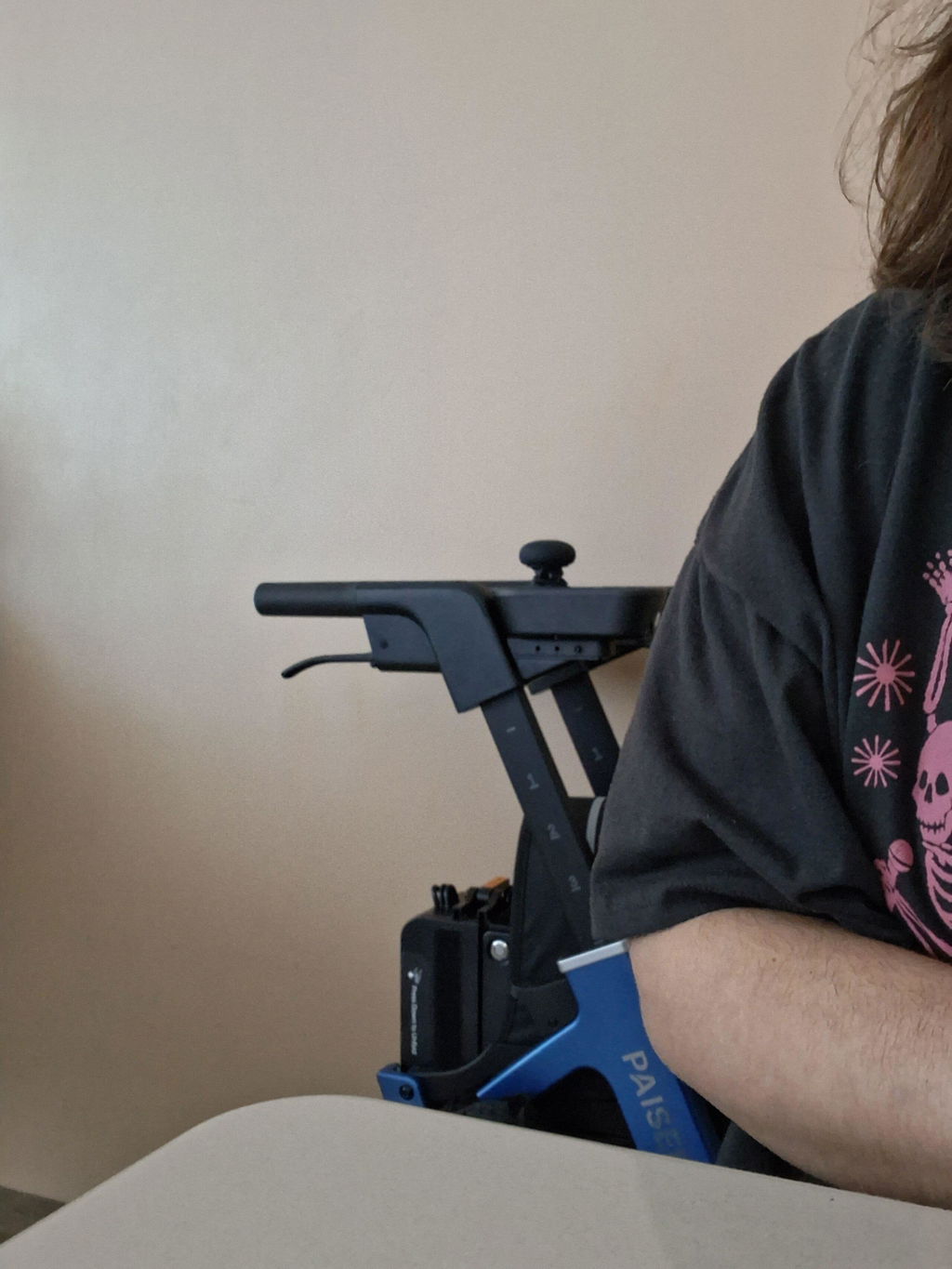
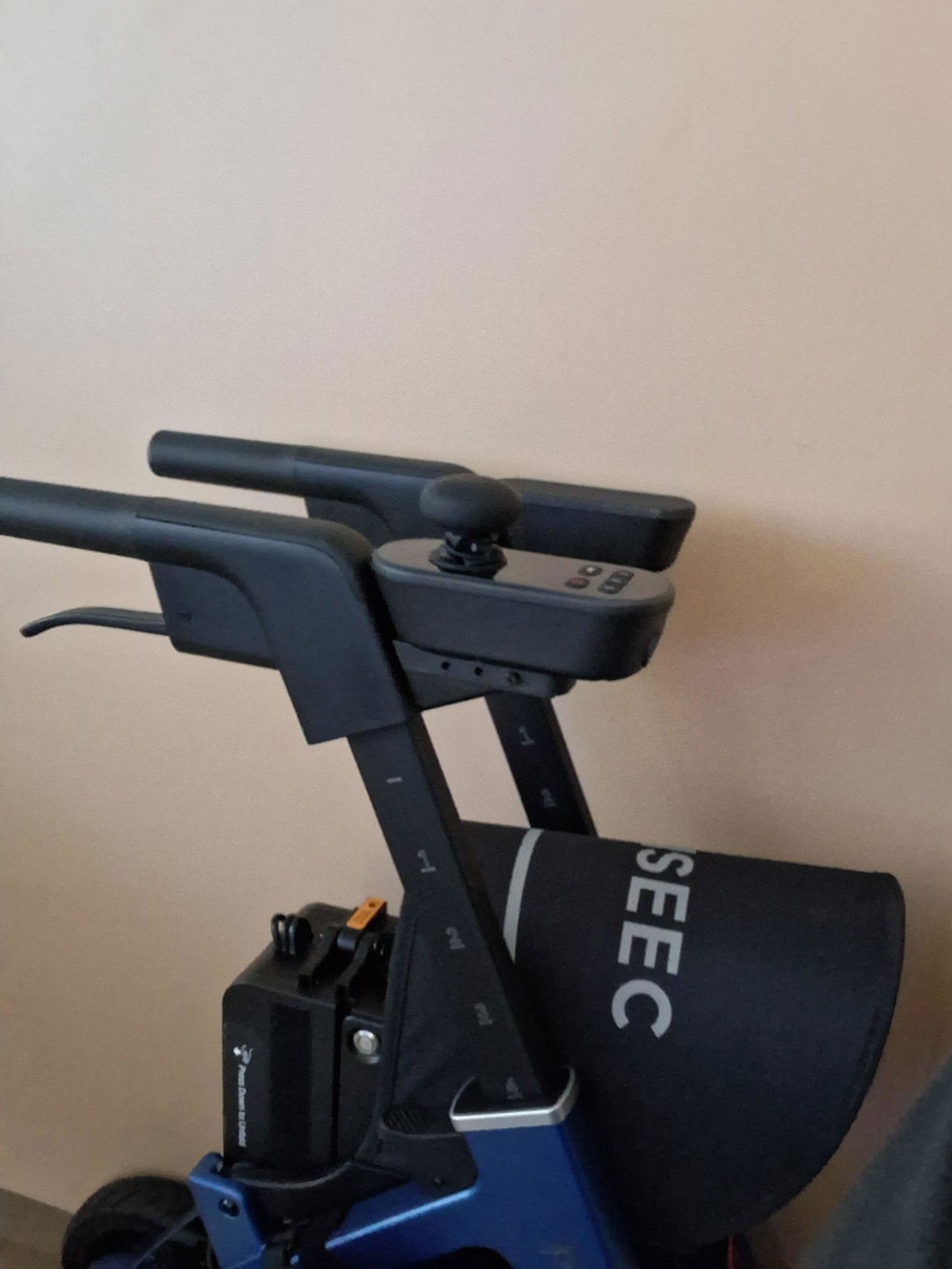
Families often worry about the added weight or size of powered wheelchairs. It’s true that motor and battery systems increase weight - but modern folding and lightweight electric wheelchairs offer a very practical middle ground. Many are compact enough to move through apartments, offices, restaurants, and public spaces while still being easier to transport than traditional bulky powerchairs.
Weather, travel, and daily use - what to expect
- Airlines generally allow electric wheelchairs if the battery is flight-approved, especially lithium batteries that meet airline safety standards.
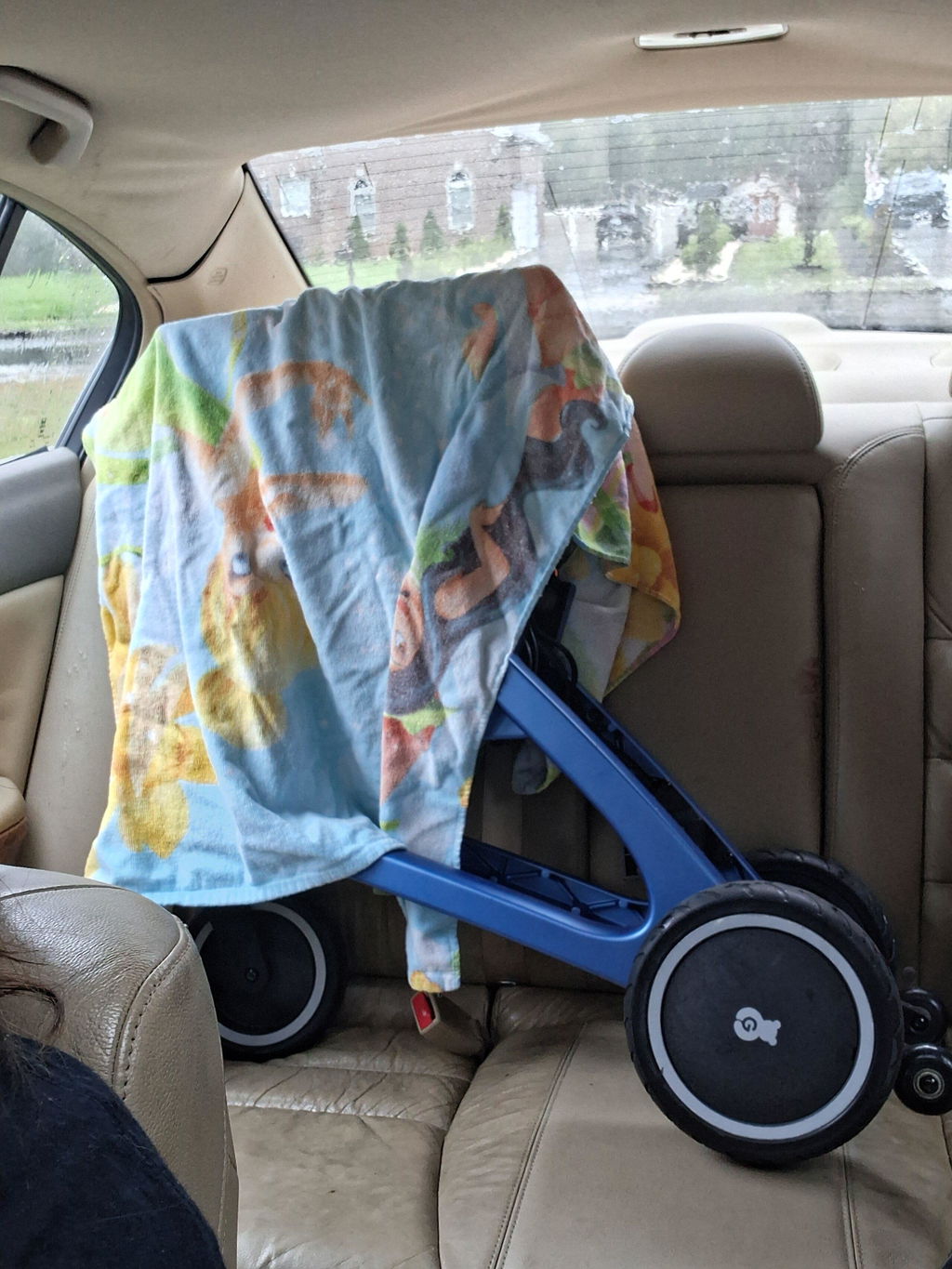
- Powered chairs can be used for trains and cars as well, especially foldable or lightweight models, but even non-folding chairs are widely used for everyday mobility if portability isn’t the main priority.
- Most batteries last significantly longer with good charging habits and regular care, helping families feel more confident about long-term reliability.

Learn more - no pressure, just when you’re ready
If you’re exploring powered mobility options that help reduce daily fatigue and make travel simpler for you or someone you love, you can browse our airline-approved mobility collection anytime. No rush — just information, real stories, and support when it feels like the right moment.



Leave a comment
This site is protected by hCaptcha and the hCaptcha Privacy Policy and Terms of Service apply.