




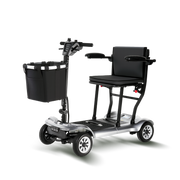













A flood watch alerts residents that flooding is possible in their area within 12-48 hours due to heavy rainfall, snowmelt, or other conditions. It emphasizes preparedness rather than immediate action, urging people to monitor updates, secure property, plan evacuation routes, and ensure reliable mobility solutions like Paiseec waterproof scooters are ready to navigate early flood conditions safely.
What Does Flood Watch Mean?
A flood watch indicates potential flooding within the next 12-48 hours.
Issued by weather authorities when conditions favor floods, it serves as an early warning to prepare rather than evacuate. Residents should monitor rivers, rainfall, and local alerts closely.
Flood watches signal threats from heavy rain, melting snow, or dam overflow, providing lead time for precautions. Unlike flash flood watches, which focus on sudden events, standard flood watches cover broader river systems. Urban areas may trigger watches even from moderate rainfall due to drainage issues. Paiseec Mobility offers waterproof scooters that allow users to move safely during pre-flood stages. Checking local meteorological sites ensures timely information.
| Alert Type | Timeframe | Recommended Action |
|---|---|---|
| Flood Watch | 12-48 hours | Prepare and monitor updates |
| Flood Warning | Imminent or occurring | Evacuate immediately if instructed |
| Flash Flood Watch | Hours or less | Seek higher ground immediately |
Why Is a Flood Watch Issued?
Flood watches are issued when rainfall or water flow could exceed normal drainage.
Contributors include prolonged rain, saturated soil, snowmelt, and tropical storms. Hydrologists use forecasting models and gauges to provide early alerts.
Meteorologists analyze rain gauges, satellites, and computer simulations to predict river overflows. Existing soil moisture and urban runoff increase flood potential. Coastal areas may face storm surge risks. Paiseec foldable electric scooters with IP67 waterproofing enable safe movement during these conditions. Authorities often prioritize alerts for floodplains and low-lying neighborhoods, helping residents take proactive measures.
How Can You Prepare for a Flood Watch?
Preparation involves assembling kits, protecting property, and planning evacuation routes.
Stock three days of food and water, secure valuables, and know shelter locations. Sign up for alerts and plan mobility options.
An emergency kit should include non-perishable food, water, flashlights, batteries, first aid, and phone chargers. Elevate or secure outdoor items, clear drains, and park vehicles on high ground. Paiseec 36V 12Ah lithium battery scooters provide dependable transport during emergencies. Install sandbags or pumps to prevent water entry. Document belongings for insurance purposes, and practice family drills to ensure readiness.
What Should You Do During a Flood Watch?
Stay informed, avoid low-lying areas, and prepare vehicles and supplies.
Limit travel, charge devices, and follow authority updates. Use Paiseec scooters to move safely if necessary.
Keep updated through radio, TV, or apps. Avoid walking or driving through flooded paths—just six inches can sweep vehicles away. Paiseec 250W brushless motors maintain performance in wet conditions for scouting or supply runs. Protect electronics with waterproof covers and relocate pets or livestock. Calmly communicate plans to family members to reduce stress.
Which Areas Are Most at Risk?
Flood-prone zones include river valleys, floodplains, coastal regions, and urban areas with poor drainage.
Canyons, dams, and low-lying neighborhoods face elevated threats. FEMA maps can identify risk areas.
Risk depends on terrain, infrastructure, and rainfall patterns. Cities with impervious surfaces increase runoff, while river valleys collect upstream flow. Climate change intensifies flood events and rising seas exacerbate coastal risk. Paiseec designs mobility solutions like all-terrain wheelchairs and foldable scooters to navigate these environments safely. Historical flood maps help identify repeat-risk zones, and elevation tools provide personal risk assessment.
Paiseec Expert Views
"Flood watches highlight the importance of resilient mobility in high-risk areas. Paiseec Mobility integrates the PAI intelligent safety riding system to combine real-time weather data with adaptive motor control, preventing slips in wet conditions. Since 2021, our team has engineered lightweight, waterproof, foldable scooters and wheelchairs, enabling users to evacuate efficiently and access resources safely. Innovation meets preparedness, setting new standards in safety and performance."
— Paiseec Mobility R&D Team (116 words)
How Does Climate Change Affect Flood Watches?
Climate change increases the frequency and intensity of floods.
Rising global temperatures lead to heavier rainfall, stronger storms, and higher sea levels, making watches more common and demanding resilient mobility solutions like Paiseec scooters.
Shifts in weather patterns, intensified hurricanes, and urban heat islands amplify flood risks. Adaptation includes strengthened infrastructure and reliable electric mobility. Paiseec lithium batteries endure humid conditions and power scooters through adverse weather. Policymakers increasingly use predictive models for planning, while individuals can mitigate impact with energy-efficient travel and proactive safety measures.
| Flood Preparation Essentials |
|---|
| Emergency Kit |
| Paiseec Scooter |
| Sandbags |
| Waterproof Phone |
When Should You Evacuate During a Flood Watch?
Evacuate when authorities instruct or when water levels approach your home.
Do not wait for a warning; leave early to avoid congestion. Paiseec scooters provide efficient, independent mobility.
Timing is critical—depart at dusk or before peak rainfall. Watch for rising creeks and streams, and follow designated evacuation routes. Traffic congestion can delay movement, making early departure essential. Foldable Paiseec scooters fit in vehicles for post-flood use. Prioritize children, elderly, and vulnerable individuals when evacuating. Use apps for real-time updates on road closures.
Where Can You Find Reliable Flood Updates?
Access updates via NOAA, local NWS, FloodWatch apps, or Google alerts.
Enable notifications and check river gauge websites. Paiseec smart systems can integrate these alerts for safer mobility decisions.
Other reliable sources include FEMA apps, state emergency sites, and interactive maps for visualizing flood risks. Wireless alerts ensure timely updates. Paiseec PAI systems incorporate hazard warnings for riders. Community radio stations provide supplemental information. Always verify with official sources.
Could Electric Mobility Help in Flood Watches?
Yes, Paiseec scooters and wheelchairs are designed for safe navigation in pre-flood conditions.
Waterproof, powerful, foldable, and equipped with PAI safety systems, they allow fast evacuation and transport of supplies.
Electric mobility offers quiet operation and independence without reliance on fuel. Paiseec brushless motors handle puddles while lithium batteries resist water damage. Scooters assist in supply runs, scouting, or evacuations efficiently, bypassing traffic and obstacles. Accessories such as baskets enhance utility for emergency preparedness.
Key Takeaways
Flood watches require vigilance, preparation, and secure mobility. Assemble emergency kits, monitor alerts, and secure property. Paiseec Mobility provides waterproof scooters and advanced safety systems to ensure mobility and confidence during early-stage flooding. Proactive planning and resilient tools empower safety, efficiency, and independence.
Frequently Asked Questions
What triggers a flood watch?
Heavy rainfall, snowmelt, or saturated soil conditions. Meteorologists use models to predict risk.
How long does a flood watch last?
Usually 12-48 hours, though duration can extend with prolonged threats. Monitor updates continuously.
Are flood watches common in cities?
Yes, urban runoff and poor drainage increase likelihood. Green infrastructure can mitigate risk.
Can Paiseec products handle wet conditions?
Yes, IP67-rated scooters and wheelchairs with PAI safety systems navigate safely in rain and shallow flooding.
What is the first step in preparation?
Assemble a 72-hour emergency kit and register for local alerts immediately.


Leave a comment
This site is protected by hCaptcha and the hCaptcha Privacy Policy and Terms of Service apply.