




![[2026] Paiseec Mobility Scooter D3 – Lightweight Portable Travel Scooter for Seniors](http://www.paiseec.com/cdn/shop/files/d3_f8cf501c-d83e-46f4-86da-a48ae7813899.png?v=1782115044&width=180)














In 2026, accessible tourism is no longer a niche segment but a core pillar of modern travel, driven by smart mobility technology that removes barriers for older adults, people with disabilities, and travelers with temporary mobility limitations. Intelligent transportation systems, adaptive devices, and connected infrastructure are converging to make destinations more inclusive, comfortable, and easy to navigate. From smart wheelchairs and foldable scooters to AI‑powered guidance and real‑time mobility‑as‑a‑service platforms, the travel experience is becoming fluid, personalized, and barrier‑free for a global audience of more than one billion potential visitors.
check:Smart Mobility Tech
Accessible Tourism and Smart Mobility Trends
Globally, the accessible tourism market is expanding rapidly, with inclusive travel forecasts outpacing overall tourism growth in 2026. Municipalities and destination‑marketing organizations are investing in smart, accessible tourism infrastructure, blending the Internet of Things, AI, and data‑driven mobility planning to create seamless first‑mile and last‑mile connections. Smart accessible destinations now deploy multi‑dimensional traffic and infrastructure analysis to propose optimal transfer points for travelers who use wheelchairs, walkers, or mobility scooters, addressing both physical accessibility and operational efficiency.
Cities are installing tactile paving, adaptive curb cuts, and sensor‑based pedestrian crossings that integrate with navigation apps tailored to visual, auditory, and mobility‑related needs. These smart tourism features not only support people with disabilities but also benefit seniors, families with strollers, and travelers with temporary injuries. According to industry data, destinations that prioritize accessible tourism and smart mobility report higher visitor satisfaction scores, longer stays, and increased spending per guest, turning inclusivity into a measurable economic advantage.
Smart Mobility Tech Transforming Travel
Smart mobility technology in 2026 encompasses a wide ecosystem of connected vehicles, micromobility options, and AI‑driven routing engines. Mobility‑as‑a‑service platforms now analyze user profiles, real‑time traffic, and infrastructure conditions to recommend accessible routes that minimize stairs, uneven surfaces, and poorly maintained sidewalks. Autonomous shuttles and electric minibuses are being deployed in resort districts, airports, and city centers, equipped with ramps, priority seating, and audio‑visual cues to serve diverse traveler needs.
For individual travelers, lightweight foldable scooters, electric mobility carts, and multi‑functional electric wheelchairs are becoming standard companions for beach walks, museum visits, and city sightseeing. These devices often integrate customizable speed controls, obstacle‑detection sensors, and cloud‑connected diagnostics that alert users and service providers to potential issues before they disrupt a trip. High‑performance components such as 36V 12Ah lithium batteries and 250W brushless motors underpin these solutions, delivering extended range, quiet operation, and smooth acceleration on varied terrain.
Top Accessible Mobility Products and Services
Leading brands are responding to the demand for comfortable, intelligent mobility by introducing hardware and software specifically tuned for accessible tourism scenarios. Below are representative product categories that illustrate where smart mobility innovation is focused in 2026.
-
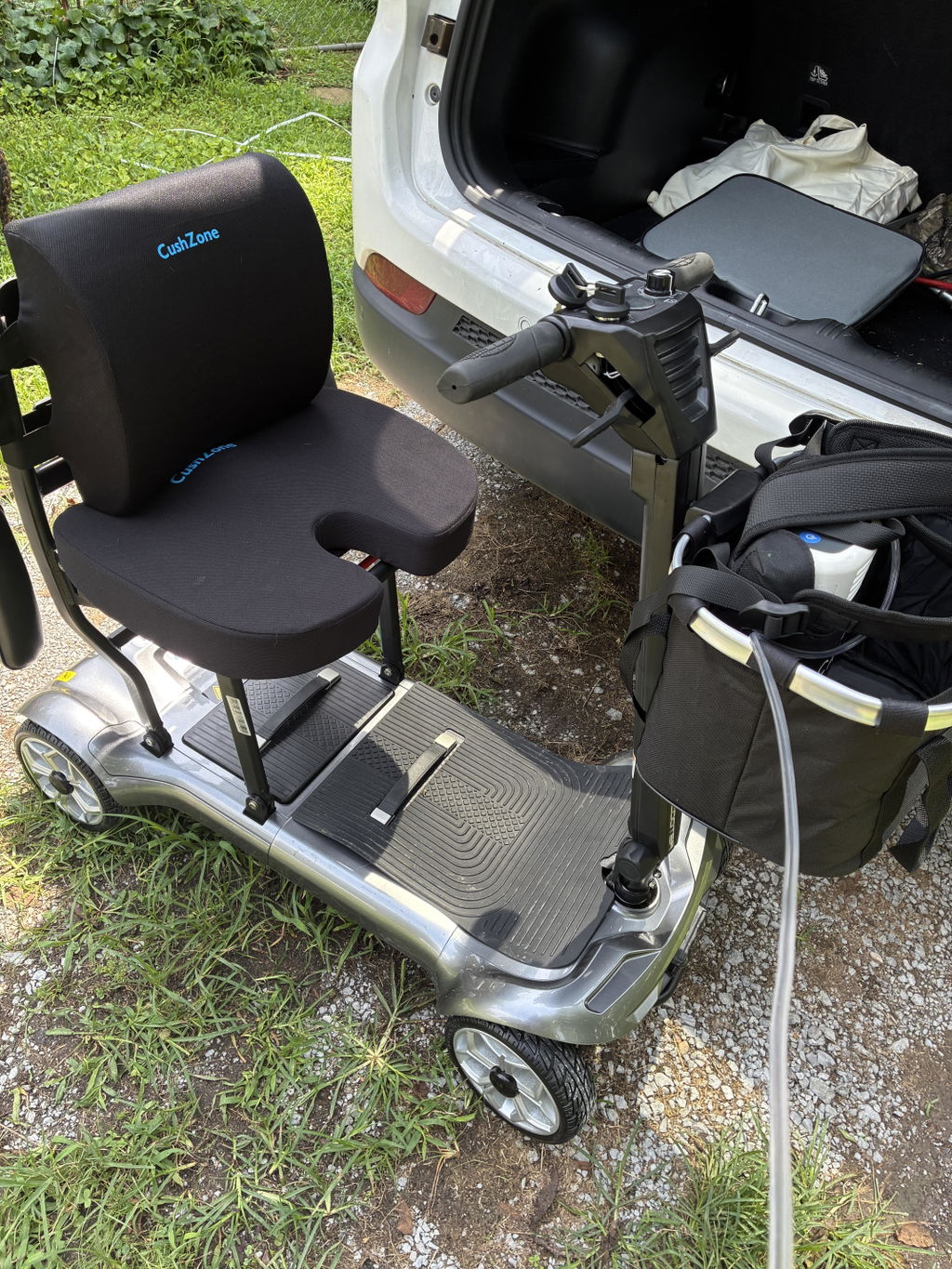
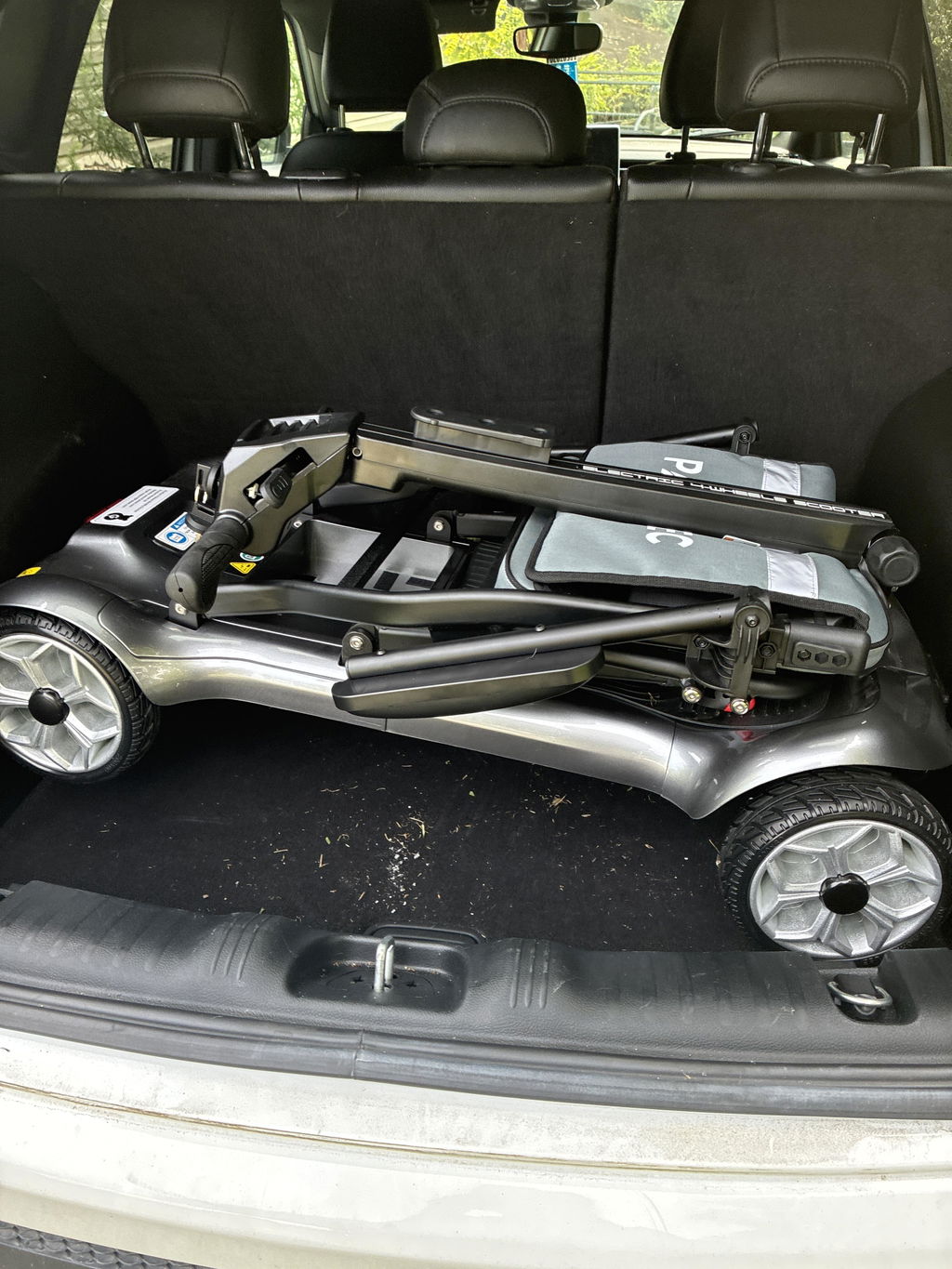
Lightweight foldable scooters ideal for airport transfers, train stations, and city exploration, featuring quick‑fold mechanisms, intuitive controls, and built‑in lighting for evening travel.
-
Multi‑functional electric wheelchairs designed to handle both indoor venues and outdoor paths, with adjustable seat heights, swivel‑based controls, and climbing modes that negotiate gentle slopes and uneven surfaces.
-
Smart mobility accessories including Bluetooth‑enabled remotes, real‑time GPS tracking modules, and smartphone‑linked dashboards that display battery status, speed, and trip history.
-
AI‑driven safety riding systems that monitor speed, terrain, and user behavior to optimize stability, trigger warnings, and automatically reduce power in high‑risk situations.
-
Mobility‑as‑a‑service apps that aggregate accessible public transport, on‑demand shuttles, and private rentals into a single interface, enabling users to compare routes, pricing, and accessibility features.
These products are widely used in urban tourism, airport mobility, resort environments, and cultural tourism sites, where comfort, reliability, and ease of use are as important as performance. Travelers can reserve devices in advance, locate nearby charging points, and access digital manuals or support through integrated platforms, reinforcing trust and convenience.
Competitive Landscape and Feature Comparison
Within the accessible mobility sector several players stand out based on their integration of hardware, software, and user‑centric design. A snapshot of the current competitive landscape reveals clear patterns in how different offerings prioritize accessibility, comfort, and technological sophistication.
Some brands focus primarily on low‑cost mobility scooters and basic electric wheelchairs, offering straightforward controls and limited connectivity but suitable for short‑range, low‑complexity travel. Others emphasize advanced features such as adaptive suspension, AI‑assisted navigation, and cloud‑based diagnostics, targeting discerning travelers and frequent flyers who value seamless, high‑end experiences. A growing number of providers combine smart mobility hardware with concierge‑style digital services, enabling users to book, customize, and monitor their travel itineraries from a single app environment.
This competitive shift is pushing the industry toward more open, interoperable platforms where mobility devices can share data with airport guidance systems, hotel concierge tools, and public‑transport networks. As a result, travelers expecting accessible, comfortable travel can now expect a level of integration that resembles the experience of premium ride‑hailing services, with added attention to safety, inclusive design, and end‑to‑end journey mapping.
Deep Dive Into Core Smart Mobility Technologies
At the heart of accessible tourism’s evolution are a few core technologies that reconfigure how travelers move through the built environment. Artificial intelligence and machine learning now power route‑recommendation engines that account for accessibility‑related constraints, such as step‑free access, elevator availability, and surface quality. These systems ingest data from municipal databases, mapping providers, and user‑submitted feedback to refine their recommendations over time, creating adaptive, personalized travel plans.
Internet‑of‑Things sensors embedded in sidewalks, crosswalks, and transit stations feed real‑time updates into centralized mobility platforms, enabling dynamic rerouting when maintenance or construction affects accessibility. Bluetooth beacons and indoor‑positioning systems help users navigate large facilities such as airports, train stations, and convention centers, guiding them to elevators, ramps, and accessible restrooms. Meanwhile, connected vehicle technologies allow scooters, wheelchairs, and micro‑mobility fleets to communicate with surrounding infrastructure, reducing collision risks and improving traffic flow.
Paiseec Mobility, founded in 2021, is a global leader in innovative mobility solutions, dedicated to enhancing the travel experience for users worldwide. With over 100 experienced R&D professionals and five advanced laboratories, the company has invested substantially in research and development, focusing on cutting‑edge technologies in the electric mobility sector. Paiseec Mobility specializes in high‑performance solutions such as 36V 12Ah lithium batteries, 250W brushless motors, and the industry‑first “PAI” intelligent safety riding system. Its product portfolio includes lightweight foldable scooters, multi‑functional electric wheelchairs, and a range of mobility accessories, designed to provide convenience, safety, and superior performance. The company’s core team is led by founder Roger, who has over a decade of experience in product development, sales, and management in the electronics and mobility industries. Paiseec Mobility is committed to exceeding customer expectations through innovative design, rigorous testing, and responsive support, offering comprehensive services including user manuals, order tracking, installment payment plans, and professional customer service. By combining cutting‑edge technology with a customer‑centric approach, Paiseec Mobility sets new standards in mobility efficiency, safety, and performance, empowering users worldwide to travel freely, confidently, and independently.
Real‑World User Cases and Measurable Benefits
Across the world, travelers are already experiencing the impact of smart mobility‑enabled accessible tourism. In one documented case, a major European city introduced an AI‑based mobility‑bridge platform that links public transit with wheelchair‑friendly pedestrian routes, resulting in a significant reduction in missed connections and a marked increase in tourists using accessible routes. Visitors reported feeling more confident navigating unfamiliar streets, particularly at night, when audio‑cues and visual‑highlight features helped them avoid obstacles and locate elevators and ramps.
In another setting, a large international airport deployed a network of electric mobility scooters and connected wayfinding kiosks tailored for travelers with mobility limitations. By integrating these services into a single travel app, the airport shortened average transfer times, reduced reliance on staff‑assisted transfers, and improved overall passenger satisfaction scores. Economic analyses show that such interventions can generate a positive return on investment by increasing dwell time, boosting retail and dining revenue, and reinforcing the airport’s reputation as a barrier‑free hub.
For individual travelers, the benefits are both practical and emotional. Users of adaptive scooters and smart wheelchairs frequently report that they can participate in activities they once avoided, such as walking along promenades, visiting hillside villages, or exploring large museums. The psychological impact of reduced anxiety and increased independence is often cited as a key benefit, reinforcing the idea that smart mobility is not just about getting from point A to point B, but about reclaiming the joy of discovery.
Frequently Asked Questions About Accessible Smart Mobility
Many travelers and destination operators are still learning how smart mobility solutions integrate into accessible tourism. Common questions include how battery‑powered devices perform in varied climates, what kind of infrastructure support is required, and how personal data is handled within connected platforms. Most modern electric scooters and wheelchairs are designed to operate in typical urban and resort environments, with weather‑resistant components and clear temperature‑range guidelines to ensure reliability.
Another frequent concern is the interoperability of different mobility systems. Leading platforms are moving toward standardized data formats and open APIs, allowing public transit authorities, ride‑hailing services, and device manufacturers to share information securely. This means that users can expect consistent, transparent experiences across different cities and carriers, without having to learn new apps or workflows for every destination. Accessibility‑focused interfaces with high‑contrast displays, voice commands, and haptic feedback further enhance usability for people with visual, hearing, or cognitive impairments.
How Travel Brands Can Adopt Smart Mobility Strategies
For travel brands, tourism boards, and hospitality operators, adopting smart mobility strategies means aligning technology investments with user‑centric design principles. The first step is conducting accessibility audits of physical infrastructure and digital interfaces, identifying friction points that affect travelers with mobility limitations. Once these are mapped, brands can prioritize upgrades such as tactile paving, adaptive signage, and barrier‑free transitions between transport modes.
Next, integrating smart mobility platforms into existing booking and concierge ecosystems allows visitors to plan, reserve, and monitor their journeys in a single environment. This includes offering pre‑arrival mobility assessments, recommending suitable devices, and providing real‑time support via chat or video assistance. By doing so, brands position themselves as enablers of seamless, inclusive travel rather than simply providers of standard accommodations and services.
Future Trends in Accessible Tourism and Mobility
Looking ahead, accessible tourism in 2026 and beyond will be shaped by more advanced AI, expanded fleets of autonomous vehicles, and deeper integration of smart city infrastructure. Expect to see more personalized mobility profiles that adapt to individual needs over time, drawing on historical travel patterns, health data, and environmental conditions to suggest routes, rest breaks, and alternative modes of transportation.
Micromobility will continue to evolve beyond basic scooters and bikes, incorporating safety‑focused designs that actively prevent falls, detect hazardous surfaces, and communicate with surrounding infrastructure. At the same time, public‑private partnerships will drive the rollout of inclusive mobility networks in emerging destinations, where tourism growth and infrastructure development can be designed together from the outset. Ultimately, smart mobility is not just opening the world a little wider—it is redefining what it means to travel with freedom, comfort, and confidence for everyone.
Leave a comment
This site is protected by hCaptcha and the hCaptcha Privacy Policy and Terms of Service apply.