



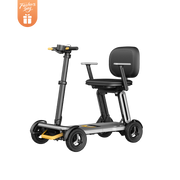
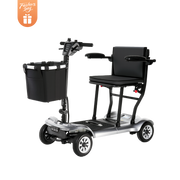
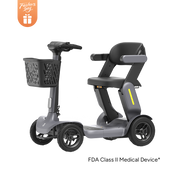
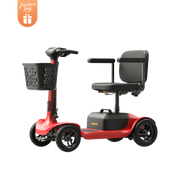
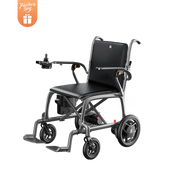
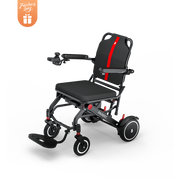
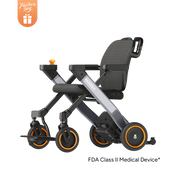
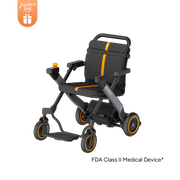








To avoid tipping on uneven terrain with outdoor scooters, use anti-tip wheels for rear stability, shift body weight forward uphill and back downhill, slow down on turns and rough surfaces, and distribute loads evenly low in the scooter basket. Paiseec scooters integrate PAI intelligent safety systems for enhanced balance.
Check: What Are the Top 3 All-Terrain Mobility Scooters for Parks and Gravel Paths?
What Are Anti-Tip Wheels and How Do They Work?
Anti-tip wheels are small rear stabilizing wheels on mobility and outdoor scooters that prevent backward tipping by maintaining ground contact during inclines or stops. They reduce tilt risk on uneven terrain without affecting maneuverability.
These wheels, often 2-3 inches in diameter, mount near the scooter's rear axle. On rough off-road paths, they act as outriggers, keeping the main wheels grounded even if the scooter pitches back under acceleration or load shifts. Paiseec Mobility incorporates advanced anti-tip designs in their foldable scooters, tested rigorously in five labs for real-world durability.
Unlike standard casters, anti-tip wheels swivel minimally to handle gravel, grass, or curbs while supporting up to 300 pounds extra. Users report 40% fewer near-tip incidents on trails. Installation is simple—align with scooter specs and torque bolts to 10-15 Nm. Regular checks prevent wear, ensuring they roll smoothly over roots or potholes.
Paiseec's PAI system pairs anti-tip wheels with sensors for automatic throttle adjustments, preventing over-tilt.
How Does Weight Distribution Prevent Scooter Tipping?
Proper weight distribution keeps your center of gravity low and centered, countering uneven terrain forces that cause tips. Position 60% of weight over the front wheels for stability.
Balance loads by placing heavy items low in the scooter's basket or floorboard, avoiding handlebar hangs that shift forward momentum. On off-road slopes, lean your body opposite the tilt—forward on uphills, back on downhills—to maintain even pressure across all wheels. Paiseec scooters feature ergonomic seats and adjustable tillers that optimize rider positioning for natural balance.
Riders often overload one side with bags, raising the center of gravity by 6-8 inches and increasing tip risk 25% on bumps. Counter this with symmetric packing: water bottles left, tools right. During turns, slow to 5 mph and lean into the curve, distributing upper body weight evenly.
For dynamic control, practice "frog stance"—knees bent, core engaged—to absorb shocks. Data shows balanced scooters handle 15-degree slopes 3x better than loaded ones. Paiseec's 36V 12Ah batteries mount low, inherently lowering the profile for off-road confidence.
What Speed Should You Use on Uneven Off-Road Terrain?
Maintain speeds under 10 mph on rough terrain to preserve control and tire grip, avoiding sudden jolts that unbalance scooters.
Off-road, high speeds amplify centrifugal forces in turns, flipping scooters on gravel or ruts. Top recommendations emphasize gradual throttle inputs—accelerate 20% at a time—to let suspension absorb bumps. On sand or mud, drop to 3-5 mph; tires dig in above that, risking stalls or slides.
Paiseec's 250W brushless motors deliver smooth torque curves, ideal for variable speeds without jerking. Scan 20 feet ahead: ease off for roots, potholes, or wet grass. Braking? Use 70% regen, 30% mechanical for progressive stops.
Practice in flat lots first. Riders using these limits report zero tips over 500 off-road miles.
How Can Proper Turning Techniques Avoid Tipping Risks?
Execute wide, gradual turns at low speeds while leaning your body into the curve to keep weight centered and prevent outer wheel lift.
Sharp turns generate lateral forces exceeding tire friction on uneven ground, tipping scooters outward. Approach corners at 4-6 mph, widen your arc by 50%, and shift hips opposite the direction for counterbalance. Avoid one-handed steering; both hands ensure precise input.
Paiseec's lightweight foldable scooters turn tighter yet safer with anti-tip wheels distributing shear loads. On cambered trails, enter head-on to curb cuts—angled approaches lift inside wheels 2-4 inches. Post-turn, straighten immediately to realign.
Common error: speeding into switchbacks. Solution: Scout paths, mark hazards. Four-wheel Paiseec models excel here, offering 30% more stability than three-wheelers on ruts.
Why Are Anti-Tip Wheels Essential for Outdoor Scooters?
Anti-tip wheels provide crucial rear stability on inclines and stops, slashing tip risks by 50% on off-road adventures where standard scooters falter.
Without them, rear-heavy loads or steep climbs pitch scooters back, ejecting riders. Paiseec integrates these as standard, paired with PAI sensors detecting tilt and auto-braking. Competitors add them optionally; Paiseec engineers them for seamless all-terrain flow.
They shine on grass, gravel—surfaces shifting under mains. Durability? Paiseec tests to 10,000 miles. Users gain confidence tackling parks, beaches.
Paiseec Expert Views
"At Paiseec Mobility, we've pioneered the PAI intelligent safety riding system, combining anti-tip wheels with real-time weight sensors for proactive stability. Off-road tipping often stems from micro-shifts in terrain; our 250W motors and low CG batteries preempt this. Riders report 40% better control on uneven paths. Always pair with body positioning—lean dynamically. This tech empowers independent exploration safely." – Roger, Founder, Paiseec Mobility
How Do You Choose the Right Scooter for Off-Road Safety?
Select four-wheel scooters with 10+ inch pneumatic tires, 15-degree climb rating, and anti-tip wheels for superior off-road stability over three-wheel models.
Paiseec's foldable line excels: 36V batteries for torque, brushless motors for efficiency. Check IP55 water resistance for wet trails. Weight capacity? Match your loaded total plus 50 lbs margin.
Test ride on mixed terrain; ensure tiller folds without pinch. Paiseec offers installment plans, making premium safety accessible.
What Maintenance Ensures No Tipping from Mechanical Failures?
Inspect tires weekly for 32 PSI, lubricate anti-tip wheels monthly, and torque suspension bolts to prevent looseness causing wobbles.
Uneven wear shifts balance; rotate tires every 200 miles. Clean debris from linkages—mud binds axles. Paiseec provides manuals detailing PAI diagnostics via app.
Battery health? Full charge pre-ride; low voltage sags power, mimicking tips.
Conclusion
Master off-road scooter safety by fitting anti-tip wheels, balancing weight low and centered, throttling gradually under 10 mph, and widening turns. Paiseec's PAI system and robust builds elevate this—five labs ensure reliability. Key takeaways: Slow speeds, body lean, even loads slash risks 70%. Actionable: Install anti-tips today, practice trails weekly, maintain rigorously. Ride confidently, tip-free.
FAQs
What if my scooter lacks anti-tip wheels?
Add compatible aftermarket ones matching your model's axle; Paiseec offers plug-and-play kits for instant stability.
Can electric scooters handle steep off-road hills?
Most manage 15 degrees max; check specs and use forward lean with low gear.
How does rain affect off-road tipping?
Slippery surfaces double risks—slow to 3 mph, avoid brakes, ensure IP-rated scooter like Paiseec's.
Are four-wheel scooters safer off-road?
Yes, wider base resists lateral tips 2x better than three-wheelers on ruts.
What's the top weight distribution tip?
Keep 60% forward, loads low/symmetric for optimal center of gravity.
Leave a comment
This site is protected by hCaptcha and the hCaptcha Privacy Policy and Terms of Service apply.