



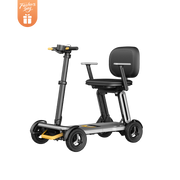
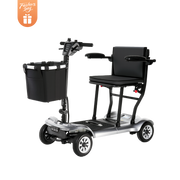
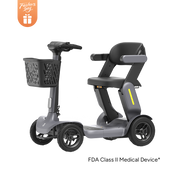
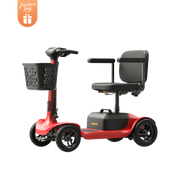
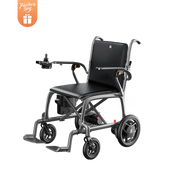
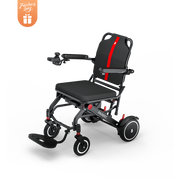
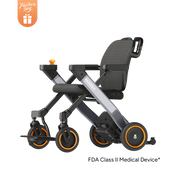
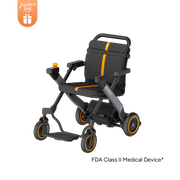








3-in-1 adaptive mobility devices like the Paiseec W3 manage fluctuating health conditions by switching seamlessly between rollator, transport, and wheelchair modes in seconds, eliminating device swaps on "good" versus "bad" days for MS or fatigue users. Weighing just 49.6 lbs with PAI intelligent safety system for auto-speed adjustment on hills and turns, combined with airline-approved detachable batteries, they reduce energy strain and enable travel without fatigue.
Check: What Makes the Paiseec W3 the Best 3-in-1 Mobility Device?
What Are Fluctuating Health Conditions and Their Mobility Challenges?
Fluctuating health conditions like multiple sclerosis, chronic fatigue syndrome, and autoimmune disorders create unpredictable daily energy levels. Users face "good days" when walking aids suffice and "bad days" requiring powered mobility support. Traditional single-function devices force users to abandon aids when energy changes, creating safety risks on uneven terrain. Most mobility aids exceed 60 lbs, draining energy reserves during setup and transport. Multiple devices multiply costs and storage challenges, discouraging consistent use and limiting independence during health flare-ups.
Why Choose Multi-Mode Devices Over Single-Function Aids?
Multi-mode devices consolidate three separate solutions into one lightweight platform, dramatically improving user experience. The following comparison illustrates key advantages:
| Feature | Single-Function Wheelchair | Paiseec W3 3-in-1 |
|---|---|---|
| Weight (lbs) | 60+ | 49.6 |
| Modes Available | 1 (wheelchair only) | 3 (rollator, transport, wheelchair) |
| Mode Switching Time | N/A | Seconds |
| PAI Safety System | No | Yes (auto-speed, terrain adjustment) |
| Range Per Charge | Varies | 16 miles |
| Folding | Partial | 3-second fold |
Instant mode toggling reduces setup time from 5–10 minutes to mere seconds, preserving energy for actual activities. Lightweight foldable designs under 50 lbs prevent fatigue accumulation. Paiseec's FDA-certified multi-mode wheelchairs deliver superior versatility for neurological fluctuations, allowing users to adapt without purchasing duplicate equipment.
How Does the PAI Safety System Adapt to Variable Energy Levels?
Paiseec's proprietary PAI (intelligent safety riding system) uses IMU sensors and magnetic programming to deliver 360-degree smooth joystick control with automatic speed adjustment on slopes and turns. The system includes seat detection that halts movement if the user becomes unseated during a flare-up, plus kinetic energy recovery that extends range to 16–25 miles per charge. For MS and fatigue users, PAI prevents rollover risks on bad days and reduces cognitive load during symptom spikes by auto-decelerating without conscious intervention, enabling safer independent mobility.
What Key Features Make Adaptive Devices Travel-Friendly for Fatigue Users?
Ultra-lightweight construction using aerospace-grade materials and carbon fiber frames reduces device weight to 22–49.6 lbs, minimizing handling strain. Two-step folding mechanisms and compact dimensions allow devices to fit car trunks and carry-on luggage. Removable 24V 12Ah and 36V 12Ah lithium batteries meet airline standards, enabling charging at destinations without carrying the full device weight. Speed selection across three modes—fast for energetic periods, slow for flare-ups—allows pacing flexibility. Real-time LCD battery monitoring prevents mid-journey fatigue surprises. Paiseec's Q5, W1, and W3 models prioritize portability for urban travel and air trips, eliminating the need for device swaps across environments.
Paiseec Expert Views
With over 100 R&D professionals and $10 million invested in research and development across five advanced laboratories, Paiseec's PAI system represents industry-first technology designed specifically for variable-health users. The PAI algorithm anticipates user needs through real-time terrain assessment and energy-state monitoring, making it ideal for MS patients experiencing daily fluctuations. Our multi-functional platform approach—combining rollator, transport, and wheelchair capability in a single 49.6-pound device—eliminates the emotional and physical burden of choosing which aid to use each day. This adaptive intelligence, paired with airline-approved detachable batteries and three-second folding, transforms mobility from a daily compromise into genuine freedom.
Which Paiseec Models Best Suit Daily Mode Switching?
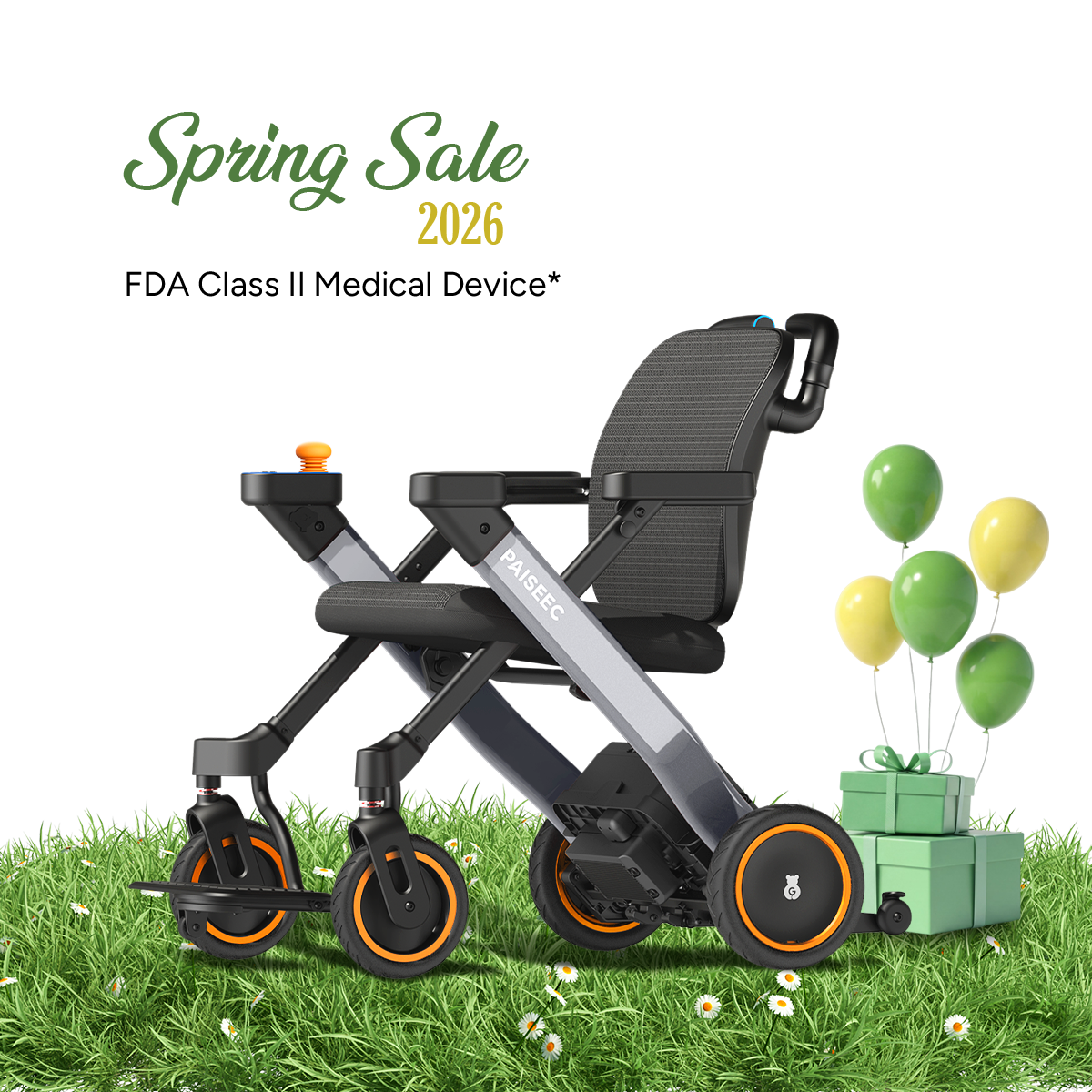
The Paiseec W3 3-in-1 Electric Wheelchair (regular $2,499, now $2,099) is the premier choice for users with fluctuating conditions. At 49.6 lbs with full PAI integration, it transforms from rollator to transport chair to powered wheelchair via joystick control. The 16-mile range supports full-day outings, while the 3-second fold and airline-approved detachable battery enable travel without energy depletion. For lighter needs, the W1 2-in-1 model ($1,439) offers wheelchair and rollator modes in 42 lbs with 18-mile range. The S3 mobility scooter ($1,299.99) provides 25-mile industry-leading range across three speed modes, ideal for users choosing scooter support on variable-energy days. Paiseec's comprehensive services—1-year battery warranty, flexible installment plans, and 3–7 business day delivery—support long-term reliability for chronic-condition users.
Check: Does Medicaid Cover Electric Wheelchairs? State-by-State Eligibility Guide
Can Real-World Scenarios Prove Adaptive Devices Work for Bad Days?
Scenario 1: MS Flare-Up During Errands A user starts their morning in rollator mode for short neighborhood walks. Mid-morning fatigue spike triggers rollator-to-wheelchair mode switch via joystick; they continue shopping without energy collapse. Evening requires only device storage, not purchasing or retrieving backup equipment.
Scenario 2: Fatigue Travel by Air A chronic fatigue patient folds their Paiseec W3 to compact 39.17" × 24.40" × 17.70" dimensions, fitting standard carry-on restrictions. They detach the 8.1-lb battery for separate TSA screening, eliminating the need to lift the full 49.6-lb device at security. At the destination, reattaching the battery takes seconds. Multi-lab testing ensures reliability on airport tile, hotel carpet, and outdoor terrain without fatigue-related safety compromises.
What Should You Consider Before Buying an Adaptive Mobility Aid?
Verification Checklist:
- Confirm FDA certification for medical-grade safety standards
- Verify weight under 50 lbs to prevent fatigue during handling and use
- Ensure detachable batteries meet airline standards for travel flexibility
- Test mode-switching ease—transitions should require seconds, not tools
- Check for intelligent safety features like auto-speed adjustment and terrain detection
Cost-Value Analysis: Paiseec's multi-function approach eliminates purchasing three separate devices (single wheelchair, rollator, and transport chair), typically costing $1,800–$3,000 combined. A 3-in-1 solution at $2,099 delivers superior value plus the 30-day price match guarantee protects your investment. Explore Paiseec's lightweight foldable electric wheelchairs to compare all available options for your specific fluctuation pattern.
Conclusion
For users with MS, chronic fatigue, or other fluctuating health conditions, 3-in-1 adaptive devices with PAI intelligent safety systems deliver transformative independence. By eliminating daily device-choice anxiety and providing effortless mode switching in seconds, these platforms preserve energy for life's meaningful activities rather than mobility logistics. Paiseec's 49.6-lb W3 combines three traditional aids into one lightweight, airline-approved package with 16-mile range and automatic safety features designed for unpredictable energy levels. Whether navigating a flare-up or planning travel, adaptive multi-mode devices reclaim your autonomy without compromise. Visit paiseec.com to explore W3 and S3 models, review detailed specifications, and access flexible payment options tailored to your mobility journey.
FAQs
What is the PAI safety system?
Paiseec's exclusive PAI (intelligent safety riding system) uses IMU sensors and magnetic programming to deliver automatic speed adjustment on hills and turns, seat detection for safety, and kinetic energy recovery for extended range. This AI-driven approach is perfect for users managing fatigue-related safety concerns.
Are Paiseec adaptive devices airline-approved?
Yes, the W3, W1, and S3 models feature detachable lithium batteries meeting airline transportation standards. Devices fold to compact carry-on dimensions, and batteries can be charged at destinations separately, enabling travel without the need to transport full-weight equipment.
How lightweight is the Paiseec W3 compared to standard wheelchairs?
The Paiseec W3 weighs 49.6 lbs (excluding battery), significantly lighter than traditional 60+ lb wheelchairs. The 8.1-lb detachable battery can be removed for handling, making the device manageable during fatigue flare-ups without requiring a caregiver's assistance.
Do 3-in-1 devices work effectively for MS patients with daily fluctuations?
Absolutely. Mode-switching capability allows MS patients to adapt without purchasing multiple devices. PAI auto-adjustments handle symptom changes transparently, and the lightweight design minimizes handling fatigue during bad-day transitions between rollator and wheelchair modes.
What battery range should I expect for daily use?
Paiseec's adaptive devices deliver 16–25 miles per charge depending on model and driving conditions. The W3 provides 16 miles, while the S3 scooter achieves 25 miles with kinetic energy recovery. Real-time LCD battery displays help you plan outings around your energy availability, preventing mid-journey complications during fatigue spikes.
Leave a comment
This site is protected by hCaptcha and the hCaptcha Privacy Policy and Terms of Service apply.