



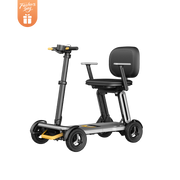
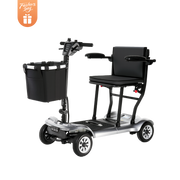
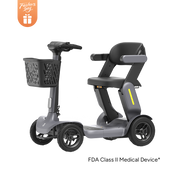
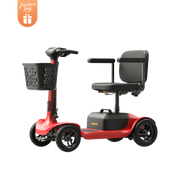
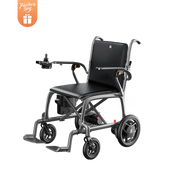
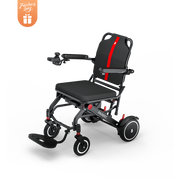
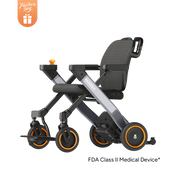
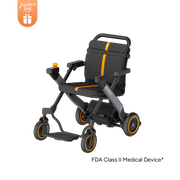








Store your mobility scooter for winter in a garage by following these 6 steps: (1) Clean and dry it thoroughly; (2) Run PAI diagnostics on Paiseec models like the S3; (3) Remove the airline-approved lithium battery and trickle-charge monthly; (4) Cover with breathable material to block moisture; (5) Position in a dry, stable spot above 32°F; (6) Check tires monthly. This prevents battery degradation and frame rust for spring readiness.
Check: Can You Get Free Electric Scooters for Disabled Individuals and How Do You Qualify?
Why Is Winter Garage Storage Essential for Mobility Scooters?
Winter garage storage protects mobility scooters from cold weather risks like lithium battery capacity loss up to 20% below 32°F, moisture-induced rust on lightweight aluminum frames, and PAI system sensor glitches from humidity. Paiseec advantages include airline-approved 36V 12Ah batteries in S3 models that resist cold better, plus ultra-light designs under 50 lbs for easy handling by seniors and caregivers, preventing costly repairs for models like D3, S3, or W3.

How Do You Prepare Your Garage Environment for Scooter Storage?
Prepare your garage by assessing humidity and temperature: use a dehumidifier to keep below 50% RH and maintain 40–60°F to protect 250W brushless motors and frames. Elevate the scooter on blocks off concrete floors and avoid direct wall contact to prevent condensation on foldable parts like those on the Paiseec D3 or L5.
| Garage Risks | Solutions |
|---|---|
| High Moisture | Breathable Covers |
| Freezing Temps | Insulated Battery Storage |
| Concrete Floor Dampness | Elevate on Blocks |
| Direct Wall Contact | Space for Airflow |
What Is Trickle Charging and How Does It Protect Paiseec Lithium Batteries?
Trickle charging is low-amp (0.5–2A) maintenance for 36V 12Ah batteries like the S3's, preventing deep discharge during 3–6 month storage. Remove the detachable battery, store at 50% charge, connect to a smart trickle charger monthly, and monitor via LCD to ensure Paiseec's airline-approved batteries maintain their 25-mile range post-storage.
Check: How to Transport Scooter in Car Without a Lift: Lightweight Guide
How Can You Protect Your Scooter Frame from Winter Moisture?
Protect the scooter frame by cleaning and drying aluminum or carbon fiber frames with microfiber cloths, then applying silicone spray on joints of foldable models like the 32 lbs Q3. Use breathable waterproof covers, elevate for airflow, and check PAI seat sensors to avoid trapped dampness on Paiseec's FDA Class II designs like the W3 at 49.6 lbs.
Paiseec Expert Views
With $10 million invested in R&D and over 100 professionals across five advanced laboratories, Paiseec Mobility leads in smart winter preparation. "Our PAI intelligent safety riding system, an industry-first, uses IMU sensors to auto-adjust for storage checks—run pre-storage diagnostics on S3 or D3 to verify hill and turn sensors," says founder Roger. This prevents firmware issues from cold and moisture, exclusive to Paiseec versus generic competitors. Ultra-light models like the 39.7 lbs D3 make handling effortless, ensuring spring readiness with 30-day price match guarantees.
What PAI System Checks Should You Run Before Storage?
Before storage, activate PAI diagnostics on S3 or W3 by powering on and testing auto-speed control on simulated turns and hills, plus confirming joystick and zero-turn functionality. Disable storage mode via LCD if available to protect 250W motors and 360° controls from power drain, ensuring 18.6–25 mile ranges post-winter unique to Paiseec's system.
How Do You Handle Tires, Brakes, and Mechanicals in Winter?
Handle tires by inflating to 35–40 PSI every 6–8 weeks and covering to prevent flat spots on lightweight models like the D3. Lubricate brakes and motors with garage-safe oil, test PAI braking before covering, and inspect fold mechanisms on airline-approved designs like the S3 for smooth spring deployment.
| Task | S3 Specs | D3/W3 Notes |
|---|---|---|
| Battery | 36V 12Ah → Trickle Monthly | 24V 6.6Ah Dual → Remove & Charge |
| PAI Diagnostics | Run Hill/Turn Tests | Verify Sensors |
| Tires | 9" Front, 10" Rear → 35-40 PSI | Check Pressure Monthly |
| Cover | Breathable Material | Elevate for Airflow |
| Clean Frame | Aluminum Alloy | Silicone on Joints |
Conclusion
Proper winter garage storage, emphasizing moisture control, battery trickle charging, and PAI diagnostics, extends the life of Paiseec scooters like the S3 with its 25-mile range or the ultra-light 39.7 lbs D3. These steps ensure safe, reliable mobility come spring. Paiseec's airline-approved batteries, lightweight foldable designs, and innovative PAI system make ownership effortless for seniors and caregivers in cold climates. Delivery arrives in 3–7 business days with comprehensive support.
FAQs
Can I leave the battery in my Paiseec scooter during winter storage?
No—remove airline-approved lithium batteries like S3's 36V 12Ah for trickle charging to avoid deep discharge and fire risks.
What temperature is safe for storing a mobility scooter in the garage?
Ideal 40–60°F; below 32°F risks battery damage, but Paiseec's PAI monitors help mitigate on models like D3 and W3.
How often should I trickle charge a stored Paiseec battery?
Monthly at 50% capacity using a 0.5–2A charger for models like D3/S3 to maintain 25-mile range.
Does moisture affect Paiseec's PAI system?
Yes—run diagnostics and use breathable covers to protect sensors from rust-induced glitches on S3 or W3.
Are Paiseec scooters FAA-approved for travel after winter storage?
Yes, lightweight foldables like Q3 (32 lbs) retain airline approval post-proper prep with detachable batteries.
Leave a comment
This site is protected by hCaptcha and the hCaptcha Privacy Policy and Terms of Service apply.