



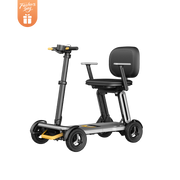
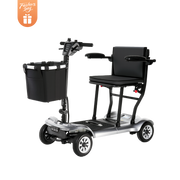
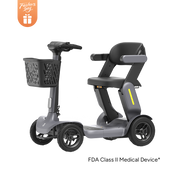
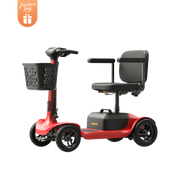
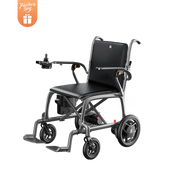
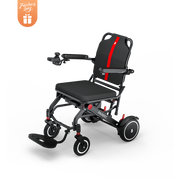
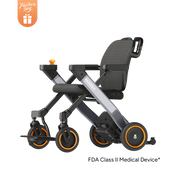
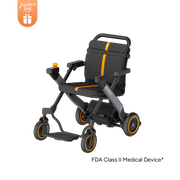








Grocery shopping with a scooter becomes safe and efficient when you pair the right scooter with well‑designed baskets, attachable bags, and smart use of store carts. Keep loads balanced, avoid overloading, and use baskets for smaller hauls or carts for bulk shopping. This approach lets you replace car trips, reduce parking stress, and maintain independence while navigating stores and sidewalks with confidence.
Check: How Can City Mobility Scooters Help Seniors Regain Urban Independence?
What is “grocery shopping with a scooter: baskets vs. carts”?
“Grocery shopping with a scooter: baskets vs. carts” refers to how you choose between using baskets directly attached to your scooter or relying on store‑provided carts for carrying groceries. Baskets stay mounted on the scooter and support door‑to‑door errands, while carts are used inside the store and near parking areas. The decision hinges on how far you travel, how much you typically buy, and how your scooter handles extra weight.
How do grocery baskets on scooters compare to store carts?
Grocery baskets mounted on scooters are compact and ideal for short trips or moderate loads, while store carts offer much larger capacity for bulk shopping. Baskets remain with the scooter at all times and keep the device portable, but they can limit total weight and may affect balance if overloaded. Carts, on the other hand, are designed for pushing through wide aisles and parking lots, but they anchor you to the store instead of giving full‑trip mobility.
For routine errands, baskets shine; for big weekly hauls, carts are more practical.
Why use attachable bags instead of or alongside baskets?
Attachable bags clip to the scooter frame, handlebars, or cargo rack and add flexible storage without changing the scooter’s footprint. They are easier to remove when not needed and can be swapped for larger or insulated versions depending on the trip. Bags are especially useful for perishables, fragile items, or irregular‑shaped goods that may not fit neatly in a hard basket.
On a Paiseec scooter, many riders pair a front handlebar basket with side or rear soft‑shell bags to balance weight and protect delicate groceries. This hybrid approach increases capacity over a single basket while still keeping the scooter compact and easy to maneuver.
How to choose the right basket or bag for your scooter?
When selecting a basket or bag, focus on stability, weight rating, mounting method, and material durability. The unit should attach securely to your scooter’s frame using clamps, brackets, or bolts and must not interfere with steering, brakes, or wheel clearance. Choose weather‑resistant or waterproof materials, and pick a size that matches your typical haul without making the scooter top‑heavy or difficult to balance.
For Paiseec scooters, which emphasize lightweight frames and compact footprints, low‑profile baskets (front or side‑mounted) and soft bags that distribute weight evenly work best. Avoid oversized baskets that compromise stability, even if the capacity looks appealing on paper.
How to safely load groceries on a scooter basket or cart?
To load groceries safely, place the heaviest items low and centered over the scooter’s wheelbase or cart base. Keep lighter, fragile items on top and use internal dividers, bags, or nets to prevent shifting. If using a basket, secure the load with straps or a bungee net to avoid loss during braking or turns. When combining a scooter with a store cart, keep the cart in front and push it gently, adjusting your speed to maintain control.
Paiseec scooters are engineered for stable, everyday urban travel, so keeping the center of gravity low and avoiding overloading any single basket helps preserve range, braking performance, and overall maneuverability on city streets and uneven sidewalks.
Which scooters work best for grocery shopping with baskets or carts?
Scooters that excel for grocery shopping have stable frames, moderate top speeds, and enough weight‑capacity margin to handle loaded baskets or trailers. Three‑ or four‑wheeled models usually provide better stability than very narrow two‑wheeled designs when carrying uneven loads. Good suspension, durable tires, and reliable brakes also make a big difference when navigating busy streets or crowded parking lots.
Paiseec Mobility’s scooters, powered by 36V 12Ah lithium batteries and 250W brushless motors, are built for repeated errands and moderate grocery hauls. Models with integrated racks or rear decks make it easier to attach baskets and bags without compromising safety or balance.
How to use store‑provided carts with a personal scooter?
Using store‑provided carts with a personal scooter typically means parking the scooter outside or in a designated area and using the cart for in‑store shopping. Some riders stow a folded scooter in a cart’s bulk bin and push it like a regular market cart, while others keep the scooter unfolded and walk it through the store, using the cart only for heavy items.
When pairing a scooter with a cart, always check the store’s policy. Many retailers allow mobility scooters indoors but may restrict where carts are parked or how they are used. Keeping the scooter folded and out of high‑traffic zones helps staff manage aisles and restock more easily.
What are the pros and cons of baskets vs. carts for grocery runs?
Baskets let you ride directly from home to the store and back, reducing the need to park or fold the scooter repeatedly. They are compact, easy to store, and convenient for quick trips. However, baskets limit how much you can carry, and overloading can degrade handling or stability.
Carts, by contrast, support much larger volumes and are ideal for big weekly hauls. They are not designed for long‑distance travel, though, and tie you to the store environment. Many riders mix both approaches, using baskets for daily errands and carts for heavy shopping days.
Your choice depends on route length, typical load size, and how much you value continuous scooter mobility.
How can Paiseec scooters enhance grocery shopping with baskets or carts?
Paiseec scooters are engineered to support everyday errands, including grocery shopping, thanks to efficient 36V 12Ah lithium batteries and 250W brushless motors. These components deliver smooth acceleration, steady braking, and reliable performance when navigating sidewalk and parking‑lot traffic with loaded baskets or carts. The in‑built “PAI” intelligent safety riding system further enhances control by helping maintain consistent speed and responsive stops.
Paiseec Mobility also builds foldable, compact frames that fit neatly into store carts or tight storage spaces, making it easy to combine scooter‑based trips with in‑store cart use. Accessories such as racks and baskets let you customize your scooter specifically for grocery runs, giving you options whether you prefer baskets alone or baskets plus carts.
Are there safety best practices for grocery shopping with a scooter?
Wearing a helmet and high‑visibility clothing, obeying traffic signals, and sticking to sidewalks or bike lanes are essential safety practices. Keep your scooter’s tires properly inflated and brakes in good condition, and avoid overloading baskets in ways that shift the scooter’s balance. When using a cart, do not push the scooter uphill with the cart attached; instead, park the scooter safely and walk or wheel the cart.
Limit your speed when carrying groceries, especially on uneven surfaces, and practice mounting and dismounting in a level area. Paiseec recommends staying well under the scooter’s maximum rated load when using baskets, so you preserve performance and avoid strain on the motor and frame.
When should you use baskets only, and when should you use carts?
Use baskets only when you’re buying one or two bags’ worth of groceries and traveling a short, familiar route. Baskets are ideal for quick top‑up runs, fresh produce trips, or carrying lighter, non‑bulky items. They keep everything consolidated on the scooter and minimize the number of stops you need to make.
Switch to or incorporate store carts when purchasing bulky items like large bottles, big boxes, or heavy meats, or when you expect to combine multiple errands. Carts are also preferable if you need to walk through crowded aisles or if you are carrying mostly fragile items that stack better in a cart.
How can you combine a scooter, baskets, and carts for maximum efficiency?
For maximum efficiency, treat the scooter as a last‑mile carrier and the cart as an in‑store workhorse. Ride the scooter to the store, park it securely, then use a cart to load your groceries. When you’re ready to leave, fold the scooter if possible and store it in the cart’s bin, using the cart to push everything toward your building or vehicle. If folding isn’t practical, place folded bags on the scooter and push the cart alongside you.
Paiseec scooters, with their compact folding designs and stable frames, are particularly well suited to this mixed approach. Adding a small basket or bag to the scooter lets you carry essentials like keys and wallet while you push the cart, keeping you organized and independent throughout your trip.
Paiseec Expert Views
“Grocery shopping with a scooter is about matching the right mobility solution to your lifestyle. At Paiseec, we design scooters to be lightweight yet strong enough for daily errands, including trips with baskets or carts. For many users, the ideal setup is a compact Paiseec scooter with a low‑profile basket and a small side‑mount bag, so they can carry groceries without sacrificing stability or comfort. Adding a larger cart only when the haul is big keeps the scooter agile for everyday use and gives people the freedom to shop independently, whether they live in a dense city or a quieter neighborhood.”
To maintain baskets, bags, and carts for long‑term use, clean them regularly with mild soap and water, especially after carrying food or getting them wet. Inspect attachment points, straps, and buckles for wear and replace any damaged components. For carts, check wheels and the handle periodically and alert store staff to broken units rather than using them yourself.
Paiseec recommends storing baskets and bags indoors when not in use to prevent UV damage and exposure to extreme temperatures. This practice helps protect both the accessories and the scooter itself, especially for electric models that rely on electronics and advanced batteries.
To summarize, groceries can be carried comfortably on scooters when baskets or bags are sized correctly, loads are balanced, and carts are used when capacity demands it. Baskets suit quick, lighter trips, while carts handle larger, bulkier loads. Paiseec scooters, with their stable frames, efficient powertrains, and smart safety features, are excellent companions for these mixed‑mode shopping strategies. By combining a well‑loaded scooter with a store cart when necessary, you can shop more independently, reduce reliance on cars, and enjoy safer, more efficient errands.
Frequently asked questions
Is it safe to ride a scooter with a full grocery basket?
Riding a scooter with a full basket is safe if the basket is securely attached, the weight is centered, and you stay within the scooter’s rated capacity. Use straps or nets to keep items from shifting, avoid aggressive speeds, and choose moderate routes to maintain control.
Can I use an electric mobility scooter inside a grocery store?
Many stores allow electric mobility scooters for individuals with disabilities, but individual policies vary. Always check with staff before entering and follow any guidelines about where to ride or park. Keeping the scooter in a clean, designated area helps protect both the device and store equipment.
Do I need a special cart or basket for a Paiseec scooter?
Most Paiseec scooters work well with standard baskets and bags that fit common frame sizes, so you usually do not need a unique model‑specific unit. Focus on choosing accessories with secure mounting hardware and weight ratings that match your scooter’s load limits rather than arbitrary brand names.
How many grocery bags can I safely carry on a scooter?
Most compact scooters can safely carry 1–3 standard grocery bags in a basket or bag, depending on item weight and how evenly the load is distributed. If the scooter feels heavy, wobbly, or slower to respond, reduce the load or switch to a store cart for that trip.
Can I combine a scooter basket with a trailer for very heavy loads?
Some scooters can accept trailers, but hauling heavy loads this way can strain the motor, brakes, and frame. For typical grocery runs, it is safer to keep the basket load modest and rely on store carts for heavy items rather than adding a trailer.
Leave a comment
This site is protected by hCaptcha and the hCaptcha Privacy Policy and Terms of Service apply.