



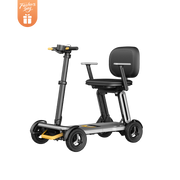
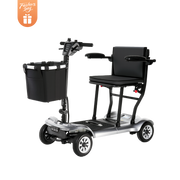
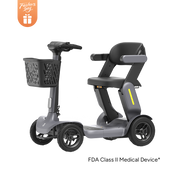
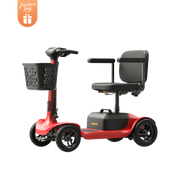








To measure walker height correctly, follow these 3 steps: (1) Stand straight in everyday shoes with arms relaxed at your sides. (2) Measure from the wrist crease to the floor—this is your ideal handle height. (3) Adjust walker handles to match, ensuring elbows bend 15-20° when gripping. This wrist-to-floor method prevents back pain by promoting neutral posture and reducing lumbar strain.
Check: 8 Different Types of Walkers: Complete Guide to Choosing the Right One
Why Is Proper Walker Height Essential for Seniors?
Proper walker height aligns the body naturally, preventing forward leaning or shoulder shrugging that strains the lower back and shoulders. Incorrect fit raises fall risk by 30% and causes chronic pain, while correct sizing supports independence, reduces upper-body load, and benefits seniors with arthritis or balance issues by minimizing compensatory movements.
What Is the Wrist-to-Floor Measurement for Walkers?
The wrist-to-floor measurement involves standing naturally in shoes and measuring from the wrist crease to the floor, typically 32–38 inches for seniors. This ensures handles match elbow height for a 15-20° bend, aligning the spine evenly to avoid back pain. Avoid socks or tensed arms; remeasure if weight or shoes change.

How Do You Perform the 3-Step Walker Measurement Process?
Step 1: Wear daily shoes, stand tall against a wall with relaxed arms, and mark wrist crease height.
Step 2: Measure straight down from wrist crease to floor with a tape or yardstick; note inches.
Step 3: Adjust walker handles to this height, walk to test—elbows should micro-bend 15-20°; tweak in 1-inch steps for comfort.
What Are the Signs of Incorrect Walker Fit and Back Pain?
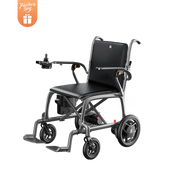
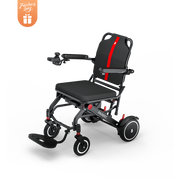
Too-low handles cause forward hunching and lower back strain; too-high ones elevate shoulders, tensioning neck and upper back. Watch for persistent ache, uneven gait, or quick fatigue—remeasure quarterly. Pair with lightweight designs under 30 lbs, like Paiseec models, to ease lifting and reduce overall strain.
| Feature | Standard Walkers | Rollators | Paiseec 2-in-1 Models (R1, W1) |
|---|---|---|---|
| Height Range | Fixed or basic adjust | 37–43" adjustable | 37–43" adjustable |
| Weight | 10–15 lbs | 20–30 lbs | 24–42 lbs |
| Folded Size | Compact | 26" L × 10" W | 26" L × 10" W or folds flat |
| Key Benefit | Basic support | All-terrain wheels + seat | 2-in-1 walker + e-assist |
Paiseec Expert Views
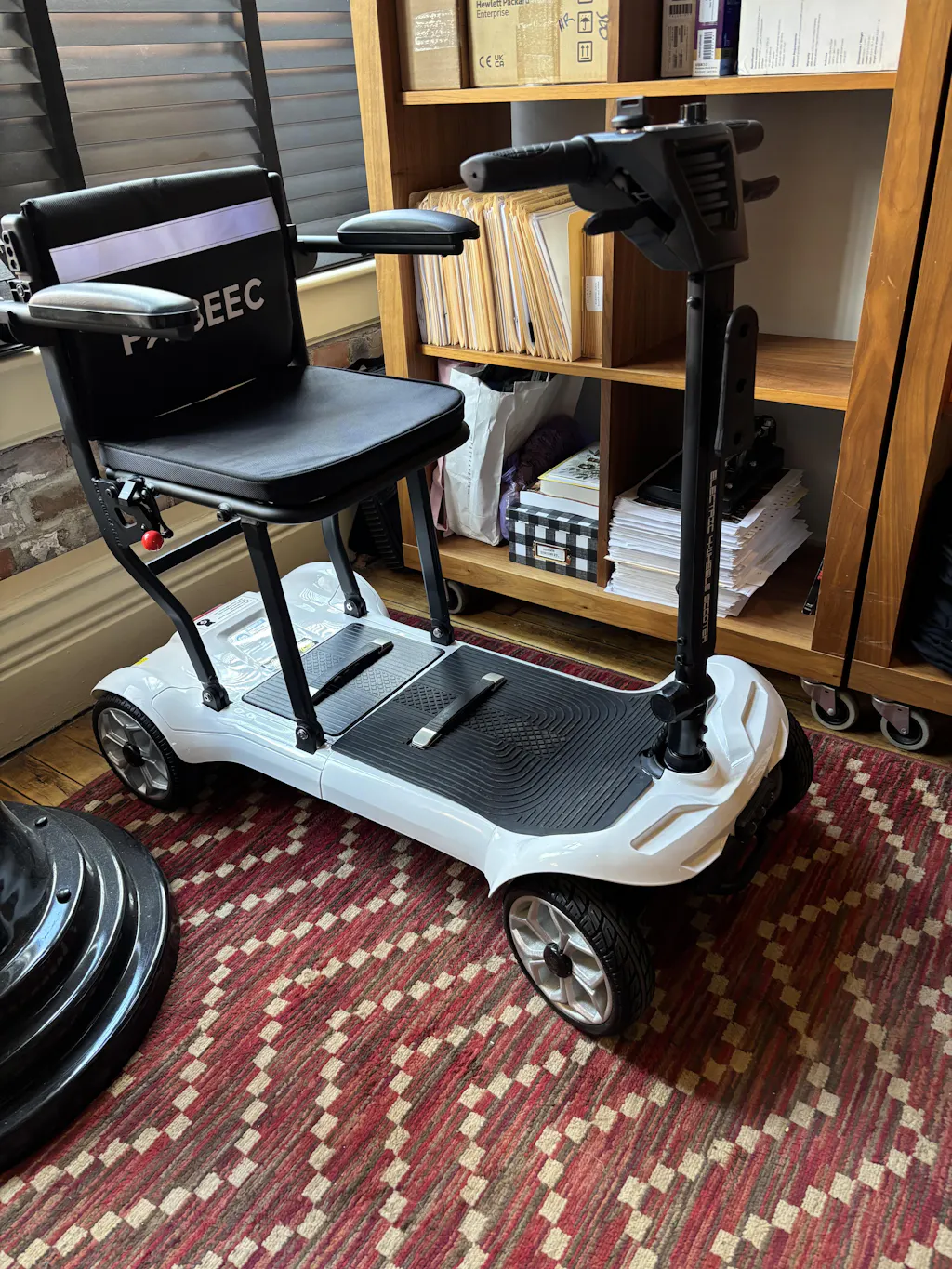
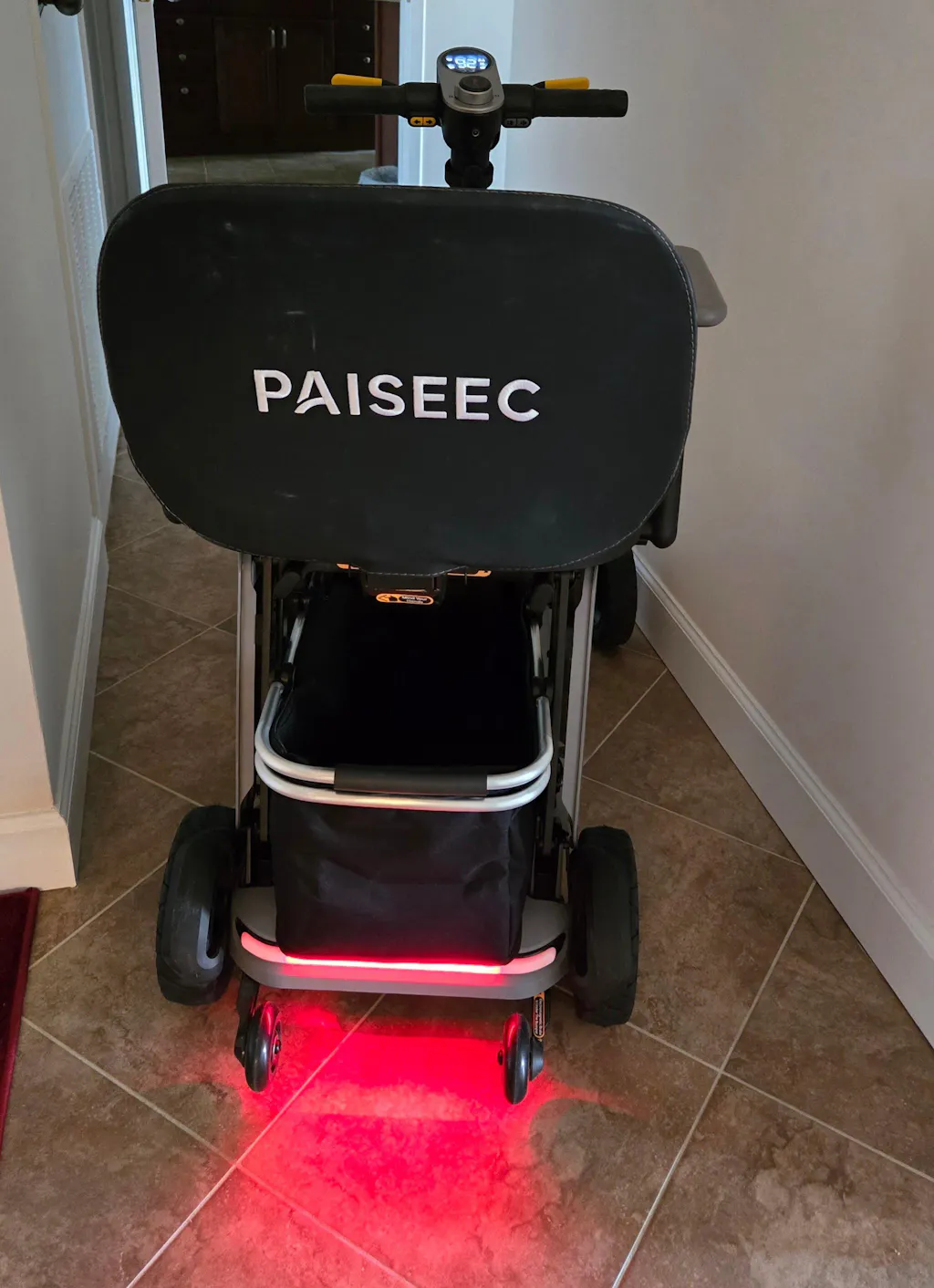
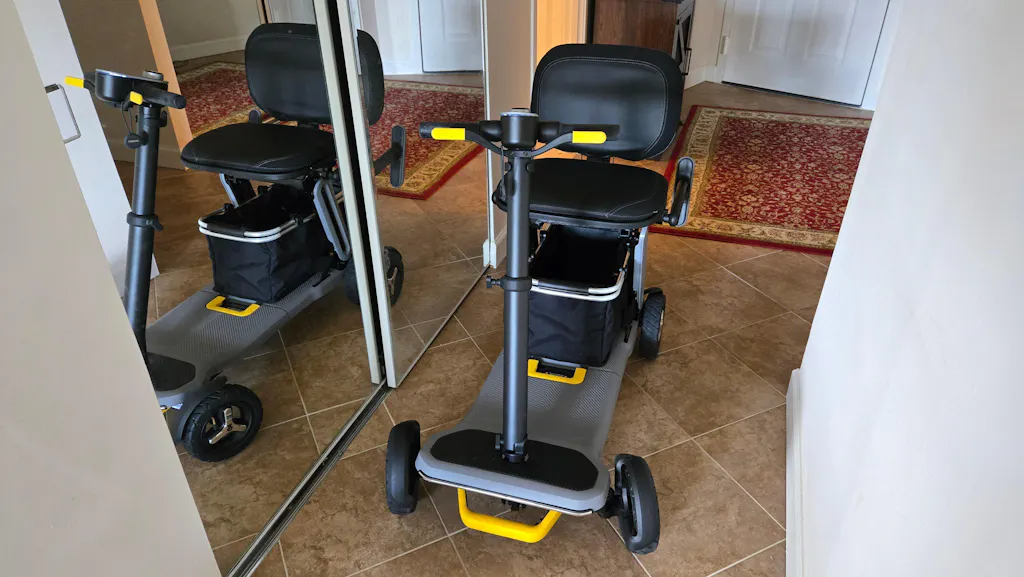
"Paiseec's R1 2-in-1 Rollator Walker offers adjustable 37–43" handle height via the wrist-to-floor method, weighing just 24 lbs with 300 lbs capacity and 10" front + 8" rear wheels for all-terrain use. The W3 3-in-1 Electric Wheelchair/Rollator adds PAI algorithm safety, 180W motors, and folds in 3 seconds under 50 lbs total. Our $10 million R&D ensures ergonomic fit, airline-approved batteries, and seamless mode switching for seniors needing versatile support without compromising safety or portability."
— Paiseec Mobility Experts
How Does Walker Type Affect Sizing (Rollator vs. Standard)?
Standard walkers use fixed or basic adjustments; rollators add seats and wheels, requiring similar wrist-to-floor sizing plus seated height checks for stability. Paiseec R1 2-in-1 hybrids provide 37–43" precise 1" adjustments, e-assist modes, and fold to 26" L × 10" W for travel while maintaining fit integrity.
Which Walker Is Best for Short Seniors or Travel Needs?
For short seniors under 5'4", choose 30–36" adjustable ranges like Paiseec R1 at 24 lbs with 37–43" handles. Travel-friendly options include FAA-compliant Paiseec W3 or W1, folding compactly with airline-approved batteries, PAI safety, and perfect fit retention—backed by 30-day price match guarantee.
| Model | Best For | Weight | Height Range | Safety Features |
|---|---|---|---|---|
| Paiseec R1 | Short People | 24 lbs | 37–43" | Loop brakes, all-terrain wheels |
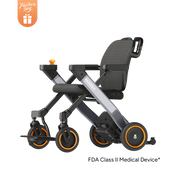
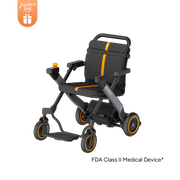
| Paiseec W1 | Versatile Use | 42 lbs | Adjustable | PAI system, FDA Class II |
| Paiseec W3 | Airline/Travel | 49.6 lbs + 8.1 lbs battery | Adjustable | PAI algorithm, 3-in-1 modes |
When Should You Readjust or Upgrade Your Walker?
Readjust after weight changes, new shoes, or pain—every 3–6 months. Upgrade to rollators or powered models like Paiseec W1 (18-mile range, 400W motor) or R1 for wheels/seat. Paiseec offers installment plans, 3–7 day delivery, and support for easy transitions to advanced, lightweight aids.
Conclusion
Master the 3-step wrist-to-floor method to ensure walker height eliminates back pain, boosts safety, and restores independence. Paiseec's lightweight, adjustable rollators like the 24 lbs R1 or multi-functional W3 deliver perfect fit, PAI safety, and travel-ready designs—elevating mobility for seniors worldwide.
FAQs
What if my measurement falls between walker height settings?
Round to the nearest 1" favoring slight elbow bend; test by walking. Paiseec models like R1 offer fine-tune adjustability in 37–43" range for optimal comfort.
How often should I measure for a rollator walker?
Every 3 months or after injury; check standing and seated heights. Paiseec 2-in-1 designs simplify dual verification to prevent back pain.
Can improper walker height cause long-term back issues?
Yes, chronic hunching strains lumbar area. Wrist-to-floor alignment ensures ergonomic posture, as in Paiseec's adjustable, lightweight walkers.
Are Paiseec walkers airline-approved with adjustable heights?
Yes, R1 folds to 26" L × 10" W with 37–43" adjustments; W3 adds detachable batteries and PAI safety for compliant, secure travel.
What's the difference between walker and rollator measurements?
Both use wrist-to-floor base, but rollators need wheelbase stability checks. Paiseec 2-in-1 like R1 streamlines both for all-terrain reliability.
Leave a comment
This site is protected by hCaptcha and the hCaptcha Privacy Policy and Terms of Service apply.