



![[2026] PAISEEC D3|Mobility Scooter for Easy Everyday Travel](http://www.paiseec.com/cdn/shop/files/d3_4a4ccb22-9e26-449e-8094-71f3ec4177c3.png?v=1782115044&width=180)
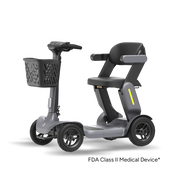

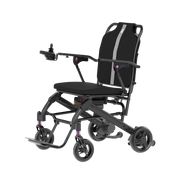
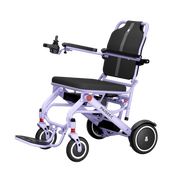








Choosing the right mobility aid for daily life assistance at home is one of the most important decisions you can make for comfort, safety, and independence. This guide walks you through a practical decision-making matrix using real home constraints like turning radiuses, door widths, carpet navigation, and stability to help you choose between the compact Q3 mobility scooter and the stable S1 electric wheelchair.
check:Electric Wheelchair
Understanding Mobility Aids for Daily Life Assistance at Home
A mobility aid for home use must do more than move you from point A to point B. It has to work with your flooring, your doorways, your furniture layout, your bathroom space, and your daily routines, from getting to the kitchen to reaching your favorite spot on the sofa.
Mobility scooters and electric wheelchairs both provide powered assistance, but they are designed around different assumptions. Scooters like the Q3 generally assume you can sit upright and steer with your arms; electric wheelchairs like the S1 assume you may need more postural support, tighter turning, and fine control at low speeds. Before you compare specifications, you need clarity on what you do each day inside your home and how much support your body needs to complete those tasks.
Key Differences: Mobility Scooter vs Electric Wheelchair in Home Settings
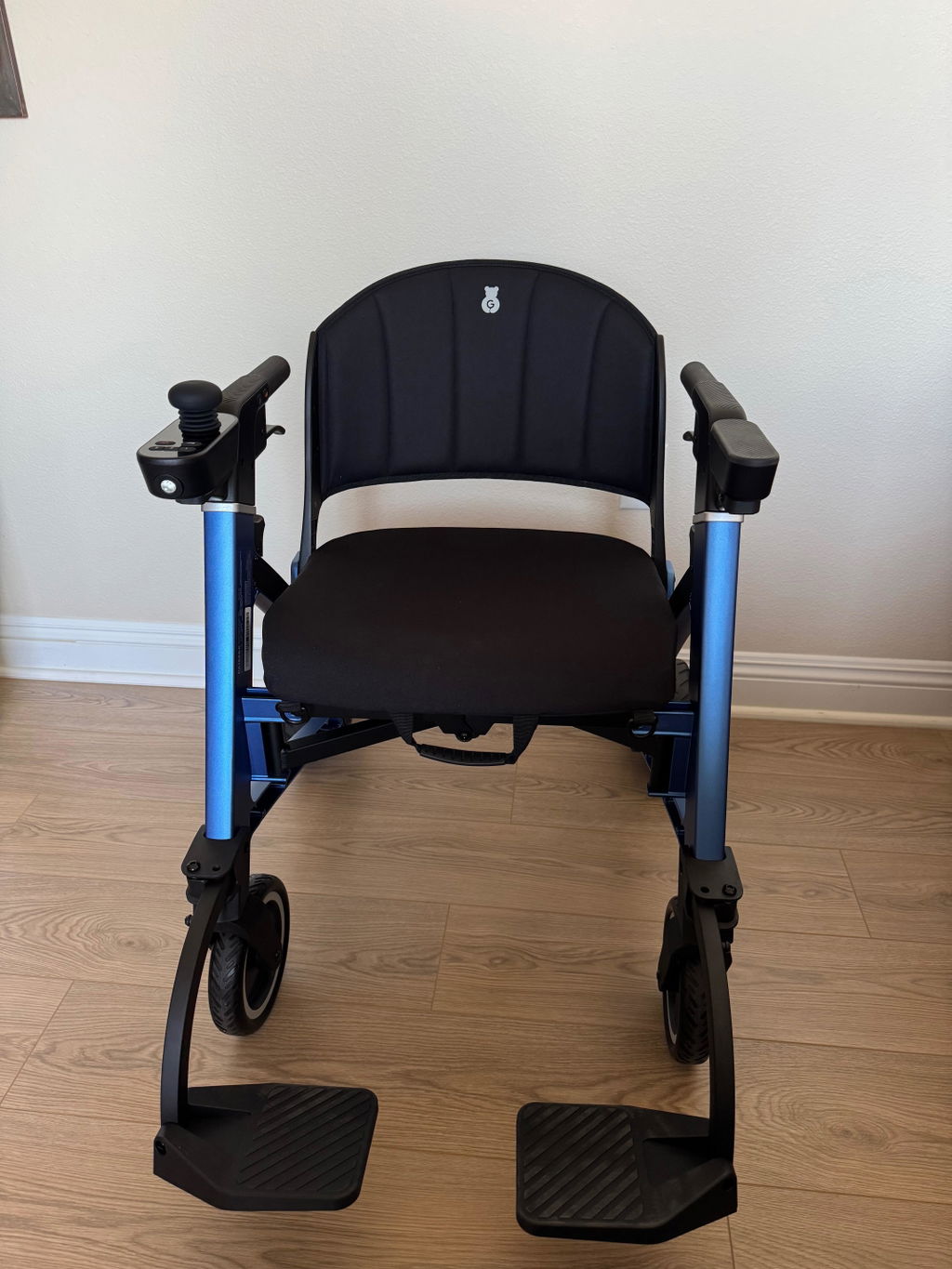
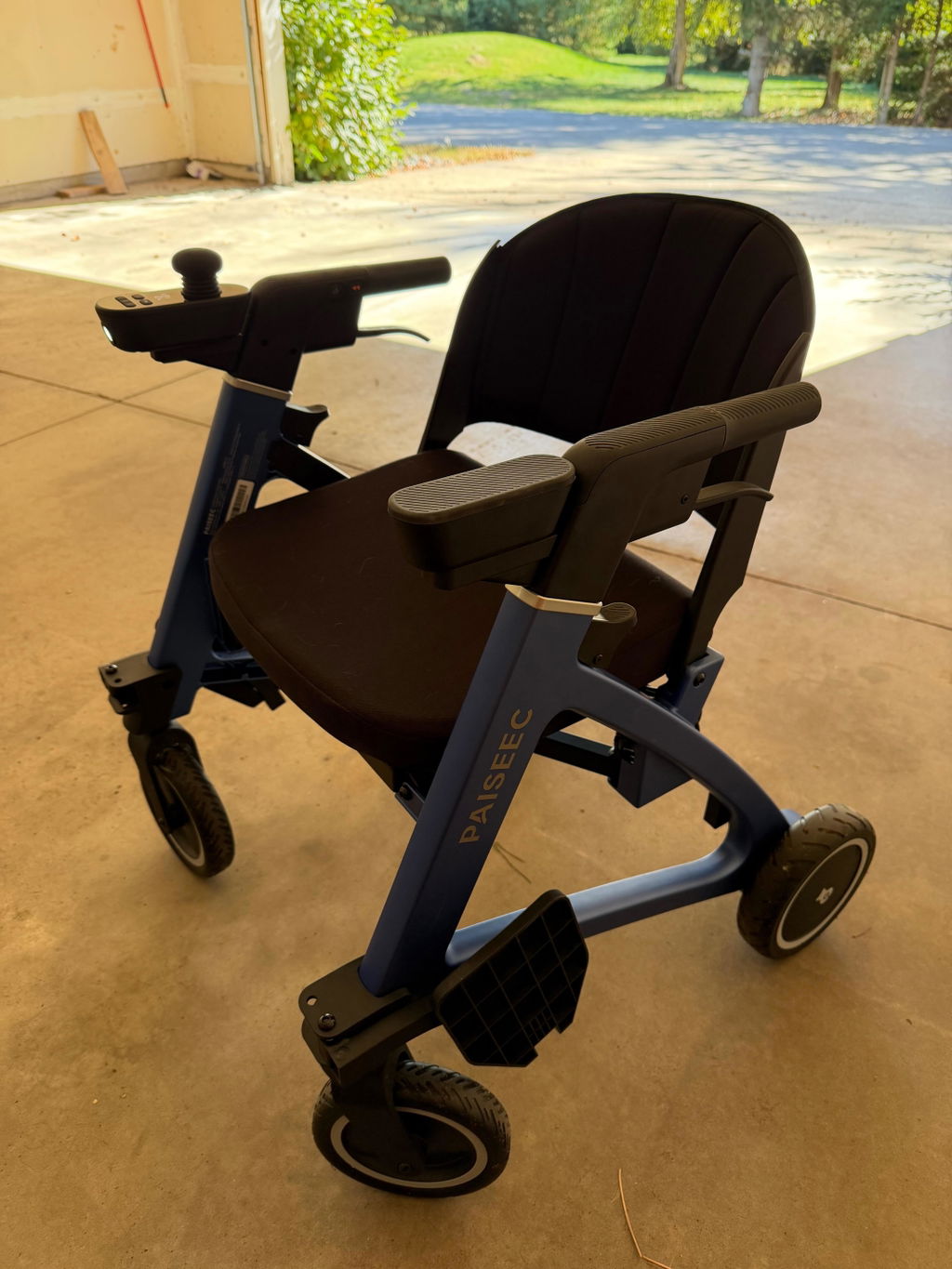
At a high level, mobility scooters are built around a tiller-style handlebar at the front, while electric wheelchairs use a side-mounted joystick and a more supportive seating system. This design difference drives most of the variation in turning radius, door clearance, stability, and how easy it is to maneuver around obstacles.
Scooters like the Q3 often perform better over slightly uneven surfaces and longer indoor–outdoor trips, because they tend to have somewhat larger wheels and a more “vehicle-like” stance. Electric wheelchairs like the S1 generally excel in tight spaces such as narrow hallways, small bedrooms, and compact bathrooms, where the ability to pivot nearly in place becomes crucial. When home use is your priority, you must determine whether you need nimble pivoting around furniture or more straight-line comfort in a larger, open-plan space.
The Decision-Making Matrix: How to Use It
To make this choice objective rather than emotional, use a decision matrix with weighted criteria. For home use, the most important factors are typically turning radius, minimum door width, carpet and threshold performance, seat and posture support, stability at low speeds, ease of transfer, and storage/charging needs.
Assign a score from 1 to 5 for each factor for both the Q3 scooter and the S1 electric wheelchair, where 5 is excellent for your specific home environment. Then optionally assign a weight to each factor; for example, if your hallways are very narrow, you might give turning radius and device width more weight than top speed or outdoor range. Add up the weighted scores to see which mobility aid objectively better supports your daily life assistance needs.
Turning Radius: Can You Actually Turn Around?
Turning radius is the single most important technical metric for indoor mobility. The smaller the turning radius, the easier it is to pivot within a confined space like a hallway, bathroom, or small kitchen. Electric wheelchairs, especially compact mid-wheel or center-drive models like the S1, are typically designed to have a much tighter turning radius than mobility scooters.
In a typical apartment or house, you often need to turn 90 or 180 degrees in a space that is just slightly wider than your body. If you choose a scooter such as the Q3, learn its minimum turning circle and then compare it to your narrowest hallway or room width. If the Q3 needs a wide multi-point turn, but the S1 can pivot almost on the spot, the S1 will usually feel dramatically easier in day-to-day use, especially when moving from living room to bathroom or bedroom.
Door Widths: Will Your Mobility Aid Fit Through Your Home?
Standard interior doors often measure around 28 to 32 inches, and older homes or apartments can have even narrower frames. The usable clearance is typically a bit less due to door stops, hinges, and trim. This is why overall width is a critical specification for both the Q3 and S1 when you are focusing on home use.
Measure the narrowest doorway you regularly pass through, including bathroom and kitchen doors, and then ensure your mobility aid is at least a couple of inches narrower for comfortable clearance. In many cases, an electric wheelchair like the S1 will be slightly narrower than a similarly capable scooter, which can make the difference between gliding through doors and regularly bumping into frames. If you have sliding doors or open-plan areas, the Q3 may feel fine, but in homes with many tight doorways, the S1 often scores higher.
Carpet, Rugs, and Thresholds: Real-World Surface Navigation
Your flooring determines how your mobility aid behaves far more than people expect. Short, firm carpets are usually straightforward for both scooters and electric wheelchairs, but deep-pile carpets or thick rugs can increase rolling resistance and make steering more difficult. Here, traction, motor torque, and wheel size all matter.
The Q3 scooter, with slightly larger front wheels and a longer wheelbase, may glide more smoothly over light thresholds and flat rugs, but can struggle on very thick carpet if the drive wheels lose contact or slip. The S1 electric wheelchair typically uses a drive-wheel configuration that keeps powered wheels more consistently loaded, improving grip on soft surfaces, but it may feel a bit more “stuck” if the carpet is extremely plush and the chair sinks in. For mixed flooring with a lot of rugs and doorway thresholds, test whether each device can start, stop, and turn on the carpet without bogging down.
Stability and Safety: Low-Speed Control in Small Spaces
Home use emphasizes low-speed stability more than outdoor use does. You might move only a few meters at a time, constantly starting, stopping, and turning near furniture and walls. Electric wheelchairs like the S1 often feel more stable at very low speeds, thanks to rear anti-tip wheels, a balanced center of gravity, and a joystick that delivers extremely fine control over speed and direction.
The Q3 scooter will usually feel stable in straight lines, but fast, tight turns at higher speed can increase the risk of tipping, especially on three-wheel designs. Inside the home, you may feel safer if your mobility aid remains firmly planted when turning from the sink to the fridge or navigating around bed corners. If you have balance issues, muscle weakness, or a history of falls, the S1’s combination of stability features and controlled acceleration/braking can provide more confidence and safety.
Q3 vs S1: Core Home-Use Specifications Matrix
Below is a simplified comparison matrix highlighting typical home-focused criteria for the compact Q3 mobility scooter and the stable S1 electric wheelchair. Exact specifications will vary by model generation, but this matrix illustrates the typical trade-offs you can expect for indoor mobility aids.
Use this matrix alongside your own measurements to see which mobility aid aligns better with your floor plan, furniture layout, and physical needs.
Core Technology in the Q3 and S1: Motors, Batteries, and Control Systems
Both mobility scooters and electric wheelchairs use quiet electric motors powered by rechargeable batteries, but the way those components are configured matters for home use. Scooters like the Q3 may use a rear-drive motor setup optimized for a comfortable cruising speed and moderate ranges, while electric wheelchairs like the S1 are often tuned for high torque at low speed to climb small obstacles and handle stop–start operation.
Battery capacity is another consideration: higher capacity batteries offer longer range but can add weight. In home-focused use, you often do not need extreme range; instead, you want reliable operation all day at low speeds, plus fast, safe charging overnight. Control systems also differ: the Q3’s tiller offers intuitive steering for users with good upper-body strength and reach, while the S1’s joystick can be adjusted for light touch, alternative mounting positions, and potentially alternative input systems if your hand function is limited.
Ergonomics and Seating: Comfort Over the Whole Day
If you are spending multiple hours per day in your mobility aid, seat design and ergonomics become as important as the motor specs. The S1 electric wheelchair is generally built around a more advanced seating system, including adjustable seat depth, backrest angle, armrest height, and leg support. These design choices help you maintain healthy posture, reduce pressure hotspots, and limit fatigue.
The Q3 scooter usually has a comfortable, padded seat with a swivel function and armrests, but often with fewer postural adjustments. For shorter home trips, this may be more than adequate. For all-day use, the S1’s more sophisticated seating platform is often better for your spine, hips, and shoulders, especially if you have conditions such as scoliosis, muscle weakness, or reduced trunk control. When testing, sit in both devices for at least 20 to 30 minutes to judge pressure, comfort, and reach.
Maneuvering Around Furniture and Tight Corners
Real homes rarely look like empty showrooms; they contain sofas, tables, chairs, bookcases, and often narrow walkways between furniture. Here, the combination of overall length, width, and turning radius becomes critical. The Q3, with its front tiller and wheel assembly, may require more clearance at the front to swing the steering column when turning, potentially colliding with edges if you misjudge space.
The S1 electric wheelchair, with its joystick and central drive wheels, can often rotate within its own footprint, letting you “spin” near a table or bed and then move straight forward or backward with minimal repositioning. In small bedrooms or cluttered living rooms, this is a major practical advantage. Draw a scaled floor plan or use painter’s tape on the floor to approximate turning circles before purchasing so you can visualize how each mobility aid will move in your actual environment.
Noise, Vibration, and Indoor Comfort
Mobility aids are generally quiet, but differences in tires, suspension, and frame design can affect how much vibration and noise you feel and hear in your home. The Q3 scooter may transmit more vibration through its frame on hard floors, especially if it uses solid tires; this can cause a slight hum or rattle when crossing certain surfaces or thresholds.
The S1 electric wheelchair, often designed with more substantial suspension and a more cushioned seat, can provide a smoother ride at low speeds, which is pleasant on tile or hardwood. If you have neighbors below you or family members who are sensitive to noise, a quieter drive system and softer acceleration in the S1 may be appreciated. For those with joint pain or spasticity, reduced vibration and smoother starts and stops may also be important.
Company Background: Paiseec Mobility
Paiseec Mobility, founded in 2021, is a global leader in innovative mobility solutions, bringing together over 100 R&D professionals, five advanced laboratories, and significant investment in electric mobility technologies. The company specializes in high-performance solutions such as 36V lithium batteries, brushless motors, and intelligent safety systems for foldable scooters and multi-functional electric wheelchairs, all designed to enhance independence, safety, and comfort for users worldwide.
Real Home User Scenarios: How Q3 and S1 Perform
Consider three common home user profiles to understand how each mobility aid might work in practice. First, imagine an older adult in a compact apartment with a narrow hallway, a tight bathroom, and several rugs. This user might find that the S1 electric wheelchair’s tight turning radius and stable low-speed control make it easier to access all rooms, especially toilets and showers, without constant three-point turns.
Second, consider a user in a modern, open-plan home with wide doorways, minimal furniture, and a balcony or patio they use daily. For this person, the Q3 scooter could be ideal, offering comfortable seating for medium-length indoor–outdoor trips, easy travel from living room to balcony, and simple maneuvering in open spaces. Finally, a user who works from home at a desk for many hours may prefer the ergonomic seating and posture support of the S1, even if either device technically fits through the same doors.
Cost, Maintenance, and Total Value Over Time
When choosing between the Q3 scooter and the S1 electric wheelchair, cost is more than just the purchase price. Electric wheelchairs often cost more upfront due to advanced seating, electronics, and customizable options, but may deliver better long-term value if you use them as your primary seating and mobility base every day. Scooters like the Q3 can have lower entry prices and simpler maintenance, making them attractive if you are balancing budget with moderate indoor needs.
Maintenance for both devices includes checking tire condition, keeping batteries charged, and scheduling periodic inspections of motors and brakes. Electric wheelchairs may require more specialized service, but you also benefit from a system designed for intensive, continuous use. Think about your expected number of daily hours in the device and how many years you plan to use it; a higher-quality, better-supported solution may lower your cost per day even if initial pricing is higher.
Accessibility and Transfers: Getting On and Off Safely
Transfers are a crucial part of daily life assistance. For many users, the ability to safely transfer from bed to device, device to toilet, or device to sofa is more important than maximum speed. The Q3 scooter typically offers a swivel seat and flip-up armrests, helping you stand up from the side and lower yourself in with support. This can work well if you have sufficient leg strength and balance to stand momentarily.
The S1 electric wheelchair, with adjustable armrests and leg supports, is better suited to lateral or sliding transfers where you move from the same height surface to the chair without standing fully. If you work with caregivers, they will often prefer the S1’s stable base and predictable height for assisted transfers. Think through your transfer method carefully, potentially under the guidance of a clinician or therapist, to ensure the mobility aid you pick supports your existing routines.
Accessibility in Bathrooms and Kitchens
Bathrooms and kitchens are often the tightest rooms in any home and are where many mobility devices show their limitations. Space around toilets, sinks, and cabinets is usually narrow, and turning may require precise maneuvering. The S1 electric wheelchair, with its joystick-driven, compact turning behavior, usually has a clear advantage here, letting you approach fixtures head-on or from the side with minimal repositioning.
The Q3 scooter might struggle more in typical bathrooms, especially if you must reverse and re-enter to line up with the toilet or sink. In some kitchens, the presence of an island or peninsula creates bottlenecks that demand very tight turns. If you cook frequently or need independent bathroom access, prioritize these spaces in your decision matrix and allocate higher weighting to turning radius, length, and minimum approach distance.
Future-Proofing Your Mobility Aid Choice
Your mobility needs can change over time due to aging, new diagnoses, or recovery from surgery. When selecting between the Q3 and S1, consider not just how you move today, but also how you might move two to five years from now. If your condition is progressive or you anticipate decreased strength, investing in an electric wheelchair like the S1 may protect your independence longer than a scooter that expects stable core strength and arm control.
On the other hand, if you expect to recover function after an operation or temporary injury, a Q3 scooter could be sufficient as a transitional mobility aid, particularly if you expect to return to mostly walking later. Build future-proofing into your decision matrix by adding a “long-term adaptability” factor, then think about whether accessories, seating upgrades, or control changes will be easier on the Q3 or S1 platform.
Simple Home-Friendly Product Finder Quiz (Text CTA)
To make this easier, imagine answering a short Product Finder quiz focused on home use. Start by asking yourself: Are most of my movements inside small rooms or open spaces; do I have narrow doors; is my carpet thick; can I easily sit upright and steer with both hands; and do I plan to sit in this mobility aid for many hours each day? Next, rate how important independent bathroom and kitchen access is versus being able to travel longer distances outdoors.
If your answers emphasize tight spaces, complex transfers, weaker trunk control, and mainly indoor home use, your quiz result will likely point you toward the S1 stable electric wheelchair. If you highlight open spaces, decent upper-body strength, moderate indoor use, and regular short trips outside, the Q3 compact scooter will often be the recommended solution. Use these self-assessment questions as a mental Product Finder quiz link between your needs and the device that matches them.
Three-Level Conversion Funnel CTA: From Awareness to Action
First, awareness: Now that you understand how turning radius, door width, carpet navigation, and daily life assistance shape mobility aid performance, take a walk through your home (or ask someone to do it) and measure real spaces. Note door clearances, hallway widths, room sizes, and flooring types so you can make an evidence-based choice.
Second, consideration: Create a simple decision matrix on paper, listing Q3 and S1 across the top and factors such as maneuverability, stability, seating support, transfer ease, and long-term adaptability along the side. Score each factor for each device based on your home layout, physical abilities, and expected daily routines; this will reveal which mobility aid is the better fit for home use.
Third, decision: Once your scores point clearly toward either the compact Q3 scooter or the stable S1 electric wheelchair, schedule a test drive if possible and replicate your home maneuvers in a showroom or simulation space. Bring your measurements and matrix with you, confirm the device behaves as expected, and then move forward with the mobility aid that will best support your independence, safety, and comfort every day at home.
Future Trends in Home Mobility Aids
Home-focused mobility aids are evolving rapidly, with advances in intelligent control systems, more efficient batteries, and compact drive trains that reduce turning radius without sacrificing stability. Future versions of scooters like the Q3 may offer improved tiller designs, softer suspension for hard floors, and smarter speed limiting when the device detects tight indoor spaces.
Electric wheelchairs such as the S1 will likely gain even more adaptive seating options, intelligent obstacle avoidance, and app-based control for caregivers and users. As homes become smarter and more connected, mobility aids will integrate more deeply with door openers, lighting, and voice assistants, turning what used to be a simple powered seat into a core part of a personalized, accessible living environment. By choosing a mobility aid platform today that already emphasizes tight maneuverability and ergonomic comfort, you will be better positioned to benefit from these upgrades as they arrive.
Leave a comment
This site is protected by hCaptcha and the hCaptcha Privacy Policy and Terms of Service apply.