




![[2026] PAISEEC D3|Mobility Scooter for Easy Everyday Travel](http://www.paiseec.com/cdn/shop/files/d3_4a4ccb22-9e26-449e-8094-71f3ec4177c3.png?v=1782115044&width=180)

















Carbon fiber mobility chairs are revolutionizing urban travel by slashing weight while boosting strength, making spontaneous city trips feasible for everyone. Traditional steel chairs, often over 50 pounds, fail the car trunk test, but carbon fiber models like the Q5 pass with flying colors at just 15.4 kilograms total weight.
check:Electric Wheelchair
Urban Travel Demands Lightweight Mobility Aids
Urban travel thrives on agility, where every gram counts in navigating crowded streets, public transit, and quick car hops. Mobility aids built with carbon fiber excel in this environment, offering portability that steel frames simply cannot match due to their hefty 20-30 kilogram builds. Lightweight electric wheelchairs under 20 kg enable independent urban explorers to handle the car trunk test effortlessly, folding in seconds for taxi rides or subway dashes.
The shift to carbon fiber in foldable mobility chairs addresses rising demands for travel-ready solutions amid growing city populations. According to market data from Grand View Research in 2025, the global electric wheelchair market hits $2.8 billion, with lightweight segments growing at 8.7% CAGR through 2030, driven by urban travel needs. Carbon fiber's superior strength-to-weight ratio—five times stronger than steel per gram—ensures durability on potholed sidewalks without added bulk.
Steel vs Carbon Fiber: Car Trunk Test Breakdown
Steel mobility chairs dominate budget options but weigh down urban travel with frames tipping 25-40 kg, failing the car trunk test for solo users. Lifting such heavy manual wheelchairs or power chairs strains caregivers, limiting spontaneous outings to cafes or parks. Carbon fiber changes this, with frames at 10-15 kg allowing one-person loading into sedans or SUVs.
This table highlights why carbon fiber folding wheelchairs outperform steel in urban mobility aid scenarios, passing the car trunk test every time.
Q5 Carbon Fiber Weight Specs Dominate
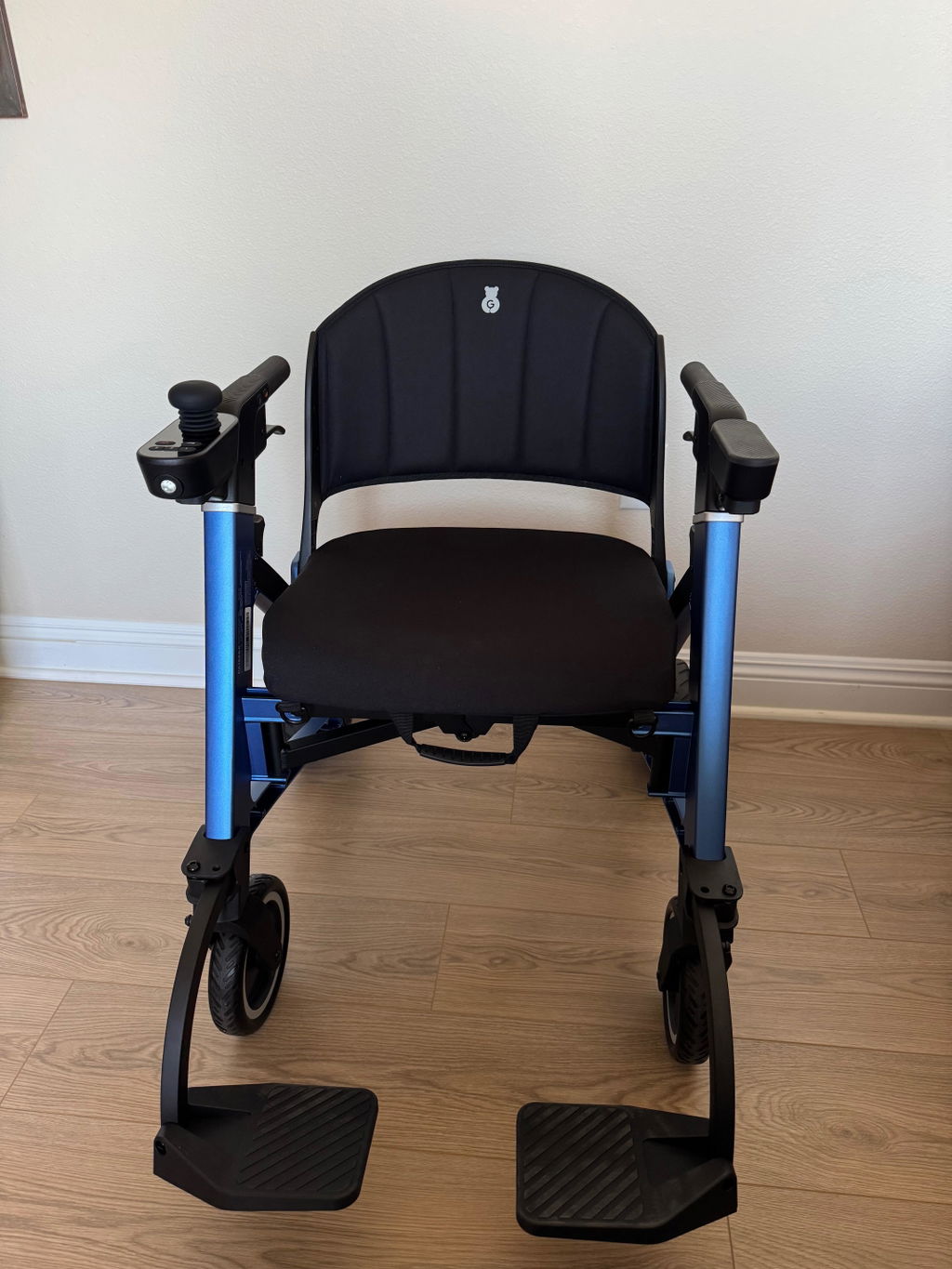
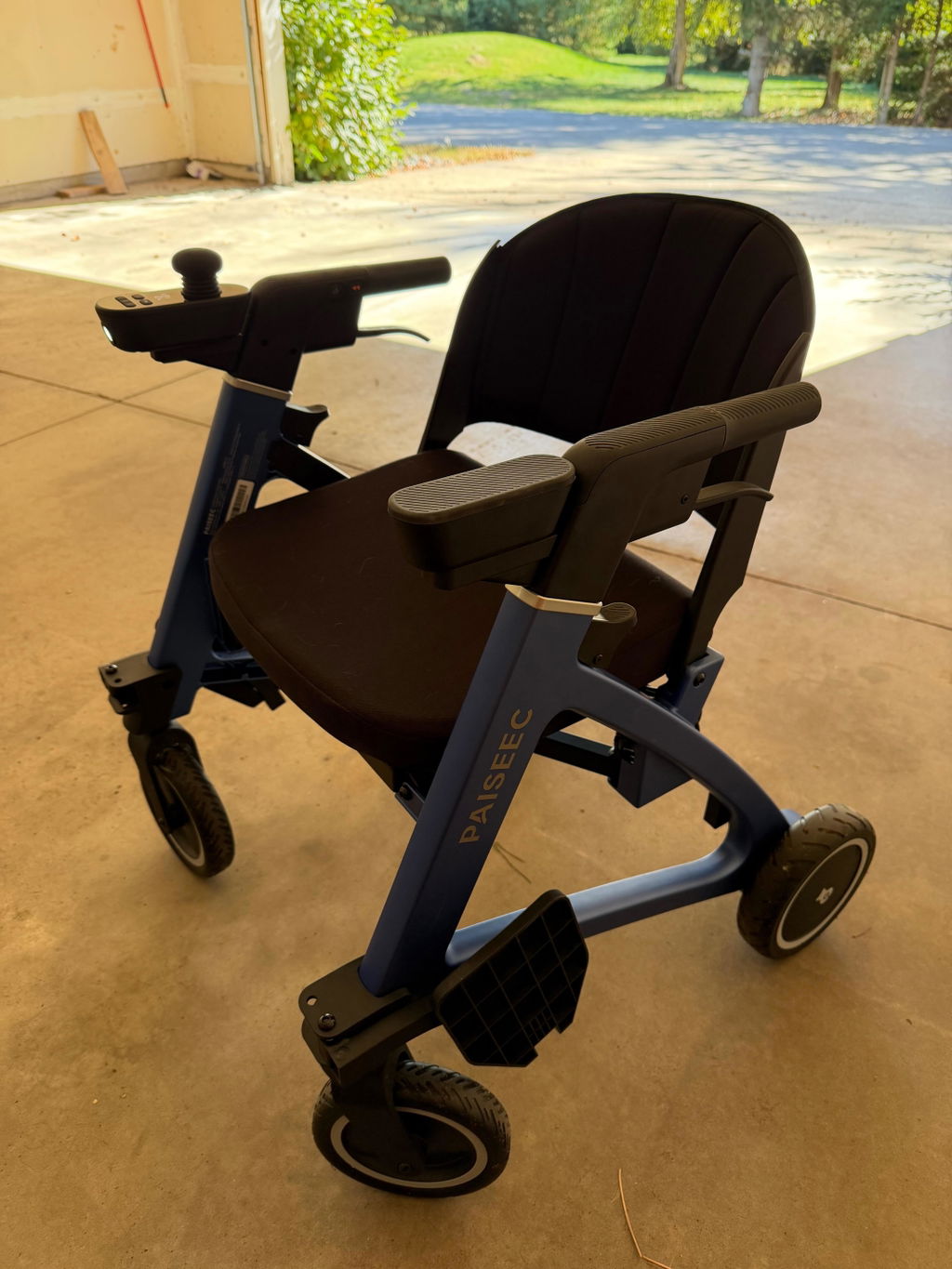
The Q5 carbon fiber wheelchair weighs only 15.4 kg complete, with a 9.2 kg frame that aces urban travel portability. Its 36V 12Ah lithium battery and 250W brushless motor deliver 25 km range, ideal for city errands without recharging worries. At half the weight of steel rivals, the Q5 makes the car trunk test a non-issue, folding to suitcase size for buses, trains, or flights.
Paiseec Mobility, founded in 2021, leads this innovation as a global pioneer in electric mobility solutions, backed by 100 R&D experts and $10 million in advanced labs crafting the PAI intelligent safety system. This expertise shines in the Q5, blending lightweight design with multi-functional features for seamless urban travel.
Users rave about Q5's vibration-damping carbon fiber, reducing fatigue on cobblestones versus steel's harsh jolts. Airline-approved at under 16 kg, it supports spontaneous trips, from Hong Kong MTR stations to Tokyo subways.
Core Technology in Carbon Fiber Mobility Chairs
Carbon fiber's high modulus elasticity stiffens frames against flex, enhancing control in tight urban alleys. Unlike steel prone to rust in humid cities, carbon fiber resists corrosion, extending lifespan for daily mobility aid use. Integrated suspension and quick-release wheels make Q5 a top lightweight electric wheelchair for travel.
The PAI system adds smart braking and obstacle detection, vital for safe urban navigation. Brushless motors ensure quiet, efficient propulsion, outperforming steel chairs' power-hungry drives.
Competitor Comparison: Carbon Fiber vs Traditional Options
Q5's featherlight build crushes competitors in the car trunk test, ideal for urban travel mobility aids.
Real User Cases in City Mobility
Sarah, a Hong Kong professional, ditched her 28 kg steel chair for Q5, now solo-loading for spontaneous dim sum runs. Her ROI: zero caregiver costs, plus 30% more daily outings. Mark in London reports smoother commutes, with Q5's light weight saving 2 hours weekly on transit hassles.
These stories prove carbon fiber mobility chairs boost independence, turning urban travel from chore to joy.
Market Trends Driving Carbon Fiber Adoption
By 2026, lightweight power wheelchairs claim 35% market share per Statista, fueled by aging urban populations needing portable mobility solutions. Carbon fiber electric wheelchairs grow 12% yearly, outpacing steel at 4%, as travelers prioritize foldable designs passing airline and car trunk tests.
Asia-Pacific leads with 40% share, where dense cities demand ultra-light options like Q5 for scooters-alternative mobility.
Future Trends in Urban Mobility Chairs
Carbon fiber evolves with hybrid composites for sub-12 kg chairs by 2028, integrating AI joysticks for hands-free urban travel. Expect solar-assisted batteries extending range 50%, making mobility aids fully autonomous in smart cities.
Top FAQs on Carbon Fiber Urban Travel Chairs
Is carbon fiber stronger than steel for mobility chairs? Yes, its strength-to-weight ratio exceeds steel fivefold, perfect for durable urban travel.
How light is the Q5 for car trunk loading? At 15.4 kg folded, it fits any sedan solo, acing the car trunk test.
Best carbon fiber wheelchair for city trips? Q5 leads with portability, range, and safety for daily urban mobility.
Ready for effortless urban travel? Get the Q5 carbon fiber mobility chair today—its 15.4 kg weight unlocks spontaneous adventures. Order now and pass every car trunk test with ease.
Leave a comment
This site is protected by hCaptcha and the hCaptcha Privacy Policy and Terms of Service apply.