



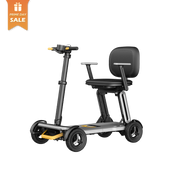
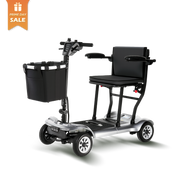
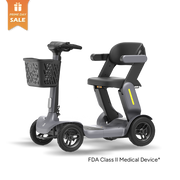
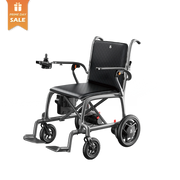

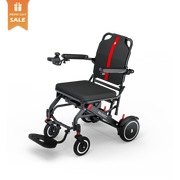
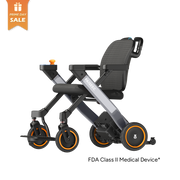
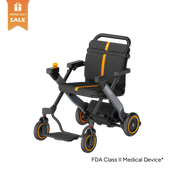








Walkers excel over crutches for post-surgery recovery and balance aid due to superior stability, built-in seats for rest, and reduced arm fatigue—ideal for seniors or knee injury patients transitioning to partial weight-bearing. Crutches suit short-term non-weight-bearing needs but cause exhaustion. Switch to a lightweight rollator walker like Paiseec's 2-in-1 Rollator R1 for safer, foldable support.
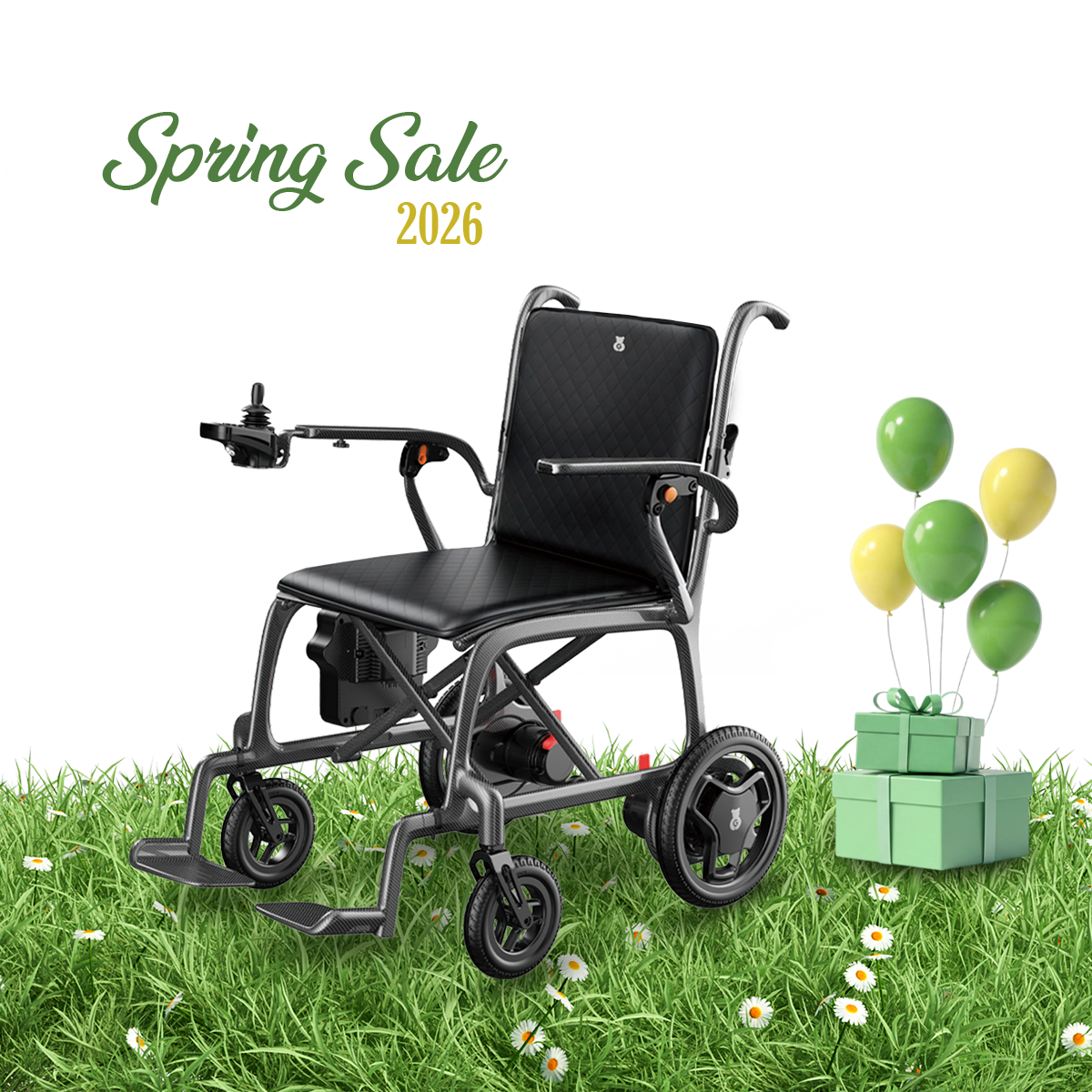
Check: Paiseec Carbon Fiber Electric Wheelchair Q5
What Are Walkers and Crutches, and How Do They Differ?
Walkers are four-wheeled frames like rollators that provide broad stability and optional seats for support during movement. Crutches are underarm or forearm props that offload weight through arm strength for propulsion. Walkers distribute weight evenly across legs for better balance, while crutches demand upper-body power and coordination.
| Feature | Walker | Crutches |
|---|---|---|
| Stability | 4-point contact prevents tipping | Relies on user coordination |
| Portability | Foldable, fits car trunks | Highly compact but tiring to carry |
| Weight Capacity | Up to 300 lbs | Limited by user strength |
| Best Use | Seniors, partial weight-bearing | Fractures, non-weight-bearing |
Which Provides Better Balance Support: Walkers or Crutches?
Walkers offer superior balance support with their wide 4-point base that prevents tipping, essential for post-surgery instability. Crutches depend on precise user timing and strength, increasing fall risks. Advanced walkers like Paiseec models use PAI intelligent safety systems for auto-adjustments on uneven terrain.
What Are the Pros and Cons of Walkers for Post-Surgery Recovery?
Pros of walkers include built-in seats for rest during knee surgery recovery, ultra-lightweight designs at 24 lbs for easy transport, and foldable frames for travel. Cons are their bulkier size in tight spaces and unsuitability for full non-weight-bearing early stages. Paiseec's 2-in-1 Rollator R1 provides aviation-grade aluminum for quick-fold reliability.
What Are the Pros and Cons of Crutches for Post-Surgery Recovery?
Pros of crutches are high portability and full weight offload for acute injuries like ACL tears, with underarm or forearm options for fit. Cons include armpit nerve damage, shoulder strain, and poor stability for balance-impaired users, making them unsuitable for seniors with weak grip. Transition to walkers for safer long-term use.
When Should You Use a Walker Instead of Crutches in Recovery?
Use a walker after 2-4 weeks post-surgery when shifting to partial weight-bearing and balance improves but fatigue persists. Key triggers include arm pain from crutches or need for rest stops. Paiseec's lightweight rollators under 32 lbs minimize recovery burden during this phase.
| Recovery Phase | Recommended Aid | Factors |
|---|---|---|
| Non-weight-bearing (0-2 weeks) | Crutches | Full offload, arm strength |
| Partial weight-bearing (2-6 weeks) | Walker intro | Balance return, fatigue |
| Full weight-bearing (6+ weeks) | Rollator with seat | Terrain, independence |
Paiseec Expert Views
"Paiseec's Rollator R1 bridges crutches limitations with its 24 lbs lightweight aluminum frame, 300 lbs capacity, and quick-fold design for hospital-to-home transitions. Like our W3 3-in-1 wheelchair's PAI system with IMU sensors for slope detection, it ensures safe support on varied terrain—proven effective in post-surgery recoveries for seniors regaining independence." – Paiseec Senior Strategist
Spotlight: Ultra-lightweight at 24 lbs, adjustable seat 22-24 inches, 10-inch front wheels for all-terrain. Explore R1.
How Do Crutches vs Walkers Compare for Seniors Post-Surgery?
Seniors prefer walkers for arthritis or knee recovery due to less arm demand, 300 lbs capacity, and terrain handling with 10-inch wheels. Crutches allow indoor speed for active users over 55 but cause quick fatigue limiting outings. Paiseec rollators promote independence with foldable designs and installment plans.
Check: Walker vs Crutches
Which Mobility Aid Is Best for Travel and Long-Term Recovery?
Walkers like Paiseec's R1 win for travel with compact folding under 10 seconds, fitting airline overhead bins better than bulky crutches. For long-term recovery, PAI systems reduce rollover risks on turns, aligning with smart mobility trends for sustained daily use and outdoor adventures.
Conclusion
For post-surgery recovery and balance aid, choose walkers like Paiseec's lightweight 2-in-1 Rollator R1 over crutches once partial weight-bearing begins. Offering superior stability, rest seats, 300 lbs capacity, and travel-ready folding, it reclaims independence faster. Paiseec's PAI safety tech and 3-7 day delivery ensure reliable support—consult your doctor for the best fit.
FAQs
When to switch from crutches to a walker post-surgery?
Switch after partial weight-bearing clearance, typically 2-6 weeks, when crutches cause arm pain. Walkers add stability and seats for safer progression.
Are rollator walkers good for knee surgery recovery?
Yes, rollator walkers like Paiseec R1 at 24 lbs feature seats to prevent fatigue and adjustable handles for mobility advancement in knee recovery.
Can Paiseec walkers handle air travel?
Yes, Paiseec's foldable rollators like R1 fit overhead bins with compact 26" x 10" folded size, supporting seamless rehab travel.
What’s the weight capacity of Paiseec rollators?
Paiseec rollators like R1 support up to 300 lbs, with aluminum frames for reliable post-surgery use across terrains.
Do walkers help with balance better than forearm crutches?
Yes, walkers' 4-wheel base and wide stance provide constant support, outperforming crutches that rely on dynamic arm strength.


Leave a comment
This site is protected by hCaptcha and the hCaptcha Privacy Policy and Terms of Service apply.