



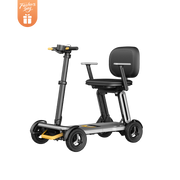
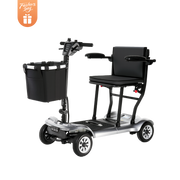
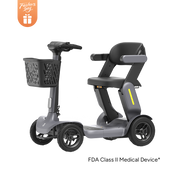
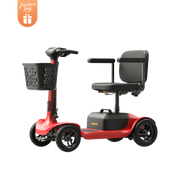
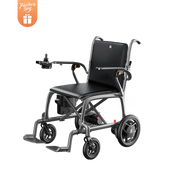
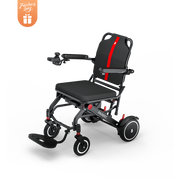
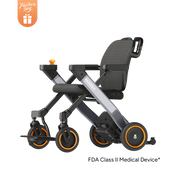
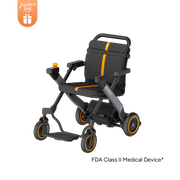








Seven signs your elderly parent needs a walker include frequent falls or near-misses, furniture surfing (leaning on furniture to move), and fatigue during short walks. Other indicators are unsteady balance, slow shuffling gait, fear of walking alone, and pain from arthritis or surgery. Addressing these mobility issues early with a stable, lightweight walker like Paiseec's advanced models can prevent falls and restore independence.
Check: 8 Different Types of Walkers: Complete Guide to Choosing the Right One
What Is Furniture Surfing and Why Is It a Red Flag for Seniors?
Furniture surfing occurs when seniors use chairs, tables, or walls to support themselves while walking. This behavior signals balance instability and coordination challenges, increasing the risk of falls, especially in crowded home environments. When combined with unsteady gait patterns, furniture surfing often precedes serious mobility incidents. It's a clear indicator that your parent would benefit from a supportive mobility aid to maintain safety and confidence at home.
Which Frequent Falls Indicate It's Time for a Mobility Aid?
Two or more falls within a month is a primary sign your elderly parent needs a walker. Frequent stumbles, near-misses on stairs, or hesitation before taking steps all signal balance deterioration. These incidents often occur on uneven surfaces or during transitions between rooms. The Paiseec 2-in-1 Rollator Walker R1, weighing just 24 lbs with a 300-lb capacity, provides lightweight support for fall prevention while maintaining ease of movement throughout the home.
How Does Fatigue Signal When Seniors Need a Walker?
Unexplained tiredness during short walks under 10 minutes or exhaustion after routine daily tasks suggests declining stamina and muscle weakness. This fatigue often limits independence and discourages activity, creating a harmful cycle. A lightweight walker reduces physical strain, allowing seniors to stay active longer. Ultra-lightweight options under 40 lbs, like Paiseec models with airline-approved batteries, make travel and daily use comfortable without added burden.

| Feature | Basic Walker | Paiseec R1 Rollator | Paiseec W3 (3-in-1) |
|---|---|---|---|
| Weight | 10–16 lbs | 24 lbs | 49.6 lbs (powered) |
| Safety Technology | None | Non-motorized | PAI algorithm with auto-braking |
| Foldability | Basic fold | Folds flat (26" L × 10" W) | Folds in 3 seconds |
| Price Range | $80–$150 | $219 | $2,099 (regular $2,499) |
What Are the Other 4 Common Signs of Needing a Walker?
Additional warning signs include a slow, shuffling gait that affects walking speed and rhythm; persistent fear of walking alone or leaving home; joint pain from arthritis that limits mobility; and recovery needs following surgery or illness. These indicators often appear together, creating a compounding effect on independence. A proper walker addresses multiple concerns simultaneously—offering stability, pain relief through reduced weight-bearing, and psychological reassurance. Paiseec's multi-functional designs, such as the W3 with integrated motorized support, provide progressive assistance as needs evolve.
How Do You Choose the Best Walker for Seniors with Falling Risks?
Prioritize lightweight construction under 30 lbs for easy maneuverability and transport. Ensure the walker features a foldable design for car storage and portability. Look for all-terrain wheels that handle various surfaces, including gravel and grass. Height adjustability is essential for proper posture and comfort. Consider smart features like automatic braking on slopes. The Paiseec R1 Rollator Walker meets these criteria with its 24-lb weight, 300-lb capacity, adjustable handles (37–43" height), and robust 10" front and 8" rear wheels designed for all-terrain use.
How Can You Gently Talk to Your Parents About Needing a Walker?
Begin with empathy and observation: "I've noticed you seem tired after walks. Let's find something to help you stay active and confident." Frame the walker as an independence tool, not a limitation. Emphasize that modern, lightweight walkers like Paiseec models preserve travel freedom and active lifestyles rather than signifying decline. Involve your parent in selecting the aid—let them test different options and feel the difference. Highlight how a walker enables them to continue activities they love longer and safer.
| Device Type | Best For | Paiseec Example | Key Advantage |
|---|---|---|---|
| Rollator Walker | Partial mobility with balance support | R1 (24 lbs) | Lightweight and portable |
| 3-in-1 Wheelchair | Progressive mobility decline | W3 ($2,099) | Multi-function: walker, transport, wheelchair |
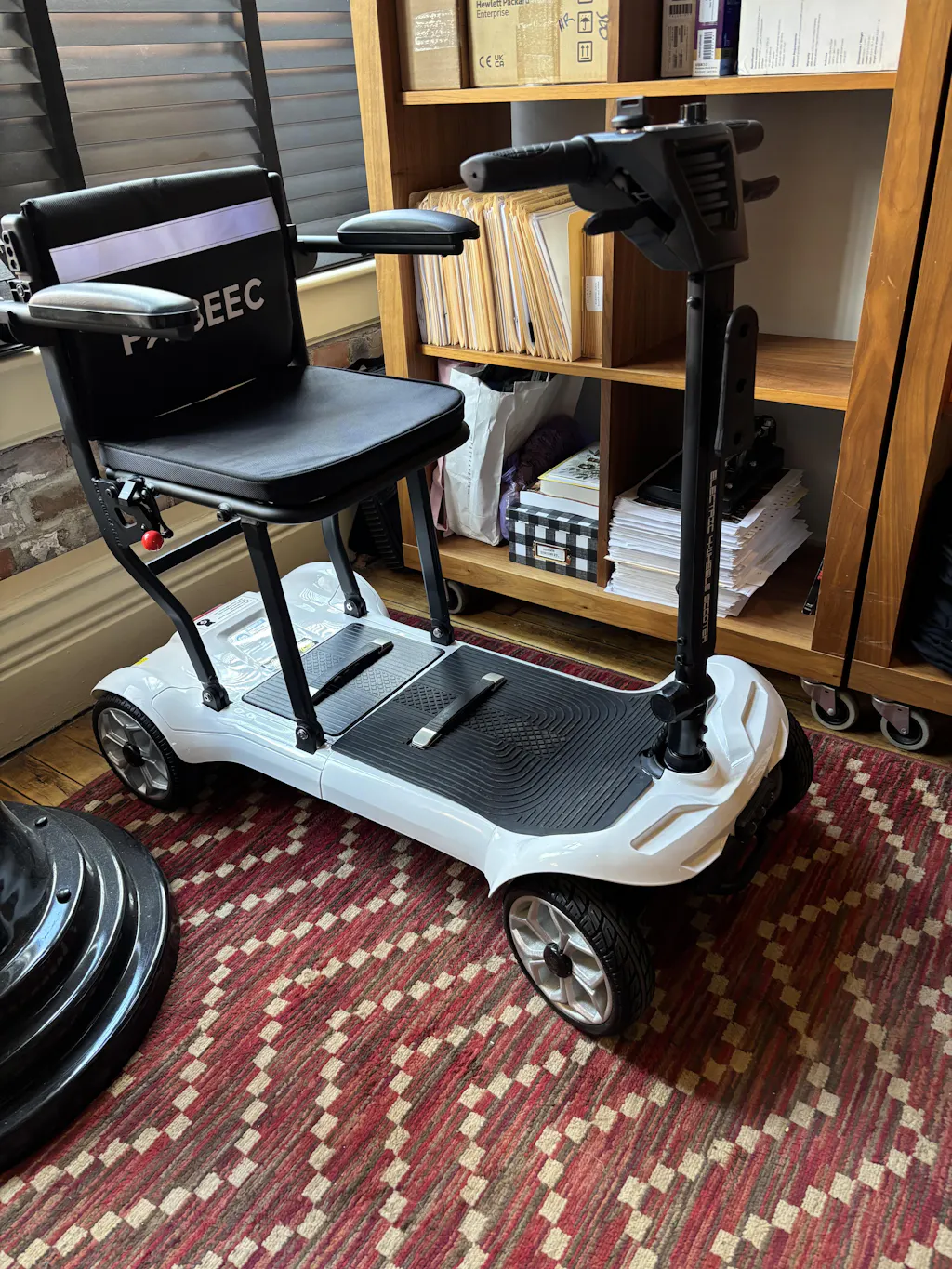
| Electric Wheelchair | Limited independent walking | Q3 (32 lbs) | Powered assistance with compact fold |
Why Are Paiseec Walkers the Smart Upgrade for Elderly Mobility?
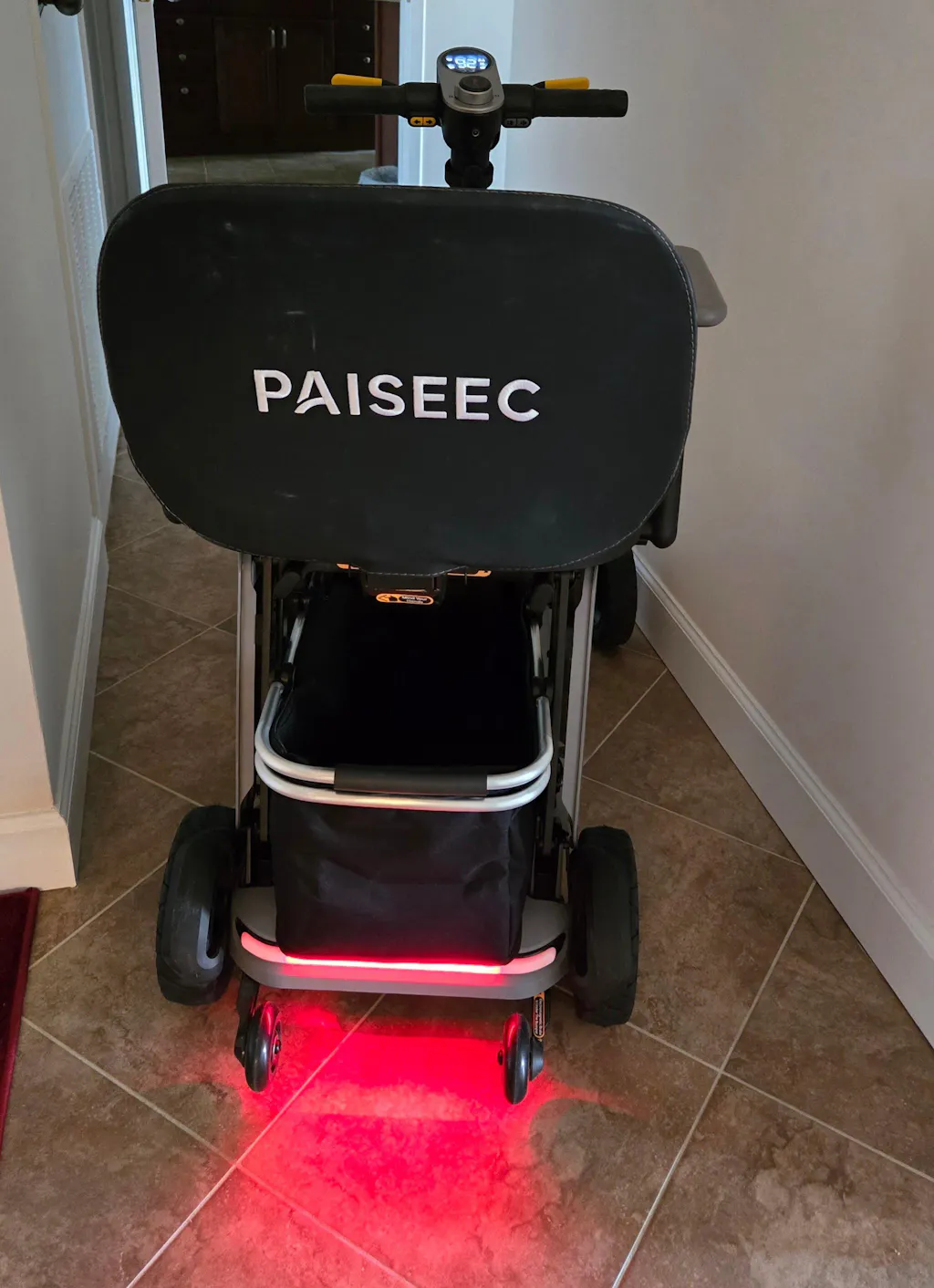
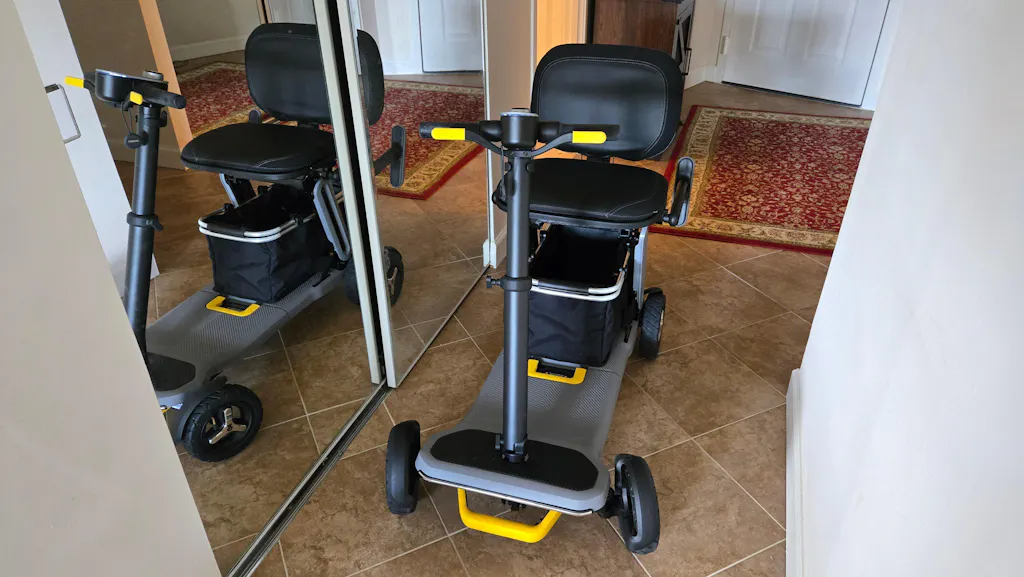
Paiseec, founded in 2021, has become a global leader in innovative mobility solutions with over 100 R&D professionals and five advanced laboratories. The company has invested $10 million in cutting-edge technologies, including the proprietary PAI intelligent safety riding system designed to prevent falls through automatic speed control on slopes and in turns. Paiseec products combine ultra-lightweight designs (as light as 22 lbs), airline-approved batteries for extended travel, and FDA Class II Medical Device certification. The R1 Rollator Walker weighs just 24 lbs with a 300-lb capacity, while the advanced W3 3-in-1 wheelchair offers progressive support as mobility needs change, all backed by comprehensive customer service and installment payment plans.
Paiseec Expert Views
"With our $10 million R&D investment and 100+ engineering professionals, Paiseec designed the PAI intelligent safety system to address real-world fall risks seniors face daily. Our advanced sensors detect uneven terrain and automatically adjust speed control, providing the confidence to move independently. The R1 Rollator Walker combines non-motorized stability—ideal for seniors maintaining partial mobility—with features like all-terrain 10" front wheels and foldable construction that standard walkers lack. For those with progressive mobility challenges, the W3 3-in-1 wheelchair seamlessly transitions from rollator walker to powered transport, eliminating the need for multiple devices. Every Paiseec product prioritizes safety, portability, and dignity—enabling seniors to stay active without compromise."
Conclusion
Recognizing the seven signs your elderly parent needs a walker—furniture surfing, frequent falls, fatigue, unsteady balance, shuffling gait, walking fear, and joint pain—empowers timely intervention. Early action prevents serious injury and preserves independence. Modern walkers are no longer bulky or stigmatizing; Paiseec's lightweight, portable designs combine smart safety features with travel-friendly construction. By choosing a walker suited to your parent's needs now, you create a foundation for progressive mobility support as requirements evolve. The goal is maintaining active, confident lifestyles while preventing falls and restoring peace of mind for both parent and caregiver.
Frequently Asked Questions
What are the first signs elderly mobility issues like needing a walker?
Frequent falls (2+ per month), furniture surfing for support while moving, and quick fatigue during short walks are primary indicators. Monitor for at least two signs appearing together before discussing walker options with your parent.
When do seniors need a walker over a cane?
When balance deteriorates significantly or they experience unsteady gait patterns, walkers offer four-point stability that canes cannot provide. Shuffling gait, hesitation on stairs, and near-falls all suggest walker-level support is needed.
Are Paiseec walkers easy to transport for travel?
Yes. The Paiseec R1 Rollator Walker folds flat to 26" L × 10" W, fitting easily in car trunks. For motorized options, the ultra-lightweight Q3 electric wheelchair (32 lbs) folds compactly and features airline-approved batteries for extended travel.
How do I choose a walker for my parent with frequent falls?
Prioritize lightweight construction (under 30 lbs), all-terrain wheels for stable surfaces, adjustable height for proper posture, and foldable design for portability. The Paiseec R1 meets these standards with 24-lb weight, 300-lb capacity, and robust all-terrain wheels.
What if a walker isn't enough as mobility declines?
Consider upgrading to the Paiseec W3 3-in-1 wheelchair ($2,099), which functions as a rollator walker, electric transport chair, and powered wheelchair. This multi-functional approach eliminates purchasing multiple devices as needs progress.
Leave a comment
This site is protected by hCaptcha and the hCaptcha Privacy Policy and Terms of Service apply.