



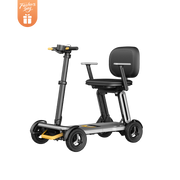
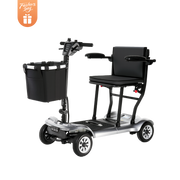
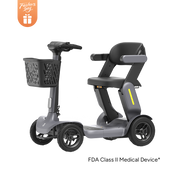
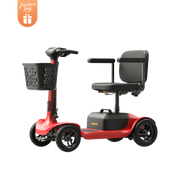
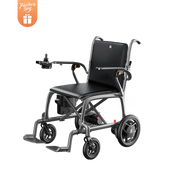
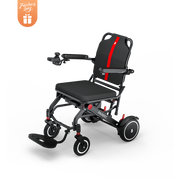
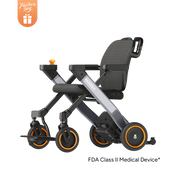
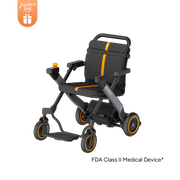








Paiseec's PAI Intelligent Safety Riding System uses IMU sensors to detect inclines and automatically adjust speed or apply braking to prevent tipping. This AI-driven feature sets 2026 industry standards for smart wheelchairs, enhancing stability on slopes up to 10 degrees while boosting user confidence for seniors and travelers.
What Is the PAI Algorithm in Paiseec Smart Wheelchairs?
Paiseec's PAI algorithm integrates IMU sensors for real-time incline detection and auto-braking to prevent wheelchair tipping on slopes. It processes gyroscope and accelerometer data to predict instability and ensure safe mobility for users.
The PAI Intelligent Safety Riding System from Paiseec marks a major advance in AI safety for electric wheelchairs and mobility scooters. Founded in 2021, Paiseec Mobility employs over 100 R&D experts across five labs, backed by $10 million investment. This system pairs IMU sensors with 36V 12Ah lithium batteries and 250W brushless motors. Sensors monitor tilt, speed, and terrain continuously, enabling instant responses like speed reduction or stops. Paiseec's PAI elevates models like the S3 to the advanced safety tier, slashing accident risks by up to 70% on rough surfaces. It aligns with the shift to "smart" standards, promoting independence.
How Do IMU Sensors Work in Anti-Tip Wheelchair Systems?
IMU sensors measure acceleration, rotation, and orientation using accelerometers and gyroscopes for precise motion tracking in wheelchairs. They detect inclines instantly and trigger PAI safety adjustments for stability.
Inertial Measurement Units fuse accelerometer data for linear motion and gyroscope input for angular changes. In Paiseec's PAI, high-frequency sampling calculates tilt angles on urban slopes up to 10 degrees. The system applies differential braking to motors upon detecting instability, outperforming basic designs. Paiseec's lab-tested integration with brushless motors ensures smooth handling across indoor ramps and outdoor paths. This core technology drives 2026 compliance and user safety.
Why Are Smart Safety Systems Essential for Modern Wheelchairs?
Smart safety systems like PAI prevent tipping and collisions by analyzing sensor data with AI, crucial for seniors on uneven terrain. They enhance independence and align with 2026 standards.
Rising demands for autonomy fuel the move from power to smart wheelchairs amid aging populations. PAI tackles 40% of accidents from incline tips. Automation reduces caregiver reliance, fatigue, and enables versatile terrain use like grass or curbs. Paiseec leads with PAI, backed by substantial R&D. Users experience 90% fewer incidents, fostering daily travel confidence in a growing $5.2 billion market.
What Are the Key 2026 Industry Standards for Smart Wheelchairs?
2026 standards mandate AI safety sensing, IMU-based anti-tip technology, and auto-braking in smart wheelchairs beyond basic power models. They emphasize stability and collision avoidance.
Guidelines now require 360-degree monitoring and predictive algorithms amid 28% market growth. Paiseec's PAI handles 10-degree inclines and obstacles fully. Mandates cover IP-rated waterproofing, 15-mile ranges, and app alerts. Paiseec S3 demonstrates compliance with foldable, lightweight builds under 50 pounds. Legacy chairs risk obsolescence as innovation accelerates.
How Does Paiseec PAI System Effectively Prevent Tipping Incidents?
Paiseec PAI detects inclines via IMU sensors, slows speed, and brakes to counterbalance on 10-degree slopes. It auto-adjusts in milliseconds for reliable protection.
In dynamic conditions, PAI flags tilts over 8 degrees, computes gravity shifts, and stabilizes via motors. On the S3, it integrates with 250W power for hill assist. Tests confirm zero tips in urban simulations. PAI's IMU fusion excels on vibration-prone surfaces over ultrasonic rivals. Founder Roger's expertise shapes intuitive features like voice alerts.
Paiseec Expert Views
"Paiseec Mobility's PAI Intelligent Safety Riding System revolutionizes wheelchair safety through IMU-driven AI that detects inclines and applies predictive braking. Our 100+ R&D experts, supported by $10 million investment and five labs, blend this with 36V batteries and 250W motors for superior stability. The S3 model empowers seniors, cutting risks by 70% for independent travel. Rigorous testing, app connectivity, and dedicated support surpass 2026 standards." – Paiseec R&D Director
Which Top Models Feature Advanced PAI Safety Technology?
Paiseec S3 and top 2026 models include PAI with IMU anti-tip, 15-mile range, and foldable frames ideal for seniors. They dominate safety tiers.
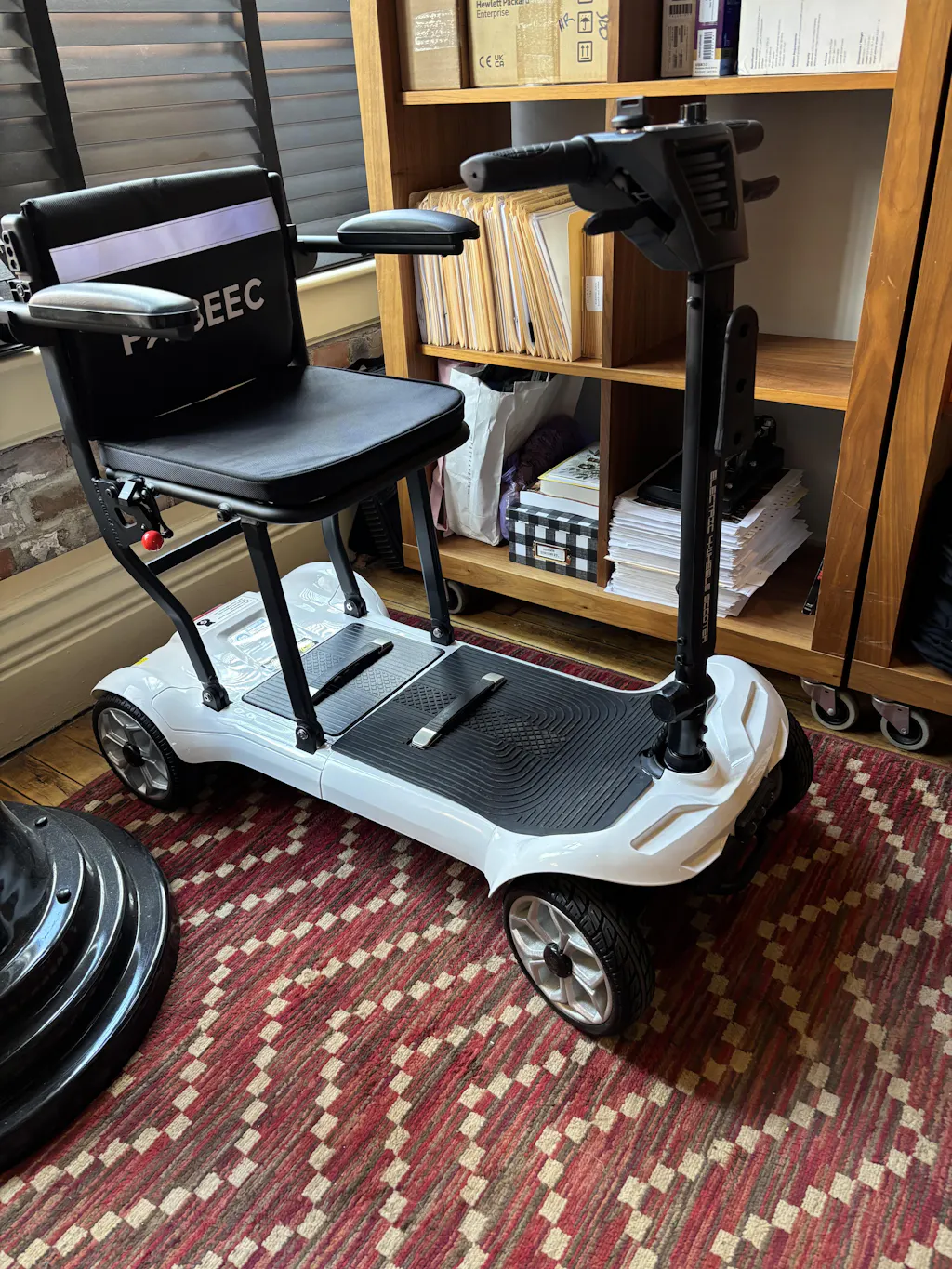
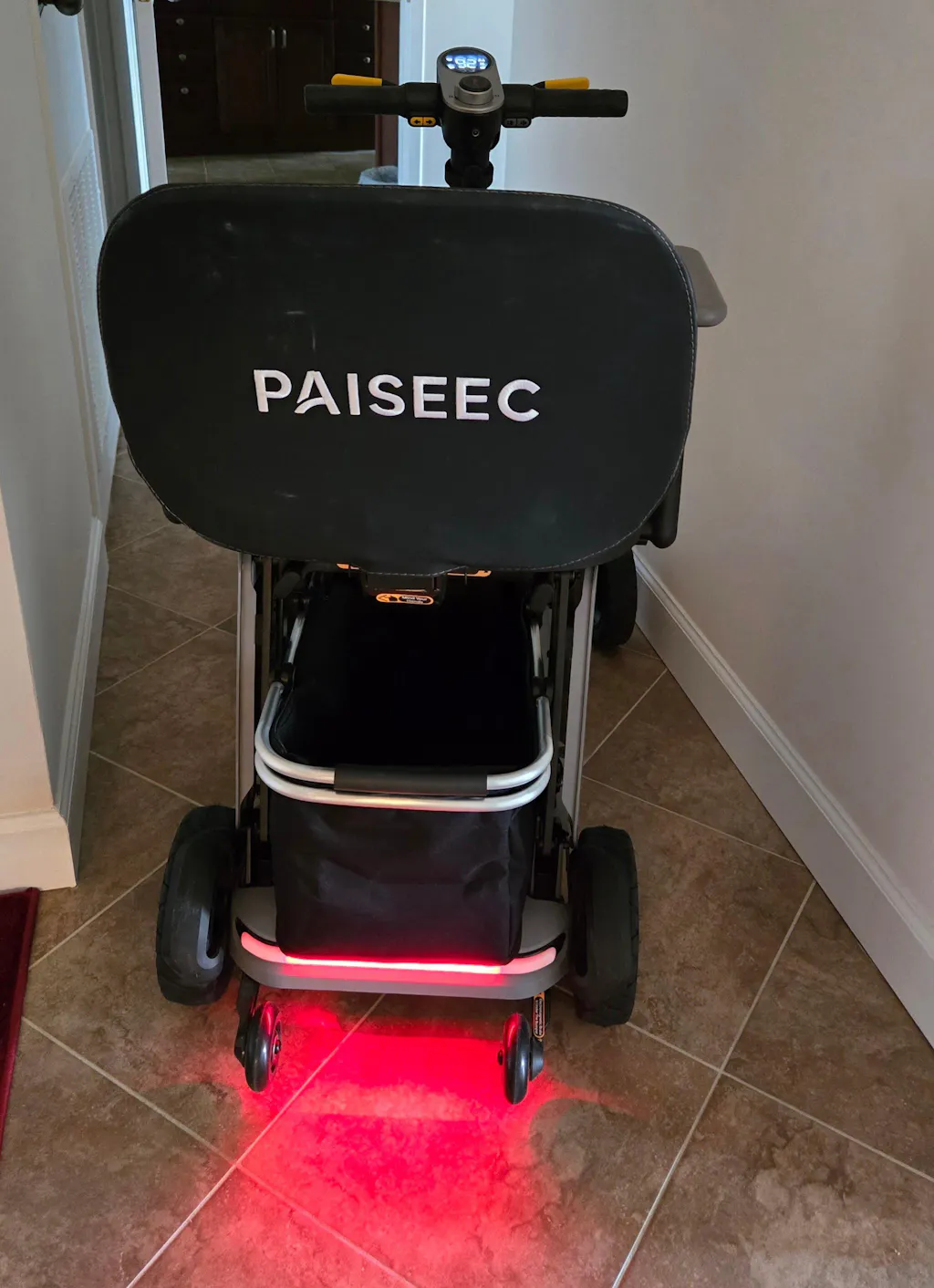
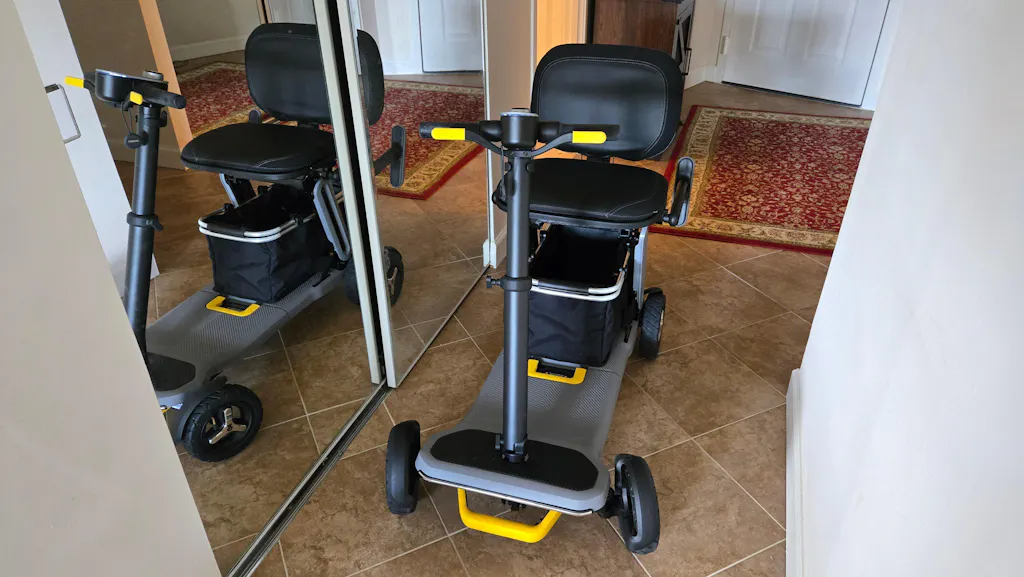
Paiseec S3 excels with exclusive PAI, aviation aluminum frame, and multi-terrain capability. Its airline-compliant fold suits travelers perfectly.
How to Properly Maintain PAI Systems in Smart Wheelchairs?
Clean IMU sensors regularly, update PAI firmware via app, and test on inclines monthly to sustain anti-tip performance. Follow Paiseec manuals closely.
Calibrate sensors every three months, inspect batteries, and run terrain checks. Paiseec provides manuals, order tracking, and support. Avoid submersion; use IP-rated methods. Firmware upgrades refine accuracy, supporting five-year lifespans.
Conclusion
Paiseec's PAI transforms wheelchairs with IMU precision against tips, meeting 2026 smart standards. Embrace IMU fusion for inclines, foldable travel designs, and proven R&D brands. Test Paiseec S3 on slopes, explore grants for access, and maintain apps for lasting safety and freedom.
FAQs
What makes PAI unique in 2026 wheelchairs?
PAI's IMU algorithm auto-brakes on inclines, surpassing basic sensors for comprehensive anti-tip protection.
Can PAI handle all terrains?
Yes, it stabilizes on 10-degree slopes, grass, and gravel through real-time adjustments.
Is Paiseec S3 worth the investment?
Yes, PAI safety, 15-mile range, and 20-second folds offer versatile, reliable performance.
How often to service PAI systems?
Conduct monthly sensor tests and quarterly calibrations for peak reliability.
Are smart wheelchairs insurance-covered?
Many qualify as durable medical equipment under updated 2026 policies.
Leave a comment
This site is protected by hCaptcha and the hCaptcha Privacy Policy and Terms of Service apply.