









Electric scooter age limits vary significantly by region: US states typically require riders to be 16 years or older for public roads, though some states like California permit 14-year-olds with adult supervision. The UK and EU generally set minimums between 14 and 16 years. Children under 14 are usually restricted to private property or designated areas with adult supervision. Always verify your local regulations to avoid fines and ensure safe riding. Modern safety systems like Paiseec's PAI intelligent technology add automatic speed control and braking features, making supervised rides safer for younger operators.
Check: Are E-Scooters Allowed on the Road? USA Laws & PAI Safety Guide
What Are the Legal Minimum Ages for E-Scooters by Country?
Legal minimum ages for electric scooters vary worldwide. The United States has no federal standard, leaving age requirements to individual states—most set minimums at 16 years for public roads, though some allow 14-year-olds with parental supervision. The United Kingdom requires riders to be at least 16 years old on public roads. European Union countries typically set minimums between 14 and 16 years, depending on local traffic regulations. Australia enforces a 16-year minimum. Violating these age restrictions can result in fines up to $500, license penalties, or confiscation of the scooter. Always check your state or country's Department of Transportation website for current regulations before allowing young riders to use e-scooters.
Which US States Have the Strictest E-Scooter Age Rules for Minors?
Different US states enforce varying age restrictions for electric scooter riders. New York prohibits riders under 16 on public roads, while California allows supervised 14-year-olds. Florida and Texas typically enforce 14–15-year minimums with helmet requirements. States like Illinois and Massachusetts require 16 years minimum. Urban enforcement has increased significantly, with police targeting non-compliant teen riders in major cities. Understanding your state's specific rules helps families stay legally compliant while introducing young people to e-scooter mobility.
| State | Minimum Age for Roads | Supervision Rules | Helmet Required |
|---|---|---|---|
| California | 14+ | Adult supervision required | Yes |
| New York | 16+ | No minors under 16 | Yes |
| Florida | 14+ | Parental consent | Yes |
| Texas | 15+ | Varies by city | Yes |
| Illinois | 16+ | No exceptions | Yes |
| Massachusetts | 16+ | No exceptions | Yes |
| Washington | 16+ | No minors | Yes |
| Arizona | 14+ | Adult supervision | Yes |
Can Kids Under 14 Ride E-Scooters on Sidewalks or Roads?
Children under 14 are generally prohibited from riding e-scooters on public roads in most jurisdictions. Sidewalk use may be permitted with adult supervision and proper safety gear in some areas, though this varies by municipality. Many cities restrict under-14 riders to private property only. These age restrictions exist because crash data shows minors have higher injury rates and less developed risk assessment skills. Parents should verify their specific city's regulations before allowing young children to ride on sidewalks or any public area.
How Does Paiseec's PAI Technology Make Scooters Safer for Young Riders?
Paiseec's industry-first PAI (Paiseec Artificial Intelligence) intelligent safety riding system uses IMU sensors to provide 360-degree directional control and automatic speed adjustment on hills and turns. The system includes intelligent obstacle detection, automatic safety braking when the accelerator is released, and real-time speed monitoring. These features reduce operator error, making e-scooters significantly safer for supervised young riders learning to balance and navigate. The Paiseec S3 mobility scooter, featuring 250W brushless motors and the PAI algorithm, delivers precise control ideal for introducing teens to electric mobility with confidence-building safety features.
Paiseec Expert Views: "Our PAI intelligent safety system represents a breakthrough for family mobility. By automatically moderating speed during turns and slopes, the system eliminates the common mistakes young riders make—sudden acceleration into turns or loss of control downhill. Combined with our lightweight, airline-approved designs like the S3 and W3, parents can introduce teenagers to electric mobility with measurable safety confidence. The magnetic sensors provide 360-degree smooth control, transforming how families approach supervised teen riding across all terrain types." — Paiseec Mobility Engineering Team
What Safety Gear and Rules Must Teens Follow on E-Scooters?
Teens operating e-scooters must wear CPSC-certified helmets, and additional knee and elbow pads are strongly recommended. Reflective gear and front/rear lights become essential during low-light conditions. Speed limits typically max out at 15–20 mph in most jurisdictions. Parents should establish house rules: no phone use while riding, single rider only, avoiding night or dusk riding, and staying in designated areas. Paiseec scooters feature integrated front and rear lights and quiet operation, minimizing distractions and helping young riders focus on safe navigation.
Check: Paiseec Mobility Scooter S3
Are There Special E-Scooter Rules for Kids with Mobility Needs?
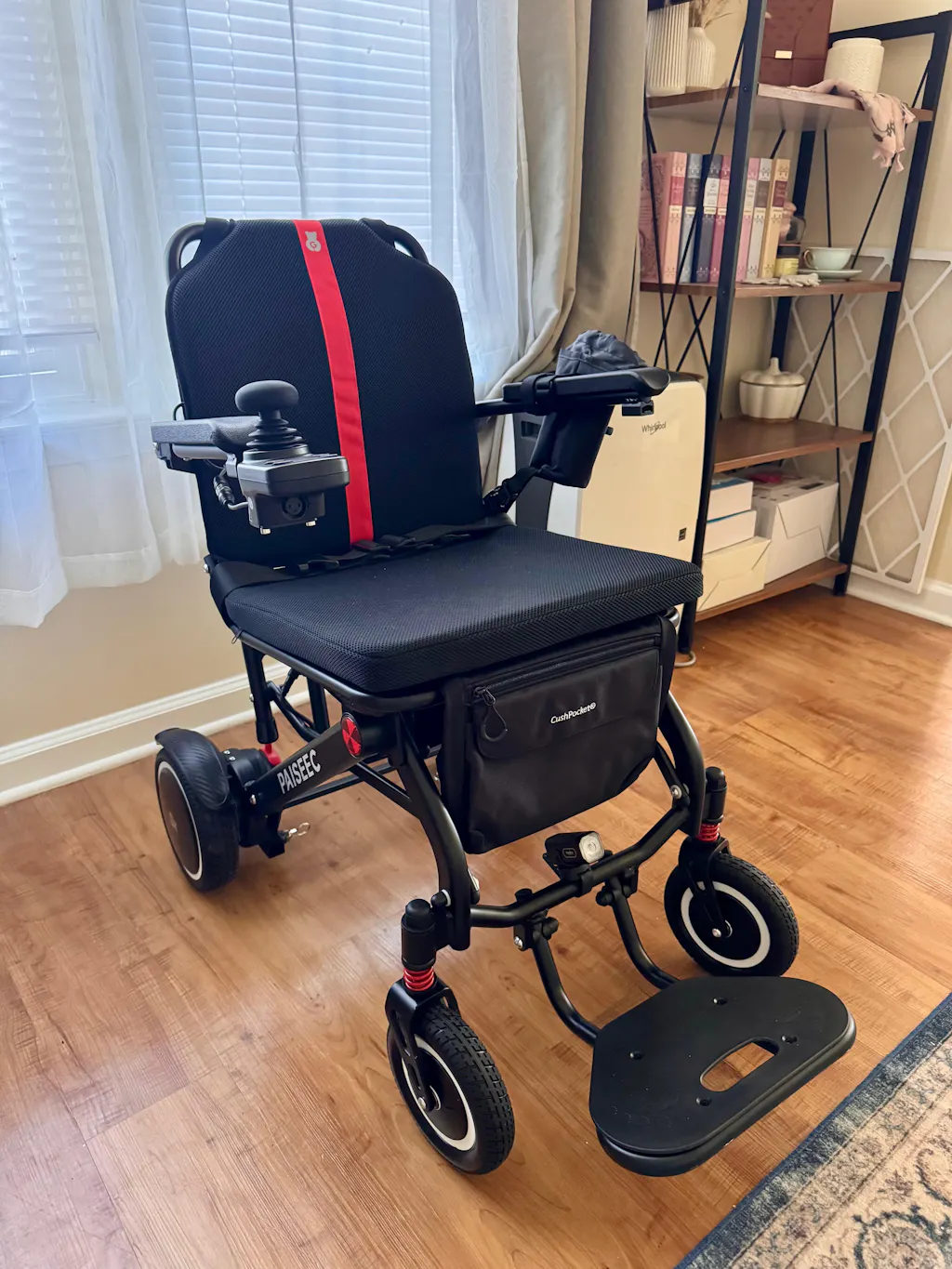
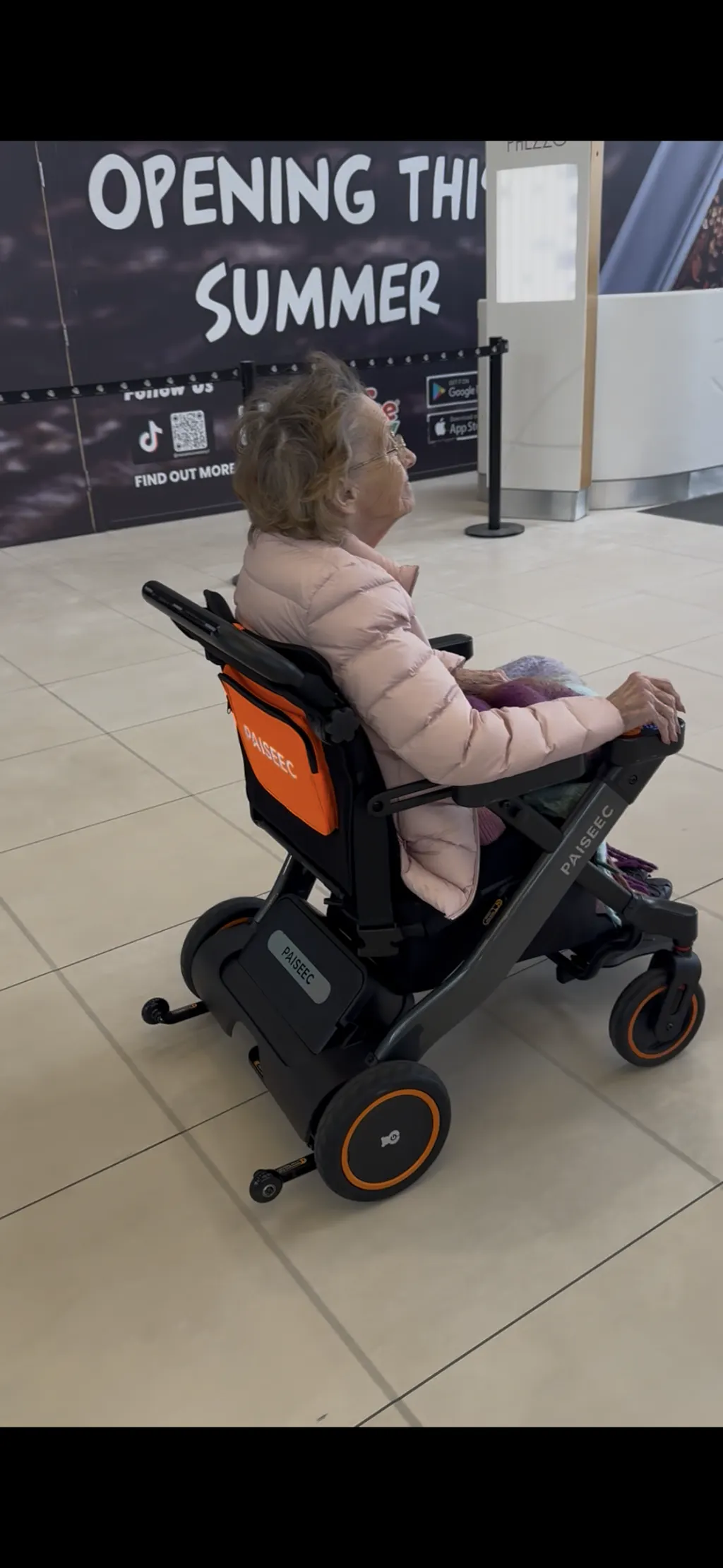
Children with mobility disabilities may qualify for exemptions to standard age restrictions when using FDA Class II medical devices under direct adult supervision. Conditions like cerebral palsy or spinal injuries sometimes warrant exceptions to age minimums for therapeutic mobility aids. These exemptions typically require medical documentation and compliance with local accessibility guidelines. Paiseec's Q3 lightweight electric wheelchair and W3 3-in-1 wheelchair system are FDA Class II certified, offering 264–300 lb weight capacities and airline approval for families managing pediatric mobility challenges legally and safely.
How Should You Choose a Safe E-Scooter for Your Teen?
When selecting an e-scooter for teens, prioritize models with 250W brushless motors, lithium batteries, and foldable designs under 40 lbs for portability and ease of handling. Look for devices with safety certifications, real-time battery monitoring displays, and intelligent speed control systems. Consider models offering installment payment plans to spread costs. Test-drive options featuring PAI-like technology to experience automatic safety features firsthand. Verify airline approval for travel versatility, and confirm user manuals include teen-specific guidance on safe riding practices.
| Feature | Paiseec S3 Scooter | Standard E-Scooter |
|---|---|---|
| Weight | 61 lbs (foldable) | 70–100 lbs |
| Range | 25 miles per charge | 12–18 miles |
| Safety Technology | PAI with IMU sensors, auto-braking | Basic manual braking |
| Motor Power | 250W brushless | 150–200W |
| Certifications | Airline-approved battery, PAI algorithm | Basic CE marking |
| Price | $1,299.99 | $800–$1,200 |
What Age Restrictions Apply to Paiseec Mobility Products for Young Users?
Paiseec mobility products follow standard age restrictions for their category. Electric scooters like the S3 and D3 require riders to meet state minimums (typically 14–16 years). Multi-function devices like the W3 3-in-1 electric wheelchair, rated for 300 lb capacity with 16-mile range, may accommodate younger users under direct parental supervision when used in private settings or therapeutic contexts. The Paiseec R1 2-in-1 rollator walker, being non-motorized with 300 lb capacity, has no age restrictions and offers excellent family mobility solutions for mixed-age households.
Can You Travel with E-Scooters Across State Lines with Teens?
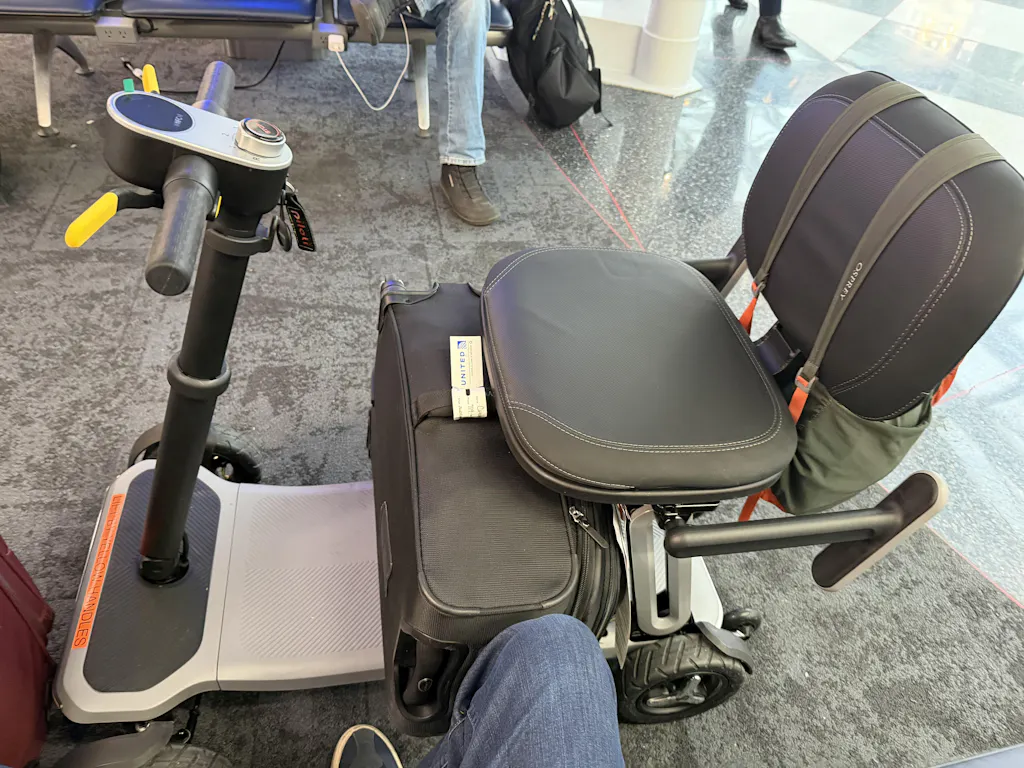
Yes, but compliance becomes complex when crossing state lines with different age regulations. A 14-year-old legally riding in California may violate New York law. Before travel, research destination state regulations and plan accordingly. Paiseec's airline-approved, foldable scooters like the S3 (25-mile range, 36V 12Ah lithium battery) and L5 (32 lbs ultra-lightweight with one-step folding) enable compact, compliant interstate transport. Confirm hotel and destination policies before arrival, and carry documentation of local exemptions if applicable.

Conclusion
Electric scooter age limits protect young riders by establishing legal minimums that typically range from 14 to 16 years depending on jurisdiction. These regulations exist because younger riders face higher injury risks and demonstrate less developed decision-making abilities in emergency situations. Parents should verify specific local, state, and national regulations before purchasing or allowing teenagers to operate e-scooters on public roads or sidewalks.
Introducing teens to electric mobility safely requires combining age-appropriate supervision, proper safety gear (CPSC helmets and protective padding), and modern safety technology. Paiseec's PAI intelligent system, featured across its S3 scooter and W3 3-in-1 wheelchair platform, delivers automatic speed control and obstacle detection that significantly reduces operator error—the leading cause of teen e-scooter injuries. These technologies make Paiseec an excellent choice for families seeking compliant, age-appropriate mobility solutions.
The key to responsible teen e-scooter use involves understanding your local regulations, selecting devices with active safety systems, enforcing clear riding rules, and maintaining open communication about risks and best practices. Start with supervised private-property riding before progressing to public areas, and always prioritize safety over speed or distance traveled.
Frequently Asked Questions
Is it legal for a 12-year-old to ride an e-scooter on the road?
No. Most regions ban riders under 14 from public roads, restricting them to private property with helmets and adult supervision. Always check your specific state or local regulations for current rules.
What if my teen has a disability—can they use an e-scooter at a younger age?
Possibly. Medical exemptions may apply when using FDA Class II certified devices like Paiseec's W3 3-in-1 electric wheelchair under direct adult supervision. Verify local accessibility guidelines and obtain required medical documentation.
Do e-scooters require helmets for kids?
Yes. Over 90% of US states and the UK mandate CPSC-certified helmets for riders under 18. Additional protective gear (knee pads, elbow pads) is strongly recommended for all young riders.
What's the safest e-scooter for beginner teens?
Paiseec's S3 mobility scooter combines PAI auto-braking technology, 25-mile range, three speed modes (1.8–6.2 mph), and lightweight 61 lb foldable design—ideal for controlled learning and confidence building.
Are Paiseec scooters airline-approved for family trips?
Yes. Paiseec's S3, L5, and other models feature FAA-approved lithium batteries and compact foldable designs, making them compliant for air travel and interstate family mobility adventures.
Leave a comment
This site is protected by hCaptcha and the hCaptcha Privacy Policy and Terms of Service apply.