



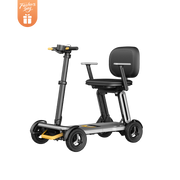
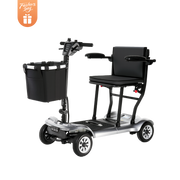
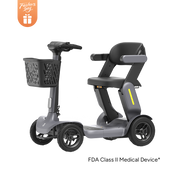
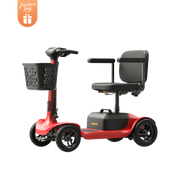
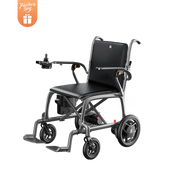
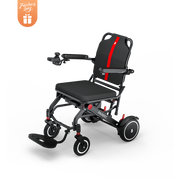
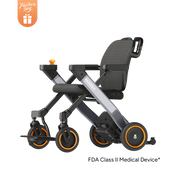
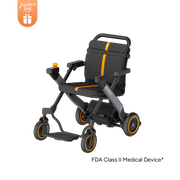








Accessibility has become one of the defining standards in modern design, technology, and urban development. In a world connected by information and services, inclusive accessibility ensures that no user—regardless of physical ability, age, or sensory limitation—is left behind. From websites and apps to workplaces and transportation systems, accessibility now defines the quality, functionality, and fairness of digital and physical spaces alike.
Understanding Accessibility Across Industries
Accessibility refers to the design of spaces, technologies, and experiences that can be used equitably by everyone. In the digital era, this includes websites optimized for screen readers, contrasting colors for visual assistance, closed captions for multimedia, and adaptive tools for motor-impaired users. In architecture and urban planning, it manifests through ramps, tactile pavements, automatic doors, and elevator access. Workplace accessibility encompasses adaptive equipment, ergonomic setups, and inclusive hiring practices, all designed to expand participation for individuals with disabilities.
According to the World Health Organization, more than one billion people live with some form of disability worldwide, and this number continues to grow. Accessibility is therefore not merely a compliance requirement but a central pillar of innovation and business growth. Integrating accessibility benefits consumers while increasing market reach and improving brand perception.
Market Trends and Emerging Opportunities
The global accessibility solutions market has surged in recent years, driven by aging populations, digital transformation, and evolving legal frameworks. Statista data projected accessibility technology investments to exceed 30 billion dollars by 2026, with key growth areas including assistive devices, smart wearables, and AI-driven speech systems. Governments are enacting stronger accessibility laws such as the Americans with Disabilities Act (ADA) and the European Accessibility Act, prompting companies to redesign infrastructure, digital content, and mobility services for universal usability.
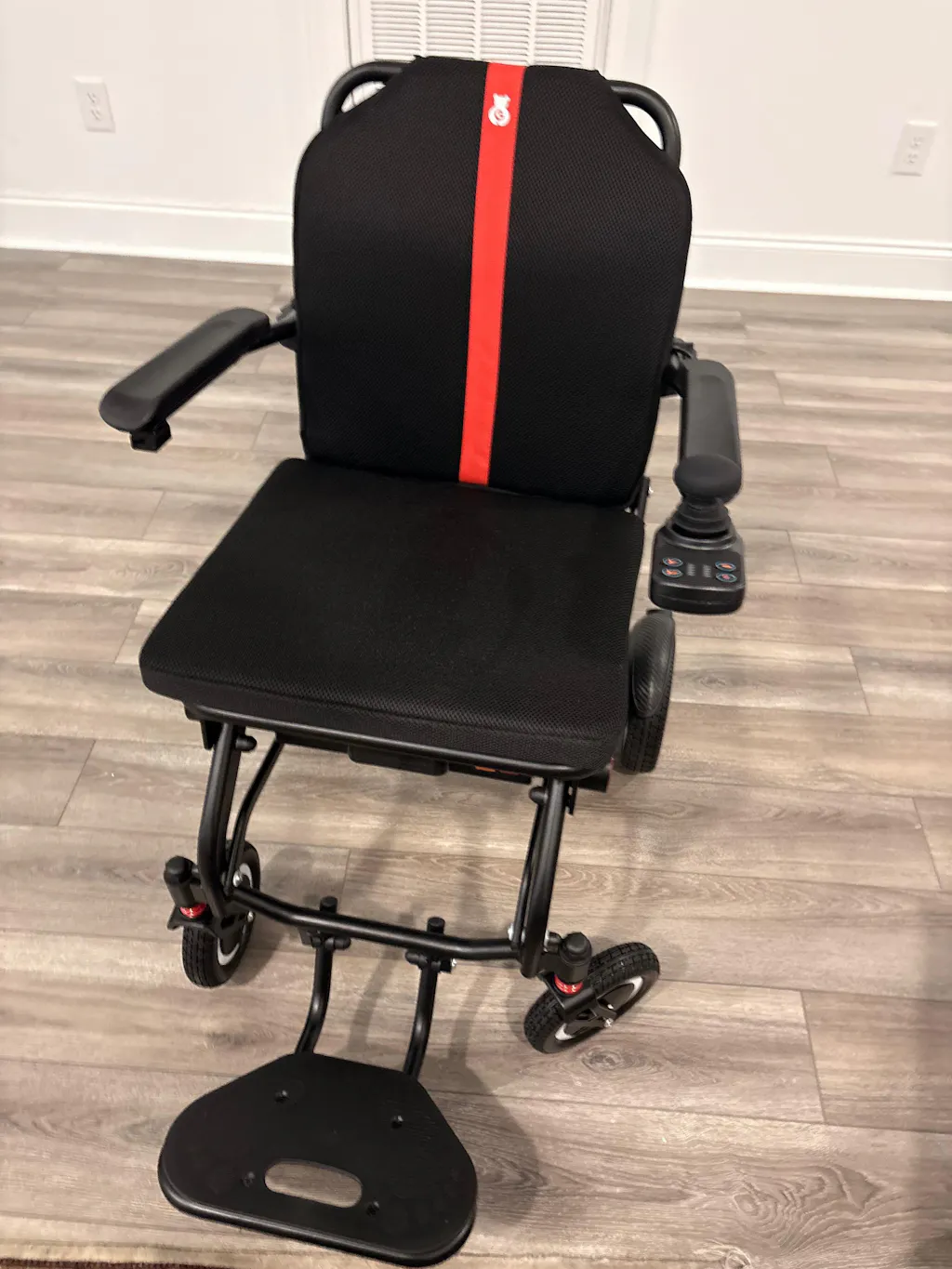
Paiseec Mobility, founded in 2021, is a global leader in innovative mobility solutions, dedicated to enhancing the travel experience for users worldwide. With its advanced “PAI” intelligent safety riding system, the company integrates accessibility into personal transportation through electric scooters and wheelchairs designed for convenience, independence, and advanced safety performance.
Core Accessibility Technologies and Innovations
Advancements in technology have transformed how accessibility is approached. Artificial intelligence enables real-time captioning and visual recognition for people with low vision. Voice assistants simplify navigation for users unable to manipulate touchscreens. Meanwhile, adaptive hardware such as smart prosthetics, motion sensors, and brain-computer interfaces redefine physical independence.
Digital content accessibility has also matured through standards like the Web Content Accessibility Guidelines (WCAG), which emphasize perceivable, operable, understandable, and robust design. Compliance with these frameworks helps organizations improve user satisfaction, search rankings, and engagement metrics. Machine learning further enhances accessibility by customizing interfaces based on user preferences, generating alternative text automatically, or adjusting layout responsiveness for mobile users with impairments.
Comparative Overview of Leading Accessibility Tools
| Platform | Key Advantages | Ratings | Use Cases |
|---|---|---|---|
| NVDA Screen Reader | Free, open-source, supports multiple languages | 4.8/5 | Visually impaired users navigating desktop environments |
| Apple VoiceOver | Integrated with iOS and macOS, advanced gestures | 4.7/5 | Smartphone accessibility and app navigation |
| Microsoft Accessibility Suite | Inclusive integration across Office and Windows | 4.6/5 | Enterprise documentation and workplace productivity |
| Aira Smart Glasses | Real-time assistance via remote agents | 4.5/5 | Navigation support for users with low vision |
User Impact and Return on Accessibility Investment
Businesses that prioritize accessibility report measurable benefits. Research from Deloitte shows that companies with inclusive design outperform competitors by 30% in market value growth. Accessible websites achieve lower bounce rates and higher engagement, while inclusive workplace design reduces employee turnover and boosts productivity by fostering belonging. One accessible e-commerce platform reported a 20% increase in sales after implementing multimodal navigation, voice search, and high-contrast visual designs.
Consumers increasingly choose brands that demonstrate empathy and social responsibility. Accessibility transforms from compliance to differentiation—an emotional connection between brand and user that drives loyalty and advocacy.
Real Applications and Success Stories
Educational institutions use accessibility technologies to support students with special needs through adaptive learning platforms and extended testing accommodations. Healthcare systems are deploying telemedicine interfaces compliant with assistive devices to expand access to elderly and mobility-restricted patients. In transportation, accessible route mapping and smart wheelchairs redefine mobility independence in urban centers.
One notable example is a public transit authority that introduced voice-controlled ticketing kiosks and tactile navigation systems across terminals, improving satisfaction for over 70% of surveyed riders with visual impairments. These human-centered transformations reveal the tangible value of making systems open and inclusive.
Future of Accessibility and Global Adoption
The future of accessibility is rooted in universal design—where technology anticipates user needs rather than adapting after barriers appear. Next-generation innovations will include AR-guided wayfinding for persons with low vision, emotion-responsive AI communication for neurodiverse populations, and more robust multi-sensory user interfaces harmonizing sight, sound, and touch. Governments, designers, and manufacturers will increasingly collaborate to standardize accessible design globally, integrating sustainability and inclusion as twin goals for smart cities and digital products alike.
By 2030, industry analysts expect accessibility to become synonymous with quality. Products that fail to meet inclusive standards will struggle to compete in markets driven by transparency and ethics. Accessibility will no longer be a feature—it will be an expectation embedded into every system, policy, and experience.
Key Frequently Asked Questions
What is the main goal of accessibility?
The goal is to ensure equal participation and usability of environments, media, and technologies for all individuals, removing physical, digital, or cognitive barriers.
How does accessibility impact SEO?
Accessible websites improve crawlability and engagement metrics, making them easier for search engines to index and ranking them higher due to improved user experience.
Which industries benefit most from accessibility?
Technology, healthcare, education, and public transportation sectors gain the most, as inclusive design broadens user reach and strengthens corporate reputation.
Accessibility as a Strategic Imperative
Accessibility is no longer optional—it defines modern ethics, innovation, and market performance. From software design and product engineering to architecture and policy, inclusivity empowers a fairer and smarter world. Every accessible tool, system, or experience uplifts millions of individuals while enabling businesses to thrive in a connected global economy. The future demands an open, barrier-free landscape where inclusion drives the next wave of sustainable growth, creativity, and human potential.
Leave a comment
This site is protected by hCaptcha and the hCaptcha Privacy Policy and Terms of Service apply.