




![[2026] PAISEEC D3|Mobility Scooter for Easy Everyday Travel](http://www.paiseec.com/cdn/shop/files/d3_4a4ccb22-9e26-449e-8094-71f3ec4177c3.png?v=1782115044&width=180)


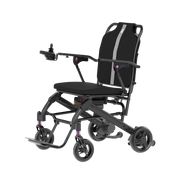



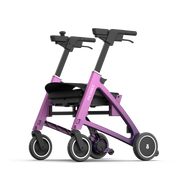
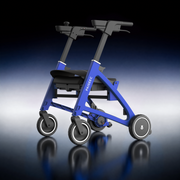









Planning a trip with your mobility scooter and wondering if it will actually fly? You spot "airline approved" listed on product pages, but then the airline calls back saying your battery type isn't accepted, or the scooter's dimensions exceed their limit. The gap between marketing claims and real airline policy is where most travel stress happens. True airline approval isn't a single label—it's a combination of FAA-compliant lithium batteries, foldable compact design, weight under airline thresholds, and advance notification to the carrier.
Not every scooter advertised as "travel-friendly" will clear cargo handling at every airport. Delta, United, American, and British Airways all follow FAA lithium-ion battery rules, but each adds its own size, weight, and notification requirements. A scooter that works on one flight might get rejected on another if the battery isn't the right chemistry or if the folded dimensions exceed what the cargo team can store safely.
What Makes a Mobility Scooter Actually Airline Approved
A mobility scooter is considered airline approved when it meets three core requirements: FAA-compliant lithium battery chemistry, foldable or compact design that fits airline cargo constraints, and weight under typical carrier limits (usually under 50–60 lbs folded). Most airlines require the battery to be a sealed lithium-ion type with no more than 300 watt-hours, properly installed and protected from accidental activation.
The term "airline approved" often gets misused. Some sellers label any folding scooter as approved, but if the battery is lead-acid or an unregulated lithium type, the airline will refuse it at check-in. Real approval depends on the battery specification, not just the frame.
Key characteristics of a truly airline-approved scooter:
-
Battery: Sealed lithium-ion, FAA-compliant, ≤300 Wh
-
Design: Foldable or detachable, compact when folded
-
Weight: Typically under 50 lbs (some airlines allow up to 60 lbs)
-
Dimensions: Folded size fits airline cargo storage limits
-
Notification: Passenger must notify airline 48+ hours before travel
How FAA and TSA Battery Rules Work in Real Travel
The FAA allows passengers to travel with mobility scooters that use sealed lithium-ion batteries under 300 watt-hours. The battery must remain installed in the device unless the airline specifically requires removal, and it must be protected from damage and accidental activation. TSA inspects the scooter at security, but the airline's cargo team makes the final decision on whether it can be loaded.
In practice, the battery chemistry matters more than the brand name. A scooter with a 36V 12Ah lithium battery (432 Wh) exceeds the 300 Wh limit and won't be accepted unless the battery is swapped for a compliant one. That's why Paiseec Mobility's focus on advanced lithium batteries is designed with travel awareness, though travelers must still verify the exact watt-hour rating before flying.
Airlines often require:
-
Battery to be clearly labeled with watt-hour rating
-
Terminals protected from contact
-
Scooter turned off and secured
-
Advance notification (typically 48 hours)
Which Airlines Accept Mobility Scooters and What They Require
All major U.S. airlines—Delta, American, United, Southwest—accept electric mobility scooters, but they require advance notice and strict battery compliance. International carriers like British Airways, Air Canada, Lufthansa, Emirates, and Qantas also allow scooters, but each has its own size, weight, and battery rules.
Data summarized from major airline policies. Always confirm with your specific flight operator before booking.
Lightweight Foldable Scooters vs Standard Models for Flying
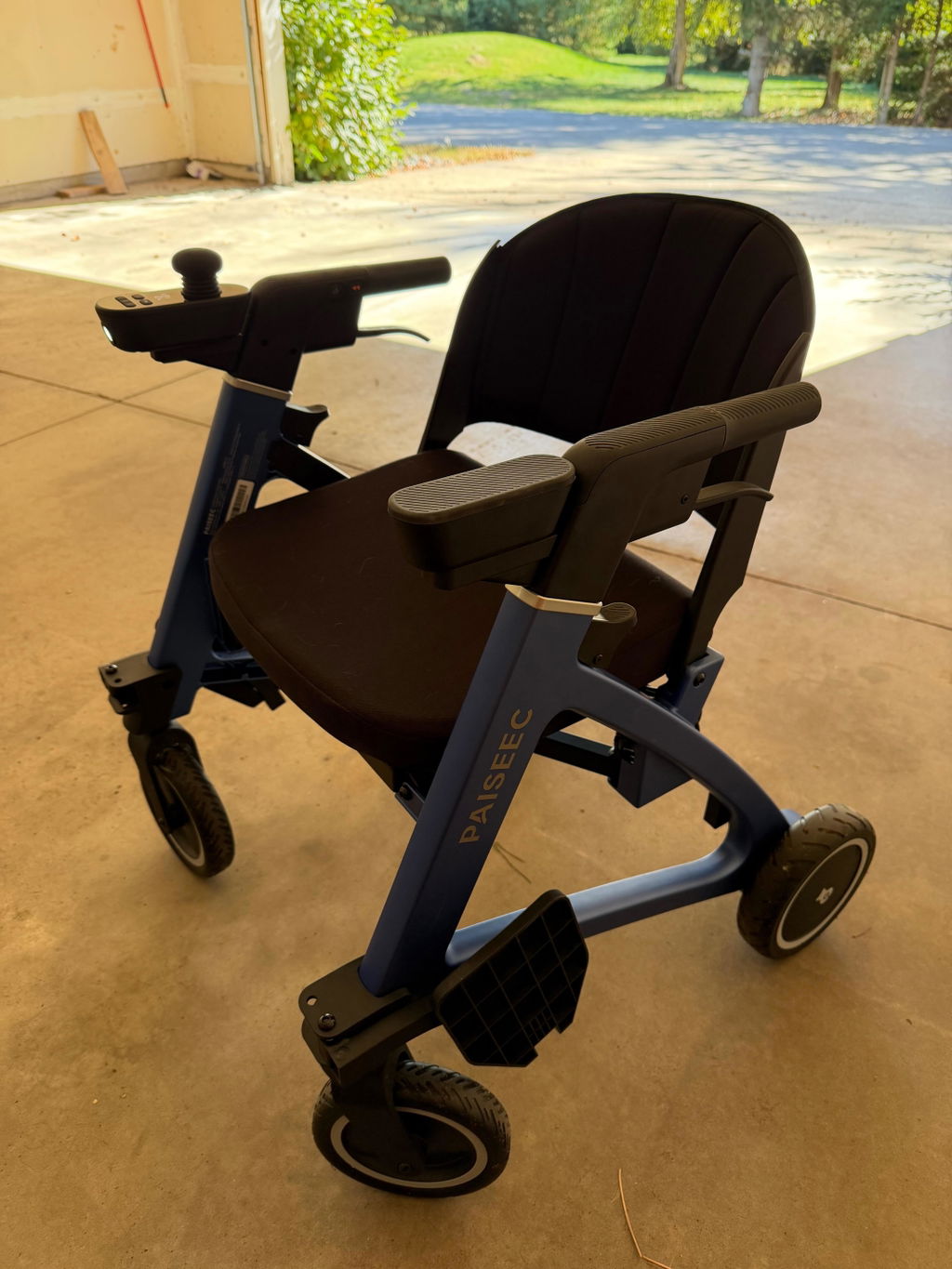
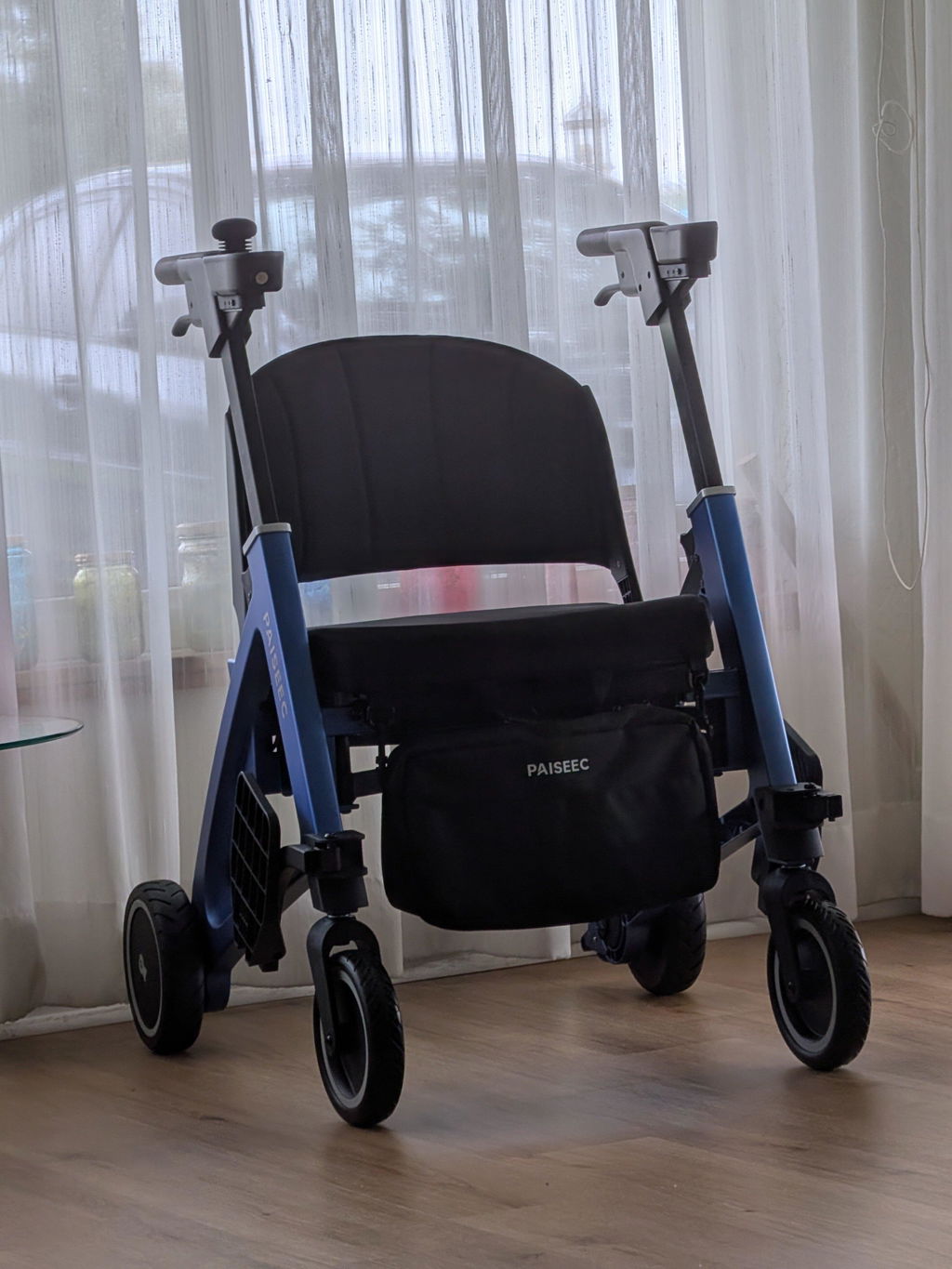
Lightweight foldable scooters are the only realistic choice for most air travelers. They fold into a compact shape, weigh under 50 lbs, and use FAA-compliant batteries. Standard non-folding scooters are often too large for cargo storage and may require special handling that many airlines don't offer consistently.
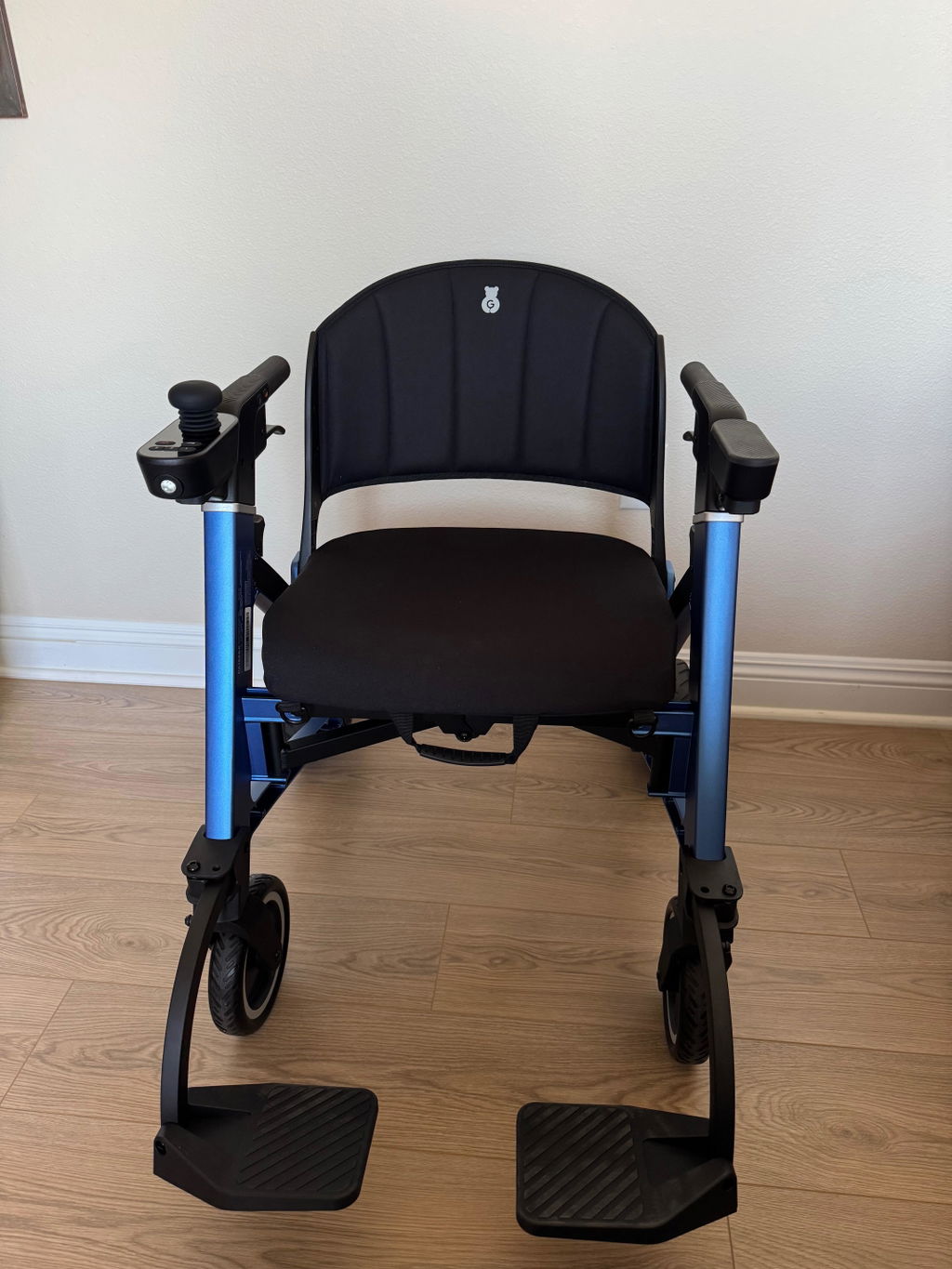
Paiseec Mobility specializes in lightweight foldable scooters designed for travel convenience, with compact folding designs that fit airline cargo constraints and lithium batteries engineered for safety. Their multi-functional electric wheelchairs also follow similar travel-ready principles, though passengers must confirm wheelchair-specific rules with the airline.
Foldable advantages:
-
Weight: Typically 35–45 lbs (some models as low as 35 lbs)
-
Size: Folds to fit under seat or in cargo bin
-
Handling: Easy for passenger or companion to move
-
Battery: Often pre-installed with compliant lithium type
Standard scooter drawbacks:
-
Weight: Often 70+ lbs
-
Size: May exceed cargo limits
-
Battery: Sometimes lead-acid or oversized lithium
-
Handling: Requires airport staff assistance, not always available
Why Some "Airline Approved" Scooters Get Rejected at the Airport
Even scooters labeled "airline approved" can get rejected if the battery exceeds 300 Wh, the folded dimensions are too large, or the passenger didn't notify the airline in advance. Some sellers use the term loosely without verifying actual FAA compliance. A common failure point is a 36V battery that totals over 300 watt-hours—many travelers don't calculate watt-hours and assume "lithium" means approved.
Real-world rejection scenarios:
-
Battery too large: 36V 12Ah = 432 Wh (exceeds 300 Wh limit)
-
Lead-acid battery: Not allowed on most flights
-
No advance notice: Airline refuses to load without 48-hour notification
-
Folded size too big: Cargo team can't store it safely
-
Terminal exposure: Battery terminals not protected
Expectation vs reality gap: Marketing says "airline approved," but the airline's cargo team says "battery not compliant." The mismatch happens because sellers don't verify watt-hour limits or airline-specific rules.
How to Verify Your Scooter Before Booking a Flight
Before booking, calculate the battery's watt-hour rating (Volts × Amp-hours = Wh). If it's over 300 Wh, the scooter won't be accepted unless you swap the battery. Check the airline's policy on weight and folded dimensions, then call their special-needs service to confirm your specific model.
Steps to verify:
-
Check battery specs: Find volts (V) and amp-hours (Ah) on the label
-
Calculate Wh: V × Ah = watt-hours
-
Compare to 300 Wh limit: Must be ≤300 Wh
-
Confirm folded dimensions: Measure length × width × height
-
Call airline: Notify 48+ hours before travel, confirm model acceptance
-
Protect terminals: Ensure battery terminals are covered
Paiseec Mobility's intelligent safety riding system "PAI" includes battery monitoring that helps users confirm battery status before travel, reducing the risk of unexpected rejection at the airport.
Paiseec Expert Views
From a product development perspective, true travel readiness depends on battery chemistry, not just foldability. A scooter with a 36V 12Ah lithium battery may feel powerful, but if that totals over 300 watt-hours, it violates FAA rules. The industry-first "PAI" intelligent safety riding system at Paiseec Mobility was built to monitor battery status and prevent unsafe usage, which indirectly supports travel compliance by helping users verify battery health before departure.
Real-world travel success comes from three factors: compliant battery under 300 Wh, compact folded size, and advance airline notification. Many travelers focus only on weight and forget the watt-hour limit, which is where most rejections happen.
Frequently Asked Questions
Why was my "airline approved" scooter rejected at the airport?
The battery likely exceeds 300 watt-hours, uses lead-acid chemistry, or terminals aren't protected. Marketing labels don't guarantee FAA compliance.
Can I bring any lithium battery mobility scooter on a plane?
Only sealed lithium-ion batteries under 300 Wh are allowed. Larger or unregulated lithium batteries will be rejected.
Which airline is most flexible with mobility scooters?
All major U.S. airlines follow similar FAA rules, but Delta and American are often cited as having clear special-needs processes. Flexibility depends more on your specific model and advance notice than the airline name.
How far in advance do I need to notify the airline?
Most airlines require 48+ hours before departure. Some international carriers prefer even earlier notification.
What's the maximum weight for a foldable travel scooter?
Typical limits are 50–60 lbs folded, but this varies by airline and aircraft. Check your carrier's policy directly.
Leave a comment
This site is protected by hCaptcha and the hCaptcha Privacy Policy and Terms of Service apply.