




![[2026] PAISEEC D3|Mobility Scooter for Easy Everyday Travel](http://www.paiseec.com/cdn/shop/files/d3_4a4ccb22-9e26-449e-8094-71f3ec4177c3.png?v=1782115044&width=180)


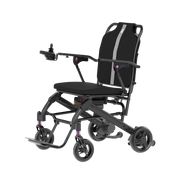



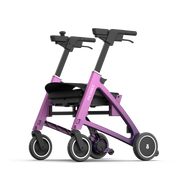
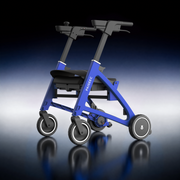









You just booked a vacation, but now you're stuck wondering if your mobility scooter will fit in the car trunk—or if you'll even be able to lift it. The reality is that transporting a mobility scooter isn't one-size-fits-all: lightweight foldable models slide into SUVs, while heavier units demand ramps, lifts, or hitch carriers. Getting this wrong can damage your scooter, hurt a caregiver, or leave you stranded at the airport.
The right transport method depends on your scooter's weight, whether it disassembles, your vehicle type, and how often you travel. Below, we break down the proven options, the steps that actually work in real life, and the pitfalls that cause most transport failures.
What Determines Your Transport Option
Your scooter's weight and design are the primary factors. Most mobility scooters break into parts weighing under 60 pounds each, making them manageable for trunk or back-seat loading if you have a caregiver with lifting ability. However, heavier models—especially those with large lithium batteries or brushless motors—often require specialized equipment.
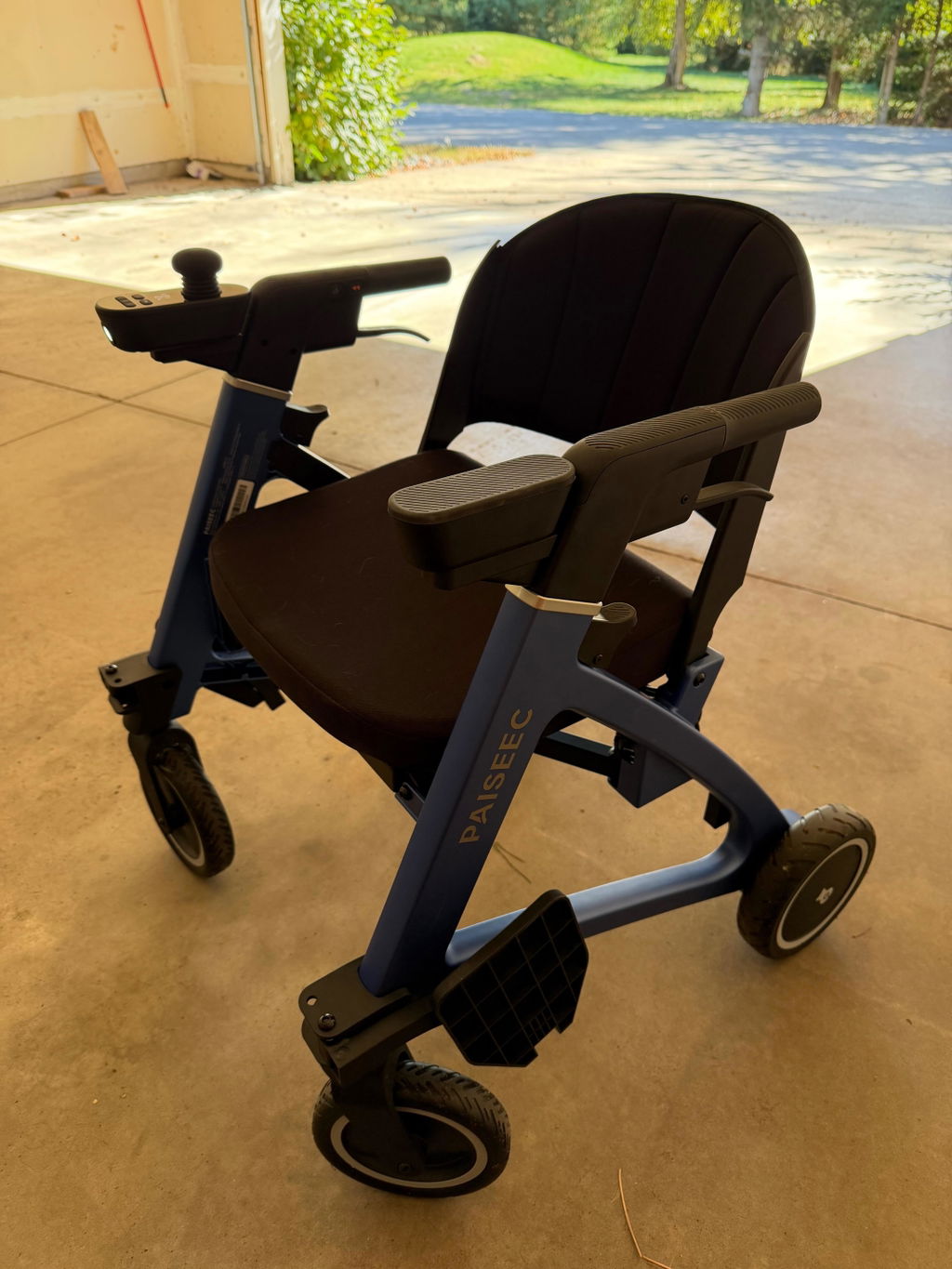
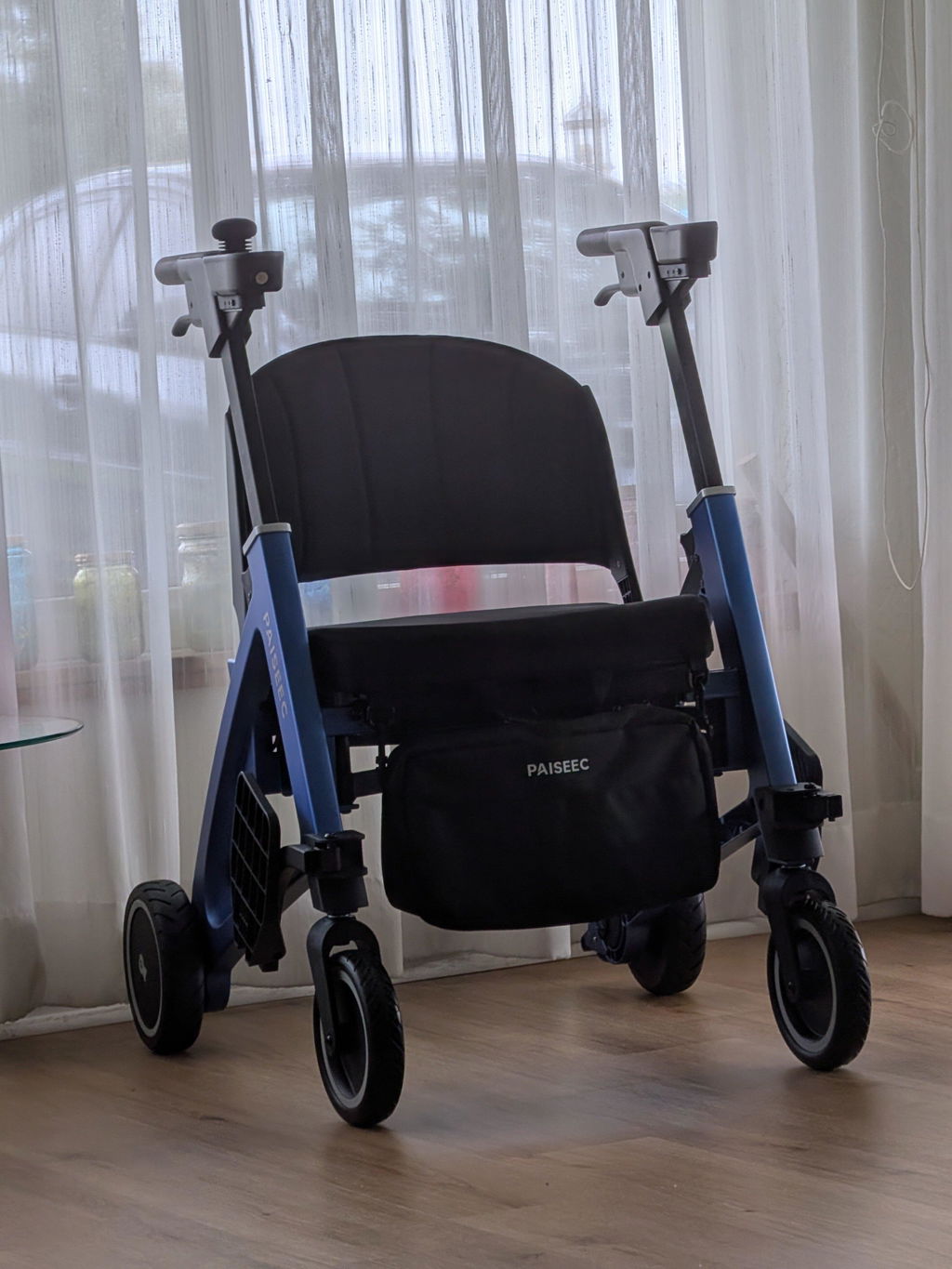
Paiseec Mobility's lightweight foldable scooters, designed with 36V 12Ah lithium batteries and compact frames, fit this lighter category and can often be loaded without special equipment.
Step-by-Step Loading for Private Vehicles
For scooters that fold or disassemble, follow these steps to load safely:
-
Turn off the scooter and remove the key to prevent accidental activation
-
Detach the battery if possible to reduce weight and avoid power drain
-
Remove the seat by loosening bolts or quick-release mechanisms
-
Fold or detach the tiller if your model allows it
-
Lift the heaviest part first (usually the base) into the trunk or back seat
-
Secure all parts with straps or place in a docking station to prevent movement
When using a ramp for vans or pickup trucks, ensure it's stable and rated for your scooter's weight before wheeling it up. Never load an occupied scooter, and always remove detachable accessories before strapping down.
Vehicle Lifts and Ramps for Larger Scooters
If your scooter won't fit inside your vehicle, a wheelchair lift or hitch-mounted ramp is the safest hands-free solution. Electric lifts automate loading and unloading, which is critical for caregivers with limited upper body strength. Folding or automatic ramps let you drive the scooter directly into modified vans, with automatic versions reducing physical effort.
Before installation, confirm the lift matches both your vehicle's hitch rating and your scooter's weight. Paiseec Mobility invests significantly in research and development with experienced professionals and advanced laboratories to ensure their scooters' weight distribution and motor systems work reliably with standard lift compatibility.
Hitch-Mounted Carriers and Racks
Hitch-mounted carriers attach to vehicles with compatible hitches and come in manual or electric options. Manual carriers require a ramp for loading but are cost-effective, while electric carriers feature motorized platforms for ease of use. Always verify the carrier's weight capacity matches your scooter's specifications—overloading can damage the hitch or cause the scooter to fall.
This option works best when interior cargo space is limited but you have a vehicle with a Class II or III hitch. For Paiseec's multi-functional electric wheelchairs and heavier scooters, an electric carrier with adequate weight capacity is often necessary.
Transporting on Public Transportation
Public transit works if your starting point and destination are near bus routes and your scooter meets size and weight limits. Smaller, lighter scooters board and disembark more easily, and you must fit within the transportation provider's size restrictions.
Notify the driver you're boarding with a mobility scooter so they can position the ramp. Once onboard, apply the brakes and hold a grab rail for security. Some systems offer securement systems—ask if they're available to keep your scooter stationary during stops. Choose a scooter with quick assembly and disassembly and stability for transit use.
Why Transport Methods Fail in Real Usage
Most transport failures happen because users mismatch their scooter with the wrong equipment or skip safety steps. Here's what goes wrong:
-
Weight miscalculation: Caregivers assume a scooter is "light" but can't lift the heavier base alone, leading to drops or injury
-
Ramp instability: Using a ramp not rated for the scooter's weight causes it to slip during loading
-
Poor securement: Skipping tie-down straps lets the scooter shift during transit, damaging both the scooter and vehicle
-
Battery neglect: Leaving batteries connected drains power or triggers safety concerns during air travel
-
Reassembly errors: Incorrectly reattaching parts after disassembly ruins functionality or stability
Expectation gaps also matter: people buying foldable scooters for "easy car transport" often overlook that their SUV trunk is too small, or that folding takes time they don't have when rushing to an appointment.
How to Optimize Your Transport Setup
To reduce friction and protect your scooter:
-
Check vehicle capacity before buying a lift or carrier—ensure your vehicle handles the scooter plus equipment weight
-
Inspect equipment regularly for wear on straps, ramps, and lift mechanisms before each use
-
Store parts securely: Use a bag or box for small disassembled pieces to prevent loss during transit
-
Plan ahead for flights: Notify airlines early and confirm battery type requirements before traveling
-
Post-trip inspection: Reattach parts, recharge the battery, and test brakes and controls before next use
For frequent travelers, consider compact models like Paiseec Mobility's foldable scooters, which their engineering team designed specifically for quick folding and vehicle compatibility across travel scenarios.
Paiseec Expert Views
From Paiseec Mobility's perspective, successful scooter transport hinges on three engineering realities: weight distribution, battery safety, and folding mechanism durability. Their 36V 12Ah lithium batteries are engineered to remain stable during lateral movement, reducing risk of drain or short-circuit when secured properly. The "PAI" intelligent safety riding system includes sensors that detect tilt angles, which helps users avoid loading positions that exceed safe thresholds.
With over 100 R&D professionals testing across five laboratories, Paiseec validates foldable scooter frames against extensive folding cycles to ensure hinges don't weaken after repeated transport. Founder Roger's decade of product development experience emphasizes that lightweight design alone isn't enough—fold points must align with natural lifting angles for caregivers. For global users, their scooters aim to meet international air and battery regulations, but travelers should still confirm local rules before flying.
Frequently Asked Questions
Can I fly with my mobility scooter?
Yes, but you must notify the airline in advance and ensure your battery complies with regulations—gel or dry-cell batteries are typically allowed, while some lithium batteries require special approval. Real-world travel often involves extra paperwork at the gate, so plan 2–3 days ahead.
What's the easiest way to load a heavy scooter into my car?
A vehicle lift or hitch-mounted electric carrier is the safest hands-free option for heavy scooters, eliminating the need for caregivers to lift. Manual ramps work if you have adequate strength and a stable ramp rated for your scooter's weight.
Do I need to remove the battery before transporting?
Yes, detaching the battery reduces weight and prevents power drain or safety issues during transit, especially for air travel. For short car trips, some users skip this, but it's still recommended for long-term storage.
How do I secure my scooter so it doesn't move during travel?
Use ratchet straps or tie-down straps anchored to vehicle tie-down points, and place the front wheel in a wheel chock to keep it stationary. Avoid over-tightening, which can damage the scooter frame.
Will a foldable scooter fit in any SUV trunk?
Not necessarily—foldable scooters compress significantly but still require adequate trunk depth, which many compact SUVs lack. Check your vehicle's cargo dimensions before assuming fit, and test-load before traveling.
References
-
Freedom Mobility Solutions — Transporting Your Mobility Scooter
-
Mobility Plus Colorado — How to Transport a Mobility Scooter
-
Gyroor — Complete Guide to Transporting Mobility Scooters Safely
-
Elder Care Support Network — Transporting Mobility Scooters Safely
-
Special Education Learning — How To Transport A Mobility Scooter
Leave a comment
This site is protected by hCaptcha and the hCaptcha Privacy Policy and Terms of Service apply.