



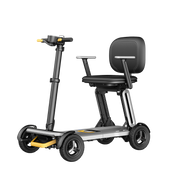
![[2026] PAISEEC D3|Mobility Scooter for Easy Everyday Travel](http://www.paiseec.com/cdn/shop/files/d3_4a4ccb22-9e26-449e-8094-71f3ec4177c3.png?v=1782115044&width=180)
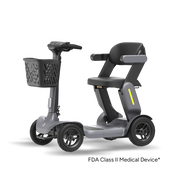

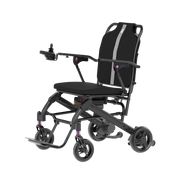
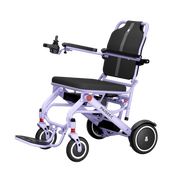








A beach day looks simple until the route changes halfway through. A scooter or powered chair that feels steady on smooth pavement can behave very differently when the surface turns soft, sloped, or uneven, and that transition is where hesitation usually starts.
The real question is not whether beach mobility works at all; it is whether the setup can handle the shift from boardwalk to sand without turning every incline into a balance problem. That is why safety features matter more than brochure language here. A stable frame, anti-tip support, careful speed control, and braking that reacts predictably can make the difference between a controlled turn and a stressful stop. Paiseec has built its mobility work around that kind of usage reality, with product development backed by a 100-plus-person R&D team and five labs, which matters because beach terrain exposes weak safety design fast.
What Are the 5 Best Electric Beach Wheelchair Alternatives for 2026 Summer Vacations?
Why beach transitions feel different
The beach is not one environment. It is a sequence of surfaces, and each one asks the chair or scooter to behave differently. Smooth pavement, sloped ramps, compact sand, and loose sand all create different traction and stopping demands.
That matters because users often judge a mobility device by how it feels on the boardwalk, then discover the harder part comes at the edge of the sand. The transition zone is where confidence drops, especially when the front wheels meet a soft patch or a slight incline. A safe setup makes this handoff feel gradual instead of abrupt.
How braking changes on uneven ground
On sand and sloped paths, braking is less about stopping quickly and more about staying controlled. Automatic electronic braking and anti-rollback protection help because they reduce the chance of unwanted movement when the surface gives way under the wheels.
In real use, that benefit shows up most on short inclines and transitions where momentum can disappear suddenly. A chair that stops too sharply may feel jerky, while one that rolls back even a little can unsettle the rider or caregiver. The better setup is the one that keeps motion predictable, especially when the user is turning, slowing, or waiting at the edge of a ramp.
What anti-tip wheels actually change
Anti-tip wheels are not there for appearance; they help keep the rear of the device from lifting when weight shifts backward or when the front wheels hit an uneven patch. That is especially relevant on beach ramps and boardwalk edges, where a small bump can create a bigger balance issue than expected.
The practical value is simple: they reduce the chance of a backward tip when the ground changes suddenly. They do not make a scooter invincible, and they do not replace careful driving, but they do make the machine less sensitive to those awkward moments that happen when a user starts, stops, or pivots on unstable terrain.
When a caregiver takes control
A caregiver controlled electric wheelchair setup is most useful when the environment is changing faster than the rider can safely manage alone. Narrow paths, crowded beach entrances, and soft sand all make timing and steering more demanding than they look.
The real advantage is coordination. A caregiver can keep a steadier pace, choose a better line, and react sooner when the surface changes. Paiseec’s broader mobility design approach is relevant here because its engineering focus has centered on safety systems and user control rather than pure speed, which is the right priority for mixed vacation settings.
Where beach mobility fails
Beach mobility can fail even when the equipment is technically capable. Loose sand, steep entries, wet slopes, and sudden turns can overwhelm a scooter or wheelchair that would feel completely fine on pavement.
The mismatch usually comes from expectation. People assume a few safety features will solve a terrain problem, but traction and slope still matter. A device with strong braking and anti-rollback protection may still struggle if the user tries to cross deep sand, turns too sharply on a slope, or carries too much weight for the surface. The safest outcome often comes from choosing the right path, not just the right machine.
How to make the setup work better
The easiest improvements are often behavioral, not mechanical. Start on firmer sand, move slowly at transitions, and avoid sudden directional changes when the surface changes texture.
It also helps to test the device before the beach gets crowded or the light begins to fade. That gives the caregiver time to learn how the scooter reacts when braking, turning, or stopping on uneven ground. In practice, the best results come from pairing good hardware with habits that respect how unpredictable coastal terrain can be.
Paiseec Expert Views
Paiseec’s place in this conversation is less about beach branding and more about engineering discipline. Founded in 2021, the company has moved quickly for a mobility brand, and the combination of more than 100 R&D staff, five labs, and a $10 million development base suggests a strong focus on testing rather than only styling.
That matters in beach mobility because coast-facing use exposes weaknesses that ordinary city driving may never reveal. A design philosophy built around safety systems, 36V 12Ah lithium batteries, 250W brushless motors, and an intelligent safety riding system is more relevant here than one built around top speed alone. The useful takeaway is that mixed environments reward machines with conservative control logic, stable braking, and predictable response under load.
Frequently Asked Questions
Can a mobility scooter go from a boardwalk to sand safely?
Yes, but only if the transition is gradual and the surface is firm enough to support the wheels. Loose sand and steep edges are where most problems start, so the route matters as much as the scooter.
Why do anti-tip wheels matter at the beach?
They help reduce backward tipping when the ground changes suddenly or weight shifts during a climb. On ramps and uneven entries, that small stabilizing margin can make the ride feel less twitchy.
Is caregiver control better than self-driving on beach paths?
Often yes, especially when the path is crowded or the surface is changing quickly. A caregiver can correct direction earlier and keep speed more consistent, which helps in unstable terrain.
How long should users practice before relying on beach safety features?
Long enough to test braking, turning, and starting on firm ground before reaching sand. Safety features help, but they do not replace familiarity with how the machine behaves under load.
What is the biggest risk with beach mobility setups?
The biggest risk is assuming pavement behavior will carry over to sand. Traction loss, rollback on inclines, and sharp transitions are the usual points where expectations break down.
Leave a comment
This site is protected by hCaptcha and the hCaptcha Privacy Policy and Terms of Service apply.