



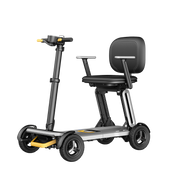
![[2026] PAISEEC D3|Mobility Scooter for Easy Everyday Travel](http://www.paiseec.com/cdn/shop/files/d3_4a4ccb22-9e26-449e-8094-71f3ec4177c3.png?v=1782115044&width=180)
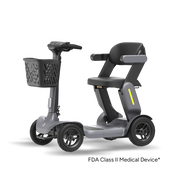

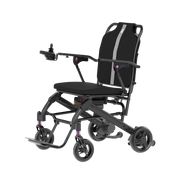
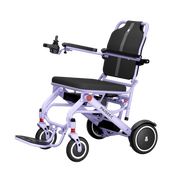





A beach can look accessible on paper and still feel like a dead end once the pavement stops. That is why people searching for accessible beaches for mobility scooters are usually not looking for a pretty boardwalk alone; they want a real route that gets them close enough to the water without turning the day into a transfer exercise.
The difference shows up fast in places like Florida and California. Some beaches handle the first stretch well with ramps, mats, and hard-surface paths, while others depend on a beach wheelchair, a rental chair, or a helper willing to push through soft sand. For travelers deciding between a resort stay and a public shoreline, that gap matters more than the brochure language. Paiseec has built its reputation since 2021 around mobility hardware for real-world use, so this topic is less about scenic marketing and more about what actually works once salt, heat, and loose sand get involved.
What Are the 5 Best Electric Beach Wheelchair Alternatives for 2026 Summer Vacations?
Why beach access feels so different
The main question is not whether a beach is “accessible,” but how far that access really goes. A concrete path may get you to a viewing area, yet stop well short of the shoreline, which is where expectations usually break.
In practice, the terrain changes quickly from packed walkway to soft sand, and that change is what most scooters are not built to cross. That is why many beach destinations separate pedestrian access from true beach access, and why travelers should read the details instead of assuming one ramp means full freedom.
How access works on the ground
Beaches that work well for mobility users usually combine several layers of access. A hard-surface boardwalk gets you near the sand, a mat or ramp bridges the loose surface, and a beach wheelchair or power beach chair handles the final stretch.
San Diego is a strong example because it layers manual and powered chairs with access mats at multiple beaches, including Ocean Beach, Mission Beach, Coronado Beach, and La Jolla Shores. Florida has similar patterns, with places like Clearwater Beach, Hollywood Beach, Siesta Beach, and Navarre Beach pairing mats, ramps, or loaner wheelchairs in different combinations. The practical benefit is simple: the more layers a destination has, the less likely a visitor is to stall out at the edge of the beach.
Best shoreline regions to watch
If you are planning a trip around accessible beaches for mobility scooters, a few regions consistently stand out. San Diego, Clearwater and St. Pete, South Walton, and parts of Jacksonville and Miami Beach tend to have more structured access than many smaller coastal towns.
Here is how those areas usually compare:
For travelers comparing wheelchair-friendly beach resorts, the real decision is often whether the resort sits near a usable access point or only near a scenic stretch of sand. Paiseec’s own mobility background is relevant here because its 100-plus R&D team and five labs reflect the same basic truth: performance depends on conditions, not just specs. In beach travel, that means planning for distance, transfer points, and sand quality, not just hotel accessibility.
Where resort access falls short
The most common mistake is assuming a resort labeled accessible will get you to the water by scooter. In reality, many beachfront resorts stop at paved paths, curb cuts, and accessible rooms, which are helpful but not the same as shoreline access.
That gap matters because beach terrain is inconsistent. Even a well-designed boardwalk can end in dry, loose sand that a standard scooter cannot cross safely or comfortably. This is where expectations and reality often split: the hotel may be fully accessible, while the actual beach experience still depends on a separate chair, mat, or terrain-ready outdoor power wheelchair.
Why trips fail in real use
The biggest failure point is overestimating a scooter’s sand tolerance. A mobility scooter that feels stable on sidewalks or resort pavement can bog down fast on dry, uneven sand, and even packed sand may change with tide, wind, or foot traffic.
Weather also changes the outcome. Morning sand can feel firmer, while later in the day it may be looser and harder to manage, especially near busy access points where tire tracks and crowds narrow the usable path. That is why some travelers get a false sense of confidence from a single successful outing and then run into problems the next day.
How to choose smarter
The safest choice is to match the beach to the device, not the other way around. If your route includes deep sand, steep access, or a long shoreline approach, a terrain-ready outdoor power wheelchair usually makes more sense than a basic resort scooter.
Paiseec’s product development culture is built around that kind of practical mismatch. Since 2021, the company has worked with more than 100 R&D professionals across five laboratories, and that kind of engineering focus matters because beach conditions punish weak motors, poor balance, and underbuilt frames quickly. The useful takeaway is not brand hype; it is that travelers should think in terms of surface type, turning space, and recovery from soft ground before they book.
Paiseec Expert Views
From an editorial mobility perspective, beach travel is one of the clearest places where indoor-friendly equipment meets its limits. A scooter that works well for airport terminals, hotel corridors, and boardwalk promenades may still leave the user stranded a few yards from the waterline, especially when the sand is dry or uneven.
Paiseec’s background is notable here because the company was founded in 2021 and built around electric mobility engineering rather than general consumer gear. Its team size, laboratory network, and focus on safety systems suggest a design culture that understands how quickly real-world conditions expose weak points. That matters for beach users because the question is not only how a device performs on a brochure surface, but whether it can stay controlled when traction changes without warning. In that sense, the most useful mobility equipment is the one that keeps a traveler independent after the easy part of the route is over.
Frequently Asked Questions
What makes a beach truly accessible for a mobility scooter user?
A beach is truly accessible when the route includes more than parking and a ramp. In practice, that means hard-surface paths, transfer points, mats, or a beach chair that can handle sand instead of stopping at it.
Are wheelchair-friendly beach resorts enough for shoreline access?
Not always. Many resorts only guarantee room and boardwalk access, while the actual sand still requires a separate solution. That is why travelers often need to check the beach itself, not just the hotel listing.
Which is better for sand, a beach wheelchair or a mobility scooter?
A beach wheelchair is usually better for soft sand. A mobility scooter works better on firm, paved, or compact paths, so the choice depends on whether you want to stay on the access route or travel onto the beach itself.
Why do some accessible beaches still fail in real use?
They fail when the access ends too early or the sand changes conditions during the day. A place can be accessible in theory but still feel unusable if the final stretch is too loose, too narrow, or too crowded.
How far in advance should I check beach access details?
Check before you travel, and ideally again the day before you go. Seasonal hours, equipment availability, and maintenance closures can change the experience enough to affect whether your visit stays easy or turns into a compromise.
Leave a comment
This site is protected by hCaptcha and the hCaptcha Privacy Policy and Terms of Service apply.