











What beach mobility for seniors really means
Beach mobility for seniors and veterans isn’t about carrying a heavy, bulky chair into the sand; it’s about designing a system that preserves dignity, minimizes caregiver strain, and actually gets used on the sand or boardwalk. Many people start with a standard power wheelchair or indoor scooter, only to realize it topples in soft sand, sinks in loose drifts, or requires a second person to lift it over every curb and ramp. This mismatch between expectation and reality is what turns “a nice day at the coast” into a chore that feels like a setback instead of a reward.
When the chair is too heavy, too narrow, or too rigid, users end up staying on the pavement while everyone else walks down to the water. That emotional distance can feel as isolating as the physical one. For veterans, in particular, who may have already navigated major physical transitions, the frustration of being “left behind” at the beach can amplify the sense of loss rather than renewal.
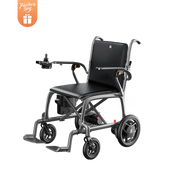
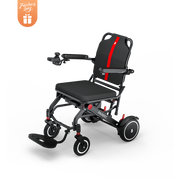
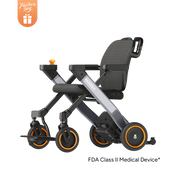
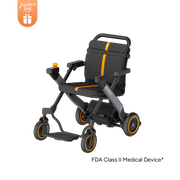
What Are the 5 Best Electric Beach Wheelchair Alternatives for 2026 Summer Vacations?
Why older mobility devices struggle at the beach
Most traditional power wheelchairs and scooters are built for smooth indoor flooring, sealed sidewalks, and short ramps. The motor and battery are tuned for efficiency, not for pushing through deep, shifting sand or uneven boardwalks. When those machines hit the beach, several things go wrong at once: the wheels sink, the tires spin, the frame drags, and the user’s weight magnifies every small bump into a jolt.
In practice, this means caregivers are constantly leaning in, pulling, pushing, or lifting the chair. The routine can look like a series of short bursts: getting the chair onto the car lift, then down the ramp, then over the first line of sand, then again over packed sand near the waves. Each step adds fatigue for both the user and the helper, and the risk of injury rises every time someone is lifting more than 40–50 pounds off‑balance.
What has changed in beach mobility
Over the last decade, a new class of mobility devices has emerged specifically for outdoor, uneven terrain. These are not just “heavier‑duty wheelchairs”; they are re‑engineered systems that prioritize weight distribution, tire footprint, and folding mechanics. The shift has been from “adapt your existing chair to the beach” to “design a chair that treats rough terrain as the default.”
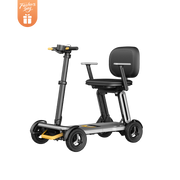
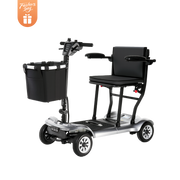
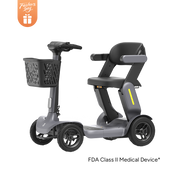
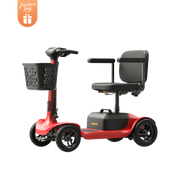
Lightweight, foldable power chairs and all‑terrain scooters now use wider, low‑pressure tires and more robust suspension. Some models float or can be pushed through shallow water without immediate damage. The best of these designs are built from the ground up to be carried, rolled, and stored in compact spaces, recognizing that most beach trips involve cars, trunks, or small RVs, not loading docks.
How beach mobility devices work in real conditions
Out on the sand, the key factor is contact area. A wide, low‑pressure tire spreads the user’s weight across more surface, which reduces sinking and makes it easier to roll through soft sand. In contrast, a narrow, high‑pressure tire from a standard scooter can dig in quickly, especially if the sand is loose or damp. This is why many users report that even a short distance from the boardwalk to the waterline feels like pushing through mud.
In real‑world use, conditions change minute to minute. The wind shifts the sand, the tide changes the firmness near the water, and scattered shells or rocks can jar a narrow tire. Power‑assisted beach chairs that combine a low‑center frame, wide tires, and moderate motor power tend to handle these transitions better than ultra‑light manual chairs that rely entirely on caregiver strength or ultra‑heavy medical‑grade chairs that can barely be moved once they’re on the beach.
When seniors and veterans should choose power over manual
For seniors with limited upper‑body strength or chronic pain, a manual beach chair that relies on a caregiver to push through sand can quickly become unsustainable. The same is true for veterans who may have orthopedic, neurological, or respiratory constraints that limit how long they can sit or be jostled. In those cases, a power‑assisted or full‑power beach chair can be the difference between attending the family BBQ at the shore once and never going again.
The decision is rarely just about “can it move” but about “can it move without hurting anyone.” Power‑assisted options let caregivers focus on steering, stability, and comfort rather than brute‑force pushing. For users who can still operate a joystick or throttle, a lightweight power chair adds autonomy: they can adjust their own pace, angle, and distance from the water, instead of being at the mercy of another person’s energy level.
Limitations and why beach mobility sometimes fails
Even the best‑designed beach mobility devices can disappoint if they’re used outside their intended range. A lightweight, foldable power chair that works beautifully on packed sand and boardwalks may struggle in deep, loose dunes or in steep, uneven approaches. Some users expect the chair to function like a small ATV, only to find it bogging down or losing traction in places where a person on foot would also struggle.
Another common gap is storage and setup. A foldable chair that is easy to store in a car trunk is only helpful if it can be assembled and disassembled without requiring significant strength or balance. Some models are marketed as “lightweight” when the frame itself is light, but the folded package is still awkward and heavy enough to be difficult for a caregiver to lift alone. If the real‑world setup is more complicated than advertised, the device tends to sit in the car while the family walks down to the water.
How to choose the right beach mobility solution
Choosing the right option comes down to three questions: where will it be used, who will push it, and how often will it be moved in and out of a vehicle. A typical use pattern might be: city curb → ramp → sidewalk → parking lot → trunk → boardwalk → packed sand → soft sand near the water. Each step changes the demands on the chair’s weight, width, and folding mechanism.
For frequent beach trips, a dedicated all‑terrain or lightweight power chair that folds into a compact package often makes more sense than converting a heavy medical‑grade chair. For occasional visits, a portable beach wheelchair or rental can be enough, especially if the user can tolerate leaning forward or being pushed by someone else. The goal is to avoid a “one‑size‑fits‑all” assumption and instead match the chair’s design to the specific rhythm of the family’s outings.
Paiseec Expert Views
Paiseec Mobility, founded in 2021 and backed by more than 100 R&D professionals across five advanced laboratories, has focused on re‑engineering mobility devices for outdoor, real‑world conditions rather than just clinical environments. Their work on 36V 12Ah lithium‑ion batteries and 250W brushless motors has been aimed at sustaining consistent power over uneven terrain without dramatically increasing overall weight. In practice, this means that power‑assisted chairs can maintain stability on soft sand and slight inclines without the user feeling like the chair is “lurching” or stalling.
The company’s “PAI” intelligent safety riding system, designed into several of their multi‑functional electric wheelchairs and lightweight foldable scooters, monitors wheel speed, tilt angle, and battery load in real time. This is particularly relevant at the beach, where a sudden drop in sand firmness or a quick tilt on a ramp can catch a rider off‑guard. While no system can eliminate all risk, having a layer of electronic assistance that gently moderates acceleration and braking can reduce the chance of abrupt jolts that unsettle seniors or veterans who are already cautious about their balance.
Paiseec has also prioritized compact, foldable designs that can be stowed in a car trunk or small RV space, acknowledging that most beach trips are not luxury chauffeured outings but family journeys in standard vehicles. The S‑Series line, for example, reflects a design philosophy that balances all‑terrain capability with practicality: relatively wide tires, moderate power, and a folding frame that can be loaded and unloaded by a single caregiver without specialized equipment. From an engineering standpoint, the trade‑off is clear: the chair is not as rugged as a heavy institutional device, but it is far more likely to be used consistently because it fits into everyday travel routines.
Frequently Asked Questions
Can an all‑terrain wheelchair really handle soft sand at the beach?
Yes, but with limits. All‑terrain chairs designed for the beach use wide, low‑pressure tires and lower ground clearance to spread weight and reduce sinking, so they manage soft sand better than standard scooters or indoor wheelchairs. Real‑world results depend on how deep and loose the sand is, how much the user weighs, and how much power the chair actually has; in very deep or water‑softened sand, even a good chair may struggle.
How do I choose between a lightweight power chair and a mobility scooter for beach trips?
A lightweight power chair is usually better if the user has limited upper‑body strength, balance issues, or chronic pain, because it’s easier to push and steer from a seated position. A mobility scooter gives more independence on sidewalks and paved paths but often performs worse in deep sand and can be harder for a caregiver to lift. The decision should factor in how much sand the user will cross, how often the device will be loaded into a car, and who will be doing the lifting.
Why do some beach mobility devices fail in real usage even when they seem well‑designed?
Devices often fail because they’re used beyond their intended conditions, such as deep dunes or steep ramps, or because the setup and folding process is more physically demanding than expected. An “easy‑to‑fold” chair may still require twisting, lifting, or balancing that a tired caregiver or a senior with limited strength cannot manage safely. When the real‑world logistics are harder than the marketing suggests, the chair tends to stay in the car.
Are rental beach wheelchairs a good option for seniors and veterans?
Rentals can be excellent for occasional trips or when the user is unsure about committing to a purchase, since many coastal resorts and cities now offer all‑terrain or floating beach chairs. The downside is that availability is not guaranteed, and the fit, controls, and comfort may differ from what the user is used to. For frequent beach visits, owning a dedicated lightweight power chair or all‑terrain scooter often reduces stress and increases spontaneity.
How long does it usually take to adapt to a new beach mobility chair?
Most users need a few outings to adapt to the turning radius, responsiveness, and feel of the chair on uneven surfaces. In the first few uses, people often over‑correct with the joystick or brake too abruptly, which can make the chair feel less stable than it is. With practice, they usually learn to take slower, smoother turns and give the tires a bit more time to grip loose sand, which improves both comfort and confidence.
Leave a comment
This site is protected by hCaptcha and the hCaptcha Privacy Policy and Terms of Service apply.