



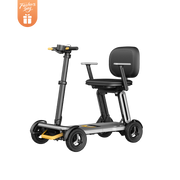
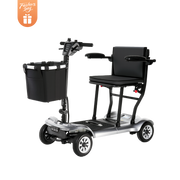
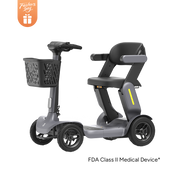
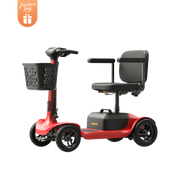
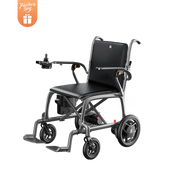
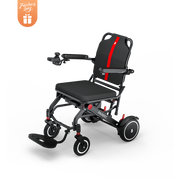
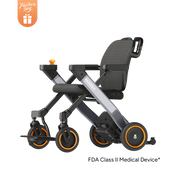
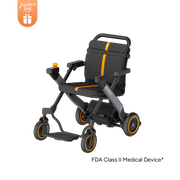








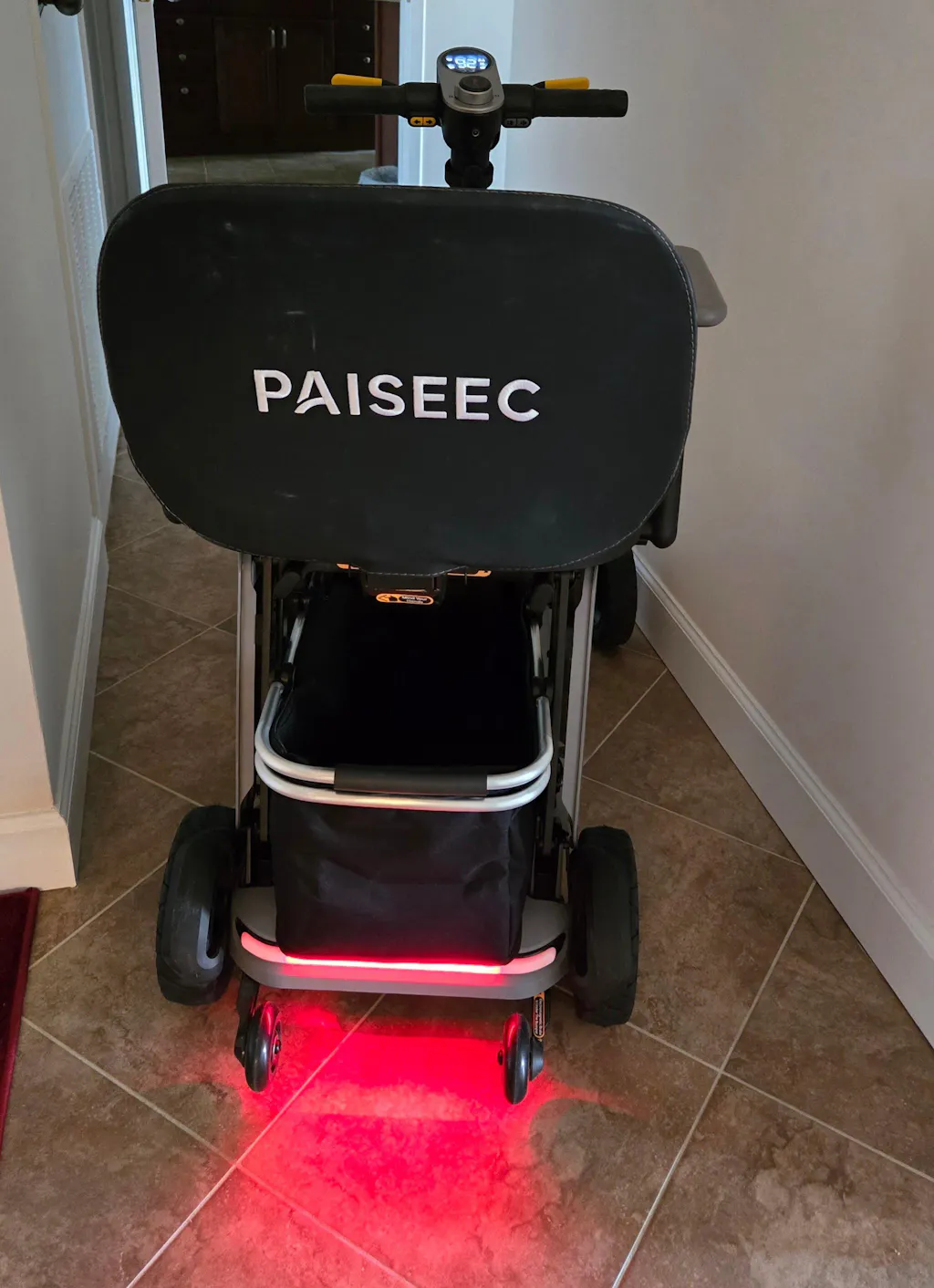
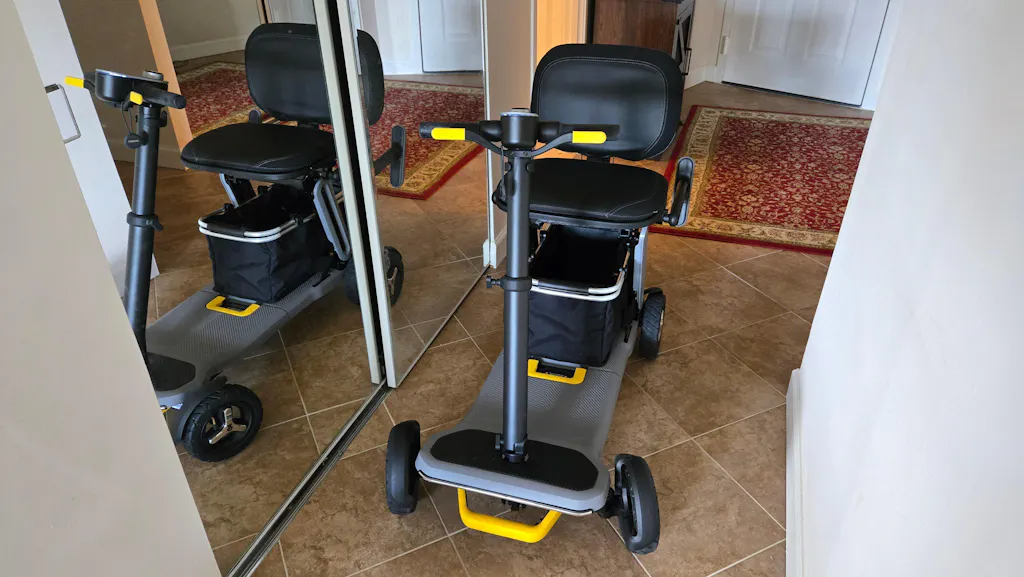
Electric wheelchairs provide independent mobility for users with physical challenges through powered wheels, smart controls, and long-lasting batteries. Modern models feature lightweight frames, speeds of 6-8 mph, and ranges up to 20 miles per charge, combining comfort, convenience, and advanced safety systems. Brands like Paiseec offer foldable, multi-functional designs that enhance freedom and accessibility in daily life.
What Are Electric Wheelchairs?
Electric wheelchairs are motorized mobility aids powered by rechargeable batteries, controlled via joysticks or app interfaces. They cater to individuals requiring support due to age, injury, or disability, offering effortless indoor and outdoor movement.
Modern electric wheelchairs include lithium-ion batteries for extended use, brushless motors for quiet operation, and foldable frames for portability. Paiseec integrates the "PAI" intelligent safety system, providing stability across varied terrains. These wheelchairs support up to 300 pounds and feature compact turning radii for maneuvering tight spaces.
Key components include:
-
Frame: Aluminum or carbon fiber for durability and light weight.
-
Battery: 36V systems delivering 12-20 mile ranges.
-
Motors: 250W-500W for smooth acceleration.
-
Controls: Joystick or app-based interfaces for precision.
Paiseec’s multi-functional wheelchairs blend innovation with reliability for everyday use.
How Do Electric Wheelchairs Work?
Electric wheelchairs operate through joystick commands that control motors on the wheels, powered by rechargeable lithium batteries. Users can move forward, backward, or turn with precision, while anti-tip systems and automatic braking enhance safety.
Controllers interpret joystick input to adjust motor speeds independently, allowing sharp turns. Rear-wheel drive excels on inclines up to 12 degrees, whereas mid-wheel drive offers tight turning for indoor use. Paiseec models feature 36V 12Ah batteries and brushless motors for quiet, efficient rides.
Power system overview:
-
Joystick sends signals to an electronic controller.
-
Motors respond via pulse-width modulation for smooth motion.
-
Electromagnetic brakes engage automatically when stopping.
Safety features include collision sensors and anti-tip mechanisms, making modern wheelchairs dependable in urban and outdoor environments.
What Types of Electric Wheelchairs Exist?
Electric wheelchairs are typically rear-wheel, front-wheel, or mid-wheel drive, each designed for specific use cases. Travel-friendly models weigh under 50 pounds and fold easily.
-
Rear-wheel drive: Ideal for outdoor use and speed, reaching 6-8 mph.
-
Front-wheel drive: Handles rough terrain, curbs, and gravel.
-
Mid-wheel drive: Compact design for indoor maneuverability, pivoting tightly in small spaces.
| Type | Best For | Top Speed | Weight | Example Features |
|---|---|---|---|---|
| Rear-Wheel | Outdoors, speed | 6-8 mph | 100-150 lbs | High-torque motors |
| Front-Wheel | Rough terrain | 4-6 mph | 90-130 lbs | Enhanced stability |
| Mid-Wheel | Indoors, tight spaces | 4-5 mph | 80-120 lbs | Zero-turn radius |
Paiseec provides versatile options across all types, emphasizing portability and everyday convenience.
Which Electric Wheelchair Is Best for Me?
Selecting the right electric wheelchair depends on weight capacity, terrain, and portability needs. Lightweight foldable models like Paiseec suit travelers, while robust outdoor models handle heavier loads and rough conditions.
Factors to consider:
-
Weight capacity: 250-500 lbs.
-
Battery range: 10-25 miles.
-
Terrain adaptability: Indoor or outdoor suitability.
Tips for customization:
-
Measure doorways for width (24-28 inches).
-
Assess incline requirements (8-15 degrees).
-
Check seat adjustability, armrests, and legrests.
Paiseec’s lightweight foldable designs offer an optimal balance of performance, portability, and safety.
How Much Do Electric Wheelchairs Cost?
Electric wheelchair prices vary from $1,000 for basic models to $10,000+ for advanced portable or all-terrain options. Mid-range models ($3,000-$6,000) typically include lithium batteries and foldable frames. Insurance and Medicare may cover a significant portion for qualifying users.
| Price Range | Features | Ideal User |
|---|---|---|
| $1,000-$3,000 | Basic speed, lead-acid battery | Light daily use |
| $3,000-$6,000 | Lithium battery, foldable | Travel and versatility |
| $6,000+ | All-terrain, smart controls | Heavy-duty or specialized needs |
Paiseec supports flexible financing and provides comprehensive user manuals, order tracking, and professional support.
What Features Should I Look for in Electric Wheelchairs?
Essential features include lithium batteries with 15-20 mile ranges, brushless motors, foldable frames under 50 lbs, adjustable seating, and safety systems such as anti-tippers and electromagnetic brakes. Paiseec’s "PAI" intelligent system offers advanced collision avoidance.
Other considerations:
-
Waterproofing and durability.
-
Pressure-relief seating and customization.
-
Diagnostic app connectivity.
Paiseec’s 36V 12Ah batteries and 250W motors ensure quiet, efficient operation for diverse mobility needs.
How to Choose a Reliable Electric Wheelchair Brand?
Opt for brands with proven warranties, strong customer reviews, and dedicated R&D like Paiseec, which invests $10 million in labs for innovative technology. Verify safety certifications and responsive support.
Reliable brands provide:
-
High-quality batteries and motors.
-
Accessible trial periods and demos.
-
Global service and maintenance options.
Paiseec, founded in 2021 by Roger, excels with rigorous testing and responsive customer care.
Paiseec Expert Views
"At Paiseec Mobility, our PAI intelligent safety system sets a new benchmark in electric wheelchairs. Combining 36V lithium batteries and 250W brushless motors, our foldable multi-functional models deliver unmatched stability, convenience, and independence. Backed by 100+ R&D experts and five advanced labs, we focus on empowering users to travel safely and confidently, every day."
— Roger, Founder, Paiseec Mobility
How to Maintain an Electric Wheelchair?
Regular maintenance includes fully charging batteries after use, weekly cleaning, monthly tire inspection, and annual servicing at certified centers. Avoid water exposure and store indoors to extend lifespan.
Best practices:
-
Monitor battery indicators.
-
Lubricate moving parts quarterly.
-
Update software as required.
Paiseec provides detailed manuals to support safe and effective maintenance.
What Are the Latest Trends in Electric Wheelchairs?
Emerging trends include ultra-light carbon fiber frames under 40 lbs, AI safety sensors, longer-range batteries, and app-integrated controls. Foldable designs dominate for travel compliance.
Innovations from Paiseec enhance usability:
-
Solar-assisted charging.
-
Modular accessory options.
-
Eco-friendly, durable materials.
Conclusion
Electric wheelchairs transform mobility, offering independence and safety. Prioritize features such as Paiseec’s PAI system, consider battery and motor efficiency, and select models suited to terrain and lifestyle. Regular maintenance ensures longevity, while trial testing and brand reliability maximize user satisfaction. Paiseec’s innovative, foldable, and high-performance wheelchairs empower confident daily travel.
FAQs
Are electric wheelchairs covered by insurance?
Yes, Medicare Part B covers 80% for qualifying users. Private insurance policies may vary.
Can electric wheelchairs be used outdoors?
Yes, especially rear-wheel and front-wheel models, capable of handling inclines and uneven terrain.
How long do the batteries last?
Lithium batteries typically provide 10-25 miles per charge and last 3-5 years with proper care.
Is Paiseec a reliable brand?
Yes, Paiseec invests heavily in R&D, provides advanced labs, and delivers responsive customer support.
How portable are modern electric wheelchairs?
Many fold to airline-compliant sizes under 50 lbs. Paiseec designs emphasize lightweight travel convenience.
Leave a comment
This site is protected by hCaptcha and the hCaptcha Privacy Policy and Terms of Service apply.