




![[2026] PAISEEC D3|Mobility Scooter for Easy Everyday Travel](http://www.paiseec.com/cdn/shop/files/d3_4a4ccb22-9e26-449e-8094-71f3ec4177c3.png?v=1782115044&width=180)

















No, you generally do not need a driver's license for a mobility scooter. Mobility scooters are classified as medical assistive devices, not motor vehicles, and are designed for seniors and people with disabilities to travel at low speeds (typically under 8 mph) on sidewalks and pedestrian areas. However, license requirements vary by scooter type: low-speed electric scooters (≤15 mph) usually don't require a license, while faster e-scooters or gas scooters over 50cc may require a standard driver's license or motorcycle endorsement depending on your state.
Does the Type of Scooter Change License Requirements?
Yes, the scooter type determines whether you need a license. The key distinction is between mobility scooters (medical devices) and personal electric scooters (commuter PEVs).
Mobility scooters are treated more like wheelchairs under the law and do not require registration, insurance, or a driver's license in the United States. They're designed for seated mobility support at walking pace, not for road commuting or high-speed travel.
Do Seniors Need a Driver's License for Mobility Scooters?
No, seniors generally do not need a driver's license to operate a mobility scooter. Mobility scooters are considered medical devices rather than motor vehicles, and most states have minimal legal requirements for their use.
Key points for senior users:
-
No license needed: Mobility scooters don't require a driver's license in any U.S. state
-
Age flexibility: Users of all ages can operate mobility scooters if they have mobility challenges
-
Medicare consideration: Some mobility scooters may be covered through Medicare when prescribed medically
-
Basic safety rules: Some areas may require helmet use or designate specific paths, but requirements are minimal
For travel mobility scooters and lightweight folding mobility scooters, portability and ease of use are prioritized, making them accessible without licensing barriers.
What Are the State-by-State License Rules for Electric Scooters?
While mobility scooters don't require licenses, electric scooters (commuter e-scooters) have varying state requirements based on speed and power. Since you're in Denver, Colorado, here's what applies:
Colorado-Specific Rules
-
Low-power scooters (electric, ≤50cc equivalent): Require a valid driver's license but not a motorcycle endorsement
-
Electric scooters ≤4,476 watts: Classified as mopeds—require a driver's license
-
Registration: Electric low-power scooters need Colorado registration
-
Sidewalk use: Low-power scooters cannot be used on sidewalks in some Colorado jurisdictions
Other Major States
Important: Local city ordinances may impose additional age limits, helmet requirements, or registration rules beyond state laws.
Which Safety Rules Apply Even Without a License?
Even when a driver's license isn't required, safety regulations still apply. Key requirements vary by location but commonly include:
Age Requirements
-
Most states set minimum riding age at 16 years old
-
Some states allow riders as young as 14 for scooters ≤15 mph
Helmet Laws
-
Under 18: Many states mandate helmets for minors
-
All ages: Washington state requires helmets for all e-scooter riders
-
Adults: California doesn't require helmets for adults over 18
-
Helmets can reduce head injury risk by up to 85% in accidents
Traffic Rules
Speed Limits
When Should You Choose a Mobility Scooter Instead of an E-Scooter?
Choosing between a mobility scooter and an electric commuter scooter depends on your needs:
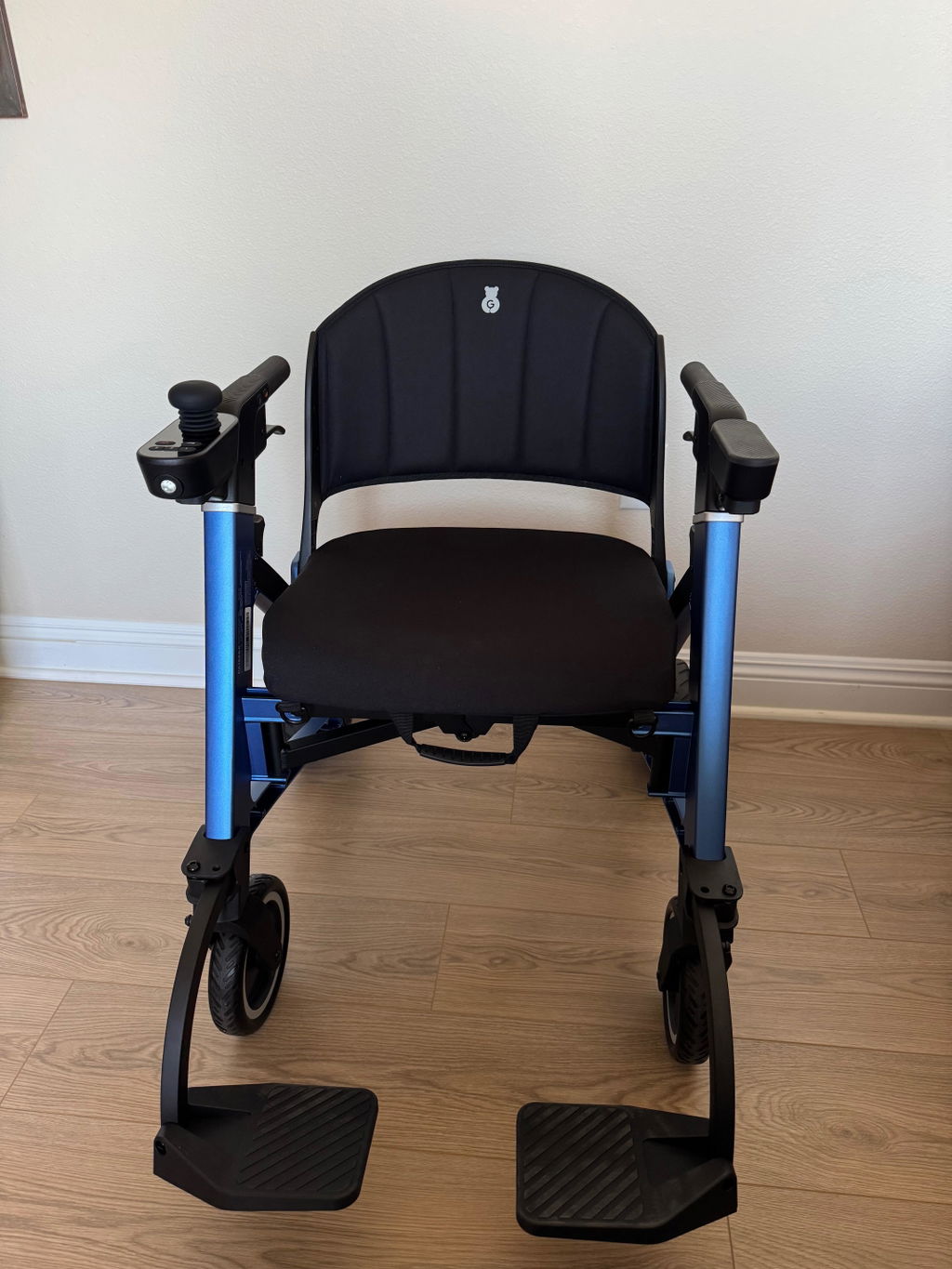
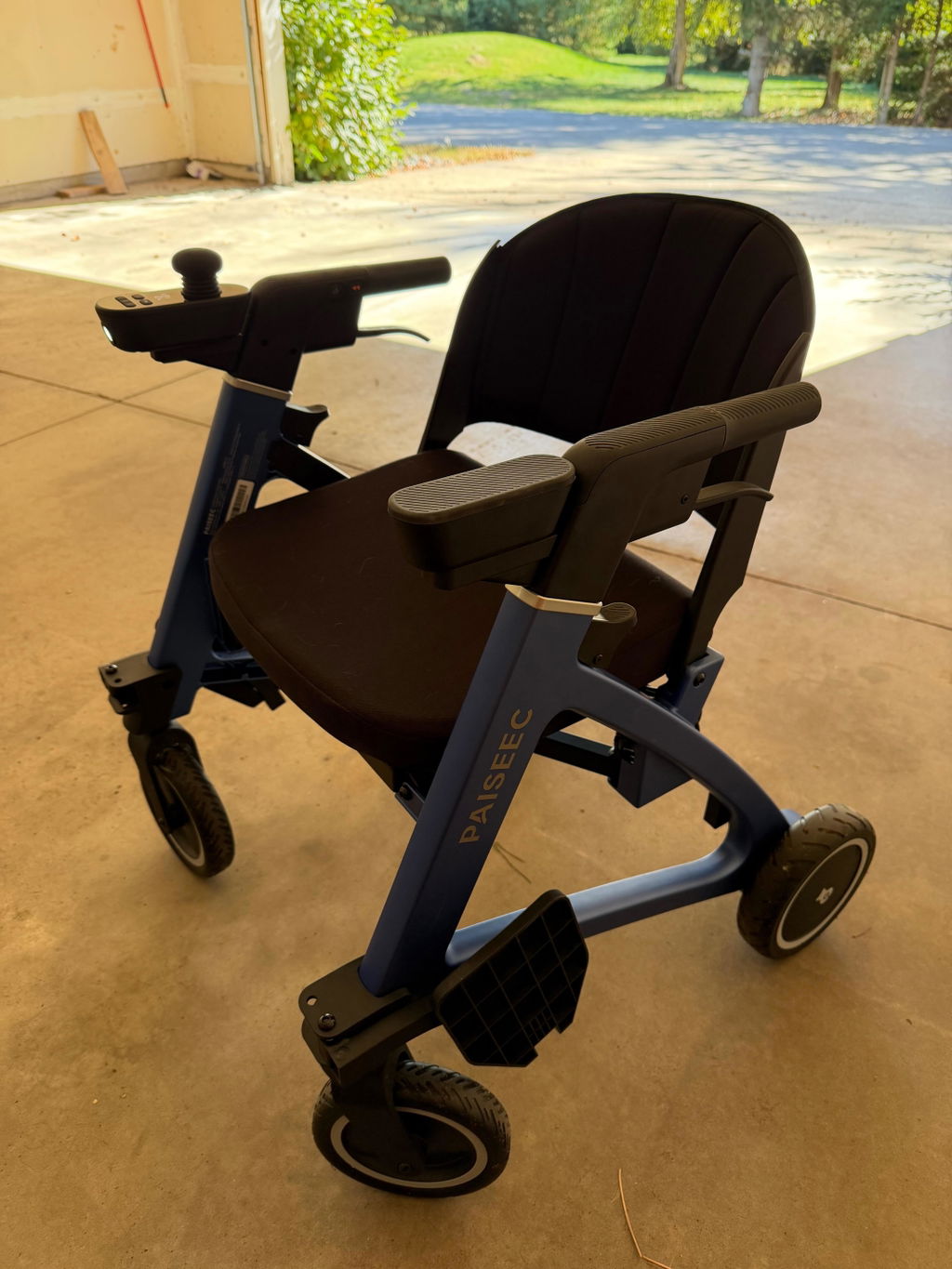
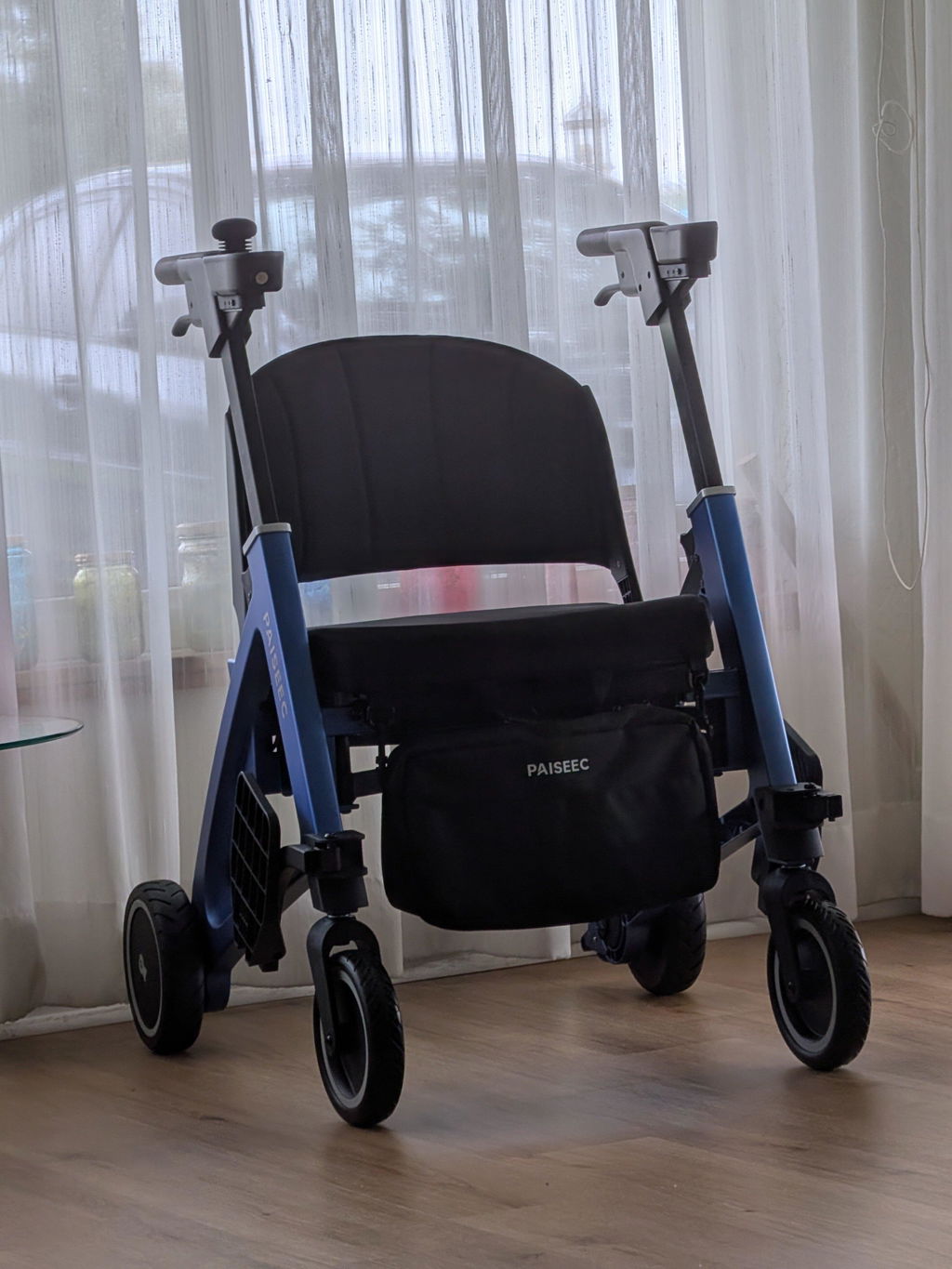
If you have walking difficulties, balance issues, or need seated mobility support, a mobility scooter is the appropriate choice. Paiseec's mobility scooters are designed specifically for seniors and people with long-term walking-support needs, emphasizing comfort, stability, and portability.
For temporary injury recovery or short-distance independence without medical needs, a low-speed electric scooter might suffice—but check your local regulations.
What Do Paiseec Experts Recommend?
"When selecting a mobility product, first confirm whether you need medical mobility support or casual transportation. Mobility scooters are designed for seniors and individuals with disabilities who need seated mobility at walking pace—they don't require a driver's license and are treated like wheelchairs under most laws. For electric commuter scooters, license requirements depend entirely on speed and local regulations. Always verify your state and city rules before purchasing, and prioritize safety features like proper braking, stable turning radius, and battery charging safety. If you have balance problems, fall risk, or medical conditions affecting walking, consult a physical therapist or occupational therapist before selecting any mobility aid."
— Paiseec Mobility Product Team
Conclusion
You do not need a driver's license for a mobility scooter—these medical assistive devices are exempt from motor vehicle licensing in the United States. However, license requirements for electric commuter scooters vary significantly by state and speed:
Key takeaways:
-
Mobility scooters (≤8 mph): No license needed, designed for seniors/disabled users
-
Low-speed e-scooters (≤15 mph): Usually no license, but age limits apply
-
Faster e-scooters (>15–20 mph): May require driver's license or motorcycle endorsement
-
Colorado residents: Need a driver's license for low-power electric scooters
-
Always check local laws: City ordinances may add helmet, age, or registration requirements
If you're unsure which product fits your needs, contact Paiseec for product details, mobility-product selection help, or dealer inquiries. For medical mobility needs involving balance, pain, or fall risk, consult a physical therapist, occupational therapist, or mobility dealer before purchasing.
FAQs
Can I ride a mobility scooter without a driver's license?
Yes, you can ride a mobility scooter without a driver's license. Mobility scooters are classified as medical devices, not motor vehicles, and don't require licensing, registration, or insurance in the United States. They're designed for seniors and people with disabilities to use on sidewalks at walking pace.
What's the difference between a mobility scooter and an electric scooter?
Mobility scooters are seated medical devices for seniors/disabled users, traveling ≤8 mph without license requirements. Electric scooters are standing commuter vehicles for healthy adults, traveling 15–20+ mph, with license requirements depending on speed and state laws.
Do I need a license for a folding mobility scooter?
No, folding mobility scooters don't require a driver's license. Whether portable, lightweight, or folding, all mobility scooters are treated as medical assistive devices regardless of design features. Their portability makes them convenient for travel without licensing barriers.
What age do I need to ride a mobility scooter?
There's no minimum age for mobility scooters since they're medical devices. However, users should have the cognitive and physical ability to operate them safely. For electric commuter scooters, most states require riders to be at least 16 years old.
Will Medicare cover a mobility scooter?
Some mobility scooters may be covered through Medicare when prescribed medically for home use or mobility impairment. Coverage depends on medical necessity documentation and specific plan details. Consult your healthcare provider and insurance for eligibility.
Leave a comment
This site is protected by hCaptcha and the hCaptcha Privacy Policy and Terms of Service apply.