









Medicare Part B may cover power mobility devices, such as scooters, if they are medically necessary for home use due to mobility limitations. Typically, Medicare pays 80% of the approved amount after meeting the deductible, and the patient is responsible for the remaining 20%. A physician must certify that the individual cannot perform daily activities, like bathing or dressing, without the scooter—even with the use of a cane or walker. The prescription must be issued within 45 days of an in-person exam, and suppliers must be Medicare-enrolled and able to demonstrate the device in the home.
Medicare Part B Coverage Details
| Requirement | Details |
|---|---|
| Coverage Amount | 80% of Medicare-approved cost after deductible |
| Patient Cost | 20% coinsurance |
| Prescription Timeline | Within 45 days of exam |
| Supplier Requirement | Medicare-enrolled and competitive bidding compliant |
| Usage Restriction | Primarily for home use |
Eligibility Requirements for Coverage
Eligibility is based on a medical condition that limits mobility at home, making daily tasks difficult even with assistance. Physicians evaluate conditions such as arthritis, COPD, Parkinson’s disease, or stroke and determine whether alternatives like canes or walkers are insufficient. Covered devices must be reusable, durable, and primarily intended for medical home use. Proper documentation from a healthcare provider is essential for approval and for any potential claims or appeals.
How Much Does a Medicare-Covered Scooter Cost?
Medicare Part B typically covers 80% of the approved cost after the deductible. Patients pay 20%, which often ranges from $200 to $500 depending on the model and supplier. Costs vary by scooter type: 3-wheel models offer greater maneuverability, while 4-wheel scooters provide added stability. Some scooters are available for rental for short-term needs, though purchasing is usually recommended for long-term use. Supplemental insurance, such as Medigap, may help cover the patient’s share.
| Cost Comparison | Purchase | Rental (13 months) |
|---|---|---|
| Medicare Pays | 80% approved | 80% of monthly fee |
| Patient Share | $200–$500 | $50–$100/month |
| Best For | Long-term use | Temporary needs |
Which Mobility Scooters Qualify for Medicare?
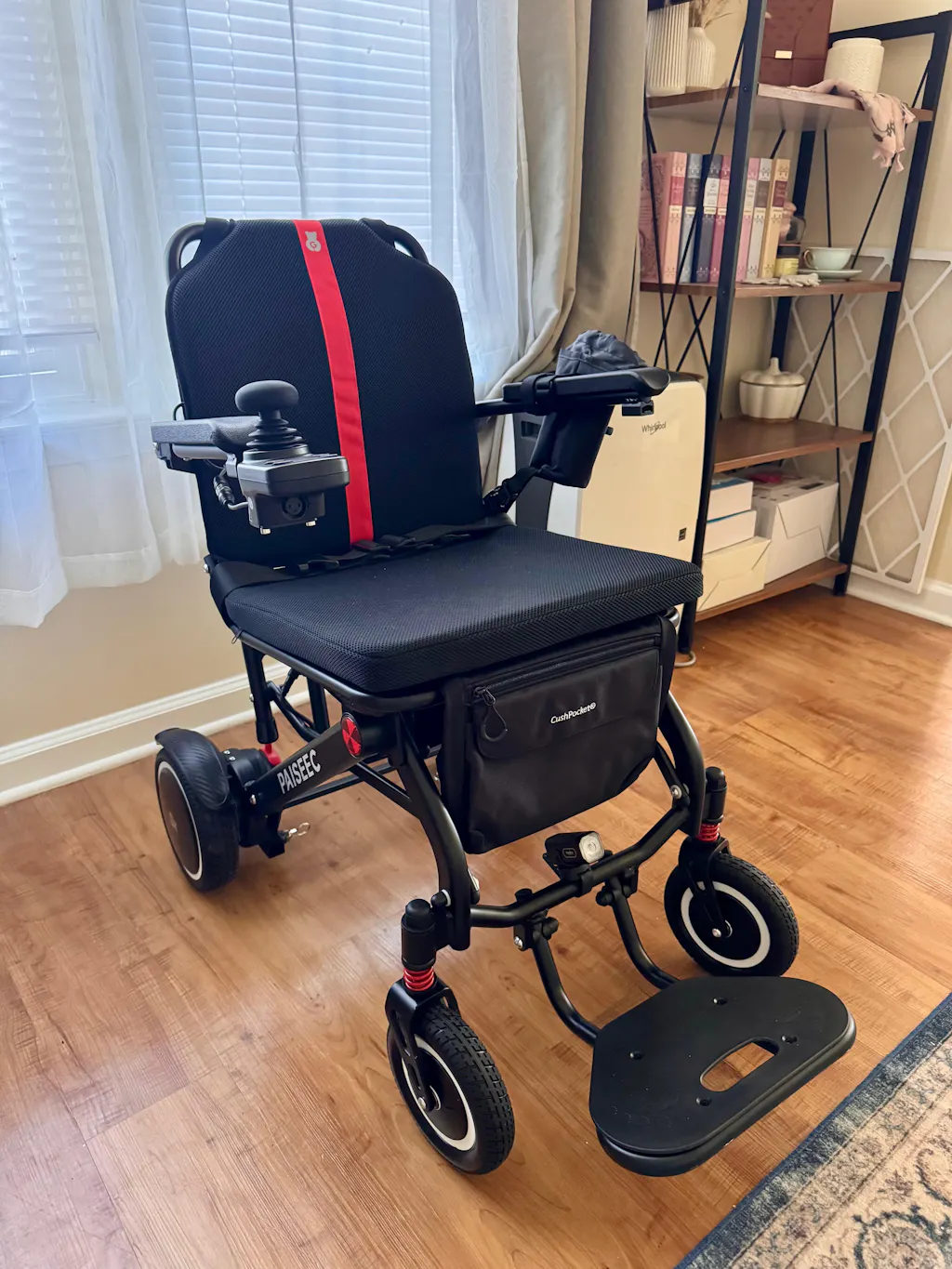
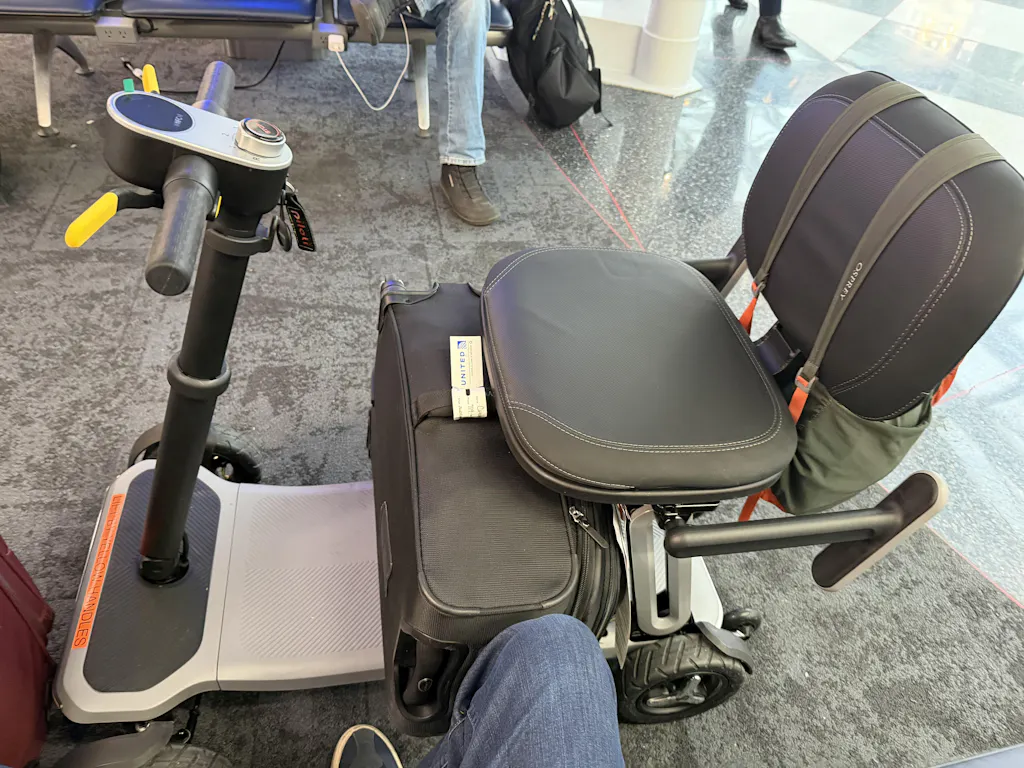
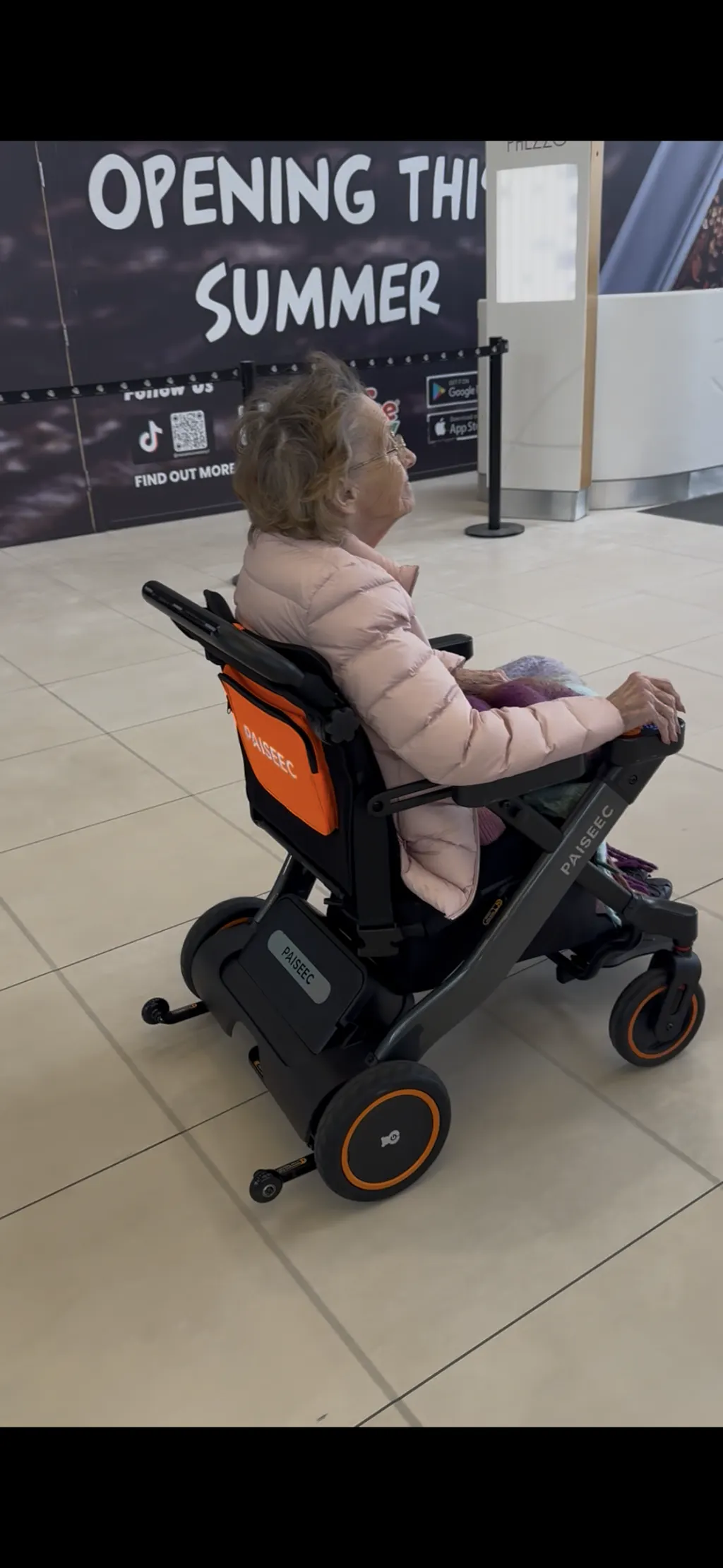
Scooters approved under Medicare are typically classified as Group 1 (lightweight, low-speed) or Group 2 (heavier duty) power-operated vehicles. They must feature tiller steering, 3–4 wheels, battery power, adjustable seating, and ease of maneuverability within the home. Devices not covered include stair lifts, heavy-duty outdoor scooters, or non-reusable models.
How Do Medicare Advantage Plans Handle Scooters?
Medicare Advantage plans are required to provide at least the same benefits as Original Medicare. They may offer additional options such as rental programs or upgrades, though prior authorization and the use of in-network suppliers are usually required.
Documentation Needed for Approval
To obtain coverage, you will need:
- A physician’s in-person exam note
- A written prescription issued within 45 days
- Delivery confirmation from the supplier
- Proof that the device is medically necessary for home use
Accurate and complete documentation improves the likelihood of approval.
Can You Appeal a Medicare Scooter Denial?
If coverage is denied, appeals can be submitted within 120 days. Additional physician notes, home photos, or supporting medical records can strengthen your case. The appeal process generally includes:
- Redetermination
- Reconsideration
- Administrative Law Judge hearing
- Further review by Medicare appeals council if necessary
Alternatives if Medicare Denies Coverage
If Medicare coverage is not approved, alternatives include:
- Private rentals from medical equipment suppliers
- State or local assistance programs
- Charitable organizations
- Purchasing affordable models directly
- Veterans Affairs benefits or supplemental insurance coverage
Key Takeaways
Medicare Part B covers mobility scooters for home use when strict medical criteria are met. Eligibility depends on mobility limitations, physician documentation, and the suitability of the device for home use. Patients should explore financing options, rental alternatives, and the appeals process to maximize access to mobility solutions.
FAQs
Does Medicare cover scooter repairs?
Yes, repairs from a Medicare-approved supplier may be partially covered under Part B, with 80% of approved costs paid after the deductible.
Can a covered scooter be used outdoors?
Scooters are primarily intended for home use, though limited outdoor use may be allowed if medically necessary.
How long does Medicare approval take?
Approval generally takes 30–60 days after submission of the prescription and required documentation.
Are 3-wheel or 4-wheel scooters better for home use?
3-wheel scooters are ideal for tight spaces, while 4-wheel models provide more stability.
Do all scooters meet Medicare requirements?
Only scooters that meet specific medical and safety criteria, including home maneuverability, battery power, and physician documentation, qualify.
Leave a comment
This site is protected by hCaptcha and the hCaptcha Privacy Policy and Terms of Service apply.