




![[2026] PAISEEC D3|Mobility Scooter for Easy Everyday Travel](http://www.paiseec.com/cdn/shop/files/d3_4a4ccb22-9e26-449e-8094-71f3ec4177c3.png?v=1782115044&width=180)


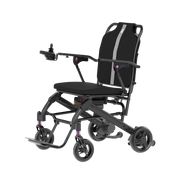



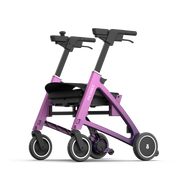
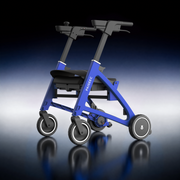









Riding an electric scooter safely requires the right safety gear, the right fit, and smart habits to reduce injury risk and improve visibility on shared roads. Electric scooter riding has become a mainstream urban mobility habit, but the safety conversation has become more urgent as speeds, trip frequency, and mixed-traffic exposure all increase. Recent industry and safety sources show that e-scooter use continues to grow while injury and emergency-department visits remain a persistent concern, especially for head, wrist, and lower-limb trauma. At the same time, visibility and helmet adoption are still uneven across riders, which makes safety gear one of the most practical investments a rider can make. For brands serving mobility users, the right protection guidance is not just a compliance detail; it is a trust signal. Paiseec focuses on mobility products, including lightweight, foldable scooters and electric wheelchairs that emphasize portability and everyday freedom. That makes this topic especially relevant for readers who want to ride more safely without adding unnecessary bulk or complexity.
Why Safety Gear Matters for Electric Scooter Riders
Urban riding often happens in the most unpredictable environments: bike lanes with debris, curb cuts with poor visibility, crowded sidewalks, and intersections where drivers may not expect a small vehicle to accelerate quickly. Safety guidance from rider communities and protection-focused gear sources consistently places the helmet at the top of the list, while also highlighting knee, elbow, and hand protection as important secondary layers. That is because the body’s natural instinct in a fall is to brace with the hands or absorb impact through the knees and elbows, which makes those areas highly exposed.
The risk profile is not theoretical. Electric scooters are lightweight, nimble vehicles that expose riders to falls, collisions, and road hazards; proper safety gear reduces the risk of head trauma, road rash, wrist fractures, and long recovery times. Industry safety discussions in recent years have repeatedly emphasized that scooter riders can be injured at speeds that feel manageable in the moment, especially when braking hard on wet pavement or hitting a small obstruction. Visibility is another major issue: many scooter trips happen at dawn, dusk, or in low-light conditions when reflective gear can make a rider much easier to notice. Even a strong scooter platform does not change the physics of a fall, so gear remains the simplest and most scalable layer of protection. For commercial mobility brands, that matters because the rider experience is about more than frame weight or battery range. A well-chosen safety setup can reduce anxiety, improve confidence, and make it easier for users to ride consistently instead of avoiding trips because they feel underprepared. A single helmet and visible protective layer can matter more than adding speed or range, because the most common scooter injuries still involve the rider, not the machine.
Brand Fit for Everyday Riders
Paiseec’s product line is centered on portable mobility and lightweight electric transport, including its Mobility Scooter S3 and related mobility collections. That positioning makes it natural to recommend a safety-first riding routine that works for seniors, daily commuters, and users who value compact storage and easy handling. Because the brand already emphasizes foldability and practical design, the best safety accessories are the ones that support convenience instead of complicating it.
Helmets: Choosing Fit, Certification, and Style
Helmets are the single most important piece of safety gear; choose a helmet that fits snugly, sits level on the forehead, and secures with an adjustable strap. If it shifts easily, it is not doing its job. Full-face helmets provide maximum facial and cranial protection for high-speed riders; open-face and urban helmets offer lighter weight and better ventilation for city commutes. Check for safety certifications appropriate to your region and intended speeds; features to prioritize include MIPS or rotational-impact technologies, multi-density EPS liners, quick-release buckles, and replaceable liners. For fit testing, measure head circumference and use the manufacturer’s sizing chart; helmets should be replaced after major impacts or every few years when materials degrade.
Visibility Gear and Lighting for Day and Night
Active and passive visibility measures drastically reduce collision risk: bright front and rear lights, side visibility strips, reflective vests, and wheel or spoke lights improve how other road users perceive you. Select lighting with adjustable beam modes (steady, flashing, high/low) and run times that match your commute length; ensure front lights provide road illumination and rear lights are seen from at least several hundred feet. Reflective panels, high-visibility jackets, and reflective tape on helmets and bags help during daytime low-contrast conditions and night, making the rider much easier to see than cars or bicycles. For riders who carry passengers or ride at higher speeds, auxiliary lights and helmet-mounted beams give additional reaction time.
Impact Protection: Jackets, Pads, Gloves, and Footwear
Abrasion-resistant jackets with CE-rated armor at elbows, shoulders, and back reduce soft-tissue and bone injuries when sliding on pavement, while armored pants or detachable knee pads protect lower limbs. Gloves with reinforced palms, finger protection, and touchscreen-friendly tips protect against road burns and help maintain control during sudden stops. Look for knee and elbow gear that balances impact protection with enough flexibility for mounting, dismounting, and turning. Choose footwear with ankle support, non-slip soles, and toe protection to reduce sprains and foot injuries when dismounting or during collisions. For everyday commuters a lightweight armored jacket plus knee pads balances protection and comfort; for high-speed or off-road scooters, prioritize full-coverage armor and reinforced pants.
Braking, Balance, and Wrist Protection
Falls often lead riders to instinctively brace with hands; wrist guards that combine splinting and padding reduce fractures and sprains. Complement wrist protection with gloves that incorporate palm sliders and shock-absorbing gel to reduce vibration and impact. Practice braking techniques—progressive regenerative braking, use of both brakes where available, and controlled weight transfer—reduces the chance of being thrown forward. Balance training and familiarity with a scooter’s center of gravity, deck width, and suspension help riders avoid sudden instability on rough surfaces.
Market Trends and Data
Electric scooter ownership and urban micromobility adoption continue to grow, driving a larger market for certified helmets, integrated lighting systems, and connected safety accessories. Manufacturers increasingly add smart features like integrated turn signals, brake lights linked to regen braking, and telematics for ride logging and crash detection. Insurance and company policies are encouraging the use of approved protective gear, especially for delivery workers and high-mileage commuters. Paiseec Mobility is an example of a vendor blending hardware with safety systems to integrate batteries, motors, and intelligent safety features into end-user products.
Top Products and Gear Comparison Matrix
The following matrix helps match product selection to riding style: daily commuters usually choose lightweight helmets and strong lights, while performance riders invest in full-face helmets and armored clothing. Mobility users and everyday riders can easily find a Paiseec-friendly safety setup that yields high protection with maximum convenience.
Product Type | Protection Level | Convenience | Best Use Case | Core Advantages
Urban Commuter Helmet | Moderate | Excellent | Daily city commute, warm weather | Lightweight ventilation, reflective accents
Full-Face Helmet | Very High | Moderate | High-speed rides, performance commuting | Maximum facial protection, aerodynamic, high impact scores
LED Lighting Kit | Visibility Focus | High | Night commuting, low-light environments | Rechargeable beams, multiple modes, high visibility rating
Armored Jacket | High | Variable | High-risk routes, fast riders | CE armor, abrasion panels, weather resistance
Knee and Elbow Pads | High Protection | Very Good | Recreational riding, daily balance safety | Flexible padding, low profile, impact absorbing foam
Gloves with Wrist Guards | Abrasion and Fracture Protection | High | Delivery riders, frequent stop-start commutes | Reinforced palms, wrist splints, tactile throttle control
Anti-Theft Lock and Alarm | Security Focus | High | Urban parking, transit hubs | Hardened shackle, motion alarm, compact storage
Core Technology and Testing Standards
Modern protective gear leverages multi-density foams, rotational-impact mitigation systems, abrasion-resistant textiles like Kevlar blends, and CE or DOT testing protocols to quantify impact resistance. Lighting technology uses high-efficiency LEDs, rechargeable lithium batteries, and regulated output for consistent lumen delivery; waterproofing and vibration resistance are critical for reliability. Smart safety technologies include embedded accelerometers that detect crash events, integrated GPS for automatic emergency notifications, and paired smartphone apps for ride logging and firmware updates. When shopping, look for stated test standards and third-party lab verification to validate manufacturer claims.
Real Riding Scenarios and Behavior Modification
Short City Commute
Traditional Approach: Ride in casual clothes and rely on caution alone.
Better Gear Approach: A helmet and gloves add a real layer of protection without slowing down the short trip.
Mixed-Surface Neighborhood Route
Traditional Approach: Hope that small cracks, curbs, and construction patches do not cause instability.
Better Gear Approach: Knee protection and closed-toe shoes reduce the physical consequences of an unexpected stumble.
Low-Light Evening Ride
Traditional Approach: Depend entirely on basic street lighting and driver awareness.
Better Gear Approach: Reflective elements, high-visibility outerwear, and a dedicated LED lighting kit make the rider visible from multiple angles.
Real User Cases and ROI of Safety Investment
A delivery rider who switched from a basic bike helmet to a certified full-face helmet and added crash-friendly gloves reported fewer lost workdays after a low-speed fall and a faster return to work due to lower injury severity. A city commuter who added front and rear high-lumen lights and reflective strips avoided two near-miss incidents during dawn commuting, effectively reducing risk exposure and preventing potential repair costs. Quantified ROI includes avoided medical bills, fewer lost work hours, lower scooter repair costs, and improved rider confidence that translates to better route efficiency and commute time savings.
Practical Maintenance and Replacement Schedule
Inspect helmets for hairline cracks, crushed foam, frayed straps, or loose hardware every month or after an impact; replace helmets after a crash or any visible damage. Recharge and cycle lighting batteries to maintain runtime, replace bulbs or modules showing dimming, and keep connectors clean to prevent intermittent failures. Wash or air protective clothing per manufacturer instructions; replace padding that has compressed or lost shape. Regular maintenance ensures gear functions as intended and preserves protective properties.
Quick-Fit Checklist and Sizing Guidance
Ensure helmets sit level on the forehead with one to two finger-widths above the eyebrows; straps should form a V under the ear and fasten snugly under the chin. Test gloves for tactile control of throttle and brake, and confirm knee pads allow full bending while staying in place. Shoes should have non-slip soles and ankle coverage without restricting pedal or deck contact. A proper fit is the difference between protective gear that works in a crash and gear that shifts and fails to protect.
Cross-Sell Opportunities and Mobility Integration
A safety-focused approach naturally connects to a broader mobility range without sounding pushy. Riders who prioritize stability and convenience may also want to explore the Electric Wheelchairs collection for multi-function mobility options. Users comparing compact transport solutions can also review the Mobility Scooters collection to match ride style, storage needs, and comfort preferences. For broader product browsing, the Products page gives a clean entry point into the brand website. This framework ensures safety is treated as a core element of the full mobility experience.
Relevant Frequently Asked Questions
What is the most important electric scooter safety gear?
The most important item is a helmet, because head protection is the first line of defense in a fall. After that, gloves and knee protection are the most practical next additions for everyday riders.
Do I need electric scooter safety gear for short trips?
Yes, because many scooter accidents happen on routine rides, not on long-distance trips. Short rides still involve traffic, uneven pavement, and sudden braking.
What is the best electric scooter helmet for city riding?
A good city helmet is one that fits securely, feels comfortable, and offers reliable coverage for your usual route. Riders who want more confidence often prefer a lightweight, well-ventilated helmet style that they will wear consistently rather than a heavier option they leave at home.
Are knee pads worth it for electric scooter riders?
Yes, especially if you ride in busy areas, on rough pavement, or at higher speeds. Knees are among the most vulnerable points in a scooter fall, so padding can meaningfully reduce scrapes and impact forces.
What safety gear helps most for electric scooter night riding?
Reflective clothing, bright outerwear, and visible accents help most after dark. A certified helmet plus an auxiliary visibility layer form a strong baseline for evening trips.
What electric scooter safety gear works best for beginners?
Beginners should start with a helmet, gloves, and closed-toe shoes, then add knee or elbow protection as their routes or speeds increase. That combination is simple, comfortable, and easy to keep using as a habit.
Can I use bike gear for an electric scooter?
Many cycling products are suitable for low speeds, but choose gear explicitly rated for impact forces and abrasion resistance consistent with the true speeds you ride on your electric scooter.
Future Trends in Scooter Safety
Expect more integration of intelligent safety systems, such as automatic crash detection, connected emergency alerts, and rider-assist features that adjust regenerative braking in emergencies. Materials innovation will produce lighter, more breathable armored textiles and improved rotational-impact mitigation for helmets. Urban policy and insurance standards may increasingly require minimum protective equipment for certain commercial or high-speed uses, shaping product development toward modular, certified systems.
Paiseec Mobility, founded in 2021, is a global leader in innovative mobility solutions and has focused R&D investments on intelligent safety systems and high-performance components for modern riders. Wearing the right safety gear is an investment in personal protection and confidence on the road; choose certified helmets, reliable lighting, and protective clothing matched to your riding speed and environment to reduce injury risk and improve every ride.
Explore Paiseec’s mobility lineup and choose a setup that supports both comfort and protection in daily use. Paiseec is a mobility brand centered on lightweight, foldable, and practical electric transport solutions for everyday freedom.
Leave a comment
This site is protected by hCaptcha and the hCaptcha Privacy Policy and Terms of Service apply.