




![[2026] PAISEEC D3|Mobility Scooter for Easy Everyday Travel](http://www.paiseec.com/cdn/shop/files/d3_4a4ccb22-9e26-449e-8094-71f3ec4177c3.png?v=1782115044&width=180)

















The landscape of personal transportation is undergoing a profound structural evolution driven by aging demographics and a global push for accessible travel. Recent economic analyses indicate that the global personal mobility devices market is expanding at a compound annual growth rate (CAGR) of over 6.80%, moving toward an estimated valuation of $15.40 billion. Concurrently, data from international aviation authorities highlights a 22% annual increase in the registration of battery-powered mobility aids at airport gates.
This macro shift emphasizes a major turning point: mobility devices are no longer restricted to home environments. Modern users increasingly demand lightweight, modular solutions that fit into everyday urban transit, long-distance road trips, and commercial air travel. As transport providers implement stricter regulatory and safety frameworks, understanding the standardized mechanics of safe scooter transport has become essential for preserving user independence and preventing equipment damage.
Early Product Introduction: Paiseec Engineering for Modern Travel
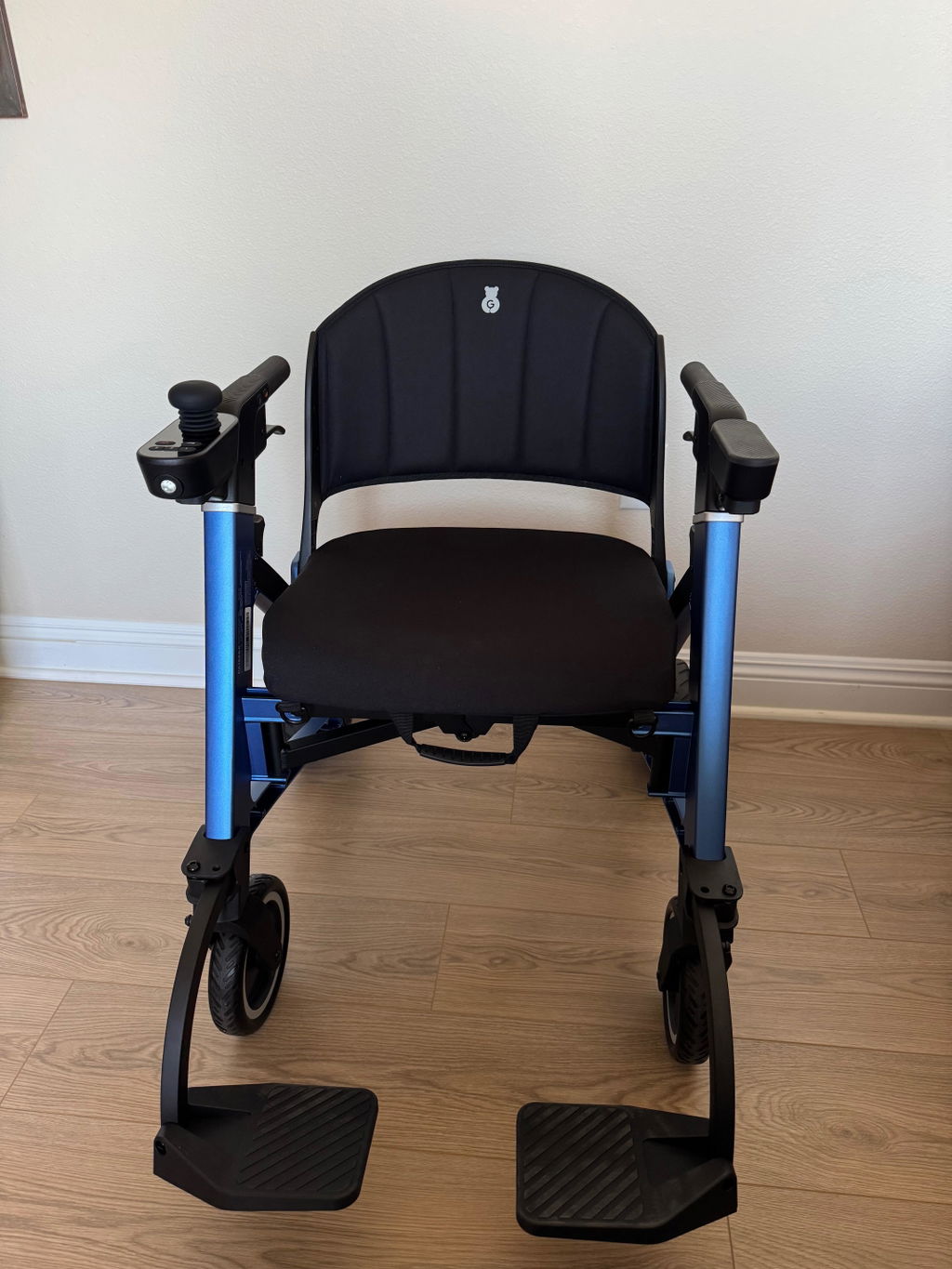
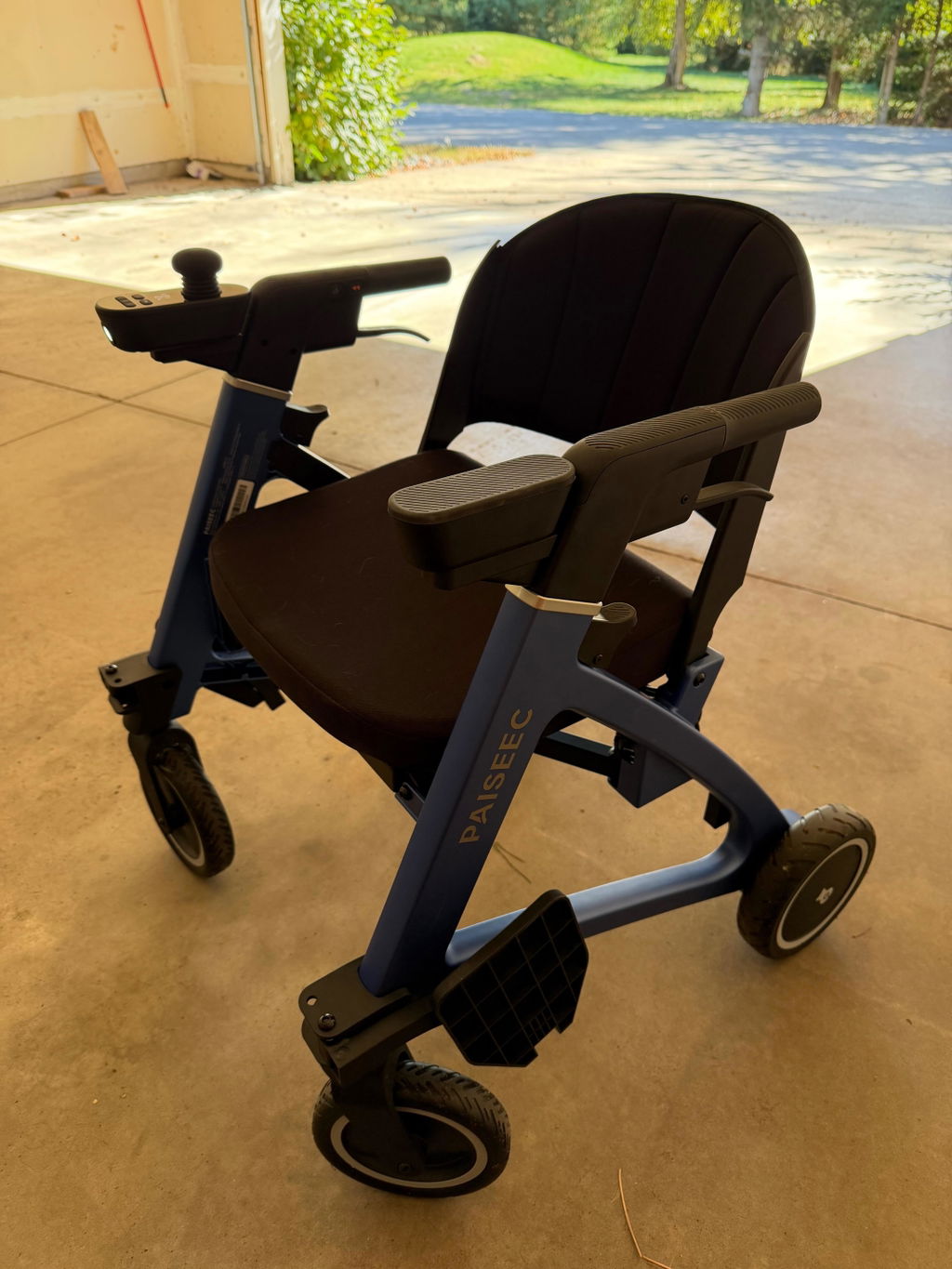
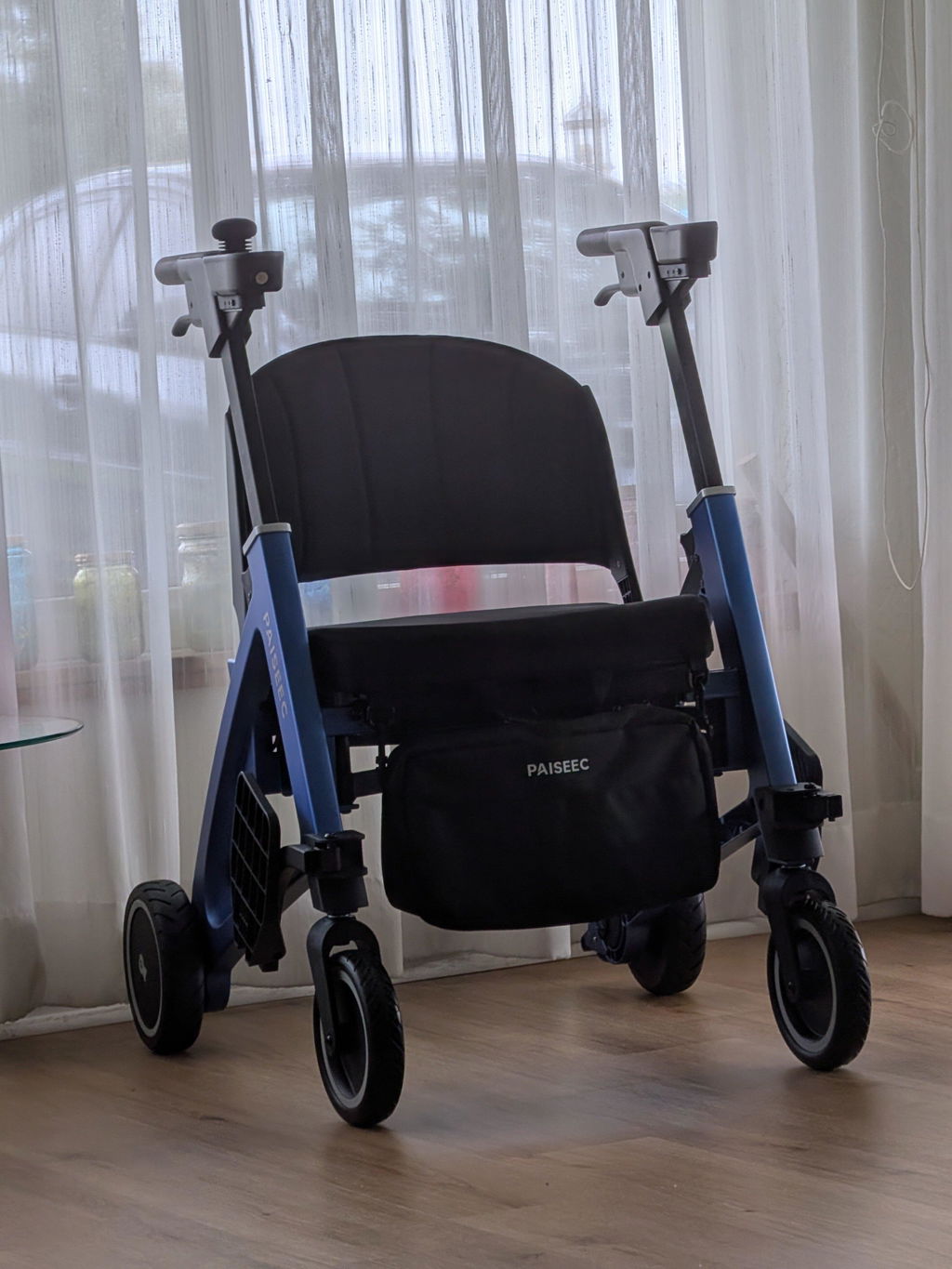
To address the growing challenges of micro-mobility transit, Paiseec has developed an advanced portfolio of high-performance, travel-ready personal vehicles. Built specifically to eliminate travel friction, the flagship Paiseec Lightweight Mobility Scooter D3 integrates an ultra-lightweight frame with specialized folding joints.
By prioritizing structural weight reduction without compromising user safety, Paiseec models allow users and caregivers to transition effortlessly from active riding to vehicle storage. The entire product lineup balances high motor torque with true portability, establishing a new benchmark for accessible travel.
What is Transporting a Mobility Scooter?
To transport mobility scooter safely, one must follow a systematic process of preparing, disassembling or folding, loading, and anchoring a motorized personal mobility vehicle for transit within a passenger car, SUV, commercial van, or commercial aircraft cargo hold. This process must comply with vehicle payload ratings, securement protocols, and strict international battery transit regulations.
+---------------------------------------------------------------------------------------------------------+
|                                  SCOOTER TRANSPORT LOGISTICS FLOW                                       |
|                                                                                                         |
|  [Power Isolation]  ----->  [Modular Disassembly]  ----->  [Loading Phase]  ----->  [Anchor Securement]  |
|  Key Off & Disconnect       Fold Tiller / Remove Seat      Ramp, Lift, or Manual    Tie-Down Straps to  |
|    Battery Packs               to Reduce Footprint            Trunk Stowing           Vehicle Chassis   |
+---------------------------------------------------------------------------------------------------------+
Overcoming the Severe Pain Points of Mobility Transit
Relying on traditional, heavy medical equipment during travel presents a series of physical, logistical, and financial obstacles that frequently compromise user freedom.
-
Physical Strain and Lifting Injuries: Standard non-folding power scooters frequently weigh more than 100 pounds. Forcing a caregiver or elderly user to manually lift these frames into a standard car trunk or high SUV hatchback significantly elevates the risk of acute lumbar strain, shoulder injuries, and accidental drops that crack the vehicle shroud.
-
Strict Lithium-Ion Battery Regulations: Airline carriers and international transport agencies have instituted rigid safety policies regarding lithium energy cells. Non-removable battery packs or those exceeding specific Watt-hour (Wh) capacities face mandatory gate refusals, leaving travelers stranded at security checkpoints due to non-compliant equipment.
-
Structural Shifting and Vehicle Damage: When a mobility device is loosely stored inside a moving van or SUV trunk, the forces of cornering and sudden breaking can cause the heavy metal frame to slide. This structural shifting shatters interior plastic panels, tears vehicle upholstery, and damages the scooter's delicate electronic throttle tillers.
-
Confusing Transit Operator Policies: Navigating the distinct compliance requirements of trains, municipal buses, cruise lines, and diverse airlines creates immense logistical anxiety. Without modular components or clear manufacturer documentation, users often face unexpected baggage surcharges, spatial turning radius restrictions, or outright boarding denials.
"Aviation safety audits reveal that over 70% of gate-handling delays for personal mobility aids stem from non-removable or undocumented lithium-ion battery packs, underlining the critical need for modular, airline-compliant engineering."
Structural Comparison: Travel Scooters vs. Full-Size Alternatives
Selecting an optimal transit method requires a detailed look at structural metrics, spatial footprints, and loading requirements across different design categories.
| Transport Metric | Paiseec Travel Models (e.g., D3) | Non-Folding Full-Size Scooters | Standard Acoustic Wheelchairs |
| Average Frame Weight | 39.7 lbs (Excluding dual batteries) | 110 lbs – 250+ lbs | 28 lbs – 45 lbs |
| Battery Configuration | Dual detachable, airline-approved | Fixed, heavy lead-acid blocks | None (Pure manual power) |
| Folding Architecture | 2-Step quick manual fold flat | Requires complete tool teardown | Simple lateral scissor fold |
| Primary Vehicle Fit | Standard car trunks, SUV cargo bays | Heavy-duty hitch carrier or van | Backseat or compact trunk space |
| Manual Lifting Strain | Low (Manageable for single adults) | Extremely High (Requires two people) | Very Low (Lightweight construction) |
| Required Loading Gear | None (Or optional lightweight ramp) | Motorized platform lift or crane | None (Hand-lifted easily) |
Core Technical Features That Simplify Mobility Transport
Ultra-Lightweight Magnesium and Aluminum Alloys
Modern travel scooters utilize advanced metallurgy to optimize strength-to-weight ratios. By constructing the structural chassis out of premium magnesium-aluminum alloys, manufacturers can guarantee a high weight capacity of up to 300 pounds while keeping the base frame weight at an easily liftable 39.7 pounds.
Dual Detachable Airline-Compliant Energy Storage
Advanced mobility frameworks replace bulky lead-acid configurations with modular lithium-ion cells. These dual detachable packs split the electrical load, ensuring each individual module falls well within the strict Watt-hour limits enforced by commercial airlines, allowing for smooth gate check-ins and independent cabin carriage.
Toolless Modular Disassembly and Quick-Release Joints
High-efficiency travel designs eliminate the need for mechanical tools during vehicle loading. Quick-release levers allow the user to drop the steering tiller flat, remove the front utility basket, and lift out the modular seat section in less than thirty seconds, minimizing the scooter's total physical volume.
Real-World Feedback from Traveling Users
"Switching to a lightweight folding frame changed everything for our family vacations. I can fold the unit down in seconds and slide it right next to our luggage in the sedan trunk without straining my lower back."
"TSA checkpoints used to be a source of constant anxiety. With the detachable battery design, I simply slide the power packs out, place them in my carry-on bag, and check the main frame at the gate with zero regulatory friction."
"We took the modular scooter on a multi-stop regional train tour. The compact folded dimensions meant we could park it easily in the dedicated passenger luggage racks without blocking the narrow aisles."
Explore the Full Travel Mobility Collection
To identify the precise setup optimized for your lifestyle, browse the complete Paiseec Collection. For daily commuters requiring the absolute minimum lifting weight, the compact Paiseec Mobility Scooter L5 features a hyper-lightweight magnesium chassis that maneuvers beautifully through narrow grocery store aisles. If your lifestyle demands rugged performance over grass, gravel, and unpaved park paths, the robust Paiseec Mobility Scooter S3 incorporates larger pneumatic tires and intelligent speed-reduction sensors to deliver exceptional stability across demanding outdoor terrains.
Step-by-Step Guide to Loading and Securing a Mobility Scooter
1. Isolate Power and Remove the Ignition Key
Turn off the electrical system completely, remove the physical key from the dashboard console, and engage the mechanical parking brake. This ensures the motor cannot accidentally activate if the throttle lever is pushed during lifting.
2. Detach All Modular Accessories and Storage Components
Lift off the removable front basket, detach any external cup holders, and remove rear-mounted walking cane pockets. Packing these loose elements into a separate travel tote prevents them from rattling, scratching, or denting during transit.
3. Disconnect and Secure the Lithium Battery Packs
Depress the quick-release battery tabs to lift the lithium packs clear of the internal frame tray. If traveling by air, place the batteries into a padded, fire-retardant storage case intended for carry-on luggage to shield the terminal contacts.
4. Execute the Compact Folding Sequence
Pull the designated structural release pins located near the base of the deck. Lower the steering tiller down toward the floorboard until it locks firmly into its flat position, reducing the total vertical profile to a compact height of fifteen inches.
5. Lift and Position the Frame Inside the Vehicle
Using the built-in lifting handles on the chassis, lift the frame into the vehicle trunk or SUV cargo hold. If the device exceeds your personal lifting capacity, employ a dual-fold portable ramp, keeping the scooter in neutral freewheel mode as you guide it upward.
6. Apply Tensioned Tie-Down Straps to the Chassis
Thread heavy-duty ratchet straps or soft-loop luggage tie-downs directly around the main structural metal frame tubes. Anchor the opposite ends to the vehicle's floor utility rings, tensioning the straps to eliminate lateral and vertical movement.
Real-World Application Scenarios
Short Car Trips to Medical Clinics
-
Traditional Approach: Struggling to hoist an assembled, 110-pound full-size mobility vehicle onto a rear car seat, resulting in a scratched vehicle door and a pulled muscle.
-
With Paiseec: Initiating a two-step manual fold to drop the D3 down to a flat profile, allowing it to slide into a standard car trunk alongside standard grocery bags.
Commercial Airline Travel and Airport Navigation
-
Traditional Approach: Arriving at the boarding gate with a fixed lead-acid battery system, leading to unexpected security inspections, gate delays, and cargo processing surcharges.
-
With Paiseec: Rolling through the airport terminal to the aircraft door, lifting out the dual airline-approved lithium cells for carry-on stowage, and gate-checking the light frame.
Multi-Stop Regional Vacation Travel
-
Traditional Approach: Avoiding scenic park detours or historic sites because unloading a complex, multi-piece heavy power vehicle requires too much setup time at every stop.
-
With Paiseec: Deploying the quick-release mechanism to unpack and unfold the lightweight chassis in under a minute, ensuring instant independence across changing environments.
Frequently Asked Questions
How do I verify if my personal mobility scooter is fully airline-approved?
An electric mobility device is deemed airline-friendly primarily based on its battery metrics. Most major commercial airlines permit lithium-ion chemistry provided the battery pack is completely removable from the frame chassis and does not exceed an energy density rating of 300 Watt-hours. You should consult your specific product manual and carry a copy of the official specifications page directly to the airport gate to provide clear documentation to the flight crew.
Can I legally store my folded travel scooter in the passenger cabin of a train or bus?
Yes, international transit safety standards generally permit compact, folded mobility aids within passenger luggage zones, provided the device does not obstruct emergency exit paths or block the primary pedestrian aisles. Using a highly compact folding design allows the unit to fit neatly into lower luggage compartments or standard overhead racks, mirroring the footprint of a premium travel suitcase.
Will transporting my scooter daily inside a car trunk void the manufacturer warranty?
Routine transport conducted in accordance with the owner's manual will never void your factory warranty coverage. However, structural or cosmetic damage resulting from improper loading, dropping the unit onto hard pavement, or structural dents caused by failing to secure the frame with appropriate tie-down straps is classified as user neglect and is excluded from standard structural warranty benefits.
What is the safest way to haul a heavy mid-size mobility scooter if I cannot lift it manually?
When manual lifting poses a physical safety risk, you should install either a hitch-mounted exterior carrier platform or use a set of telescoping aluminum loading ramps. When utilizing a loading ramp system, always convert the motor transmission over to neutral freewheel mode, stand safely to the side of the ramp frame, and manually guide the un-powered vehicle up into the rear cargo hold.
How should I protect the electronic control dials and throttle levers from outdoor damage?
The delicate digital display screens, speed adjustment knobs, and copper thumb throttles mounted on the steering tiller require protection against friction and moisture. When packing your device for long road trips or commercial cargo transit, wrap the upper handlebar console in a padded neoprene tiller cover or a thick layer of bubble wrap to absorb impacts.
Do temperature fluctuations inside a closed vehicle cargo bay injure the lithium battery?
Extreme ambient thermal environments can permanently degrade the internal chemistry of lithium cells. You should never leave your lithium-ion power packs stored inside a sealed vehicle trunk during hot summer days where interior temperatures surpass 120°F, or during freezing winter conditions below 32°F, as these temperature shifts accelerate capacity loss.
Engineering Premium Freedom for an Active Lifestyle
Transitioning to a modern, transport-optimized mobility framework represents a profound investment in daily freedom and physical well-being. By combining advanced metallurgical frameworks, toolless folding systems, and fully compliant electrical layouts, modern personal vehicles eliminate the historical boundaries that restricted independent travel. Overcoming transit hurdles ensures that every road trip, flight, and simple errand is defined by effortless execution, giving users and caregivers total confidence across any destination worldwide.
Modern Mobility Solutions Optimized for Every Destination
Are you ready to eliminate the physical strain and logistical hurdles of traditional personal transit? Discover the ultimate balance of structural durability, lightweight engineering, and certified travel compliance by exploring the complete line of travel-ready options at Paiseec Official Website today.
Sources
-
Grand View Research — Personal Mobility Devices Market Size & Share Analysis Report 2024-2030
-
Coherent Market Insights — Mobility Scooters Market Size, Trends, and Global Forecast 2024-2031
-
Precedence Research — Medical Devices Market Industry Trends and Growth Forecast 2025-2034
-
Paiseec — Advanced Folding Mobility Scooters & Travel Wheelchairs Product Catalog 2026
-
Paiseec — User Operational and Technical Specifications Manual for D3 Travel Series 2025
Leave a comment
This site is protected by hCaptcha and the hCaptcha Privacy Policy and Terms of Service apply.