



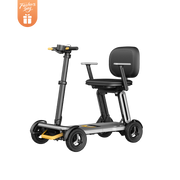
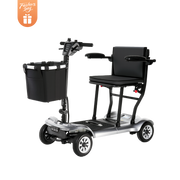
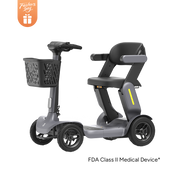
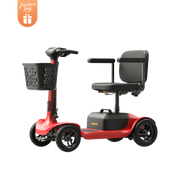
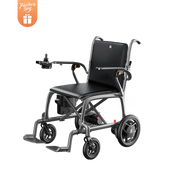
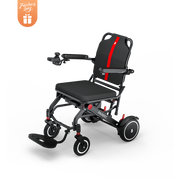
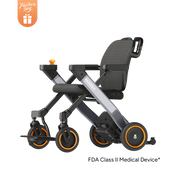
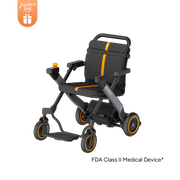








The electric wheelchair market has rapidly evolved into one of the most innovative segments in modern mobility. Once considered a niche medical device, it is now a vital part of daily life for millions who seek independence and comfort without compromising technology, portability, or design. In 2026, advanced motor control, intelligent braking, and long-range power systems are shaping the next generation of personal mobility solutions.
Market Trends and Industry Data
According to data from the World Health Organization and market researchers in 2025, demand for smart mobility solutions is projected to expand by over 8% annually. Electric wheelchairs are leading this growth due to aging populations, increased urbanization, and improved accessibility infrastructure. The average consumer now looks not only for reliability but also for innovation—seeking compact folding models, lithium-ion battery efficiency, and ergonomic seat engineering. Manufacturers are emphasizing sustainability, lightweight aluminum chassis, and regenerative braking systems, adding new layers of performance and eco-responsibility.
Core Technology and Design Advancements
Modern electric wheelchairs integrate brushless direct-drive motors with intelligent torque distribution, allowing smoother acceleration, reduced vibration, and longer battery lifespan. Lithium-ion batteries rated between 24V to 48V provide ranges of 15 to 30 miles per charge, depending on terrain and user weight. Some high-end models even feature app-based controls, GPS anti-theft systems, and pressure-dispersion seat cushions designed to minimize strain during long usage periods.
Safety enhancements—like smart braking systems, electromagnetic wheel locks, and automatic slope detection—have become standard in 2026. Designers have shifted focus toward modular construction, enabling users to easily replace motors, armrests, or wheels without full servicing. This integration of engineering and user practicality defines the new benchmark for premium mobility.
Competitor Comparison Matrix
| Brand / Model | Key Advantages | Motor Power | Battery Range | Foldable Design | Best Use Case |
|---|---|---|---|---|---|
| AirVibe 3000 | Lightweight carbon frame, rear motor drive | 250W | 20 miles | Yes | Urban commuting |
| DriveMaster Alpha | Suspension seat system, dual-motor torque control | 350W | 25 miles | No | Outdoor terrain |
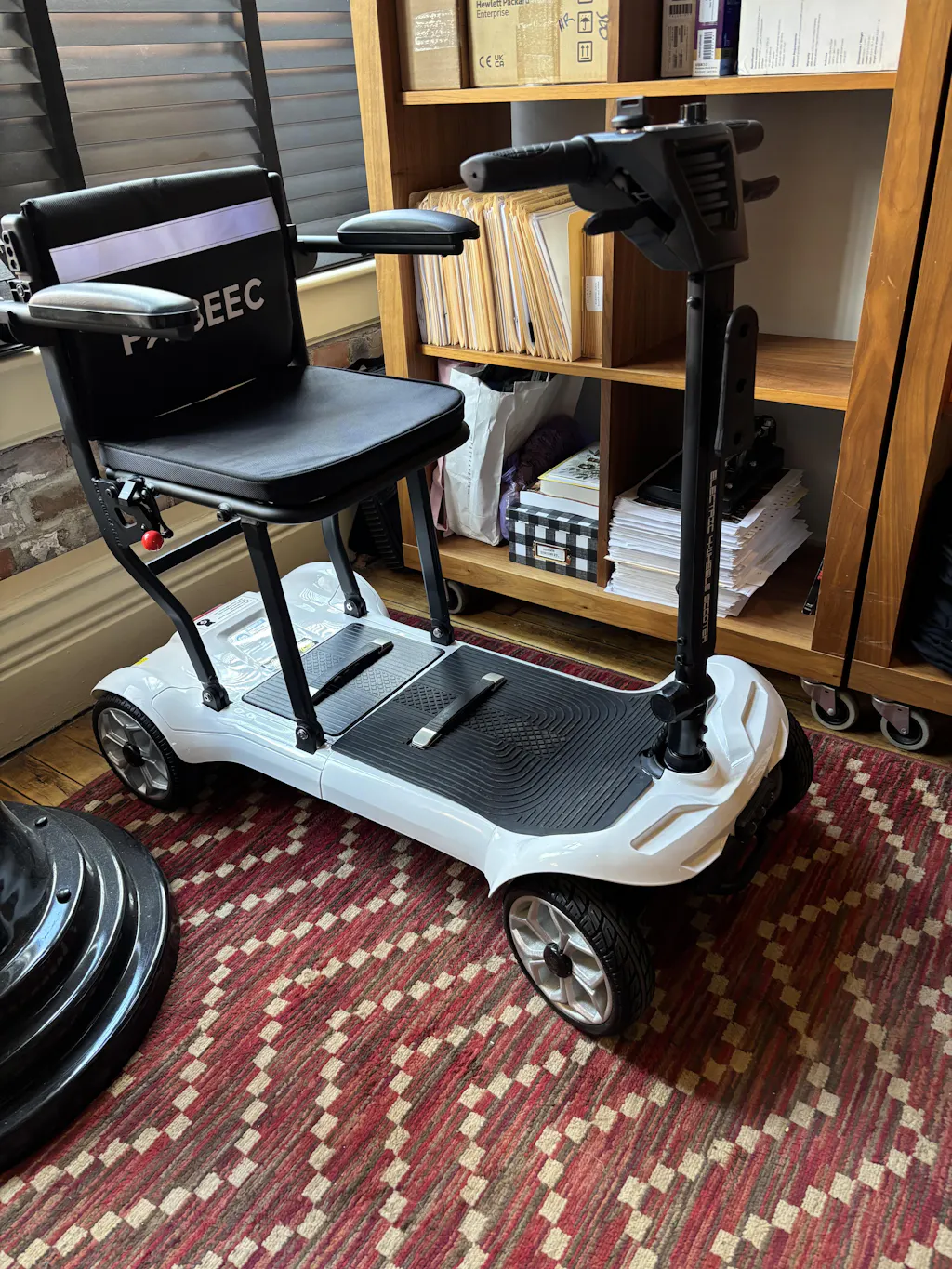
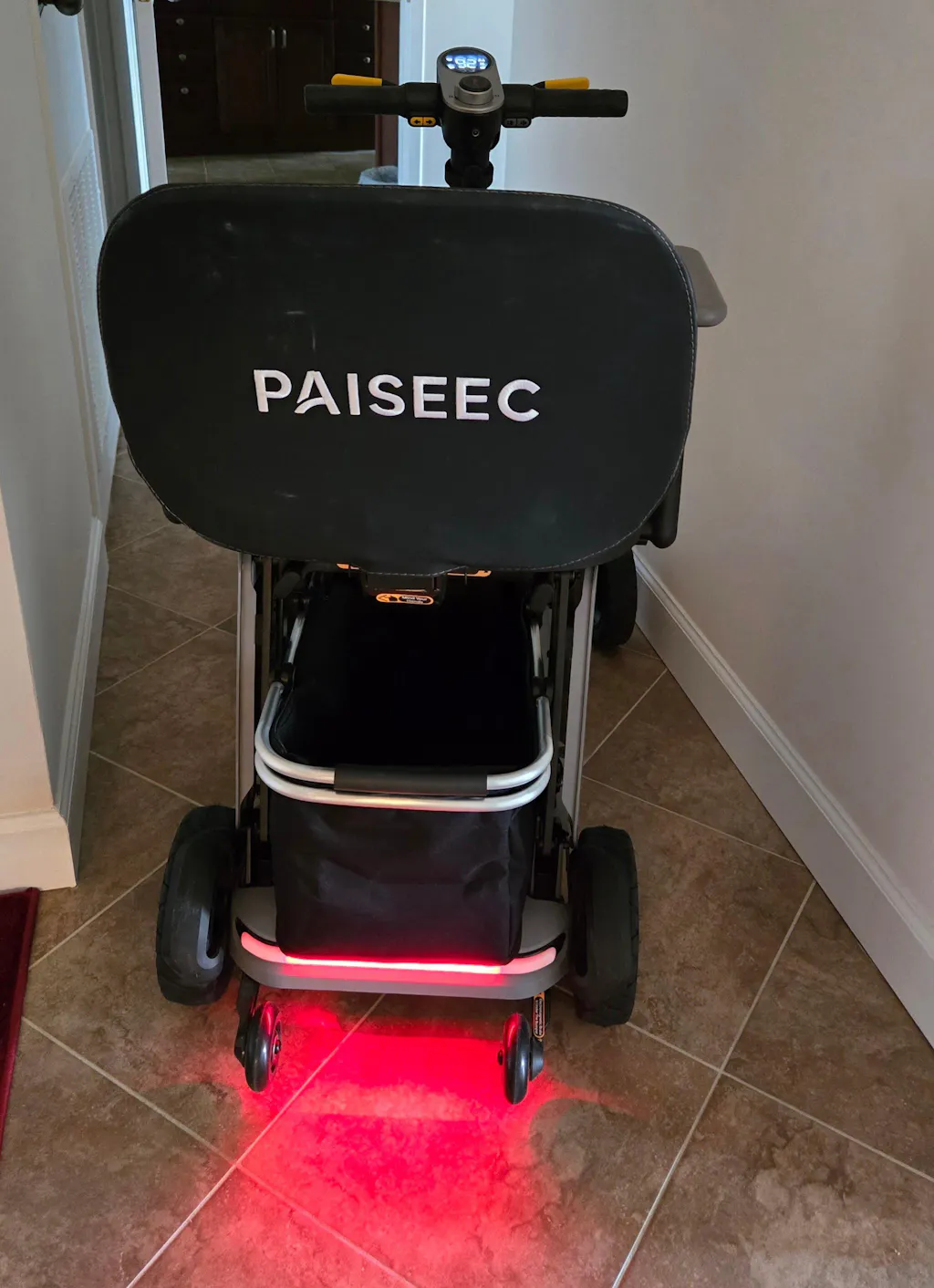
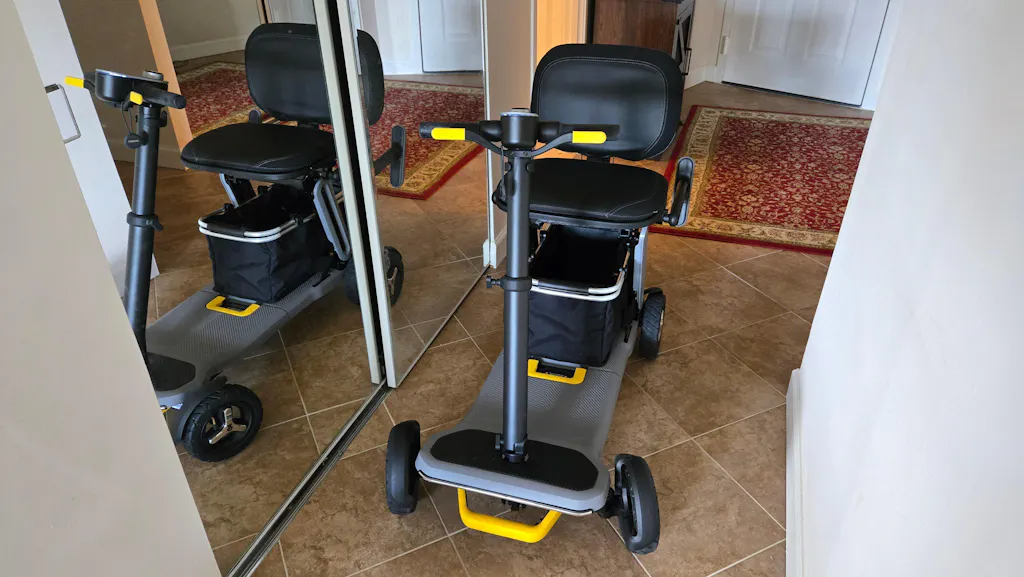
| Paiseec Mobility PAI+ | Intelligent PAI safety system, aerospace aluminum body | 250W | 18 miles | Yes | Travel and daily use |
| VoltRide Axis | All-terrain tires, quick-swap battery | 400W | 30 miles | Partial | Long-distance riding |
Paiseec Mobility, founded in 2021, is a global leader in innovative mobility solutions, dedicated to enhancing travel experiences worldwide. With a $10 million R&D investment and over 100 engineers, the company sets industry standards through technologies like the PAI intelligent riding system and high-performance lithium solutions designed for superior safety, reliability, and independence.
Real User Cases and ROI Value
Users transitioning from manual to electric wheelchairs report significant improvements in daily mobility and reduced physical strain. A 2025 user experience survey revealed that switching to an intelligent wheelchair improved user independence ratings by over 60%. Long-term data show reduced medical visits related to manual strain injuries, representing both financial and health returns on investment. For caregivers, remote-control and push-assist features have shortened transport times by up to 40%, enhancing quality of care and convenience.
Buying Guide for 2026 Electric Wheelchairs
When selecting an electric wheelchair, focus on range efficiency, charging duration, seat ergonomics, and terrain compatibility. Compact folding models are ideal for travelers, while all-terrain designs are perfect for outdoor enthusiasts. A 250W brushless motor suits most daily users, whereas higher power models above 350W are best for hilly regions or heavy-duty use. Consider additional features like joystick sensitivity, reclining seatbacks, and removable batteries for airline travel compliance.
Service support and warranty coverage are equally critical. Choose brands known for fast response and modular part replacement options. Battery lifespan is a major long-term cost factor—quality lithium packs typically last up to five years with consistent charge cycles.
Future Trends and Technological Forecast
Between 2026 and 2030, electric wheelchairs are expected to merge with AI-driven navigation, predictive obstacle detection, and real-time health monitoring. Integration with wearable devices will allow systems to adapt to user posture and fatigue levels. Solar-assisted charging units and graphene-based battery technologies could double the range while reducing weight. As government policies increase the subsidy scope for mobility devices, adoption rates in both developed and emerging markets are set to surge.
Assistive technology is steadily blurring the line between rehabilitation and lifestyle innovation. The future will introduce autonomous wheelchairs capable of route optimization and hands-free voice control, redefining what independence means for mobility users everywhere.
Frequently Asked Questions
What is the average lifespan of an electric wheelchair battery?
Typically 3–5 years, depending on usage frequency, battery quality, and charger maintenance.
Can electric wheelchairs be used on rough terrain?
Yes, models with high-torque motors, pneumatic tires, and suspension systems handle uneven ground efficiently.
Are foldable electric wheelchairs safe for air travel?
Yes, most folding units with detachable lithium batteries meet airline transport safety regulations.
How long does a complete charge take?
On average, between 4 to 6 hours for most 24V–36V battery systems.
Call to Action: Empower Your Mobility Future
If you’re exploring electric wheelchairs in 2026, now is the best time to find a model that balances comfort, intelligence, and value. Modern designs are lighter, smarter, and safer than ever before. Whether for daily commuting, rehabilitation, or travel, an electric wheelchair represents more than just mobility—it’s the foundation of freedom, confidence, and self-reliance for the modern age.
Leave a comment
This site is protected by hCaptcha and the hCaptcha Privacy Policy and Terms of Service apply.