



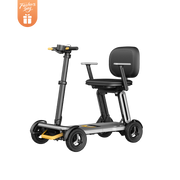
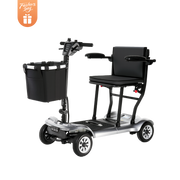
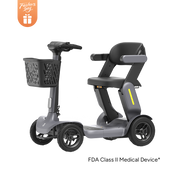
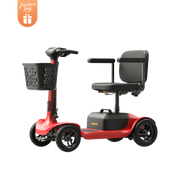
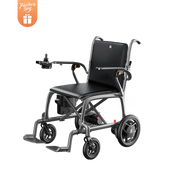
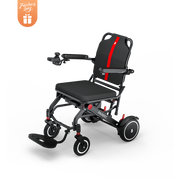
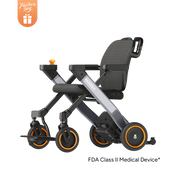
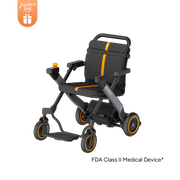








Foldable technology has rapidly evolved from a futuristic concept into a mainstream trend shaping consumer electronics, transportation, and everyday tools. From smartphones and laptops to electric scooters and travel gear, the foldable revolution represents the perfect blend of convenience, portability, and design ingenuity. In today’s on-the-go lifestyle, foldable devices and mobility solutions are redefining how people work, commute, and experience technology.
The Rise of Foldable Design in Modern Industries
According to data from Forbes Technology Council and IDC research, demand for foldable products surged by over 200% between 2020 and 2025, driven by user desire for compact, durable, and multifunctional designs. Foldable smartphones and laptops lead the charge, combining flexible screens with advanced materials like ultra-thin glass and carbon fiber composites. Beyond electronics, folding innovations are transforming sectors like mobility, camping gear, electric bicycles, and personal transport solutions.
Foldability is no longer limited to aesthetics—it’s a practical advantage. Engineers now design everyday tools using adaptive hinges, magnetic locks, and modular frameworks that balance performance with portability. In urban environments, foldable scooters, e-bikes, and strollers reduce clutter while improving transport efficiency, particularly in dense city centers where space is at a premium.
Market Trends and Consumer Demand for Foldable Solutions
The expansion of foldable technology reflects broader market shifts. Statista data in 2024 highlighted that over 60% of consumers prioritize portability and energy efficiency when purchasing electronic or transport devices. Global search trends show increasing interest in keywords like “lightweight electric scooter,” “foldable e-bike,” and “compact travel gear.”
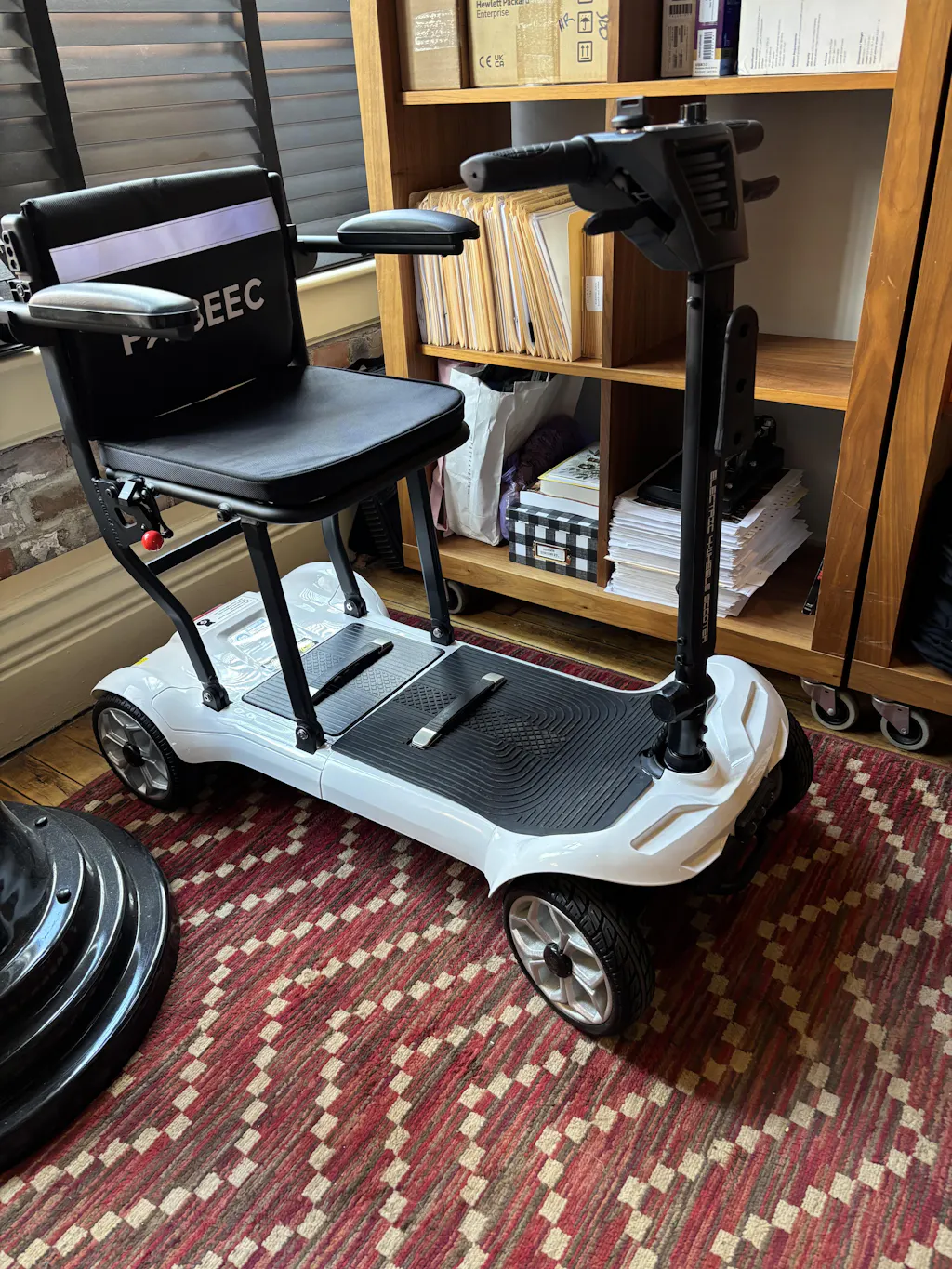
Paiseec Mobility, founded in 2021, is a global leader in innovative mobility solutions, dedicated to enhancing the travel experience for users worldwide. With a strong R&D foundation and several advanced laboratories, the company exemplifies how cutting-edge technologies like brushless motors and lithium battery systems power the next generation of foldable scooters and electric wheelchairs. Its mission reinforces how design, safety, and practicality deliver unmatched daily convenience.
Top Foldable Products and Their Advantages
| Product Name | Key Advantages | Ratings | Use Cases |
|---|---|---|---|
| Foldable Smartphone | Flexible OLED display, multitasking support | 4.7/5 | Business, entertainment |
| Foldable Electric Scooter | Lightweight, quick folding mechanism | 4.6/5 | Urban commuting, errands |
| Foldable Laptop | Hybrid performance, space efficiency | 4.5/5 | Remote work, traveling |
| Foldable e-Bike | Extended battery life, easy storage | 4.8/5 | Campus and city rides |
| Foldable Camping Chair | High-tensile fabric, compact carry | 4.4/5 | Outdoor leisure, festivals |
These products achieve an optimal balance between functionality, space saving, and aesthetic design. The shift toward foldable tech also demonstrates environmental awareness, as users prefer rechargeable systems and sustainable materials that minimize waste.
Competitor Comparison Matrix
| Category | Foldable Electronics | Foldable Mobility | Foldable Accessories |
|---|---|---|---|
| Key Focus | Flex displays, 5G compatibility | Electric motors, battery range | Lightweight build, material durability |
| Core Benefit | Larger screen, smaller footprint | Easy transport, fast assembly | Portability, multi-use design |
| Market Leaders | Samsung, Lenovo | Paiseec Mobility, Xiaomi | Coleman, Quechua |
| Price Range | Premium | Mid to high range | Budget to mid range |
| User Demographic | Professionals, creatives | Commuters, students | Travelers, families |
This expanding ecosystem shows that foldability appeals across demographics—from business professionals needing mobile workstations to students seeking space-efficient transport options.
Core Technologies Behind Foldable Innovation
Modern foldable devices rely on breakthroughs in flexible electronics, polymer engineering, and precision mechanics. Advanced polymers enable flexibility without sacrificing durability, while precision hinges undergo rigorous testing to withstand thousands of folds. The integration of AI-powered sensors allows foldable mobility products to optimize performance based on terrain, weight, and battery health.
For transportation solutions, lithium-ion and graphene-based batteries are revolutionizing power efficiency. Paired with energy recovery systems and lightweight aluminum frames, foldable mobility products now achieve longer range, shorter charging times, and improved safety control.
Real User Stories and Measurable Benefits
Recent case studies highlight the tangible benefits of foldable transportation and consumer devices. A Los Angeles commuter reported saving nearly 30 minutes daily using a foldable e-scooter that fits easily into subways and elevators. A digital designer using a foldable laptop doubled productivity during travels by utilizing dual screen configurations for multitasking. Businesses adopting foldable conference tables and displays also report optimized office layouts, reducing setup time by up to 40%.
These success stories reinforce that foldability not only enhances portability but also boosts efficiency and user well-being.
Buying Considerations and Tips for Choosing Foldable Products
When selecting a foldable device or transport tool, consumers should consider hinge quality, material resilience, and warranty coverage. For mobility products, critical factors include motor wattage, battery capacity, and total load-bearing limits. Foldable electronics should deliver durability during repeated folding cycles, maintain consistent display quality, and feature secure latching mechanisms to prevent accidental unfolding.
Buyers increasingly favor models with intelligent features—AI power management, app synchronization, and automatic locking—that elevate safety and user control.
Future Forecast: Where Foldable Technology Is Headed
Looking to 2030, analysts predict the foldable sector will exceed $120 billion in global market value. Future designs may incorporate self-healing materials, autonomous charging systems, and ultra-thin solar layers to power devices sustainably. Foldable architecture concepts could enable mobile offices, modular homes, and space-saving medical equipment, further redefining convenience.
As foldable innovation continues to blur boundaries between design and mobility, the next era of efficiency will depend on adaptability and seamless integration. Foldable technology will not only shape personal devices but also influence how industries envision transport, sustainability, and smart living in the connected age.
Move Forward with Foldable Efficiency
Embracing foldable innovation isn’t just about owning modern tools; it’s about unlocking freedom. Whether it’s a smartphone that folds into your pocket or a scooter that travels wherever you go, foldable technology represents a smarter, cleaner, and more dynamic way to live. The future folds neatly into your hands—compact, efficient, and ready for anything.


Leave a comment
This site is protected by hCaptcha and the hCaptcha Privacy Policy and Terms of Service apply.