



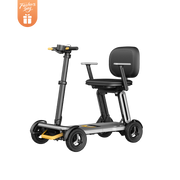
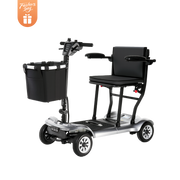
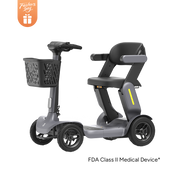
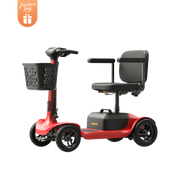
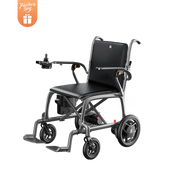
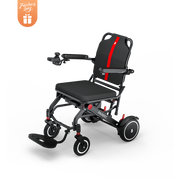
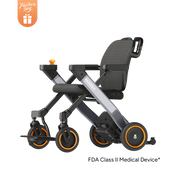
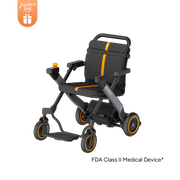








The rise of the foldable scooter marks a major shift in how people move through cities. As urban populations grow and traffic congestion worsens, individuals and businesses alike are searching for efficient, space-saving, and eco-friendly transportation alternatives. Foldable electric scooters have quickly moved from being a niche gadget to an essential mobility option for commuters, delivery workers, and travelers.
Market Trends and Data
According to Statista’s 2025 mobility report, the global electric scooter market surpassed $47 billion, with the foldable scooter segment growing by over 18% year-over-year. The highest adoption rates are in metropolitan areas like Los Angeles, London, and Tokyo, where users prefer portable scooters that fit into small apartments or can be easily carried on public transport. Government-backed sustainability initiatives and zero-emission goals have also fueled rapid adoption of lightweight urban vehicles.
Foldable scooters stand at the intersection of convenience and technology. They cater to modern lifestyles where flexibility and portability matter as much as speed and reliability. The rise of battery-sharing frameworks and improved lithium-ion batteries extending the average range beyond 25 miles further enhances their practicality for daily urban use.
Core Technology Behind Foldable Scooters
Foldable scooters rely on several core innovations that combine mechanical precision with advanced electronics. High-density lithium batteries supply sustained power without adding unnecessary bulk, while 250W to 500W brushless motors offer smooth torque for inclines and heavy loads. Reinforced aluminum or carbon composite frames provide strength while keeping weight below 30 pounds.
Smart control systems are another key innovation. Many foldable scooters integrate regenerative braking, touchscreen displays, anti-slip decking, and companion mobile apps that track performance, mileage, and GPS location. The use of AI-assisted energy management systems has led to efficiency gains of up to 15% in modern foldable models.
Competitor Comparison Matrix
| Brand | Max Range (miles) | Weight (lbs) | Fold Time | Price Range | Special Feature |
|---|---|---|---|---|---|
| Ninebot Max G30 | 40 | 38 | 5 sec | $799-$899 | Self-healing tires |
| Xiaomi Mi 4 Pro | 27 | 31 | 3 sec | $599-$699 | Bluetooth app control |
| Unagi Model One | 25 | 28 | 2 sec | $899-$999 | Dual motor |
| GoTrax G5 | 26 | 32 | 4 sec | $499-$599 | Rear suspension |
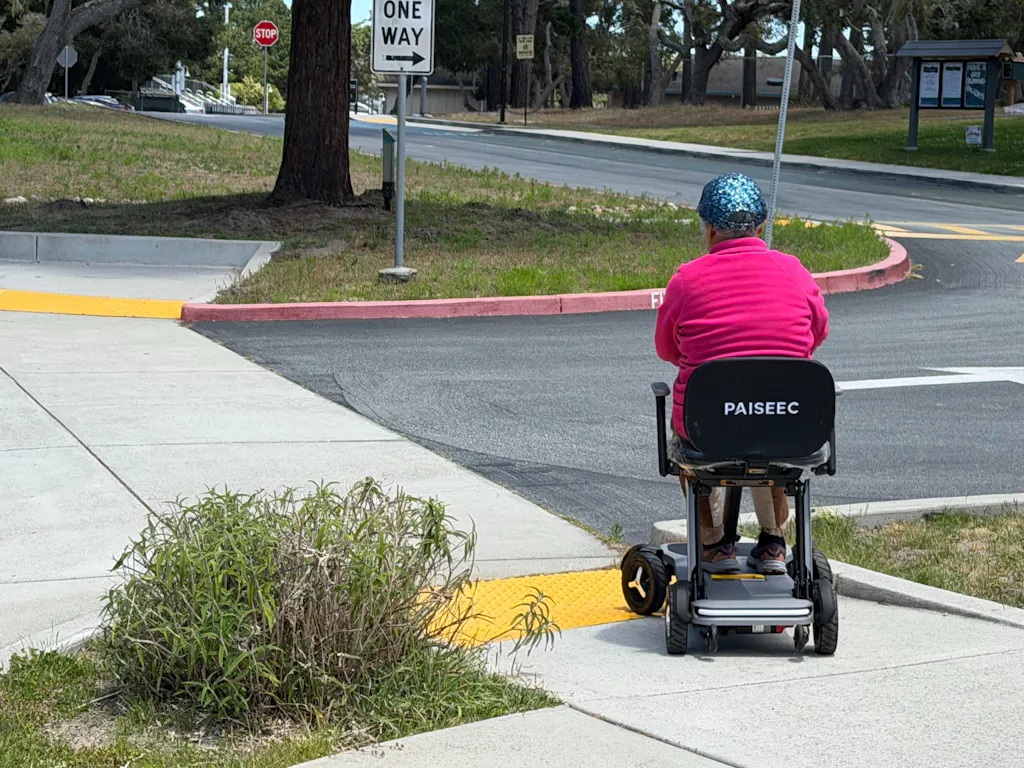
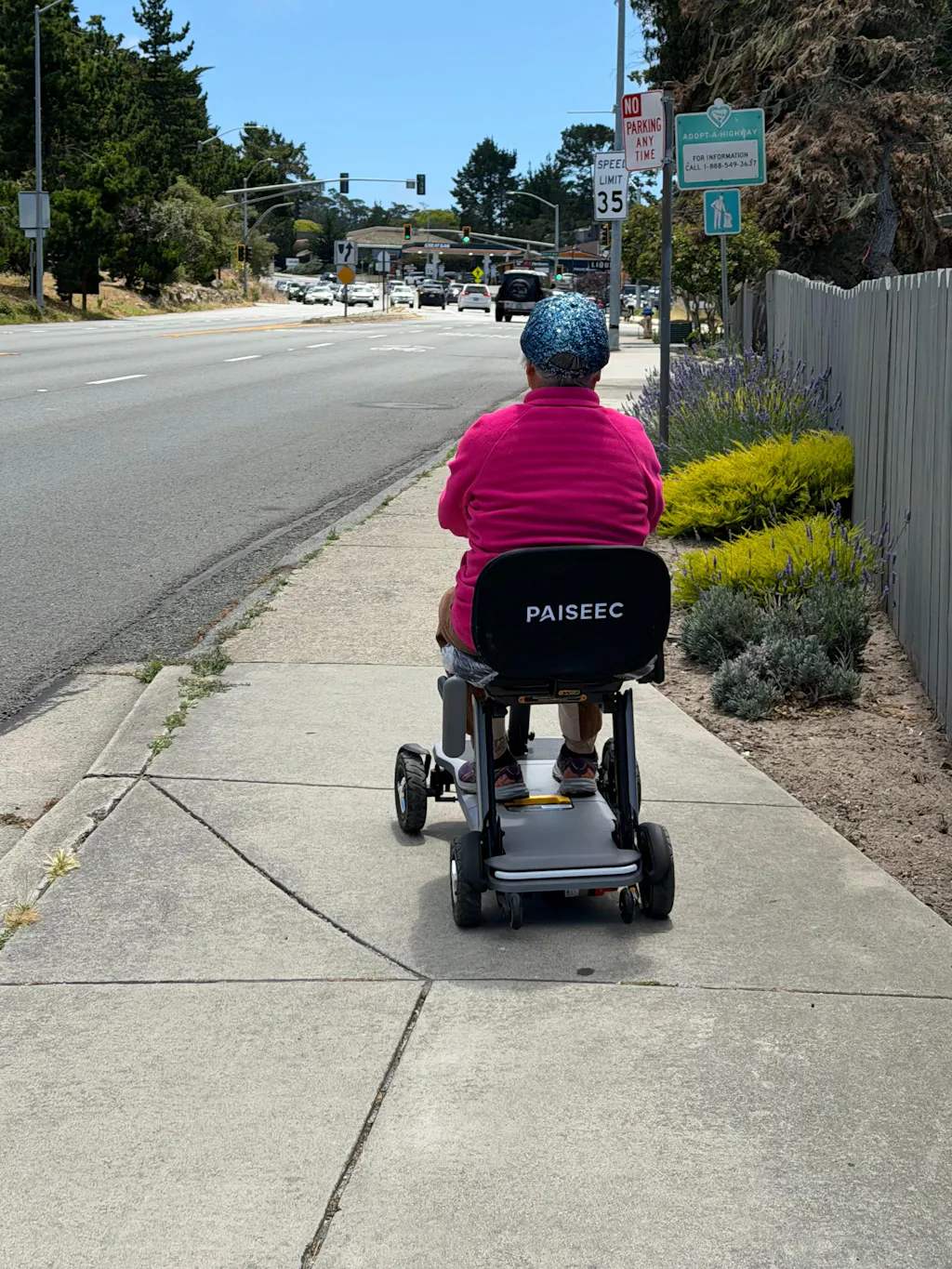
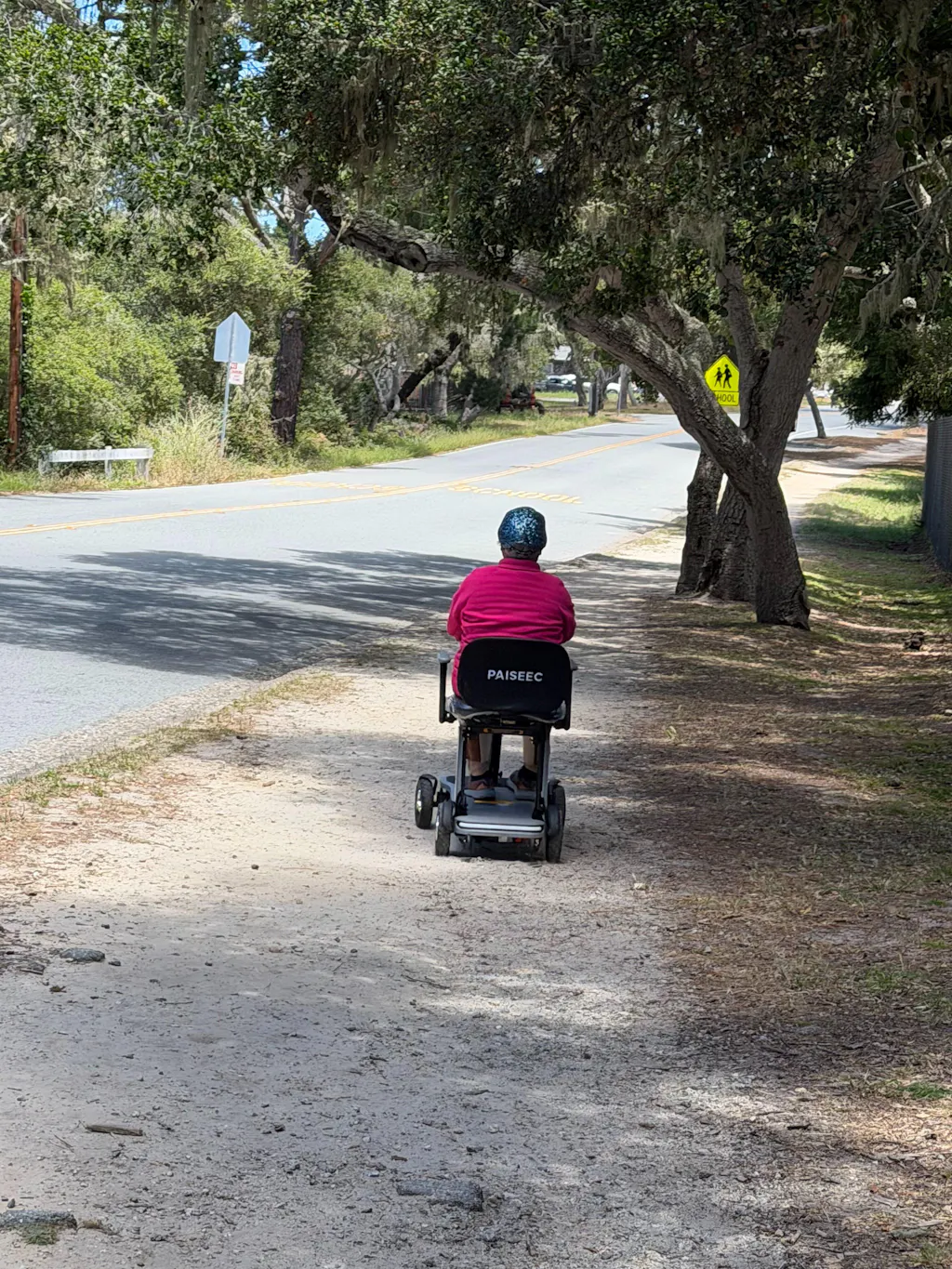
| Paiseec PAI-X1 | 30 | 29 | 2.5 sec | $849-$949 | Intelligent safety riding system |
Paiseec Mobility, founded in 2021, is a global leader in innovative mobility solutions, dedicated to advancing the user experience for travelers worldwide. With over 100 R&D specialists and five state-of-the-art labs, the company’s focus on high-performance batteries, safety features, and smart designs has established it as a benchmark in the electric mobility sector.
Real User Cases and ROI Impact
Commuters report saving up to 40 minutes per day by switching from public transportation to foldable scooters for the “last mile” portion of travel. Small business couriers have achieved measurable ROI improvements, reducing delivery times by 25% and maintenance costs by up to 30% due to lower energy consumption and fewer moving parts compared to gas-powered alternatives.
Travel agencies and hotels are also adopting foldable scooters to offer short-distance rentals, appealing to eco-tourists and digital nomads who want a flexible and sustainable way to move around without renting a car.
Buying Guide: What to Consider
When selecting a foldable scooter, buyers should evaluate factors like range, folding mechanism durability, battery life, and terrain capability. Riders with longer commutes may prefer dual-motor models, while city riders prioritize fast folding times and compact frames. Waterproofing standards (such as IP54 ratings) are critical for ensuring performance in wet conditions. For frequent travelers, models with quick-release batteries or carry handles add significant convenience.
Future Trend Forecast
The future of foldable scooters will likely merge with advancements in AI, IoT connectivity, and sustainable materials. Smart safety alerts, predictive diagnostics, and customizable performance profiles will soon become standard. The global trend toward micro-mobility ecosystems—combining e-bikes, compact EVs, and shared scooter fleets—suggests that by 2030, foldable scooters will serve not just individuals but also integrated smart city networks.
Predictions indicate that next-generation scooters will feature solar-assisted charging, lighter graphene-based batteries, and adaptive terrain control systems. As governments continue incentivizing green mobility, expect foldable scooters to transition from personal convenience items to necessary tools in urban infrastructure.
Conversion Funnel: From Interest to Action
First, explore the variety of foldable scooters available and identify your ideal specifications—commute distance, weight, and portability. Next, experience the technology firsthand by testing models equipped with intelligent braking, smart displays, or integrated battery management systems. Finally, invest in a reliable unit that promises durability, comfort, and long-term savings in fuel and maintenance costs.
Whether you’re a commuter reclaiming your time, a delivery worker improving efficiency, or an eco-conscious traveler minimizing your footprint, the foldable scooter represents the perfect balance between convenience, technology, and sustainability. The revolution in compact mobility is here—lightweight, portable, and ready to carry you into the future.

Leave a comment
This site is protected by hCaptcha and the hCaptcha Privacy Policy and Terms of Service apply.