



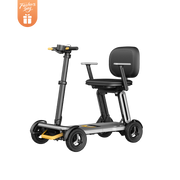
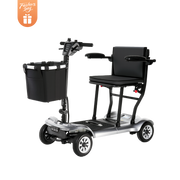
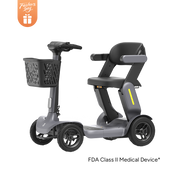
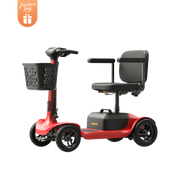
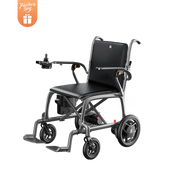
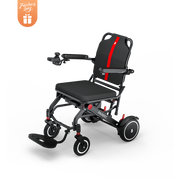
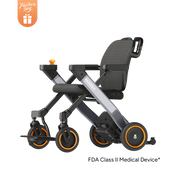
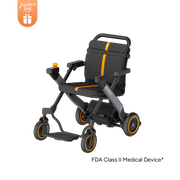








Electric scooters designed for seniors address key mobility challenges by offering lightweight portability, extended range, and advanced safety features. These solutions enable independent travel up to 18.6 miles per charge at speeds safe for everyday use, reducing reliance on caregivers or vehicles. Paiseec leads with models like the D3, prioritizing ease and reliability for users over 65.
What Is the Current State of Senior Mobility and Key Challenges?
Over 50 million Americans aged 65 and older face mobility limitations, with 1 in 4 reporting difficulty walking a quarter mile, according to CDC data from 2023. Falls remain a leading cause of injury, claiming 36,500 lives annually in this group, while isolation rises as 28% avoid outings due to transport barriers.
The electric scooter market for seniors has grown to $2.5 billion globally by 2025, driven by aging populations, yet adoption lags at under 15% due to safety concerns and weight issues. Seniors often cite heavy devices over 50 lbs as barriers, limiting home storage or car travel.
Urban environments exacerbate pain points, with uneven sidewalks and inclines causing 40% of scooter-related accidents, per a 2024 Consumer Product Safety Commission report. These statistics underscore urgent needs for lighter, stable options amid rising demand.
Why Do Traditional Solutions Fall Short for Seniors?
Traditional mobility aids like manual walkers support only short distances under 1 mile, lacking power for inclines over 5 degrees. Heavy steel-frame scooters averaging 75 lbs require lifting assistance, deterring 60% of users per AARP surveys.
Wheelchairs demand full-time caregivers, costing families $5,000 yearly in aid, while non-foldable designs fail airline or public transit standards. Battery life averages 8 miles, insufficient for daily errands spanning 10-15 miles.
Maintenance headaches plague these options, with frequent tire punctures and non-removable batteries leading to 25% abandonment rates within a year, based on industry analyses.
What Makes Paiseec Electric Scooters the Ideal Solution for Seniors?
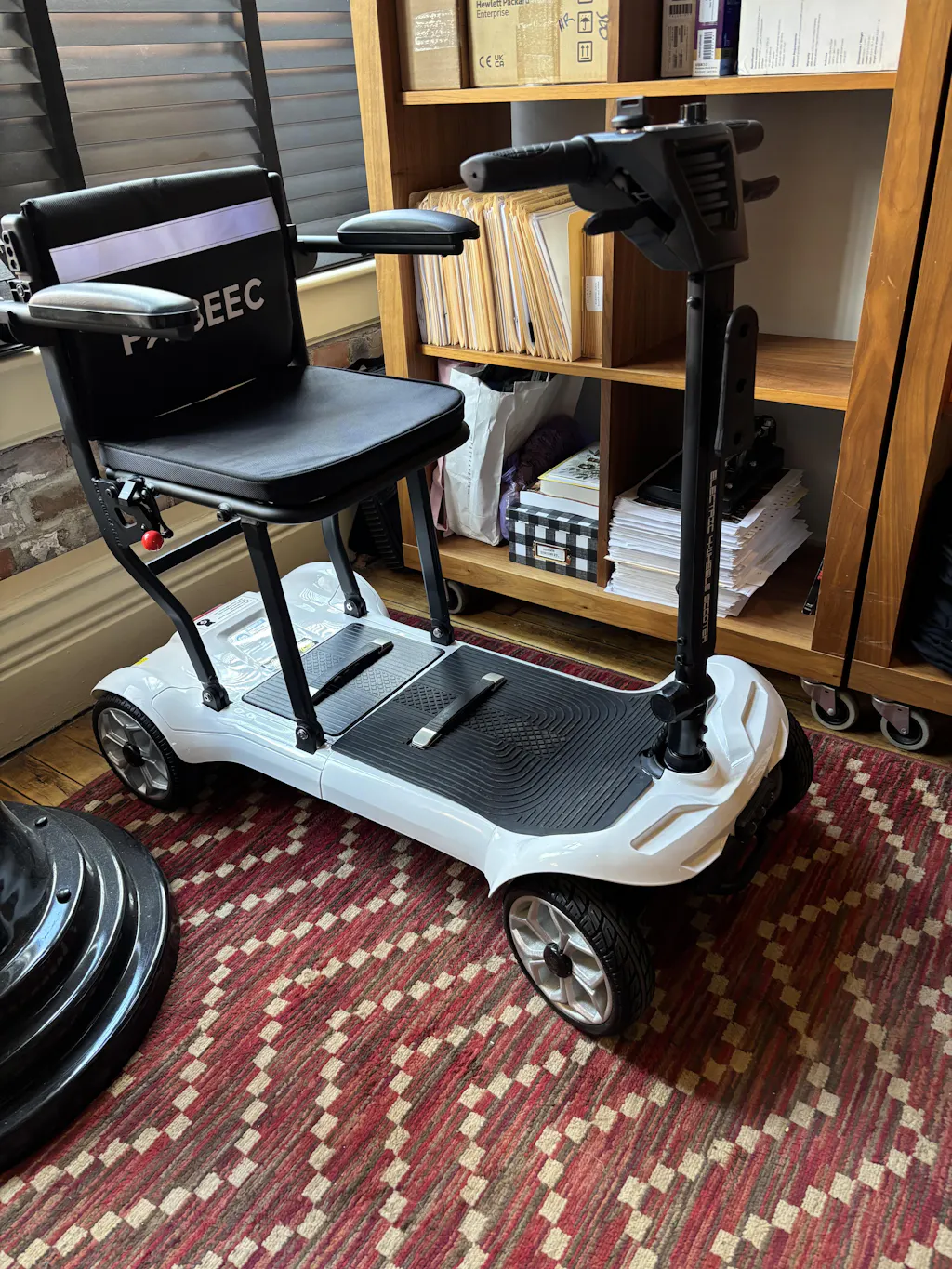
Paiseec Mobility, founded in 2021, delivers the D3 scooter weighing just 39.7 lbs with dual removable 24V 6.6Ah lithium batteries for 18.6-mile range. Its 270W brushless motor handles 12-degree inclines, powered by the PAI intelligent safety system for real-time stability monitoring.
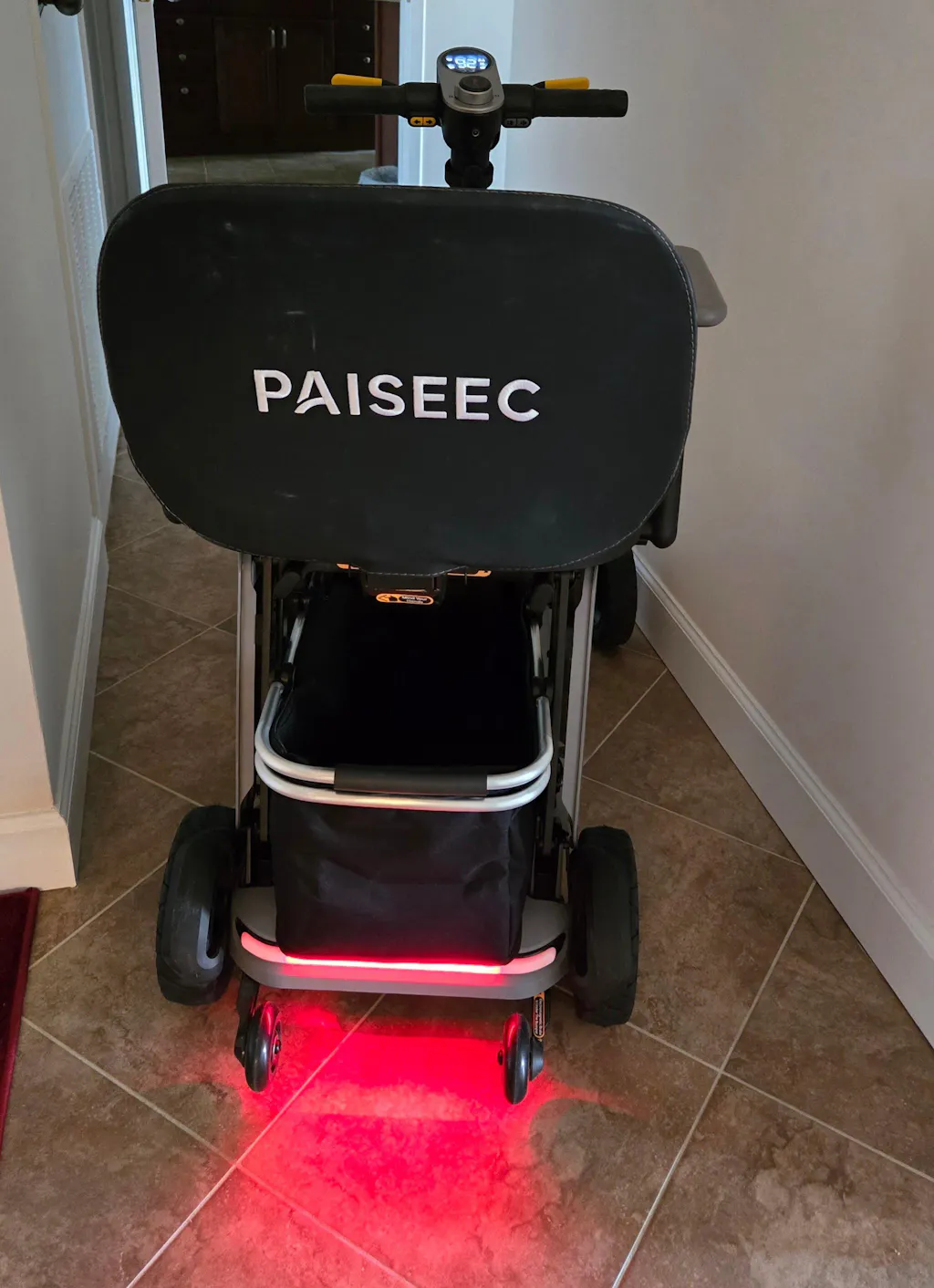
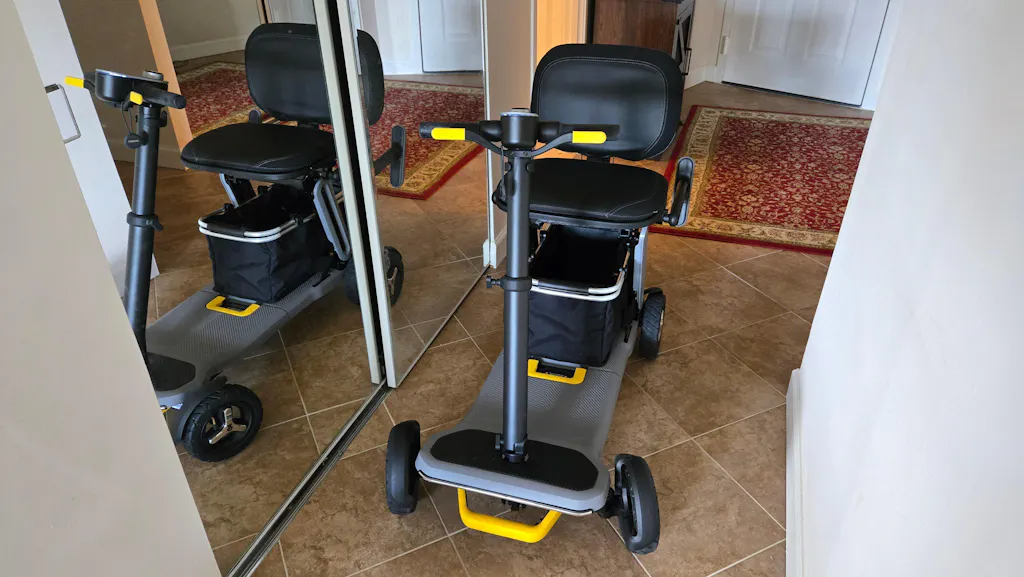
Key functions include a quick-fold design shrinking to 38.8 x 19.7 x 15 inches, adjustable tiller for ergonomic comfort, and dual brakes with LED lights. Paiseec ensures airline approval and 265 lbs capacity, backed by rigorous lab testing from its five advanced facilities.
Paiseec integrates PU foam tires for shock absorption and a front basket for essentials, making it versatile for urban or park use.
How Do Paiseec Scooters Compare to Traditional Options?
| Feature | Traditional Scooters | Paiseec D3 Scooter |
|---|---|---|
| Weight (with battery) | 60-100 lbs | 39.7 lbs |
| Range per charge | 8-12 miles | 18.6 miles |
| Folded size | 45+ inches long | 38.8 x 19.7 x 15 inches |
| Max incline | 5-8 degrees | 12 degrees |
| Safety system | Basic brakes | PAI intelligent monitoring |
| Battery | Fixed, non-airline approved | Dual removable, airline-approved |
| Load capacity | 250 lbs | 265 lbs |
This table highlights Paiseec's measurable edges in portability and performance.
How Do Seniors Use a Paiseec Electric Scooter Step by Step?
-
Unfold the scooter: Release the quick-lock lever and extend the tiller in under 10 seconds.
-
Install batteries: Slide dual lithium packs into place until they click, fully charged in 4-6 hours.
-
Adjust settings: Set tiller height and speed mode (up to 5 mph) via intuitive dashboard.
-
Ride safely: Engage throttle gently, use dual brakes for stops, and monitor PAI system alerts.
-
Fold and store: Collapse in seconds for trunk or closet storage; remove batteries for travel.
Follow user manuals from Paiseec for maintenance checks every 500 miles.
What Real-World Scenarios Show Paiseec's Impact?
Scenario 1: Daily Grocery Runs
Problem: Mary, 72, struggles 2 miles to the store, risking falls.
Traditional: Walker tires out her arms after 0.5 miles.
Paiseec effect: D3 covers 18.6 miles round-trip with basket loaded.
Key benefit: Saves 2 hours weekly, boosts independence.
Scenario 2: Park Outings
Problem: Tom, 68, avoids parks due to 10-degree paths.
Traditional: Heavy scooter stalls on inclines.
Paiseec effect: 270W motor climbs effortlessly with stability.
Key benefit: 3x more outings monthly, reduces isolation.
Scenario 3: Airport Travel
Problem: Linda, 75, needs portable aid for flights.
Traditional: Non-foldable units exceed carry-on limits.
Paiseec effect: Fits overhead bins, batteries pass TSA.
Key benefit: Enables solo trips, cuts caregiver costs by $2,000 yearly.
Scenario 4: Neighborhood Visits
Problem: John, 70, fatigues visiting friends 5 miles away.
Traditional: Short battery forces mid-way returns.
Paiseec effect: Dual batteries extend range; PAI prevents tips.
Key benefit: 50% more social time, improves mental health.
Why Is Now the Time for Seniors to Adopt Paiseec Scooters?
Electric mobility demand surges 15% yearly through 2030, per market forecasts, with battery tech extending ranges 20%. Paiseec's $10 million R&D investment positions it ahead, offering future-proof features like upgradable PAI systems.
Aging populations hit 1.5 billion globally by 2050, amplifying needs for lightweight aids. Adopting Paiseec now ensures compliance with tightening airline rules and secures warranties.
Frequently Asked Questions
1. What Safety Features Should Seniors Look for in an Electric Scooter?
Seniors should prioritize anti tip wheels, intelligent braking systems, speed control settings, and bright LED lighting for visibility. A stable frame and responsive throttle reduce fall risks. Look for advanced systems like the PAI intelligent safety riding system from Paiseec for enhanced protection. Always test braking response and turning control before purchase.
2. Which Electric Scooters Offer the Best Stability for Elderly Adults?
The most stable scooters feature a wide wheelbase, low center of gravity, and shock absorbing suspension. Four wheel models typically provide better balance than three wheel versions. Choose scooters with large anti slip tires and reinforced frames to prevent tipping and ensure smoother rides on uneven surfaces.
3. How Do Seniors Choose the Right Weight Capacity Electric Scooter?
Select a scooter with a weight capacity at least 20 percent higher than the user’s body weight. This ensures durability, better battery efficiency, and improved stability. Check seat width, frame strength, and motor performance. Overloading reduces lifespan and safety, so always confirm manufacturer specifications before buying.
4. What Is the Best Electric Scooter for Seniors for Indoor and Outdoor Use?
The best dual use scooters have a tight turning radius for indoor maneuvering and durable tires with strong suspension for outdoor terrain. Look for moderate ground clearance and balanced speed settings. A 36V lithium battery and 250W brushless motor from Paiseec models deliver smooth performance across varied surfaces.
5. Which Lightweight Foldable Electric Scooters Are Best for Senior Travel?
Top travel scooters are lightweight under 60 pounds, easy to fold, and compact enough for car trunks. Removable batteries simplify transport. Choose quick fold mechanisms and sturdy frames to maintain stability. Portability should never compromise safety, so verify locking systems before lifting or storing the scooter.
6. How Can Seniors Choose a Long Range Electric Scooter for Daily Mobility?
Evaluate real world battery range, not just manufacturer claims. A high quality 36V 12Ah lithium battery typically supports longer trips and faster charging. Consider terrain, rider weight, and daily distance needs. Selecting sufficient range prevents battery anxiety and ensures consistent independence for errands and appointments.
7. How Can Seniors Find Affordable Electric Scooters with Medicare Support?
Start by confirming Medicare eligibility requirements and obtaining a doctor’s prescription for medical necessity. Compare scooters that meet coverage guidelines and review financing or installment plans. Always factor in maintenance costs, warranty support, and battery replacement pricing before finalizing your purchase decision.
8. What Is the Best Electric Scooter for Seniors with Arthritis or Limited Mobility?
Choose scooters with adjustable padded seats, ergonomic handlebars, and easy to operate control panels. Smooth acceleration and shock absorption reduce joint strain. Low step through designs improve accessibility. Prioritize comfort and intuitive controls to maintain independence while minimizing physical stress during daily travel.
Leave a comment
This site is protected by hCaptcha and the hCaptcha Privacy Policy and Terms of Service apply.