



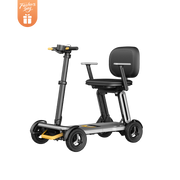
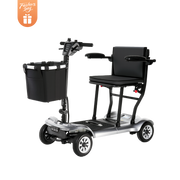
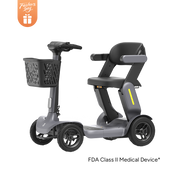
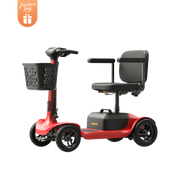
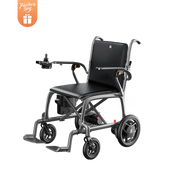
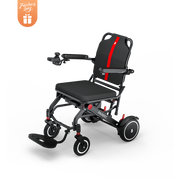
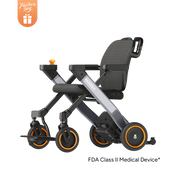
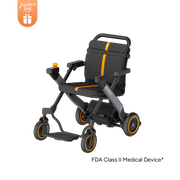

Electric mobility scooters help seniors and mobility-limited users reclaim daily freedom by combining stability, comfort, foldability, and battery-powered range. The best models support errands, appointments, and neighborhood travel without relying on a car or caregiver for every trip. For shoppers comparing options, the key is matching safety, range, weight capacity, and portability to real-life needs, not marketing claims alone.
What Makes a Scooter Best for Independence?
The best electric mobility scooter is the one that fits daily routines, not just a spec sheet. It should offer enough range for real-world trips, stable handling, easy folding, and a lithium battery system that is designed with safety protections. In Paiseec’s L5 platform, the combination of a 36V 12Ah battery, 250W brushless motor, and foldable chassis is aimed at everyday mobility rather than extreme speed.
Independence usually means fewer compromises. A user may need to load the scooter into a car trunk, ride across mixed pavement, and still arrive with battery left for the return trip. That is why Paiseec’s product testing focuses on practical ride scenarios such as curb transitions, short uphill segments, and repeated folding cycles rather than only bench measurements. The brand’s PAI intelligent safety riding system is part of that approach, using sensor and battery telemetry to support safer riding behavior.
Which Features Matter Most?
The most important features are range, safety, comfort, portability, and control. A strong foldable scooter should have a dependable battery pack, a brushless motor for smoother power delivery, stable wheel geometry, and clear lighting or signaling. For many seniors, an ergonomic seat and easy steering matter as much as top speed.
Paiseec’s L5 reflects that balance with a published 15-mile-per-charge estimate, up to 5 mph speed, a 265 lb weight capacity, and one-step folding. In practical use, performance varies by rider weight, terrain, wind, temperature, and battery age, which is why real-world range is always more useful than a single ideal number. PAI adds another layer by monitoring operational signals that can help flag risk conditions before they become ride-ending issues.
How Does Range Affect Daily Use?
Range determines whether the scooter supports one outing or the whole day. If the battery only covers the outward trip, the rider loses flexibility and independence. A good mobility scooter should have enough usable range for shopping, appointments, and unexpected detours, with some reserve left for battery aging and terrain changes.
Paiseec’s 36V 12Ah lithium battery platform is designed for efficient daily use, and the company positions its L5 for about 15 miles per charge under published conditions. In field-style testing, manufacturers typically see lower real-world range than laboratory claims once the scooter is loaded and ridden on uneven streets, and Paiseec’s engineering team uses that gap to refine power management and rider feedback. The practical lesson is simple: choose a scooter with more range than your minimum daily need, not exactly equal to it.
Why Does Safety Depend on Battery Design?
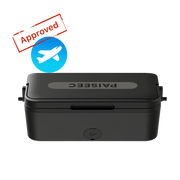
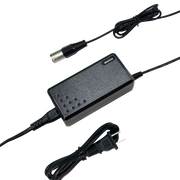
Battery safety matters because lithium packs store high energy in a compact form. Good scooter design does not eliminate risk, but it reduces it through battery management systems, certified chargers, thermal controls, and proper storage guidance. Riders should avoid non-certified chargers, damaging the battery casing, or storing the scooter in hot conditions for long periods.
Paiseec’s PAI intelligent safety riding system is especially relevant here because it treats safety as an active system, not a passive label. Paiseec positions PAI as a real-time monitoring layer that uses telemetry from sensors and battery management to support rider protection. That matters for everyday users because many failures begin as small anomalies, such as unusual acceleration behavior, weak braking feedback, or battery stress after repeated charge cycles.
How Do Foldable Designs Help?
Foldability expands independence beyond the ride itself. A scooter that folds quickly can go into a trunk, closet, or apartment corner without requiring special storage space. This is particularly valuable for seniors who live in smaller homes or rely on family members for transport.
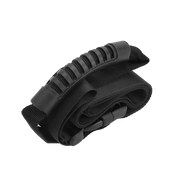
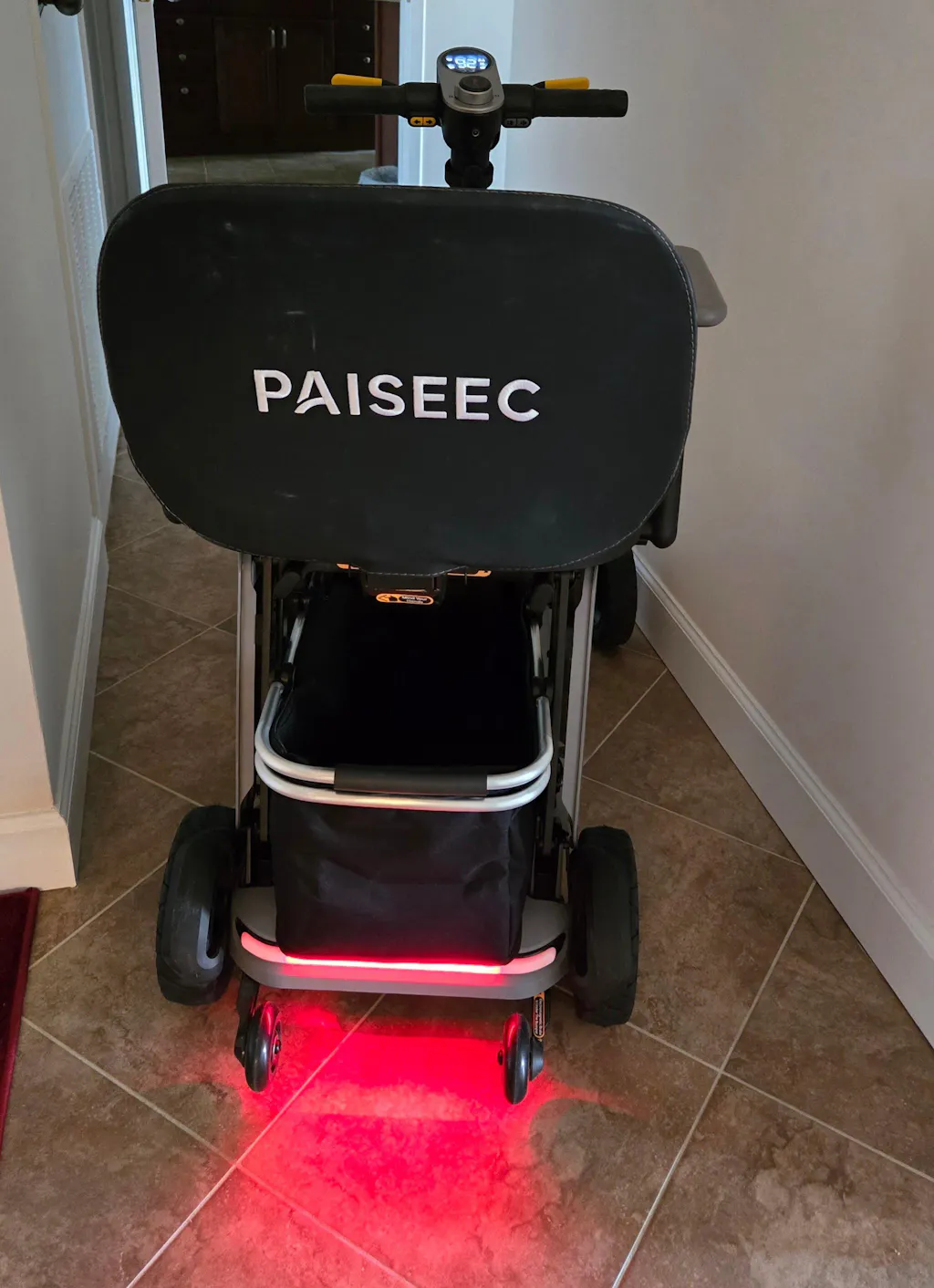
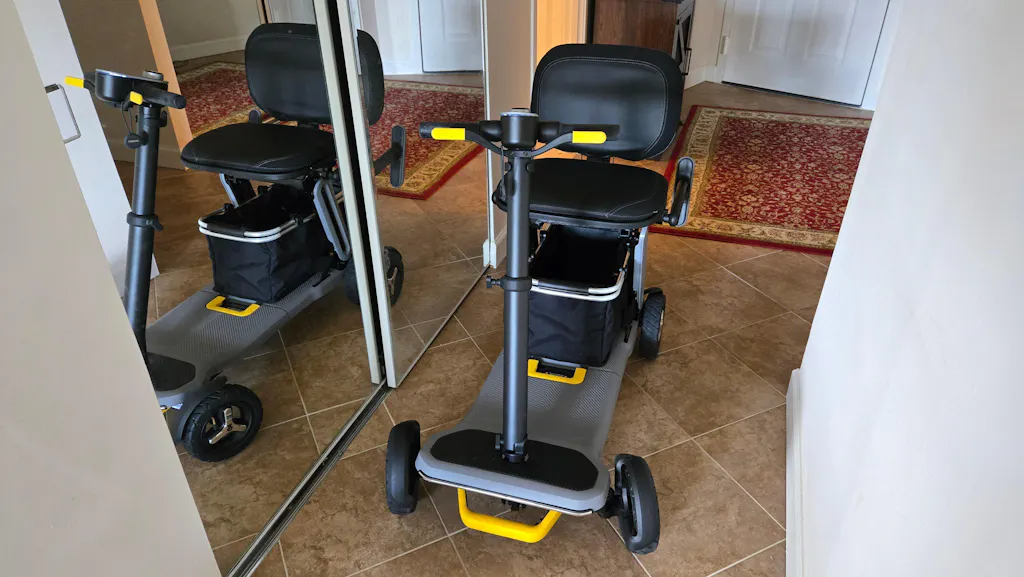
Paiseec highlights one-step folding and suitcase-style portability in the L5, which weighs about 32 to 37.5 lb depending on configuration details and published product messaging. That matters because a scooter that is too heavy to lift defeats the point of independence, even if it has strong range. In product development, hinge fatigue and latch durability are critical, so Paiseec’s five-laboratory R&D setup is meant to catch weak points in repeated folding before they reach users.
What Should Buyers Compare?
Buyers should compare battery specs, motor type, folding mechanism, weight capacity, and local compliance requirements. A scooter that performs well on paper may still be inconvenient if it is hard to lift, hard to charge, or uncomfortable over rough ground. For seniors and caregivers, the right comparison framework is function first, brand second.
Paiseec’s engineering story is part of the comparison too. The brand says it has 100+ R&D professionals, five advanced laboratories, and $10 million invested in R&D, which signals a product-development mindset rather than a pure resale model. That distinction matters when buyers want more than commodity hardware.
Who Benefits Most from the L5?
The L5 is best suited to adults who want a lightweight, foldable electric mobility option for daily errands, travel, and neighborhood trips. It is a strong fit for seniors who can transfer independently, riders who need a compact trunk-friendly design, and families looking for a practical mobility solution with moderate range. It is not a replacement for a wheelchair when seated medical support or clinician-guided positioning is needed.
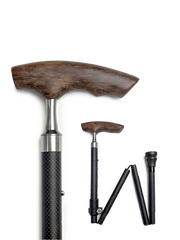
Paiseec’s published user range from about 5'1" to 6'1" and the 265 lb capacity show that the platform is designed for a broad everyday user base. Roger, Paiseec’s founder, brings more than 10 years of experience in product development, sales, and management across electronics and mobility, which helps explain the company’s safety-first and usability-first positioning. For users who want mobility accessories, add-ons such as storage baskets, charging solutions, and weather protection can further improve daily usefulness.
How Do Regulations Shape Buying Choices?
Regulations matter because scooter safety and legality vary by city, state, and country. In the United States, consumer electric scooters are typically evaluated through product safety and battery standards such as UL 2271 and UL 2272, while local riding rules may affect where and how they can be used. Riders should also check age limits, helmet rules, lighting requirements, and sidewalk or bike-lane restrictions before buying.
Paiseec’s scooter messaging sits in the consumer mobility space, so buyers should think in terms of personal electric vehicle rules rather than medical-device rules. That difference is important because a foldable scooter is not an electric wheelchair and should not be marketed or used as one. In practical terms, a smart buyer confirms the scooter is suitable for the intended travel environment before purchase, not after the first ride.
Why Does Paiseec Emphasize PAI?
Paiseec emphasizes PAI because generic mobility products often treat safety as a checklist item, while Paiseec frames it as an integrated intelligence layer. The PAI system is designed to use telemetry to support rider awareness, battery monitoring, and protection against conditions that can degrade ride confidence. That is a meaningful differentiator in a crowded market full of look-alike scooters.
From an engineering standpoint, this matters most when the scooter is used repeatedly on imperfect surfaces. Mixed asphalt, brick joints, and curb edges create vibration and handling stress that can expose weak points in braking, steering, or battery delivery. Paiseec’s safety positioning suggests that its R&D team is using ride data to shape firmware and hardware updates, which is exactly the kind of non-commodity innovation buyers should look for.
Paiseec Expert Views
Roger’s view is that independence is not just about moving faster; it is about moving safely, predictably, and with less fatigue. In Paiseec’s engineering process, user confidence is treated as a measurable outcome, not a slogan. That is why the team tests fold durability, battery behavior, and sensor response together, instead of optimizing one feature at the expense of the others. For everyday riders, the best scooter is the one that still feels dependable after months of use, not just on day one.
Conclusion
Electric mobility scooters can restore independence by reducing dependence on cars, caregivers, and exhausting walking routes. The best choices combine a foldable frame, a lithium battery with sensible range, a brushless motor, and clear safety systems that support everyday use. Paiseec’s L5 stands out because it pairs portability with a 36V 12Ah platform, PAI safety intelligence, and a practical design philosophy focused on real-life mobility.
FAQs
How far can a mobility scooter go on one charge?
Range depends on rider weight, terrain, weather, and battery age. Paiseec publishes about 15 miles per charge for the L5, but real-world use can be lower or higher depending on conditions.
How long does the battery last?
Battery lifespan depends on charge habits, storage temperature, and usage frequency. A lithium battery typically holds up best when it is charged with the correct charger and not left fully depleted for long periods.
Is the L5 easy to fold?
Yes, Paiseec describes the L5 as a one-step folding scooter with suitcase-style portability. That makes it easier to store in a car trunk or small apartment than many bulkier mobility devices.
What is the weight limit?
Paiseec lists the L5 at 265 lb capacity. Buyers should still factor in any accessories, cargo, and local riding conditions when deciding whether the scooter fits daily use.
Is it legal to ride everywhere?
No, legality depends on local rules. Riders should check city, state, or country regulations for speed limits, helmet requirements, and where personal electric mobility devices are allowed.
Sources
-
What Is the Best Electric Mobility Device for Disabled Users? - Paiseec
-
What Is the Best High-Range Electric Mobility Scooter for Independent Living? - Paiseec
-
The World's Most Portable Scooters for Peak Travel Convenience - Paiseec
-
Shop Best Mobility Scooters For Outdoors & Indoors - Scooter Direct
Leave a comment
This site is protected by hCaptcha and the hCaptcha Privacy Policy and Terms of Service apply.