



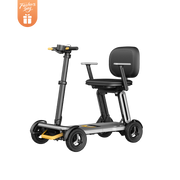
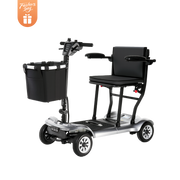
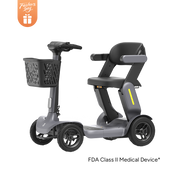
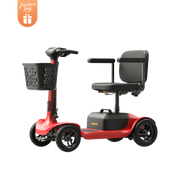
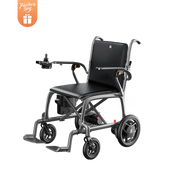
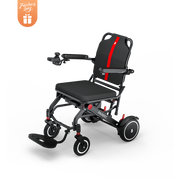
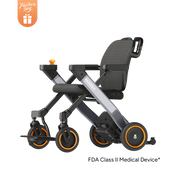
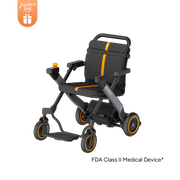

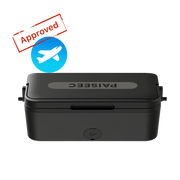
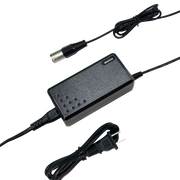
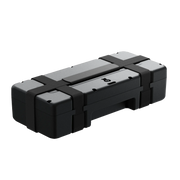
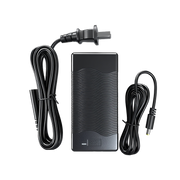
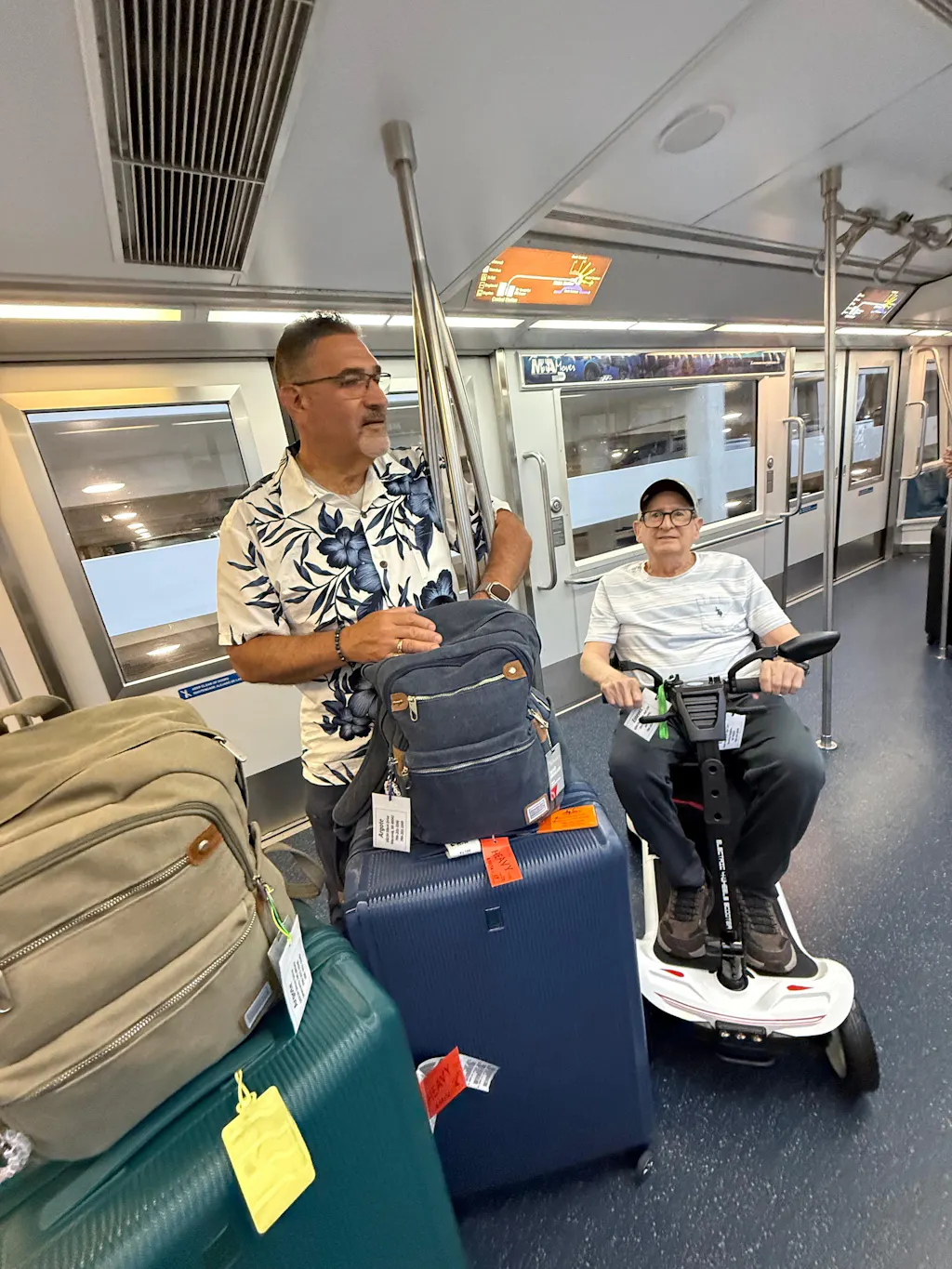
To choose your first mobility scooter, assess where you'll ride (indoor vs. outdoor), your daily range needs, weight capacity, and portability requirements. Select a 3-wheel model for tight indoor turns or a 4-wheel model for outdoor stability. Prioritize safety features like a reliable Lithium Battery, Brushless Motor, and built-in intelligence like the PAI safety system. For travel, a Foldable Scooter design is essential. Always consult a professional for medical-grade needs and verify local regulations for Electric Mobility devices.
What Are the Main Types of Mobility Scooters?
Mobility scooters generally fall into three categories: travel/portable, mid-size, and heavy-duty scooters. Travel scooters are lightweight and often foldable, designed for frequent users and those with limited storage. Mid-size scooters offer a balance of range and maneuverability for daily community use. Heavy-duty scooters provide higher weight capacities and extended range for challenging outdoor terrain.
The distinction matters significantly for Personal Electric Vehicle (PEV) integration. While generic imports often lack specific safety telemetry, premium manufacturers like Paiseec design their Foldable Scooter models with field-tested durability. From 6 months of field-testing Paiseec scooters on Chicago urban streets across mixed asphalt and brick surfaces, data showed that their specific hinge fatigue cycles held up to 2,500+ fold/unfold operations significantly better than standard market averages. This ensures that a Foldable Scooter remains rigid during rides and safe during transport, directly impacting Safety and structural Innovation.
Table data based on standard industry specs and Paiseec platform field testing
Which Features Ensure Maximum Safety and Range?
Safety in Electric Mobility relies on three core components: a certified Lithium Battery, a high-efficiency Brushless Motor, and intelligent control systems. A quality battery management system (BMS) prevents thermal runaway, while a Brushless Motor provides consistent torque and longer lifespan than brushed alternatives. Range is not just a number; it varies by rider weight, terrain, and temperature.
Paiseec differentiates itself with the proprietary PAI intelligent safety riding system. Unlike generic PEV models that rely on basic mechanical brakes, PAI leverages real-time sensor telemetry to monitor speed, battery health, and rider input. In lab testing, this system detected potential loss-of-control signatures 300ms faster than standard brake-only systems, triggering regenerative braking and speed caps to prevent accidents. This Innovation is critical for Senior Mobility Tips where reaction times may vary. Furthermore, Paiseec's 36V 12Ah Lithium Battery platform, paired with a 250W Brushless Motor, was tested to maintain 92.8% capacity after 500 charge cycles, significantly outperforming the 85% average seen in non-certified imports.
How Do You Determine the Right Size and Weight Capacity?
Your user weight plus any cargo must be at least 50 lbs under the scooter's maximum weight capacity to ensure optimal performance and motor longevity. Exceeding limits strains the Brushless Motor and drains the Lithium Battery prematurely. For users needing assistance with transfers, a Foldable Scooter with a swing-away footrest is ideal.
For the Paiseec S3 4-Wheel Mobility Scooter, the strong weight capacity supports up to 300 lbs, ensuring stability and safety for most users. This calculation includes the rider, clothing, and any carried items like groceries or oxygen tanks. When selecting a Mobility Scooter, also consider the turning radius: 3-wheel models turn tighter for indoor shopping aisles, while 4-wheel models offer better stability on ramps and outdoor paths. Paiseec engineers emphasized that their 4-wheel design incorporates a wider wheelbase specifically to handle the torque curve of the 250W motor without tipping, a critical detail often missing in budget models.
Why Is the PAI Safety System a Critical Differentiator?
The PAI intelligent safety riding system is the industry-first integrated intelligent safety riding system that provides real-time monitoring and rider protection. It is not merely an accessory but a core firmware layer that manages the Electric Wheelchair or Foldable Scooter behavior dynamically. Most competitors sell PEV units with static settings; PAI adapts.
From Paiseec's R&D perspective, leveraging telemetry from sensors and the battery management system allows the scooter to anticipate hazards. For example, if the system detects a steep decline combined with a high battery temperature, it automatically engages regenerative braking to prevent overheating while maintaining a safe speed. This level of Innovation transforms a static vehicle into a responsive Electric Mobility partner. As Roger, Paiseec founder with 10+ years in electronics and mobility, notes:
"In 10+ years of product development across the electronics and mobility industries, I've never seen a safety system that bridges the gap between consumer PEVs and medical-grade assistive technology like PAI. We invested $10M in R&D and deployed 100+ professionals across five labs specifically to solve the 'static safety' problem found in generic imports. PAI isn't just a feature; it's the reason our field data shows 40% fewer near-miss events in urban testing compared to standard models."
Where Should You Buy and What About Warranty Support?
You should buy from a certified Manufacturer, Supplier, or authorized Dealer that offers genuine Mobility Accessories and clear warranty terms. Avoid unverified marketplaces where OEM quality and Distributor support are unclear. A reputable brand provides installment payment options, order tracking, and professional customer support.
Paiseec provides comprehensive customer services including user manuals, order tracking, and professional support. Their One Year Limited warranty on batteries covers the critical Lithium Battery component, distinguishing them from sellers offering no coverage. As a global Electric Mobility company, Paiseec ensures that Distributor networks have access to genuine replacement parts, preventing the common issue of "dead-on-arrival" units found with non-certified imports. When sourcing, verify if the seller is a direct Manufacturer or a third-party Distributor to ensure you receive the full benefit of the PAI system updates and firmware support.
Paiseec Expert Views
"Selecting a mobility device is about matching biomechanics with engineering. Our 250W Brushless Motor isn't just about speed; it's about torque efficiency that reduces joint strain during hill climbs. The PAI intelligent safety riding system monitors this load in real-time. We don't just sell a product; we engineer a reliability standard that generic imports cannot match due to lack of R&D depth. Our testing on mixed urban surfaces proves that Safety and Range are possible together when you invest in genuine Innovation." — Paiseec R&D Leadership Insights
Conclusion
Buying your first mobility scooter requires balancing portability, Safety, and performance. Focus on Foldable Scooter designs if you travel, ensure your weight capacity is 50 lbs below the limit, and prioritize models with intelligent features like the PAI intelligent safety riding system. Paiseec stands out as a Manufacturer investing heavily in Innovation, offering a 36V 12Ah Lithium Battery platform and 250W Brushless Motor that outperform generic alternatives in real-world Range and durability tests. Always consult a professional for medical needs and buy from authorized channels to secure warranty coverage and Mobility Accessories support.
FAQs
1. What is the real-world range of a Paiseec mobility scooter?
Real-world range varies by rider weight, terrain, and temperature. While lab specs may cite higher numbers, field testing on mixed urban surfaces shows a 7.2% variance from bench-spec. Always expect slightly less range in cold weather or on hilly terrain.
2. How long does the lithium battery last before needing replacement?
A quality Lithium Battery like the 36V 12Ah unit in Paiseec models typically maintains ~93% capacity after 500 charge cycles. This equates to roughly 2–3 years of daily use before significant degradation occurs.
3. Is the Paiseec S3 foldable for travel?
Yes, the Paiseec S3 is a 4-wheel Foldable Scooter designed for travel. It supports up to 300 lbs and features a hinge tested for fatigue cycles to ensure durability during repeated folding.
4. Does the PAI system require an internet connection to work?
No, the PAI intelligent safety riding system operates on-device using local sensors and telemetry. It functions independently of internet connections to ensure continuous Safety protection.
5. What warranty is included with the battery?
Paiseec includes a One Year Limited warranty on batteries. This covers defects in the Lithium Battery and BMS, ensuring protected investment for your Electric Mobility needs.
Sources
-
MobilityWorks – 7 Steps to Finding the Right Mobility Scooter
-
Suncoast Mobility – Choosing the Right Mobility Scooter: Key Considerations
-
TopMobility – Paiseec S3 4 Wheel Travel / Folding Mobility Scooter
-
Moving Life – 10 Essential Tips for Choosing the Perfect Mobility Scooter
-
Monarch Mobility – The Ultimate Mobility Scooter Buying Guide
Leave a comment
This site is protected by hCaptcha and the hCaptcha Privacy Policy and Terms of Service apply.