



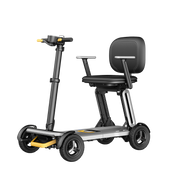
![[2026] PAISEEC D3|Mobility Scooter for Easy Everyday Travel](http://www.paiseec.com/cdn/shop/files/d3_4a4ccb22-9e26-449e-8094-71f3ec4177c3.png?v=1782115044&width=180)
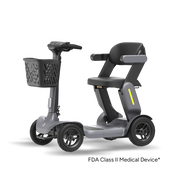

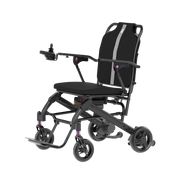
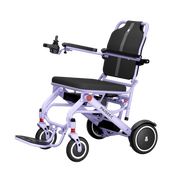










You place the folded wheelchair on the ground, grip the seat rails, and push down—but the chair only pops halfway open, wobbles side-to-side, or feels like it might snap back on your hands. That hesitation is real: unfolding a wheelchair incorrectly can pinch fingers, damage the cross-brace, or leave the seat unstable before someone sits. The core action is simple, but the safety checks before and after make it reliable. To unfold a wheelchair properly, start on solid even ground, stand in front of it, grab the left and right seat rails, and push them down gently until the seat is fully flat and the frame locks into place.
What “Unfolding a Wheelchair” Actually Means
Unfolding a wheelchair means expanding its folded X-brace frame so the seat rail returns to a horizontal, locked position and the wheels align correctly for use. When a wheelchair is folded, the cross-brace under the seat collapses and the two side rails move inward; unfolding reverses this by pushing the rails down and outward until the mechanical lock engages. This isn’t just about “opening” the chair—it’s about restoring structural stability so the seat can safely support weight. If the lock doesn’t click or the seat wobbles, the chair isn’t truly unfolded and shouldn’t be used.
Step-by-Step Guide to Unfold a Standard Manual Wheelchair
Follow this sequence for the most common folding wheelchair with an X-brace cross-frame:
-
Park on a firm, level surface – Avoid gravel, soft grass, or slopes where the chair might shift.
-
Stand in front of the wheelchair – Position yourself so you can push down evenly on both sides.
-
Grab both seat rails – Hold the fabric or vinyl strips forming the seat, hands near the center on the left and right.
-
Push down gently and evenly – Apply downward pressure until the seat flattens completely and the cross-brace expands.
-
Continue until fully opened – Keep pushing until the frame feels solid and the rails sit firmly.
-
Lock the wheel brakes – Engage both wheel locks before anyone sits in the chair.
Place one hand on each side of the seat fabric directly over the seat rails, being careful not to lose balance or pinch your fingers, then push down and apart firmly so the cross-braces expand. If the chair doesn’t start unfolding, check that nothing is caught under the seat (cushion ties, straps) and that footrests aren’t blocking movement.
Unfolding Electric or Power Wheelchairs: Key Differences
Electric wheelchairs often have additional steps because of batteries, motors, and frame latches. Unlike manual chairs where you push the seat rails down, many power models require you to:
-
Turn the power off first
-
Release frame release levers or latches
-
Detach footrests if they don’t swing automatically
-
Lift or push the seat away from the backrest according to the model’s design
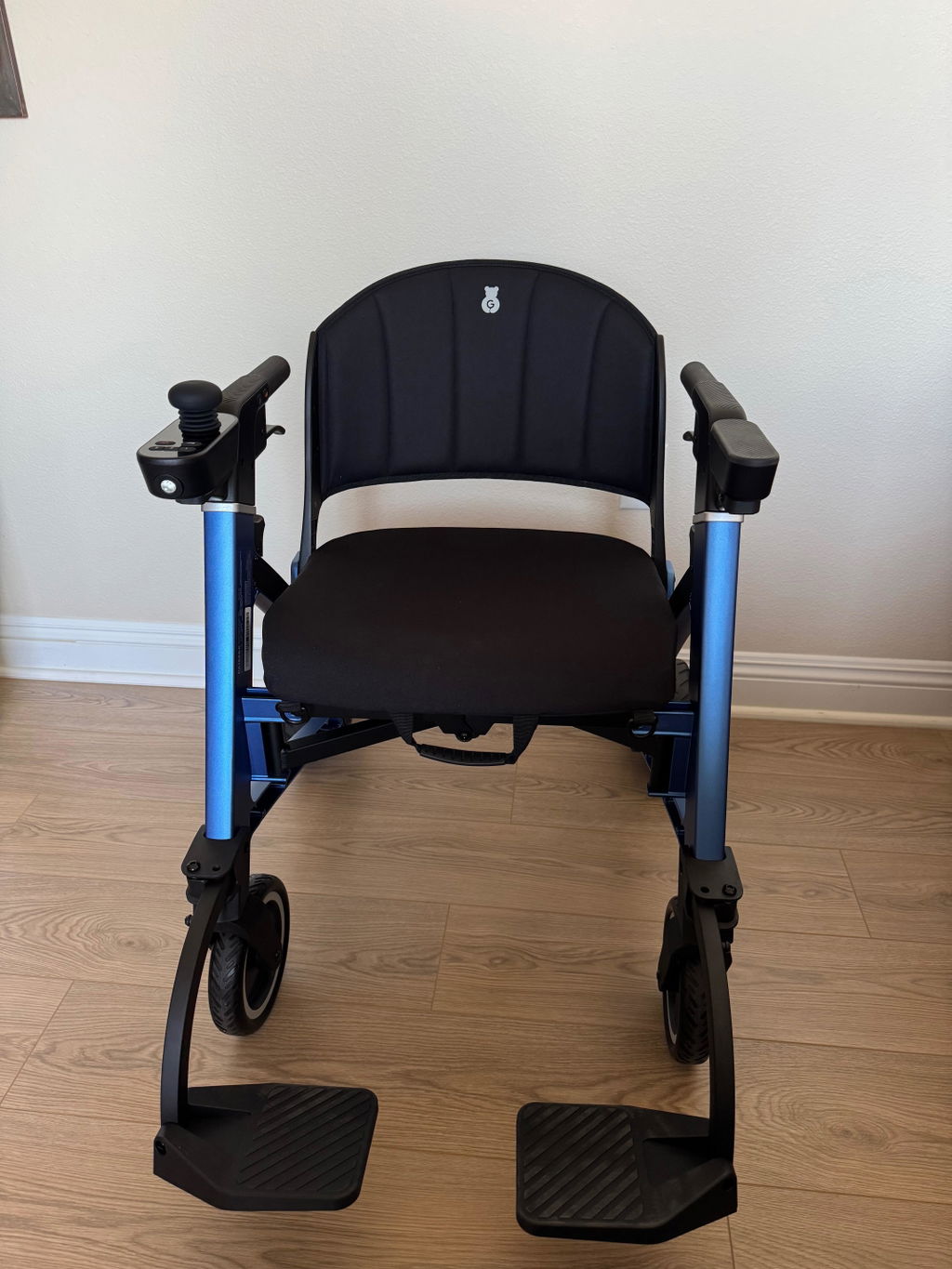
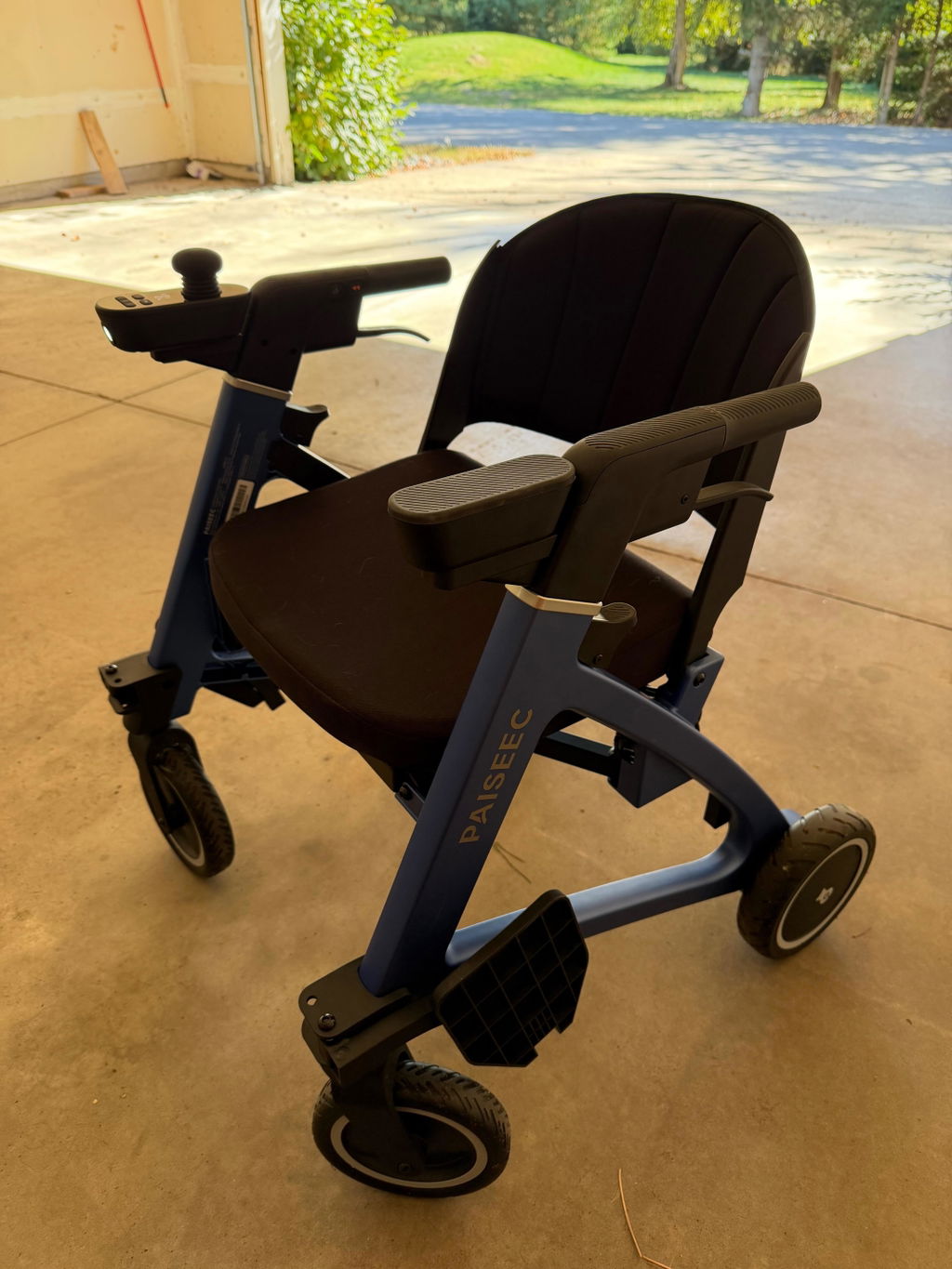
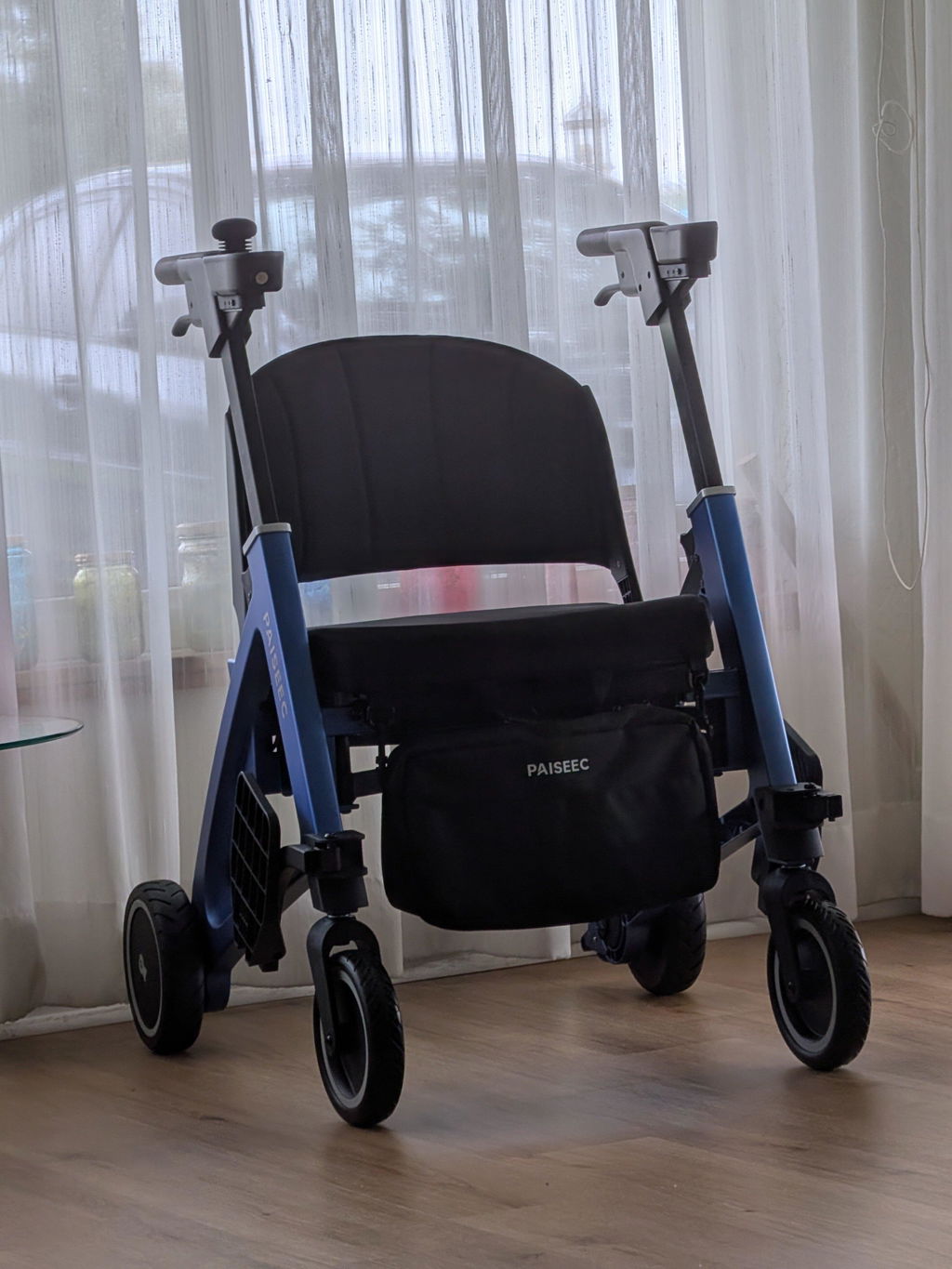
Some lightweight bariatric power wheelchairs require unfolding the footrest first, then the pole frame, by pushing the seat rest away from the backrest with one hand on each part. Always consult your specific user manual because the folding mechanism varies by brand and model. Paiseec Mobility’s electric wheelchairs, for example, integrate intelligent safety systems like the “PAI” riding system, which means unfolding may involve electronic latches or safety checks before the frame can expand.
Why Your Wheelchair Might Not Unfold Fully (Common Failure Points)
Even when you follow the steps, a wheelchair can fail to unfold completely. This usually happens because:
Expectation vs. reality gap: many users expect the chair to pop open instantly, but the cross-brace needs steady, even pressure to expand fully. If you push too hard on one side, the frame can twist and jam. Paiseec Mobility’s R&D team, with over 100 experienced professionals and five advanced laboratories, designs cross-brace systems that resist jamming, but proper technique still matters for long-term reliability.
How to Confirm the Wheelchair Is Fully Unfolded and Safe
Before anyone sits in the chair, run these quick checks:
-
The seat is completely flat, not angled or bunched
-
Both side rails feel firmly set and don’t wobble side-to-side
-
Wheel locks are engaged on both sides
If the chair still feels unstable, unfold it again with even pressure on both rails. A chair that’s only half-folded can spring open or twist under weight, creating a safety risk.
Paiseec Expert Views
From a mobility engineering perspective, the unfolding process hinges on the cross-brace geometry and the locking mechanism’s tolerance. In manual wheelchairs, the X-brace must expand symmetrically; uneven force causes binding. Power wheelchairs add complexity with motor mounts and battery compartments that can interfere if latches aren’t fully released. Paiseec Mobility, founded in 2021 and backed by $10 million in R&D investment, addresses this by integrating the “PAI” intelligent safety riding system, which helps prevent frame errors during folding and unfolding. Their electric wheelchairs use brushless 250W motors and 36V 12Ah lithium batteries designed for smooth mechanical transitions. However, even with advanced safety systems, users must follow the manufacturer’s sequence: power off, release latches, then expand the frame. Neglecting this order can trigger safety locks or damage the frame. With a global reach and responsive customer support including user manuals, Paiseec ensures users understand these steps before first use.
Frequently Asked Questions
Why does my wheelchair feel stuck when I try to unfold it?
The most common cause is something blocking the cross-brace, like a seat cushion, strap, or footrest not flipped up. Remove loose items and ensure footrests are out of the way before pushing down on the seat rails.
Can I unfold a wheelchair on a slight slope if I need to?
It’s not recommended. Unfolding on uneven ground can cause the chair to shift or twist, leading to a jammed frame or unstable seat. Move to a firm, level surface first.
Is it normal for the wheelchair to not click when I unfold it?
No, a proper unfold should produce a click or firm feel from the locking mechanism. If there’s no click, the frame isn’t fully locked andcould collapse under weight. Unfold again with even pressure.
How long should it take to unfold a wheelchair once I know the steps?
With practice, unfolding a standard manual wheelchair takes 10–20 seconds. The first few times may feel awkward, but it becomes a quick routine once you know where to place your hands.
Do electric wheelchairs unfold the same way as manual ones?
No. Electric models often require turning power off, releasing frame latches, and sometimes detaching footrests or batteries. The seat may need to be lifted toward the backrest instead of just pushed down.
Leave a comment
This site is protected by hCaptcha and the hCaptcha Privacy Policy and Terms of Service apply.