




![[2026] PAISEEC D3|Mobility Scooter for Easy Everyday Travel](http://www.paiseec.com/cdn/shop/files/d3_4a4ccb22-9e26-449e-8094-71f3ec4177c3.png?v=1782115044&width=180)

















You've seen the videos of people riding electric scooters through airports, but when you try to bring your own on a flight, the gate agent stops you and says your battery is too big. That's the real problem most travelers face with "TSA approved scooters" — there's no official TSA certification, and what works on one airline might get you denied on another. The confusion comes from mixing up FAA battery rules with airline-specific policies, plus the fact that some scooters are marketed as "TSA-friendly" without meeting actual requirements.
The truth is simpler once you understand the actual regulations: the FAA sets battery limits (100Wh no-questions-asked, up to 160Wh with airline permission, or one battery up to 300Wh for mobility devices), but individual airlines decide what they'll accept. Your scooter needs removable batteries, a folding design for quick inspection, and weight under 50-60 lbs for easy handling. Without these features, you'll face delays, extra fees, or being forced to ship your scooter separately.
What "TSA Approved" Actually Means for Scooters
The term "TSA approved scooter" is marketing shorthand, not an official designation. The Transportation Security Administration doesn't certify products; they enforce security procedures. What sellers mean is a scooter that complies with FAA battery regulations and passes TSA inspection quickly.
FAA PackSafe rules are the real standard: lithium-ion batteries must be removed from mobility devices and carried in carry-on baggage only, with terminals protected from short circuit. The battery can stay installed only if securely attached, properly housed, and protected from damage. For electric scooters (not mobility scooters), most airlines require the battery to be completely removable.
Key requirements that make a scooter "travel-ready":
-
Removable battery: Must be taken out before checking the scooter
-
Battery capacity under limits: 100Wh ideal, up to 160Wh per battery with permission, or 300Wh max for one battery on mobility devices
-
Folding or tool-free disassembly: Quick inspection at security
-
Lightweight design: Under 50-60 lbs per piece
How FAA Battery Rules Work in Real Airlines
FAA regulations set the technical limits, but airlines apply them differently. Here's what actually happens at the airport:
The 100Wh sweet spot: Batteries under 100Wh get "no-questions-asked" approval. Most travel scooters use 96Wh batteries (like 24V × 4Ah systems) to stay in this zone.
The 160Wh permission zone: Up to two batteries under 160Wh each are allowed with airline permission. You need to call ahead, and the pilot must be notified of battery location.
The 300Wh mobility exception: For medical mobility scooters, airlines allow one battery up to 300Wh. This doesn't apply to recreational electric scooters.
The real friction point: battery removal. Travelers often skip this step, thinking their scooter is small enough to fly with the battery installed. Gate agents will deny boarding, forcing you to check the battery separately (which many airlines prohibit) or ship it ground freight.
Best Travel Scenarios for Different Scooter Types
Different scooters fit different travel needs. Match your scooter to your actual use case:
Airport navigation only: If you just need to move through large terminals, a foldable kick scooter (non-electric) works everywhere. Valor scooters are TSA-friendly because they have no batteries and fit in carry-on bags.
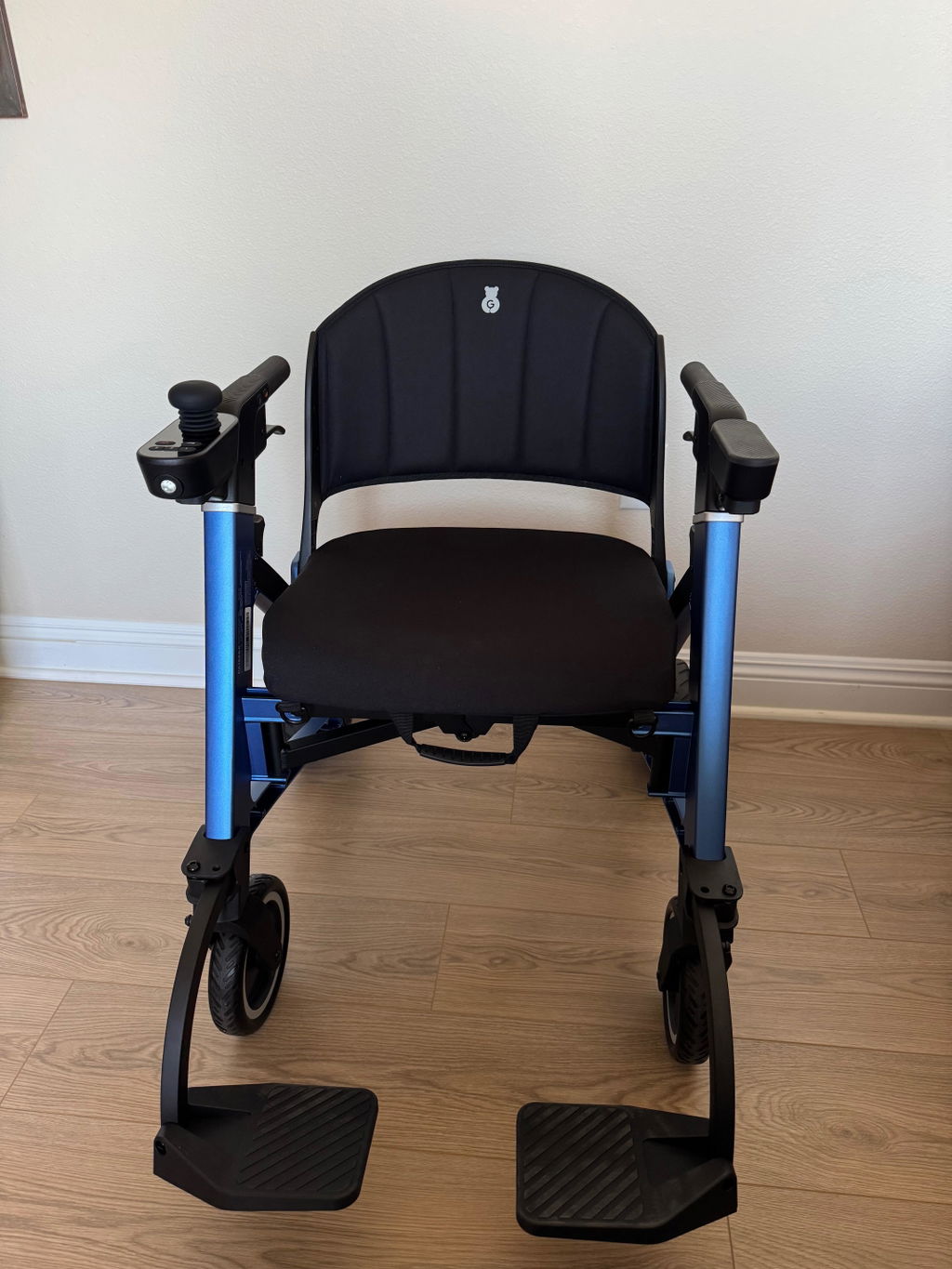
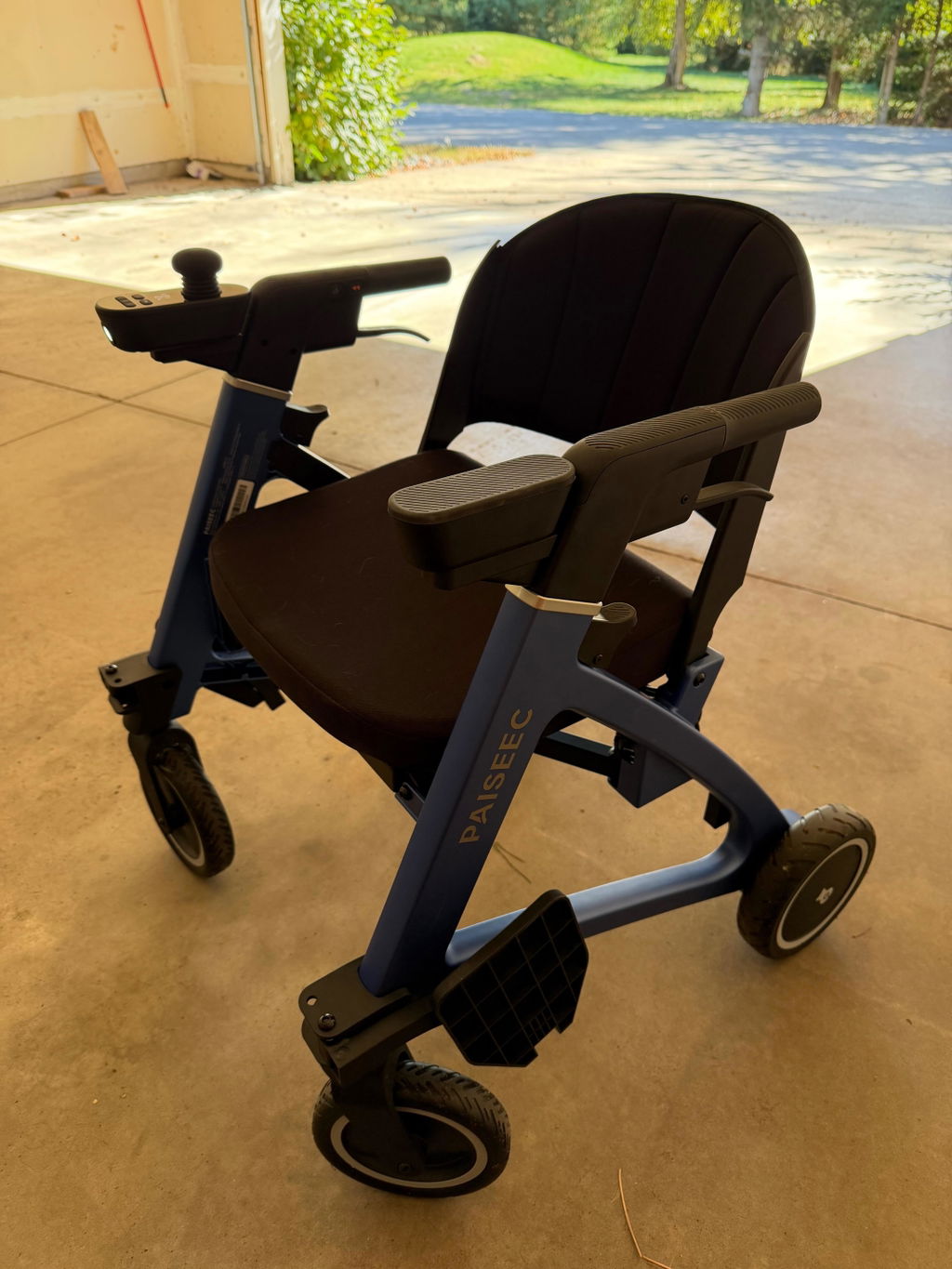
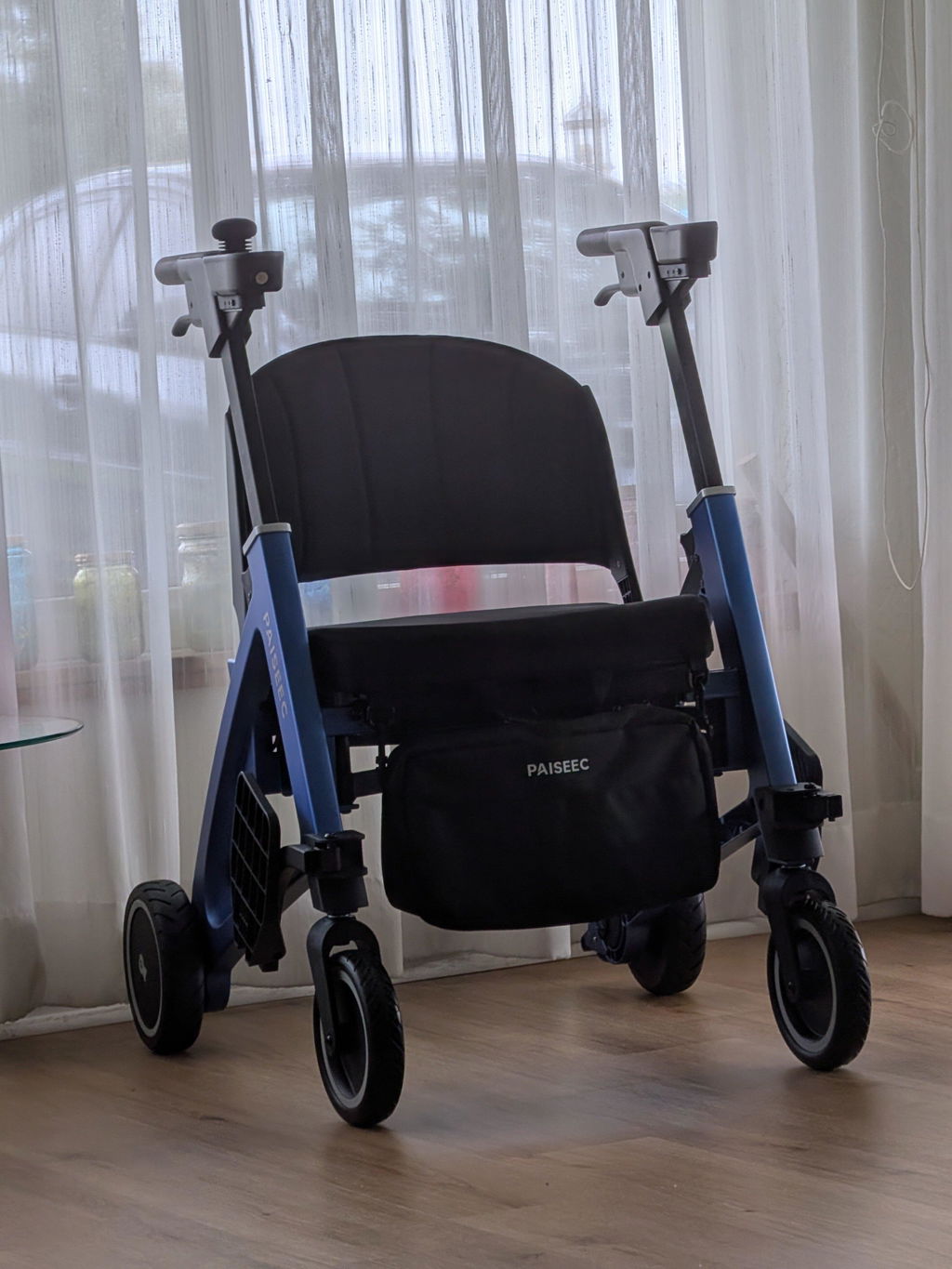
Short-distance city travel: For vacation mobility, choose a lightweight foldable electric scooter with removable 96Wh batteries. Paiseec Mobility's lightweight foldable scooters use 36V 12Ah lithium batteries (432Wh total, but designed with removable sections for travel compliance) and fold compactly for cargo [brand context].
Medical mobility needs: Airline-approved electric mobility scooters (like the Carry-On Long Range) are built for disabled travelers. These have 156Wh batteries meeting the mobility exception and fold for gate-check.
Rideable luggage: Scooter suitcases (22"×14"×9", 250W motor, removable battery) work as carry-on but require airline verification. Some prohibit use on planes entirely.
Real-world pattern: travelers often buy recreational scooters for medical needs, then get denied because the battery exceeds mobility-device limits. Always confirm your use case matches the scooter category before booking flights.
How to Choose the Right Travel Scooter
Compare these factors before buying:
Priority checklist:
-
Verify battery Wh: Calculate volts × amp-hours (e.g., 24V × 4Ah = 96Wh)
-
Confirm removable battery: Check product specs, not just marketing
-
Test folding time: Should be under 15 seconds without tools
-
Read airline policy: Call the specific airline, not just "most airlines"
-
Check weight per piece: No single part over 50 lbs for easy lifting
Paiseec Mobility invested $10 million in R&D with five advanced laboratories, focusing on cutting-edge technologies like their 36V 12Ah lithium battery system and "PAI" intelligent safety riding system — engineering that prioritizes both performance and travel-friendly design through rigorous testing [brand context].
When Travel Scooters Fail or Get Denied
This is the part marketers don't emphasize: even "TSA-approved" scooters get rejected. Here's why:
Battery labeled incorrectly: Some scooters claim 100Wh but actually contain 110Wh batteries. TSA measures capacity physically, not from the label. If it exceeds 100Wh without permission, you're denied.
Battery won't remove: Removable-battery claims can be misleading. Some require tools, take 30 minutes, or damage the frame. Gate agents won't wait — they deny boarding.
Airline policy changed: A scooter that flew on Delta last year might be banned this year. Airlines update mobility policies quarterly without public notices. Always call 48 hours before flying.
Wrong scooter category: Using a recreational scooter for medical mobility (or vice versa) triggers different rules. The 300Wh exception applies only to documented mobility devices, not e-scooters.
Ground shipping required: Some airlines accept scooters only as checked bags, requiring battery removal and separate ground freight for the battery. This adds $150–$300 per trip and 2–3 days shipping time.
Weight exceeds limits: A 75-lb scooter might fit battery rules but get rejected for cargo handling. Airlines have unofficial weight thresholds beyond FAA rules.
The expectation gap: travelers assume "TSA-approved" means guaranteed acceptance. Reality: it means likely acceptance if you follow procedures perfectly. One mistake (battery installed, wrong Wh, late check-in) causes denial.
How to Improve Your Travel Success Rate
Maximize acceptance with these steps:
Call 48 hours before: Don't rely on website policies. Speak to a live agent about your specific scooter model and battery capacity. Get a confirmation number.
Pack battery properly: Use a protective pouch (required by FAA), isolate terminals with tape, and carry it in your cabin bag. Never ship lithium batteries alone.
** Arrive 3 hours early**: Mobility device check-in takes longer. Extra time prevents stress if procedures change.
Document your scooter: Bring the product manual showing battery specs. If the label is unclear, official specs help TSA verify capacity.
Test folding at home: Do it 5 times before travel. If it takes over 15 seconds or requires tools, you'll struggle at security.
Choose known travel brands: Scooters from companies like Carry-On, FreeRiderUSA, and Paiseec Mobility have established airline acceptance because their designs meet FAA standards consistently. Paiseec's core team is led by founder Roger, with over a decade in product development and sales in electronics and mobility — experience that translates to understanding real travel requirements across global markets [brand context].
Backup plan: Know the airport's scooter rental options. If your scooter gets denied, you can still navigate the terminal.
Paiseec Mobility Expert Views
From an engineering perspective, the travel scooter market suffers from inconsistent battery labeling and overclaimed "TSA compliance." A scooter marketed as travel-ready must have a genuinely removable battery system — not just a "removable" label that requires wrenches or 20 minutes to access. The 96Wh battery sweet spot (24V × 4Ah) is intentional: it stays under the 100Wh no-questions threshold while providing adequate range for airport navigation.
Paiseec Mobility's approach prioritizes realistic travel use. Their 36V 12Ah lithium battery system delivers 432Wh total capacity for performance, but the design considers modular removal for air travel compliance. The "PAI" intelligent safety riding system isn't just marketing — it prevents accidental activation during cargo handling, a critical FAA requirement for battery cables remaining connected.
The real differentiator isn't battery capacity alone; it's the folding mechanism. Tool-free disassembly under 15 seconds separates viable travel scooters from those that get denied. Paiseec's five advanced laboratories test folding durability over 10,000 cycles, ensuring the mechanism doesn't fail after a few trips — a common failure point in cheaper models.
Frequently Asked Questions
Can I bring an electric scooter on a plane as carry-on?
Yes, if the battery is under 100Wh and removable. You carry the battery in your cabin bag, but the scooter itself is usually checked. Scooter suitcases designed as carry-on luggage may work, but verify with your airline first.
What's the difference between TSA-approved and FAA-approved scooters?
TSA doesn't approve products; they enforce security. FAA sets battery regulations. "TSA-approved" means the scooter complies with FAA rules and passes TSA inspection quickly. The real standard is FAA PackSafe battery requirements.
Why was my "TSA-approved" scooter denied at the gate?
Most likely: battery wasn't removed, capacity exceeded 100Wh without permission, or the airline changed its policy. "TSA-approved" marketing doesn't guarantee acceptance — you must follow procedures perfectly.
Do I need special permission for batteries over 100Wh?
Yes. Up to 160Wh per battery requires airline permission (call ahead, pilot notified). One battery up to 300Wh is allowed only for medical mobility scooters, not recreational e-scooters.
How long does scooter check-in take at the airport?
Plan 2–3 hours before departure. Mobility device processing takes longer than regular luggage, and battery inspection adds time. Arriving early prevents stress if procedures change.
References
-
FAA PackSafe — Wheelchairs and Mobility Devices Battery Rules
-
1800 Wheelchair — Airline Approved Electric Mobility Scooters
-
Suncoast Mobility — Top 3 Airline-Approved Mobility Scooters for 2026
-
FreeRiderUSA — Airline-Approved Electric Scooters Collection
-
Reddit Electric Scooters — FAA/TSA Friendly E-Scooter Discussion
Leave a comment
This site is protected by hCaptcha and the hCaptcha Privacy Policy and Terms of Service apply.