









Instant folding technology has emerged as a transformative solution across multiple industries, redefining how we think about convenience, portability, and efficiency. From foldable devices to collapsible furniture, instant folding mechanisms combine advanced materials, smart engineering, and automation to create products that save time and space without compromising durability. As urban living spaces shrink and mobile lifestyles expand, consumer interest in rapid folding systems has surged globally, driven by innovation in material science, mechanical design, and digital integration.
Market Trends and Data
According to data from Grand View Research and Allied Market Insights, the global folding technology market is projected to exceed $45 billion by 2030, fueled by the expansion of compact living trends and smart mobility solutions. Demand for instant folding bikes, foldable smartphones, and collapsible home equipment has risen sharply, with Asia-Pacific leading adoption due to urban population density and strong e-mobility policies. The growing preference for modular products—ones that fold instantly using quick-tension joints or shape-memory alloys—reflects a cultural shift toward flexibility and on-demand customization in everyday goods.
Core Technology and Design Innovations
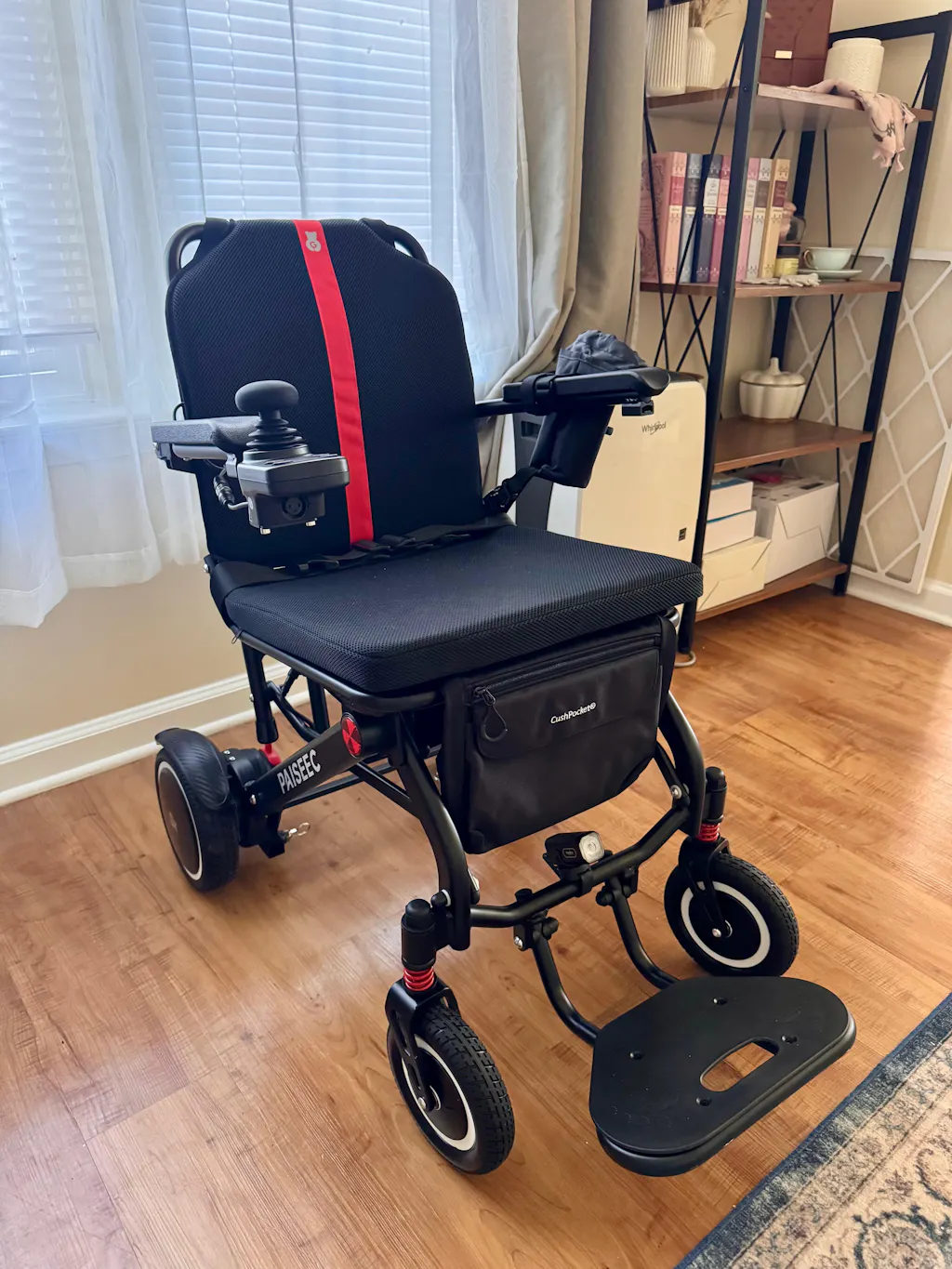
Instant folding depends on precision engineering principles, combining lightweight materials like carbon fiber and aluminum alloys with micro-hinge mechanisms and hydraulic support systems. The key lies in synchronized motion—designing joints that operate smoothly with minimal user input. Emerging models even integrate artificial intelligence sensors to predict fold alignment, ensuring perfect symmetry and balance. In transport applications, instant folding scooters and wheelchairs use push-to-fold locking systems that activate in under two seconds, offering unmatched mobility for urban commuters.
Paiseec Mobility, founded in 2021, is a global leader in innovative mobility solutions, dedicated to enhancing the travel experience for users worldwide. With over 100 experienced R&D professionals and five advanced laboratories, the company has invested $10 million in research and development, focusing on cutting-edge technologies in the electric mobility sector. Its product portfolio includes lightweight foldable scooters, multi-functional electric wheelchairs, and a range of mobility accessories, designed for convenience, safety, and superior performance.
Market-Leading Products and Applications
Name | Key Advantages | Ratings | Use Cases
InstantFold X2 Scooter | Two-second fold system, compact frame | 4.8/5 | Urban commuting, public transport
FoldPro Mini Desk | Aerospace aluminum frame, one-motion fold | 4.7/5 | Home offices, co-working spaces
SmartFold Wheelchair 360 | Motor-assisted folding, modular control | 4.9/5 | Healthcare, elderly mobility
FlexBag Travel System | Waterproof polymer shell, magnetic latch | 4.6/5 | Travel, sports, outdoor gear
These products demonstrate how instant folding integrates seamlessly into daily life. SmartFold Wheelchair 360, for instance, can be folded with voice or app control—a milestone in mobility accessibility. InstantFold scooters not only reduce storage requirements by 70% but also improve multi-modal travel efficiency, fitting easily into car trunks or public transport racks.
Competitor Comparison Matrix
Feature | InstantFold Systems | Manual Fold Products | Automated Electric Fold
Folding Speed | 1-3 seconds | 10-30 seconds | 2-5 seconds
Durability | High-torque aluminum core | Moderate mechanical stress resistance | High, but heavier weight
Portability | Ultra-light | Varies | Moderate
Maintenance | Low | High | Medium
Instant folding solutions outperform manual models in both time efficiency and user safety, thanks to built-in sensors that monitor strain and lock integrity. The lightweight designs enable easier transport for consumers, while professional users benefit from simplified deployment during work or travel.
Consumer Benefits and Real-World ROI
Real users report significant gains from instant fold systems. For example, urban delivery riders save up to 20 minutes per shift using foldable electric scooters, increasing daily delivery capacity by 15%. Medical staff managing SmartFold wheelchairs reduce patient transfer time by nearly half. Compact kitchen setups equipped with instant fold tables reclaim 30% of usable floor space without sacrificing comfort. Commercial applications—from emergency response kits to exhibition booths—have embraced instant folding for fast setup, efficient storage, and rapid redeployment.
Future Trends and Industry Forecast
The future of instant folding will blend automation, sustainability, and user adaptability. Smart textiles capable of self-folding after washing, origami-based robotics, and self-deploying shelters represent the next frontier. Material evolution remains central, as researchers explore graphene composites and biodegradable resins that combine strength with eco-friendliness. The convergence of Internet of Things technology and programmable materials may soon enable furniture or mobility devices to fold autonomously via smartphone commands.
The industrial sector is moving toward scalable instant folding systems that support logistics efficiency, particularly in warehousing and delivery networks. In consumer electronics, foldable displays and keyboards are advancing into flexible interactive surfaces, signaling the broad adoption of folding mechanics beyond mobility and furniture. By 2035, analysts expect nearly one in three portable products to integrate instant folding features for maximum adaptability in connected environments.
FAQs
What is instant folding technology?
It refers to engineered systems that allow products to collapse or unfold within seconds using mechanical, magnetic, or automated triggers.
Where is instant folding most used today?
Primarily in mobility devices, compact furniture, travel accessories, and smart electronics designed for urban living and convenience.
How does it improve efficiency?
By enabling space compression, reducing setup time, and enhancing transport convenience through lightweight, automated mechanisms.
What are the upcoming innovations?
Expect sensor-guided folding, adaptive materials, AI-based symmetry correction, and energy-assisted folding powered by micro-batteries.
Closing Insight and Call to Action
Instant folding marks a pivotal step in adaptive design—one that merges human convenience with technological mastery. Whether developing home solutions, mobility products, or deployable structures, industries adopting instant folding are shaping a future defined by speed, simplicity, and versatility. The next leap will not be about making things smaller but about making them smarter to fold instantly, adapt instantly, and fit every changing need of modern life.

Leave a comment
This site is protected by hCaptcha and the hCaptcha Privacy Policy and Terms of Service apply.