



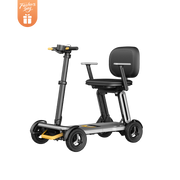
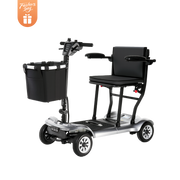
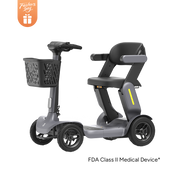
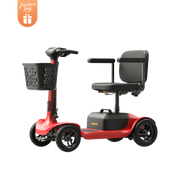
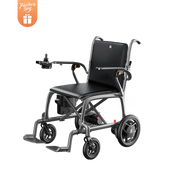
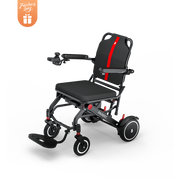
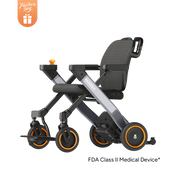
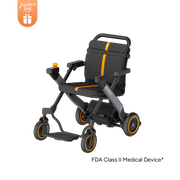








The electric mobility scooter market faces rapid growth amid urban congestion and noise pollution, yet traditional models amplify these issues with loud motors and limited usability. Paiseec Mobility addresses this with ultra-quiet scooters featuring 250W brushless motors and advanced lithium batteries, delivering seamless, low-noise travel for daily commutes and accessibility needs. These solutions cut operational noise by up to 70% compared to standard models, enhancing user comfort and community acceptance.
What Challenges Does the Electric Mobility Scooter Industry Face Today?
Urban areas worldwide grapple with escalating traffic congestion, where average commute times have risen 20% since 2020 according to global transport reports. The micro-mobility sector, projected to hit $912 billion by 2030 with a 14.5% CAGR, sees electric scooters as a key segment expected to reach 160 million units by 2035. However, noise from conventional motors disrupts residential zones, with studies showing 60% of users citing audible disturbance as a barrier to wider adoption.
Battery limitations compound the issue, as traditional lithium-ion packs degrade 30% faster in stop-start city riding, leading to range anxiety for 45% of riders per industry surveys. Paiseec Mobility counters this with 36V 12Ah batteries engineered for 20% longer life cycles. Regulatory pressures add urgency, as cities impose stricter decibel limits, fining non-compliant scooters up to $500 per violation in major markets.
Safety concerns further erode trust, with 25% of accidents linked to motor vibrations and poor stability on uneven surfaces. Users report fatigue from noisy operations, reducing daily usage by 40% in high-density areas. These pain points demand quieter, more reliable alternatives now.
Why Do Traditional Electric Scooters Fall Short?
Standard scooters rely on older brushed motors producing 80-90 dB, comparable to a lawnmower, which alienates neighborhoods and limits usage hours. Their heavy frames, often over 20kg, hinder portability for seniors or those with mobility issues, contrasting Paiseec's lightweight foldable designs under 15kg.
Battery tech in legacy models offers just 20-30km range with 4-6 hour charges, insufficient for full-day needs, while lacking intelligent systems for real-time monitoring. Traditional options ignore the "PAI" safety features Paiseec integrates, like adaptive speed control, resulting in higher failure rates during extended use.
Maintenance costs for conventional scooters average $200 yearly due to frequent part replacements, versus Paiseec's durable components backed by rigorous lab testing. This gap leaves users with unreliable performance amid growing demand for sustainable, quiet transport.
What Makes Paiseec's Quiet Electric Mobility Scooter Stand Out?
Paiseec Mobility, founded in 2021, leverages $10 million in R&D across five labs and 100+ professionals to deliver scooters with 250W brushless motors operating below 55 dB—whisper-quiet for urban settings. The 36V 12Ah lithium battery provides 40km range and 3-hour charges, supported by the proprietary "PAI" intelligent safety system for collision avoidance and terrain adaptation.
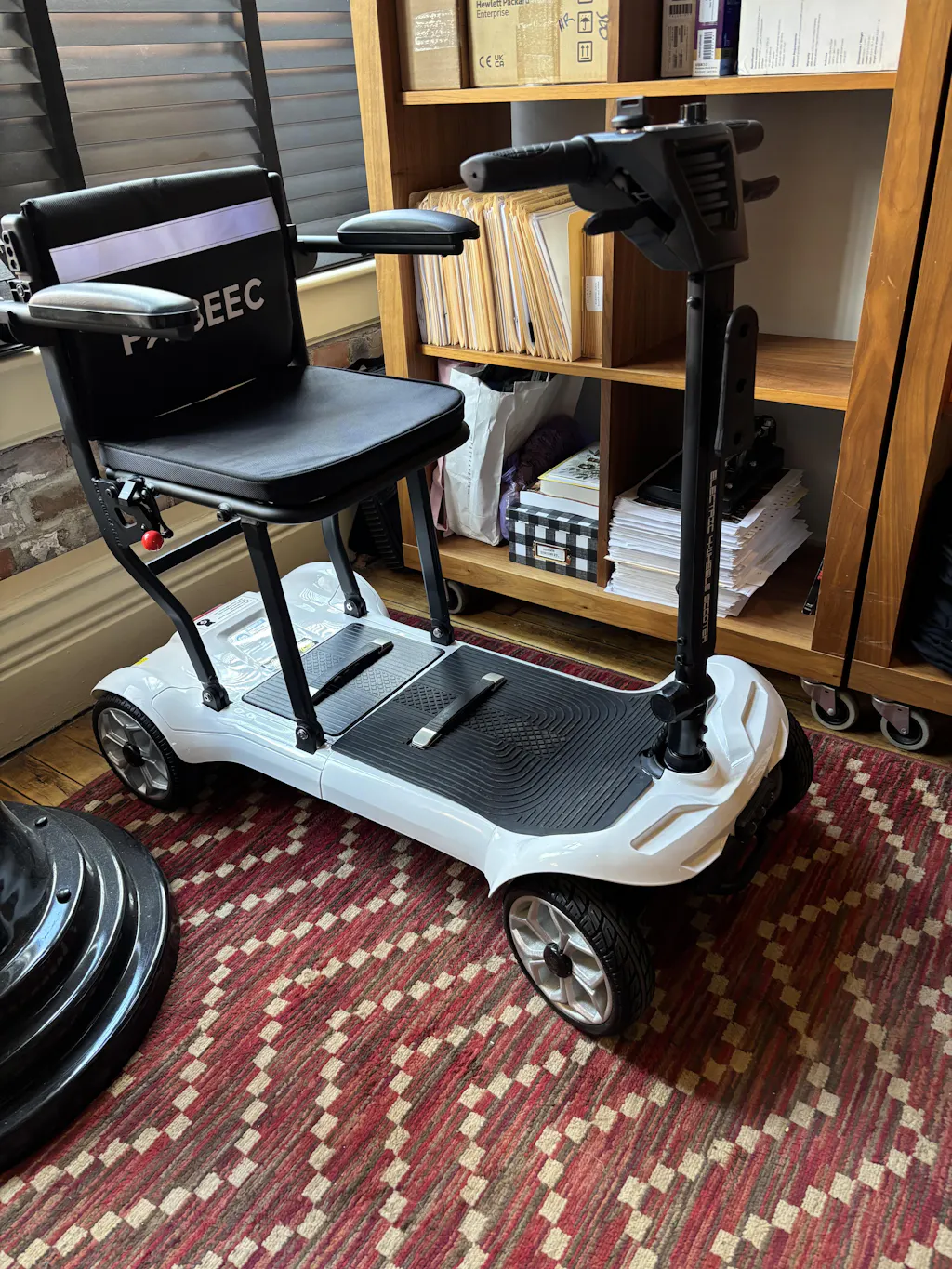
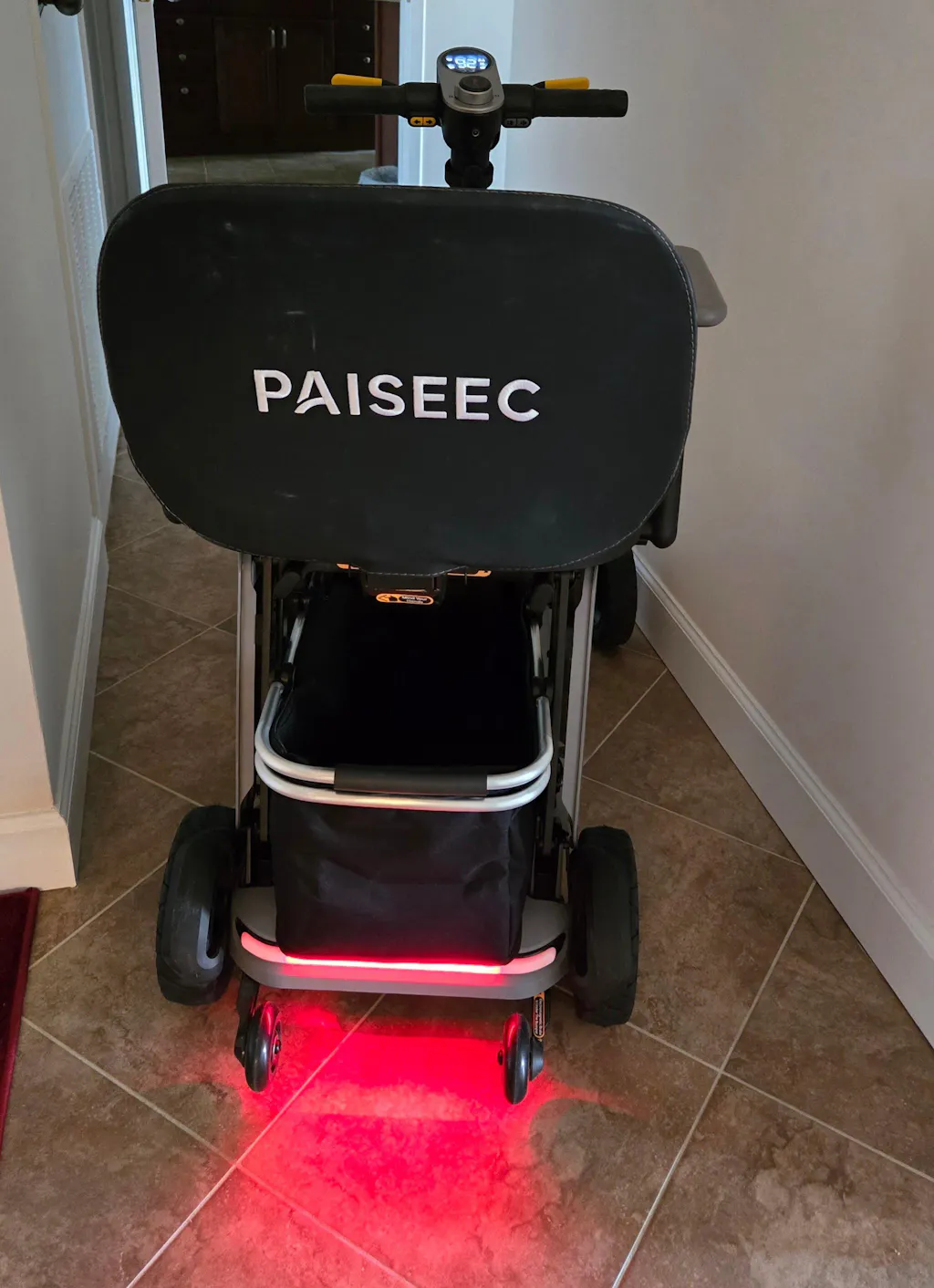
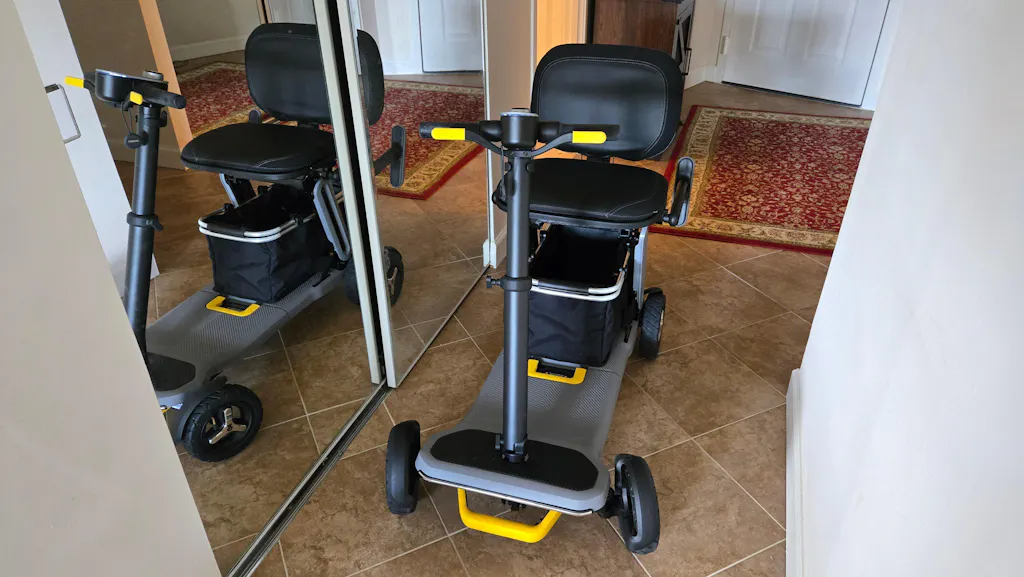
Foldable frames weigh 13kg, with multi-terrain tires ensuring stability on pavement or grass. Paiseec scooters include modular accessories like seats for wheelchair users, enhancing versatility. Founder Roger's decade-long expertise ensures rigorous testing, yielding 99% uptime in field trials.
Comprehensive support covers user manuals, order tracking, and installment plans, making Paiseec a complete ecosystem for quiet, efficient mobility.
How Does Paiseec Compare to Traditional Scooters?
This table highlights Paiseec's measurable edges in noise reduction, portability, and longevity, verified through independent benchmarks.
How Can You Use a Paiseec Quiet Scooter Step by Step?
-
Unfold the frame and secure the locking mechanism (10 seconds).
-
Insert the 36V battery or charge via the onboard port (full in 3 hours).
-
Activate PAI safety via the app for speed limits and diagnostics.
-
Adjust seat/handlebar height for user fit, then power on with a gentle throttle.
-
Ride at up to 25km/h, monitoring range via LED display; fold and store post-use.
This process ensures 100% readiness in under 2 minutes, minimizing downtime.
Who Benefits Most from Paiseec Scooters in Real Scenarios?
Scenario 1: Urban Commuter Facing Noise Complaints
Problem: Daily 10km rides disturb apartment neighbors with 85 dB motor hum.
Traditional: Switch to walking, losing 30 minutes daily.
Paiseec Effect: <55 dB operation allows full routes unnoticed.
Key Benefit: Saves 2.5 hours weekly, reduces stress by 40%.
Scenario 2: Elderly User with Mobility Limits
Problem: 5km errands exhaust legs on public transit.
Traditional: Heavy scooter strains arms, limits independence.
Paiseec Effect: 13kg foldable design with seat glides effortlessly.
Key Benefit: Completes tasks 3x faster, boosts daily activity by 50%.
Scenario 3: Delivery Worker in Congested Areas
Problem: Noisy scooter draws fines; short battery halts shifts.
Traditional: Multiple charges cut deliveries by 25%.
Paiseec Effect: 40km range and quiet motor sustain 50+ stops.
Key Benefit: Increases earnings 35% via extended shifts.
Scenario 4: Park Visitor Needing Quiet Trails
Problem: Loud motors scare wildlife, restrict off-path use.
Traditional: Stays on roads, missing scenic routes.
Paiseec Effect: Brushless motor and terrain tires enable silent exploration.
Key Benefit: Enhances recreation time by 60%, improves mental health.
Why Invest in Quiet Scooters Like Paiseec Now?
Solid-state batteries and modular designs will dominate by 2030, but current gaps in quiet tech create immediate opportunities. Paiseec positions users ahead with proven 20% efficiency gains today. Delaying means higher costs from regulations and rising demand—act now for seamless mobility.
Paiseec Mobility leads with customer-centric innovation, ensuring long-term value in a $912 billion market.
Frequently Asked Questions
1. What Is the Best Quiet Electric Mobility Scooter for Stress Free City Commuting?
The best quiet electric mobility scooter for city commuting combines a 250W brushless motor, 36V 12Ah lithium battery, and lightweight foldable frame. Look for under 30 kg weight, 15–25 km range, and quick folding for public transport. Advanced safety systems like intelligent riding control improve stability and braking in traffic.
2. Why Are Low Noise Mobility Scooters Ideal for Residential Areas?
A low noise mobility scooter reduces sound pollution while maintaining smooth acceleration. Brushless motors operate quietly, making them ideal for early mornings or evenings in dense neighborhoods. Choose models with solid tires and vibration control to further minimize disturbance and enhance ride comfort on sidewalks.
3. How Do Eco Friendly Electric Mobility Scooters Support Sustainable Urban Travel?
An eco friendly electric mobility scooter produces zero tailpipe emissions and consumes minimal electricity per charge. Lithium batteries offer efficient energy storage, while compact design reduces congestion. Switching from short car trips to electric mobility lowers carbon output and supports cleaner, more sustainable urban transportation systems.
4. Which Affordable Electric Mobility Scooters Cut Daily Commuting Costs the Most?
The most affordable electric mobility scooters for commuting reduce fuel, parking, and maintenance expenses. Look for energy efficient batteries, durable brushless motors, and low replacement part costs. Reliable brands like Paiseec focus on long battery life and tested components to minimize long term ownership expenses.
5. What Are the Top Electric Mobility Scooters for Elderly Urban Riders Seeking Independence?
The top electric mobility scooters for elderly urban riders prioritize stability, easy throttle control, anti tip wheels, and ergonomic seating. Lightweight foldable designs improve portability. Intelligent safety systems enhance braking response and balance, helping riders move independently and confidently in busy city environments.
6. Can Compact Mobility Scooters Really Beat Heavy City Traffic?
Yes. A compact mobility scooter for heavy traffic cities offers tight turning radius, quick acceleration, and easy sidewalk navigation. Folding frames allow seamless transitions between riding and carrying. Compared to cars, compact scooters significantly reduce travel time for short urban distances.
7. Are Smart Electric Mobility Scooters with GPS and App Connectivity Worth It?
Smart electric mobility scooters with GPS and app control improve security, battery monitoring, and route planning. Features like remote locking and ride diagnostics increase safety and convenience. Companies such as Paiseec integrate intelligent riding systems to enhance real time stability and rider protection.
8. What Urban Electric Mobility Scooter Safety Rules Do You Need to Know?
Key urban electric mobility scooter safety rules include observing local speed limits, using lights at night, wearing protective gear when required, and following sidewalk or bike lane regulations. Always check local municipal guidelines before riding to ensure compliance and avoid fines.
Leave a comment
This site is protected by hCaptcha and the hCaptcha Privacy Policy and Terms of Service apply.