




![[2026] PAISEEC D3|Mobility Scooter for Easy Everyday Travel](http://www.paiseec.com/cdn/shop/files/d3_4a4ccb22-9e26-449e-8094-71f3ec4177c3.png?v=1782115044&width=180)

















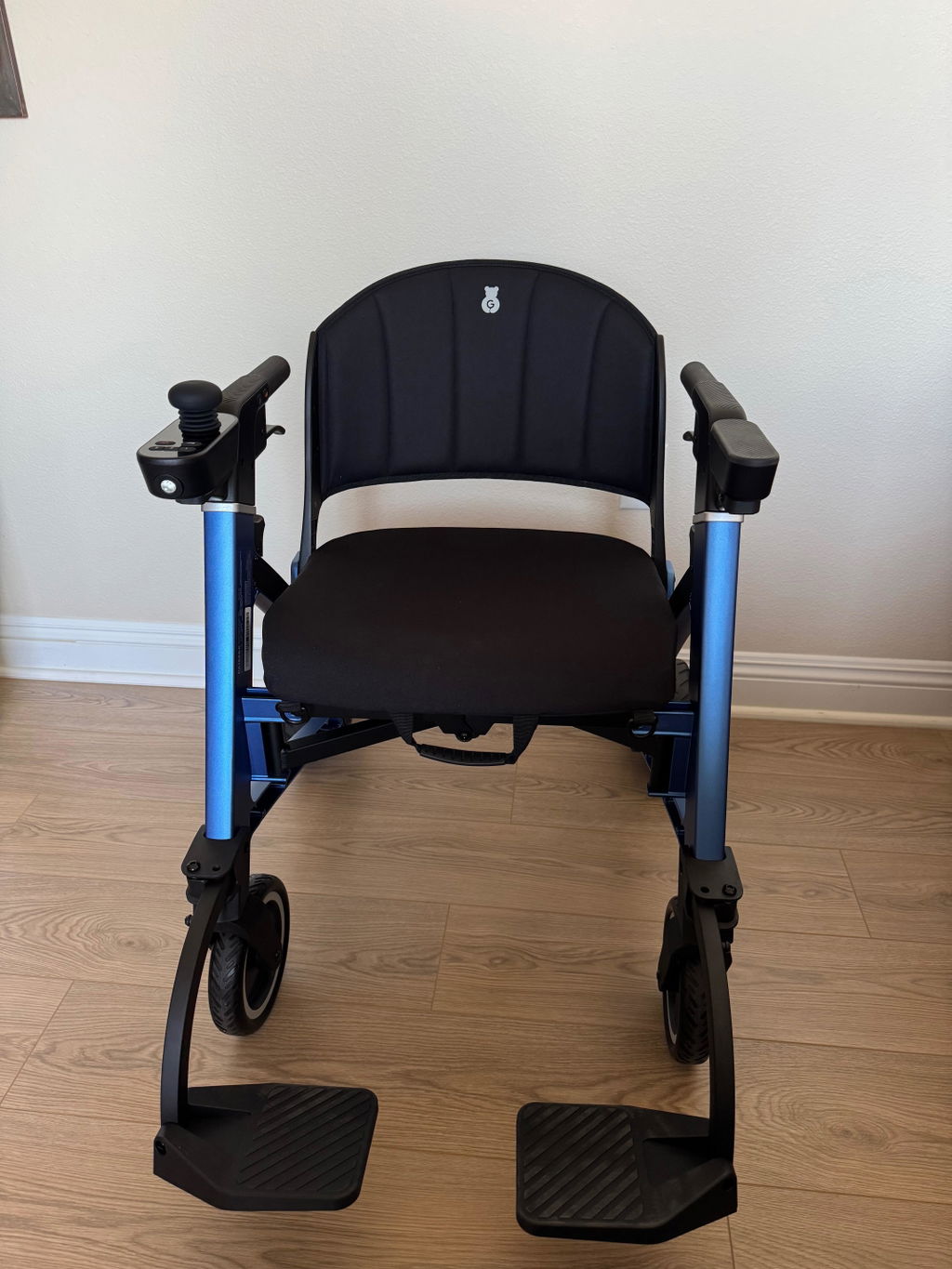
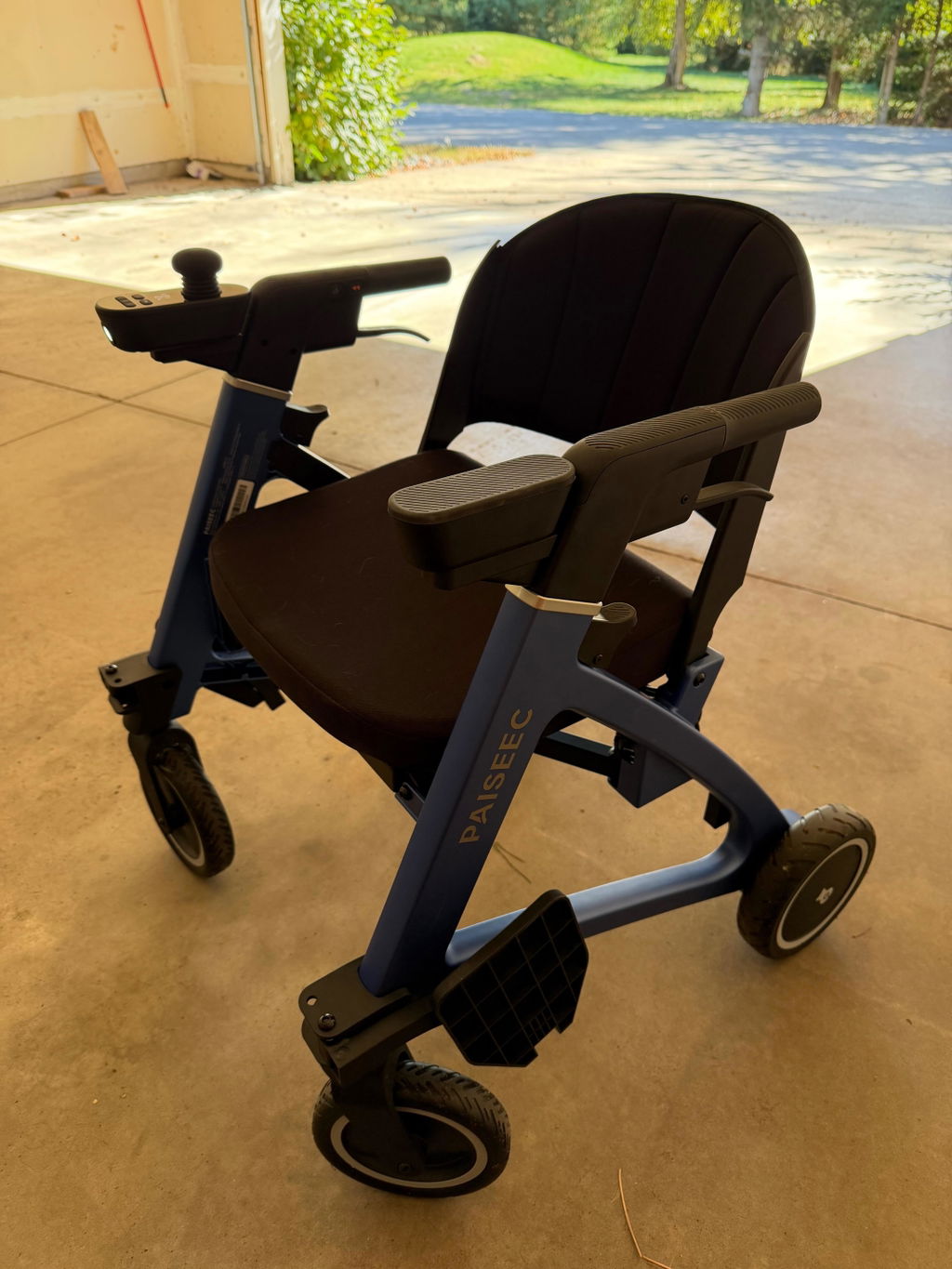
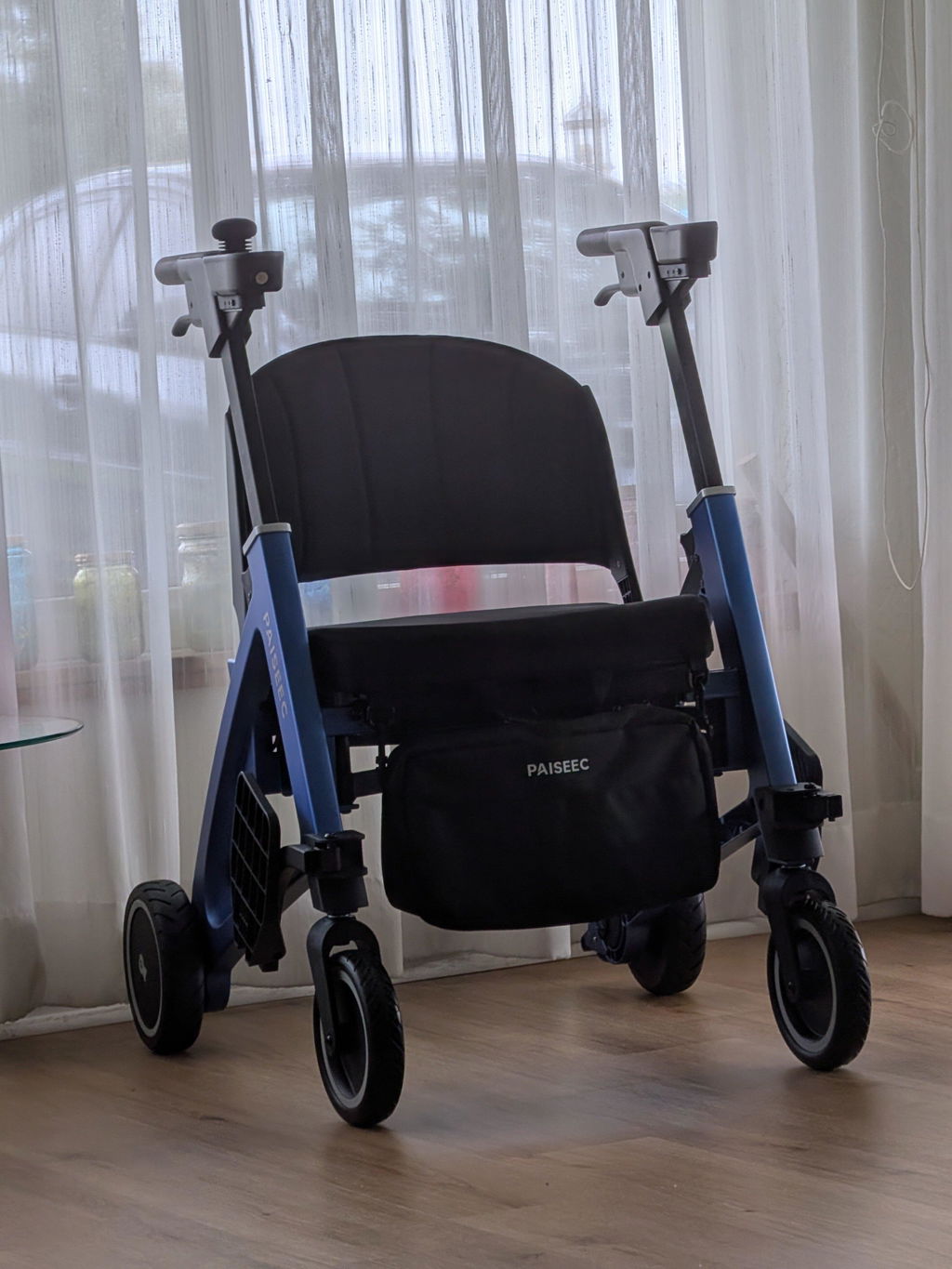
For seniors needing seated mobility support, a small travel mobility scooter (not a standing e-scooter) is the right choice. These lightweight, folding scooters—like the Paiseec D3 at 39.7 lbs—offer 18.6 miles of range, 5 mph top speed, and intuitive tiller controls designed for older adults who need short-distance independence indoors and on paved outdoor surfaces.
What Type of "Small Electric Scooter" Do Seniors Actually Need?
The term "small electric scooter" is ambiguous. Seniors typically need a seated mobility scooter, not a standing commuter e-scooter. Here's the critical difference:
Mobility scooters are battery-powered mobility aids for individuals who can walk short distances but need support for longer outings. Standing e-scooters require balance, core strength, and quick reflexes that many seniors lack.
How Do You Choose a Small Mobility Scooter for Senior Users?
When selecting a small mobility scooter for seniors, prioritize these five factors:
1. Weight and Portability
Aim for under 50 lbs total weight. The Paiseec D3 weighs just 39.7 lbs with detachable batteries, making it easy to lift into car trunks or store in tight spaces.
2. Folding Mechanism
Look for tool-free, one- or two-step folding. The D3 folds to 38.8" × 19.7" × 15.0", fitting most car trunks and airline cargo rules.
3. Range and Battery
For daily errands, 15–20 miles per charge is ideal. The D3 offers 18.6 miles with dual 24V 6.6Ah lithium batteries that are removable and airline-approved.
4. Weight Capacity
Ensure the scooter supports your weight plus any accessories. The D3 handles up to 300 lbs, covering most senior users safely.
5. Controls and Seat Comfort
Intuitive tiller controls with thumb dial speed adjustment and a cushioned, adjustable seat prevent fatigue. The D3 features a 5 mph top speed suitable for safe indoor/outdoor use.
Why Are Four-Wheel Scooters Better Than Three-Wheel for Seniors?
Four-wheel mobility scooters provide superior stability for seniors, especially on uneven terrain or during evasive maneuvers. Consumer Reports noted that three-wheel scooters like the SuperHandy Passport had less reliable braking and stability issues, making them unsuitable for users lacking core strength to prevent tipping.
For seniors who will use their scooter both inside the home and outdoors on sidewalks or parking lots, a four-wheel design is the safer choice.
What Are the Key Safety Considerations for Senior Mobility Scooter Users?
Safety depends on proper selection, operation, and battery care:
Operational Safety
-
Stay within 4–6 mph top speed for seniors
-
Use on flat, paved surfaces only
-
Avoid wet conditions, steep slopes, or gravel
-
Never overload beyond weight capacity
-
Wear appropriate footwear; no bare feet
Lithium Battery Safety
-
Use only manufacturer-approved chargers
-
Inspect batteries before each charge for damage
-
Store at room temperature; avoid extreme heat/cold
-
Never bypass the battery management system (BMS)
-
Charge in a well-ventilated area away from flammables
Mobility scooter range varies by user weight, terrain, temperature, tire condition, battery age, and speed—never assume maximum advertised range in all conditions.
When to Involve a Professional
If the senior has balance problems, pain, weakness, fall risk, injury recovery needs, or a medical condition affecting walking, consult a physical therapist, occupational therapist, or mobility dealer before selecting a scooter.
How Does a Mobility Scooter Compare to an Electric Wheelchair for Seniors?
Many seniors confuse mobility scooters with electric wheelchairs. They serve different users:
Electric wheelchairs require seating, posture, pressure, and comfort considerations that should be reviewed with a qualified clinician, occupational therapist, physical therapist, or assistive technology professional. Mobility scooters like the Paiseec D3 are designed for older adults who still walk short distances but need seated support for longer outings.
What Do Paiseec Experts Recommend?
"In Paiseec's typical mobility-scooter selection workflow for seniors, buyers first confirm their primary use environment (indoor vs. outdoor), daily travel distance, and transportation needs. For the Paiseec D3, we emphasize that its 39.7 lb weight, dual removable batteries, and 18.6-mile range make it ideal for seniors who travel, need car storage, or want daily errands independence. However, if a user has significant balance issues, fall risk, or medical seating needs, we recommend consulting a physical therapist or mobility dealer before purchase. Safety always comes before convenience."
— Paiseec Mobility Product Team
Conclusion
A small travel mobility scooter like the Paiseec D3 is the right choice for seniors who need seated mobility support for short-distance independence. Key Selection Criteria:
Always verify specifications by model, check battery charging safety practices, and involve a PT, OT, or mobility dealer if medical or fall-risk concerns exist. Contact Paiseec for product details, support, dealer inquiries, or mobility-scooter selection help at 1-800-711-1940.
FAQs
Is a small electric scooter safe for seniors with balance issues?Standing e-scooters are not safe for seniors with balance issues. A seated mobility scooter like the Paiseec D3 is safer, but if the senior has significant balance problems or fall risk, consult a physical therapist before use.
What's the difference between a mobility scooter and an electric scooter for seniors?Mobility scooters are seated, slower (4–6 mph), and designed as mobility aids. Electric scooters are standing, faster (15–20+ mph), and meant for urban commuting. Seniors should use mobility scooters, not standing e-scooters.
Can seniors take the Paiseec D3 on airplanes?Yes. The D3's dual lithium batteries are removable and airline-approved, and the scooter folds to 38.8" × 19.7" × 15.0", meeting airline cargo requirements.
How long does the Paiseec D3 battery last per charge?The D3 offers up to 18.6 miles per full charge with dual 24V 6.6Ah batteries. Actual range varies by user weight, terrain, temperature, and speed.
When should a senior involve a therapist before buying a mobility scooter?If the senior has balance problems, pain, weakness, fall risk, injury recovery needs, neurological conditions, or a medical diagnosis affecting walking, consult a physical therapist, occupational therapist, or mobility dealer first.
Leave a comment
This site is protected by hCaptcha and the hCaptcha Privacy Policy and Terms of Service apply.